Sign in
 Newsletters


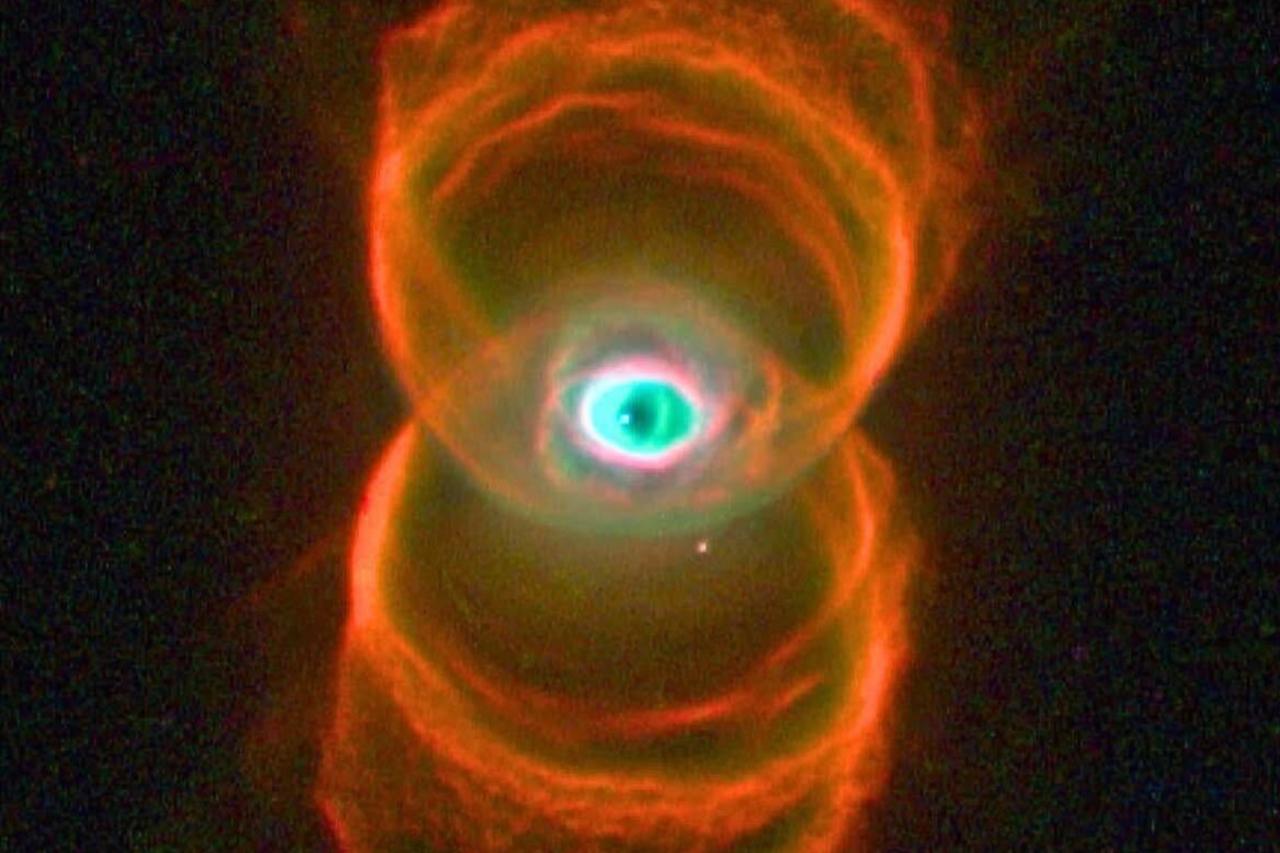


NASA has released a new batch of nebula images from the James Webb and Hubble space telescopes. They show glowing clouds of gas and dust, where stars are born and die, in sharper detail than before.
NASA’s latest pictures published this month from its Hubble and James Webb telescopes show a cloud of gas and dust shaped like an upright cat with an eerily glowing eye.
Webb captured the same scene in near-infrared and mid-infrared light, wavelengths a person aboard a passing spaceship could not see. The nebula lies about 7,500 light-years from Earth.
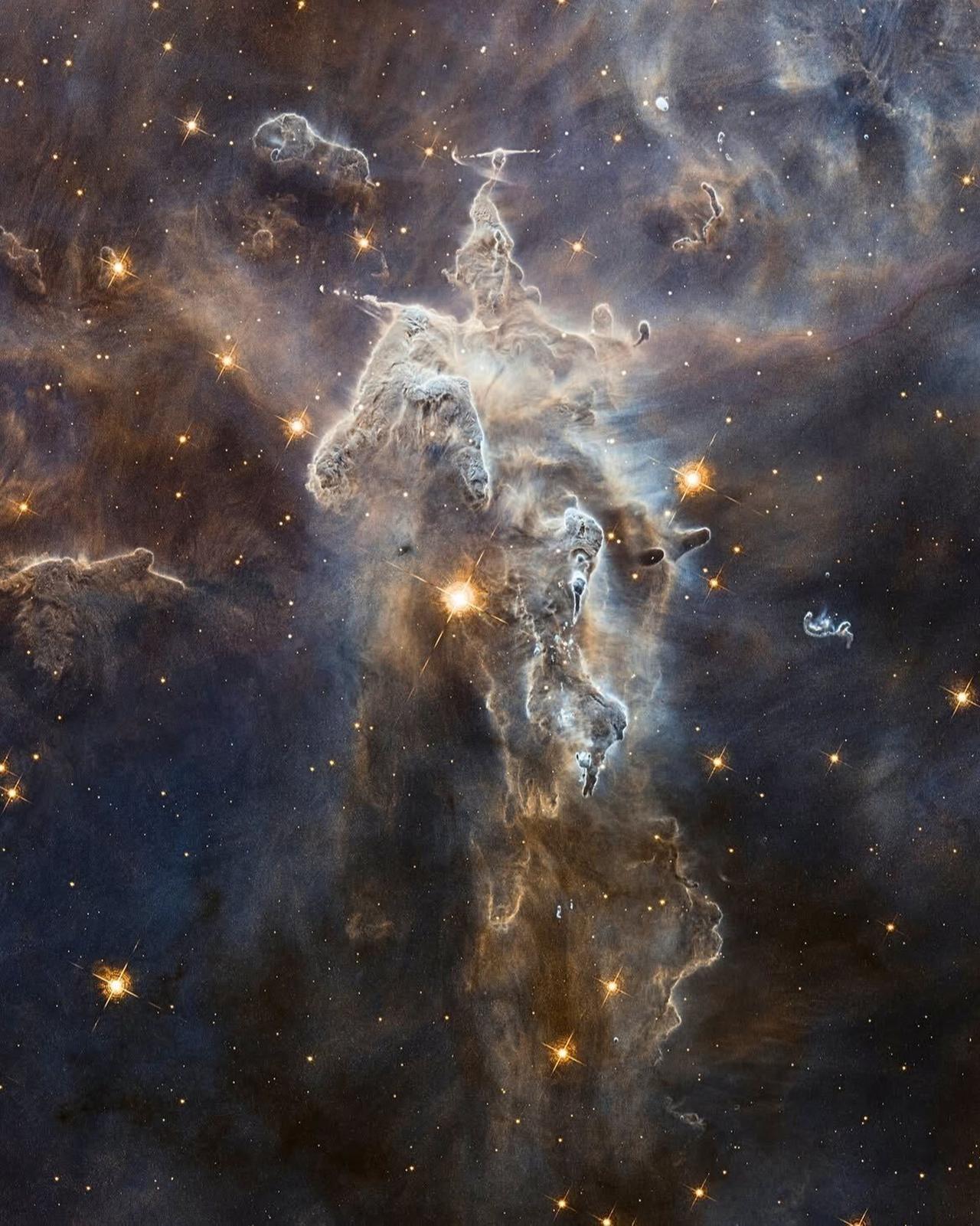

The release is the latest in a string of nebula images this year. In August, Webb released new views of NGC 2392, nicknamed the Lion Nebula, with its "mane" clear and detailed thanks to the telescope’s high-resolution imaging. In January, NASA released a Webb image of the Helix Nebula showing comet-like pillars with tails along the inner rim of the nebula’s gas shell. The Helix is about 650 light-years away.
A nebula is a giant cloud of dust and gas in space. Some come from a supernova, while others are regions where new stars are beginning to form. Infrared light lets telescopes see through some of that dust, revealing structures that visible-light cameras miss.
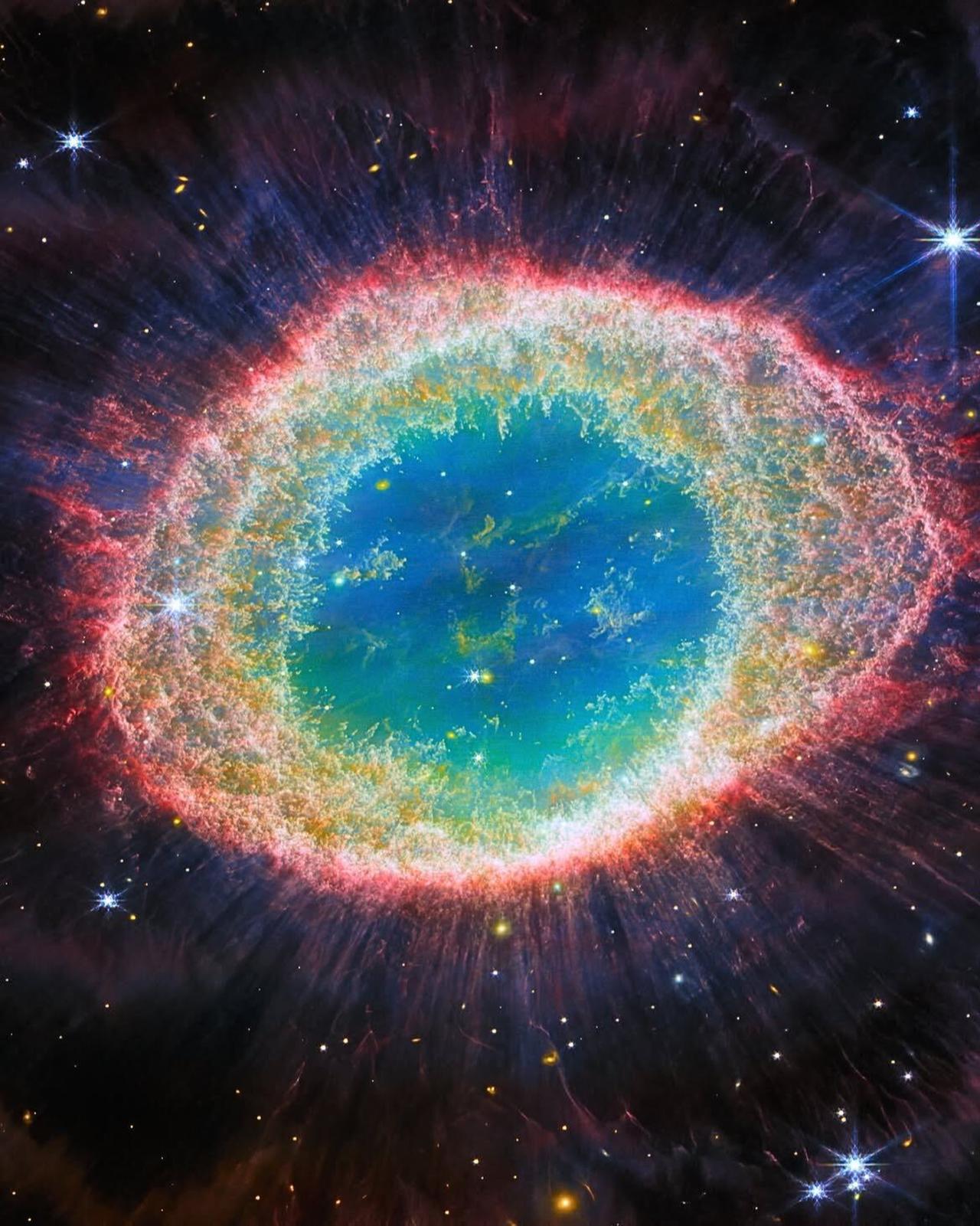
Webb’s mid-infrared and near-infrared instruments also drove an earlier landmark. In 2024, they produced the sharpest infrared images to date of the Horsehead Nebula, a dark nebula in Orion that acts as a nursery for newborn stars. It is 1,300 light-years away. Such images can help refine astronomers’ understanding of how big stars form.
Hubble, the older telescope, is still delivering. To mark its 36th year, it released a new image of the Trifid Nebula, a stellar nursery about 5,000 light-years away. NASA once expected Hubble to operate for about 15 years, but now expects it to keep taking images until at least the mid-2030s.
Hubble has also worked alongside Europe’s Euclid telescope. Some of their joint observations show the Cat’s Eye Nebula, 4,400 light-years away, in the finest detail ever seen.


 Set as preferred source
 Set as preferred source


 1 min read