Newsletters


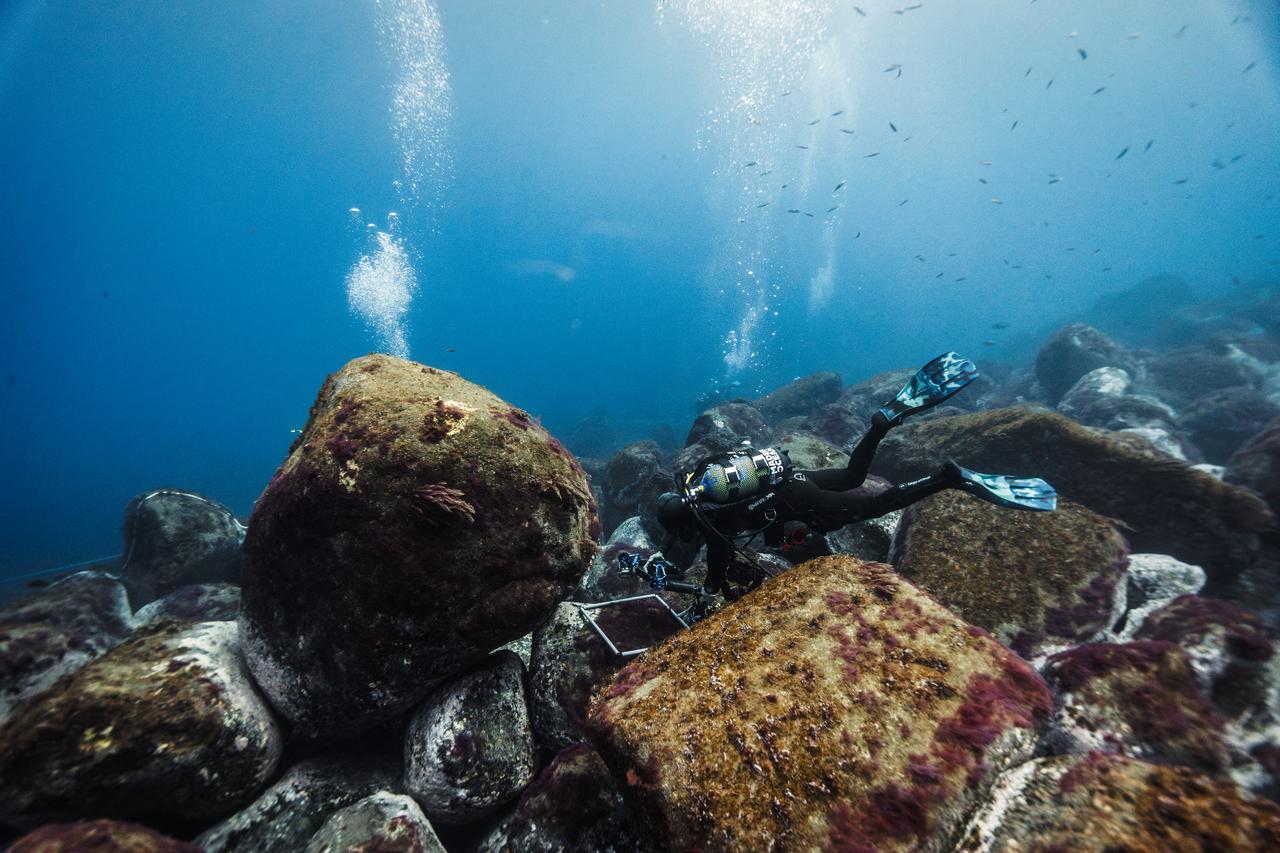


Nearly 200 nations opened negotiations on Monday in Yerevan, the capital of Armenia, as governments face pressure to salvage a landmark nature pact whose goals are slipping out of reach. The U.N. biodiversity talks, known as COP17, run for two weeks.
Armenia is a mountainous country in the South Caucasus that borders Türkiye to the west. The summit is one of the largest international events the country has hosted, with thousands of visitors expected.
Most countries joined a historic call four years ago to halt and reverse the destruction of nature by 2030. Governments have been slow to act on the pledges.
Many goals of the pact, known as the “Paris Agreement for Nature,” are falling behind, including a central commitment to protect 30% of Earth’s land and oceans. Some of the toughest objectives, such as cutting subsidies for fossil fuels and other powerful industries, have made little progress.
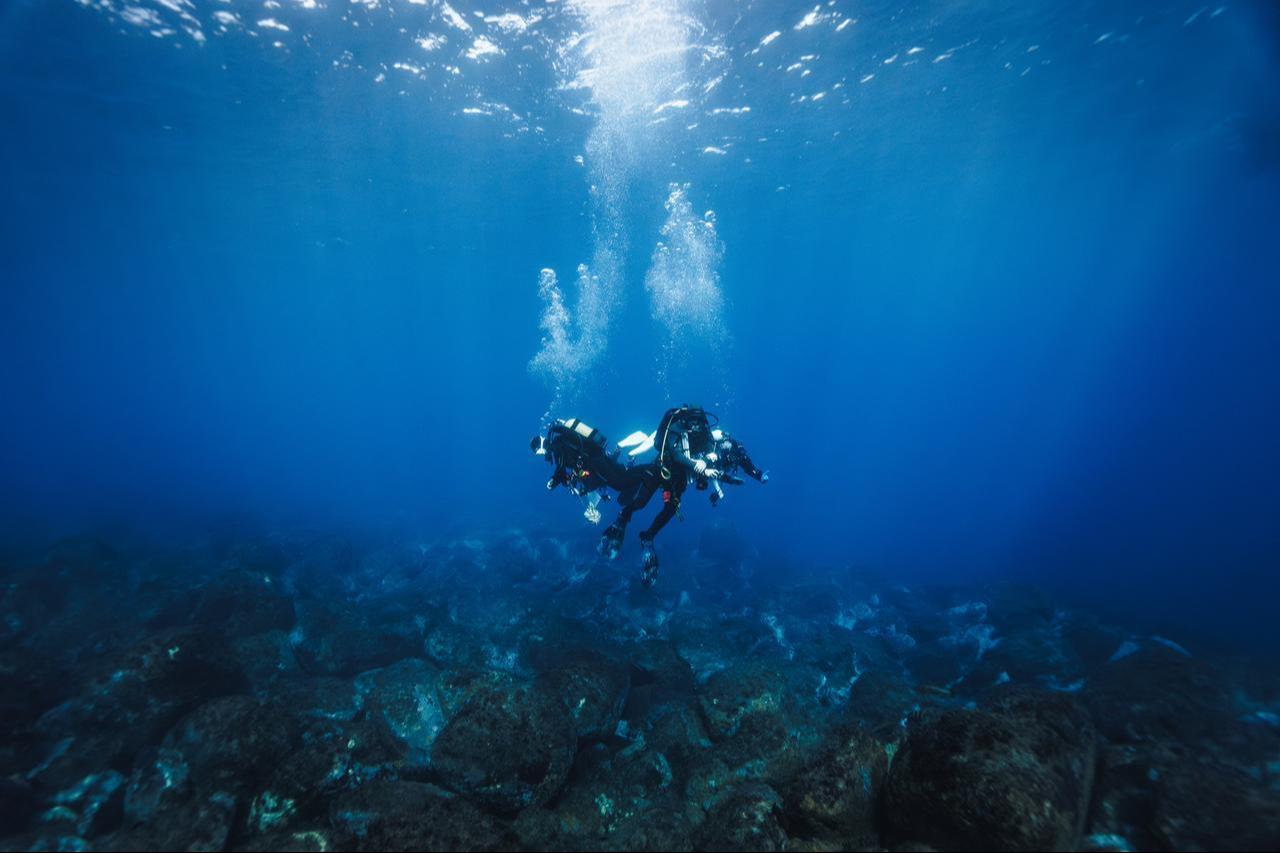

Armenian Prime Minister Nikol Pashinyan spoke on Friday ahead of the formal UN negotiations. “We must honestly admit that collectively, we are not yet on track as needed,” he said.
Only a handful of world leaders attended a high-level session ahead of the talks. They included U.N. Secretary-General Antonio Guterres, while most others were heads of state from nearby Central Asian nations.
Guterres said the stakes could not be higher and described an unrelenting “war on nature” that threatens the livability of the planet for future generations. “We need more action, more speed and more will,” he said. “Halfway to 2030, Yerevan is our moment of accountability. It is time to ask ourselves: are we doing enough?”
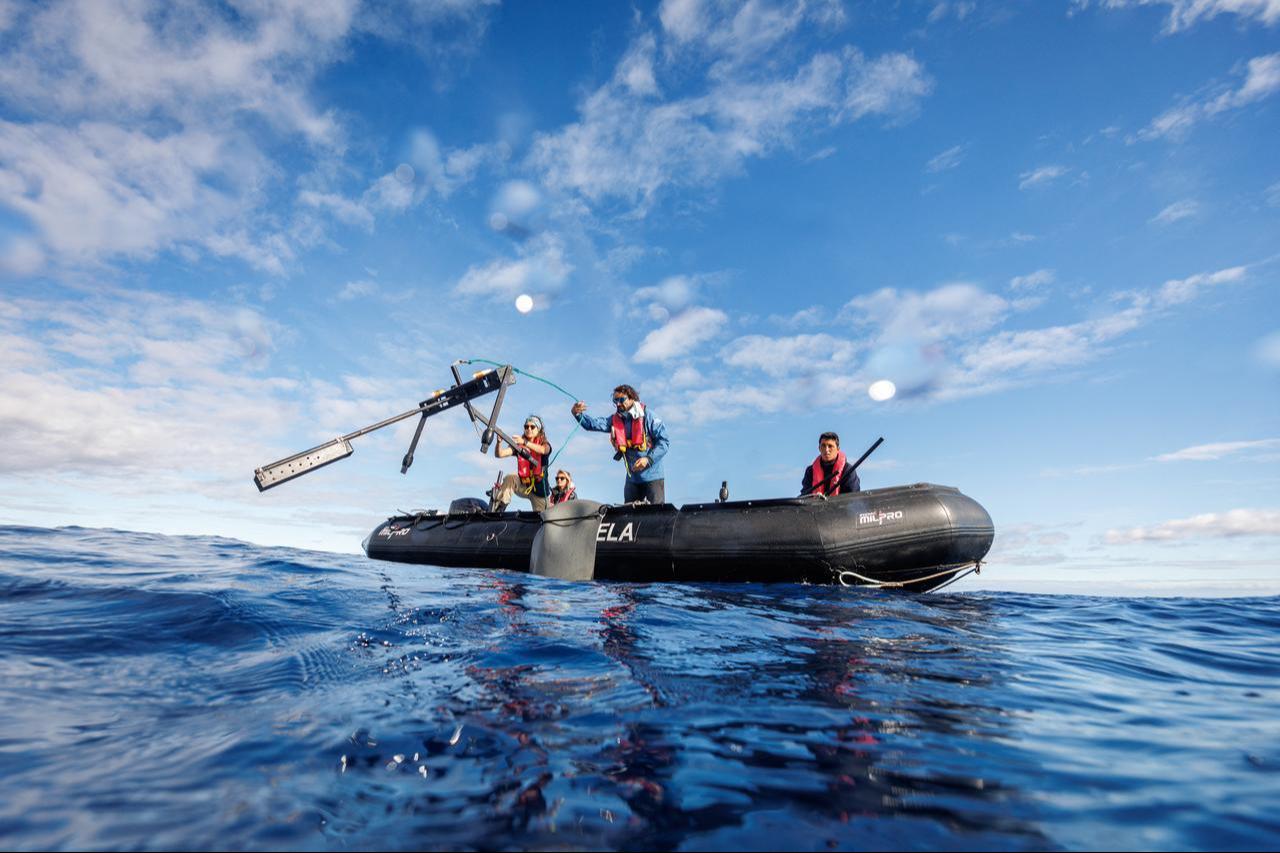
A U.N. scorecard issued ahead of COP17 reported that progress toward the 23 biodiversity targets is being made, but unevenly and not at a pace to meet the 2030 deadline.
The report found that the effort to close a large gap in necessary finance “falls far short” of what is needed.
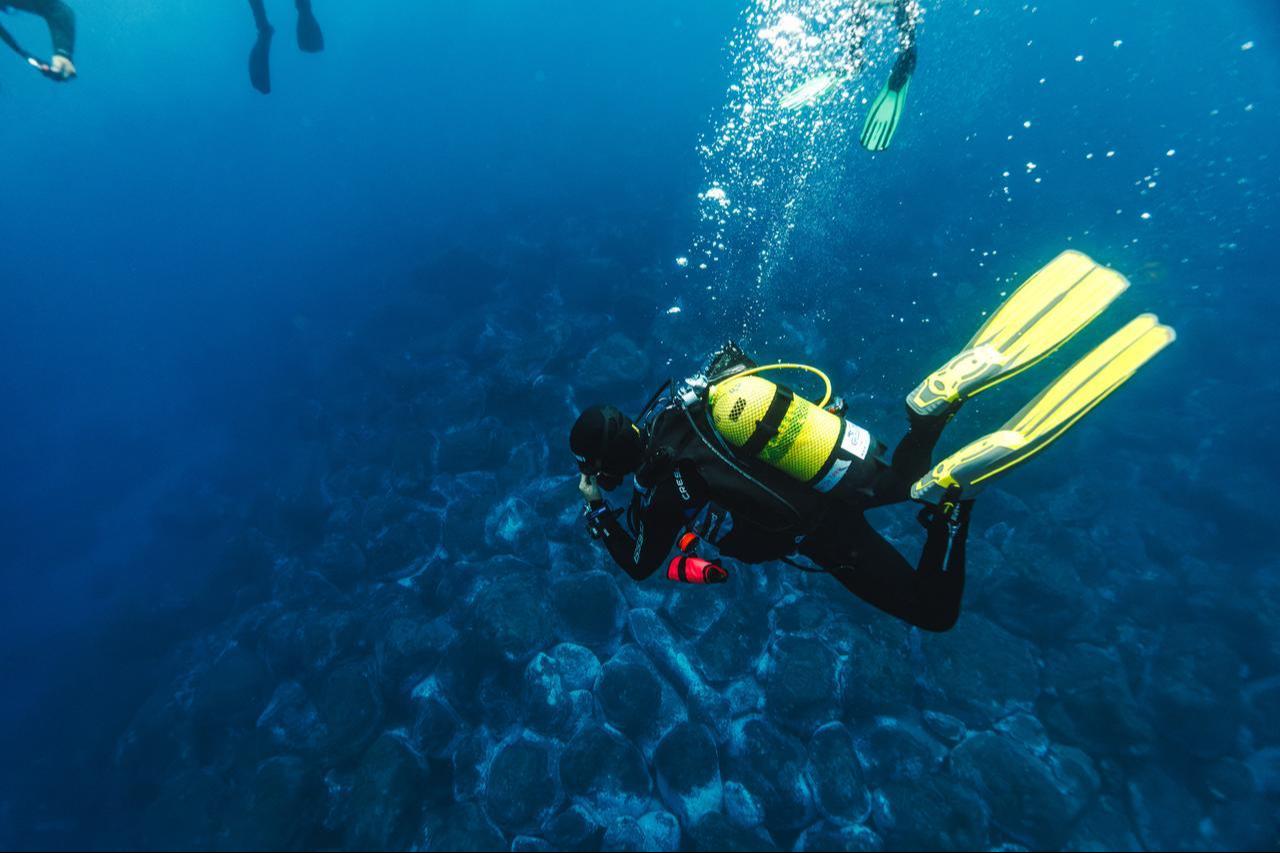
European and other wealthy nations obligated to provide biodiversity finance have pushed for large emerging economies such as China to also contribute. Attention is expected to focus more on how private capital, rather than public finances, could help fill the shortfall.
A key priority is encouraging corporations to donate a share of profits to a near-empty U.N. fund that supports conservation in developing countries.
Guterres also criticized state incentives for extractive industries and said governments are “spending money on the wrong things” despite pledging to reform harmful subsidies. “Subsidising fossil fuels is subsidising suicide,” he said of coal, oil and gas, which he described as “boiling our planet” and “the scourge of biodiversity.”

The summit takes place as public finances are under strain and political attention is fixed on conflicts, geopolitical tensions and a global energy crisis.
The hosts have stressed that action, not new pledges, will define success at COP17.
“The world does not need a new vision. We have one. What it needs is delivery,” said Adil Najam, global president of WWF International, on Friday.


 Set as preferred source
 Set as preferred source



 3 min read