Newsletters


More people in Nepal are demanding a formal investigation into possible negligence after a 57-year-old Sherpa guide survived six days alone on Mount Everest. Fellow climbers and officials say he was not found in time.
Dawa Sherpa, nicknamed "Hillary" after Edmund Hillary, went missing on May 30 during one of the last climbs of the spring season.
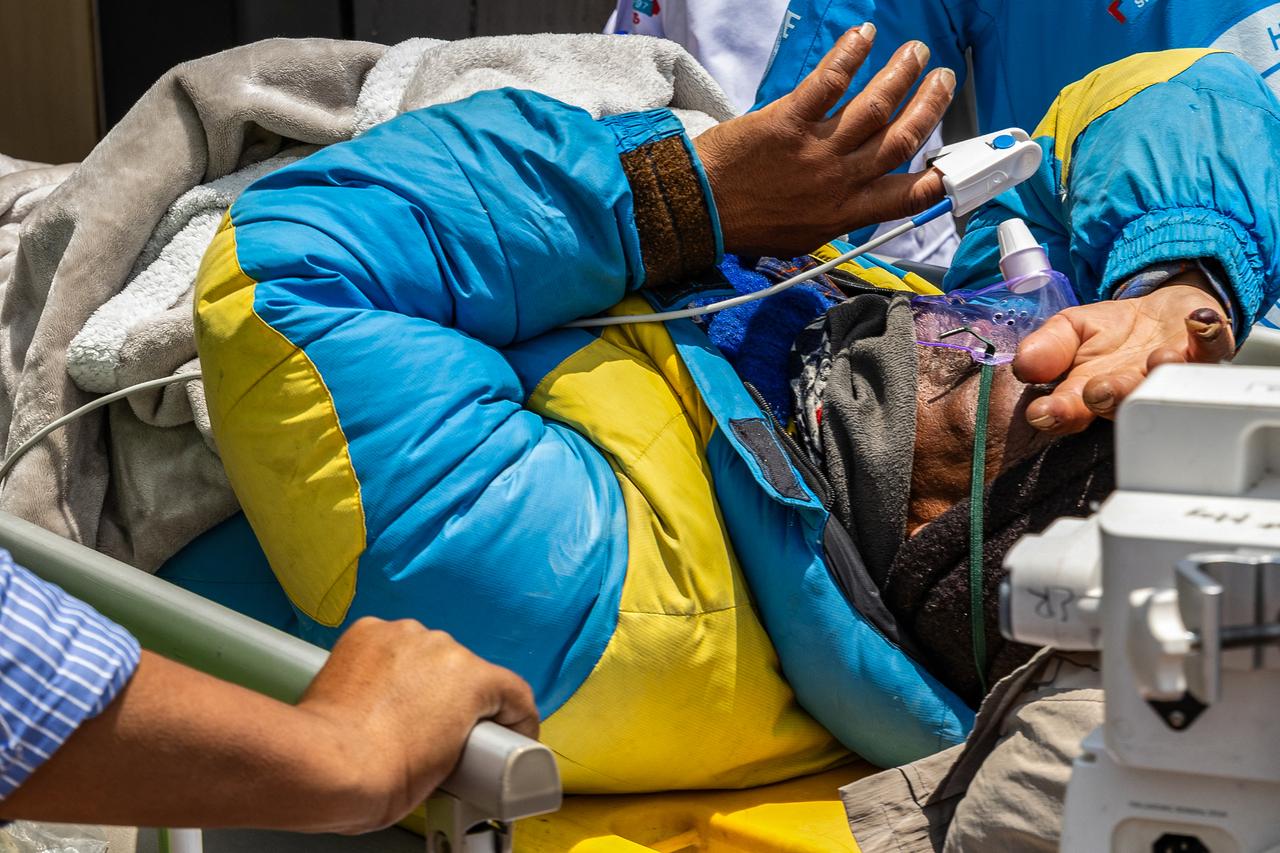
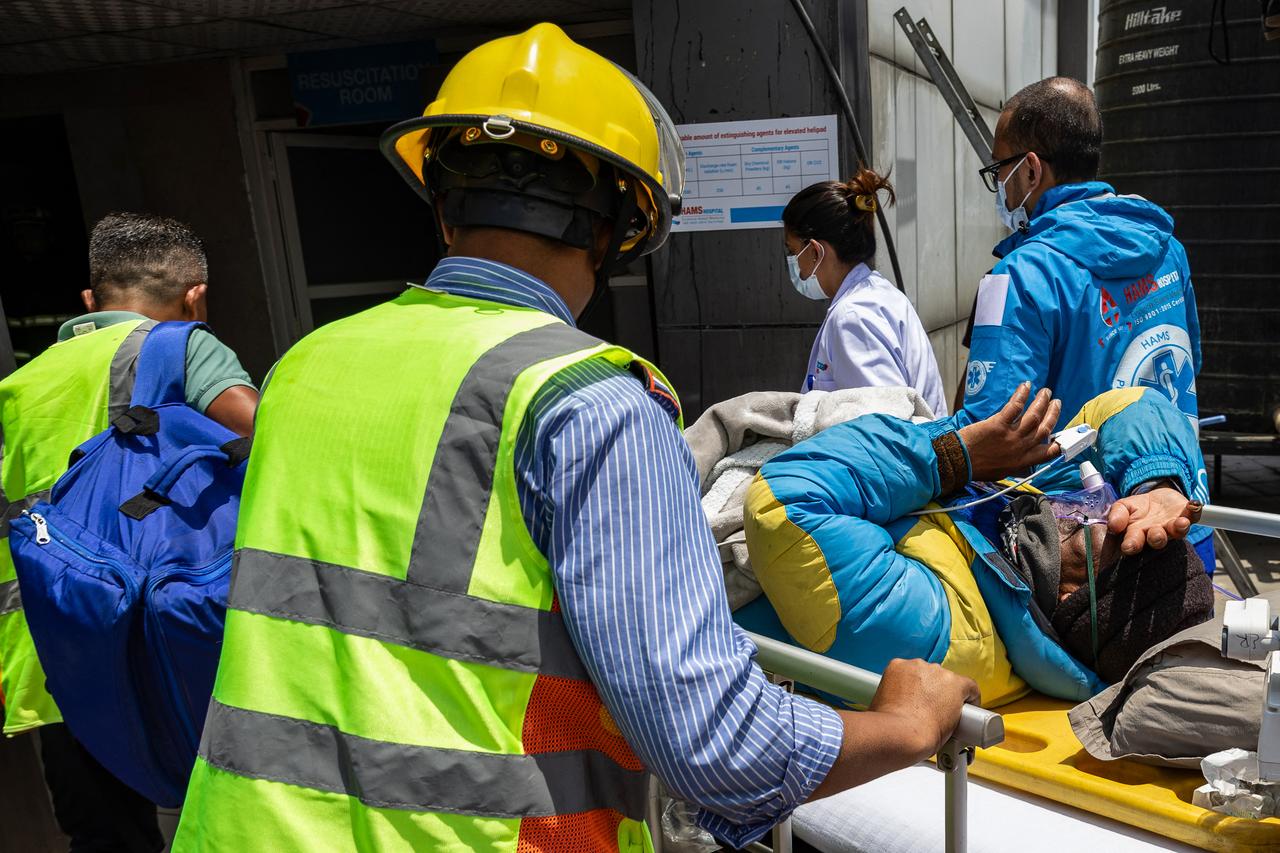
The Sagarmatha Pollution Control Committee, a Nepali team that manages routes and waste on Everest, found him crawling toward Base Camp on Thursday morning. He was then airlifted to Kathmandu.
Doctors are treating him for frostbite, severe dehydration, and a broken thigh bone. By Tuesday, he was moved out of intensive care.
"He has been moved from the ICU to the ward and is still being treated. He can speak a little and is eating," his relative Nuru Sherpa told Agence France-Presse (AFP). "Doctors are watching his hands and legs to see if they get better."
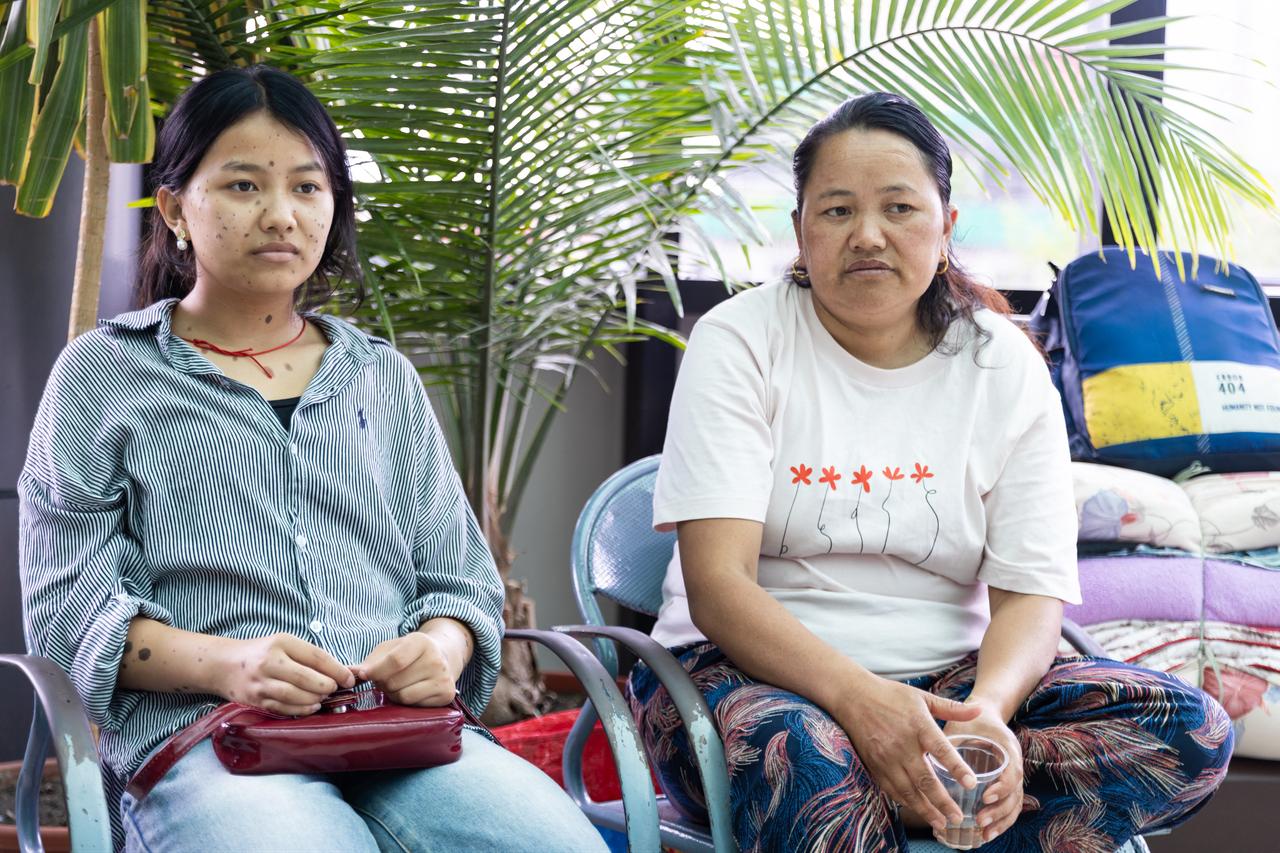

Maya Sherpa, president of the Everest Summiteers Association, said the incident showed clear negligence and must be investigated.
"There was negligence in his case," she told AFP. "An investigation is needed to find out what happened so this does not happen again."
The Nepal Mountaineering Association has officially asked the government to form a committee to investigate why Dawa Sherpa went missing and why it took so long to find him.
Dawa Sherpa told BBC Nepali from his hospital bed on Friday that he fell behind after his oxygen ran out and did not eat for the first two days he was stranded.
"I thought I would die like this. I didn't get lost. When my oxygen ran out, I fell behind. After that, I couldn't walk," he said. He later survived by eating a little ice and a few chocolates and snacks he had in his pockets.
After his rescue, he told people that he had fallen into a crevasse at some point during his ordeal.
This incident has raised concerns about safety standards during what early government figures say was the busiest Everest season ever, with over 1,000 climbers reaching the summit.
The government made over $7 million from climbing permits for Everest this season.
At least five climbers died during the season, including two Indians and three Nepalis.
Dawa Sherpa's survival has brought relief to the mountaineering community.
Still, it has also raised tough questions about the rules governing the tracking of climbers on Everest's most dangerous upper slopes.


 Set as preferred source
 Set as preferred source


 1 min read
 1 min read