Newsletters


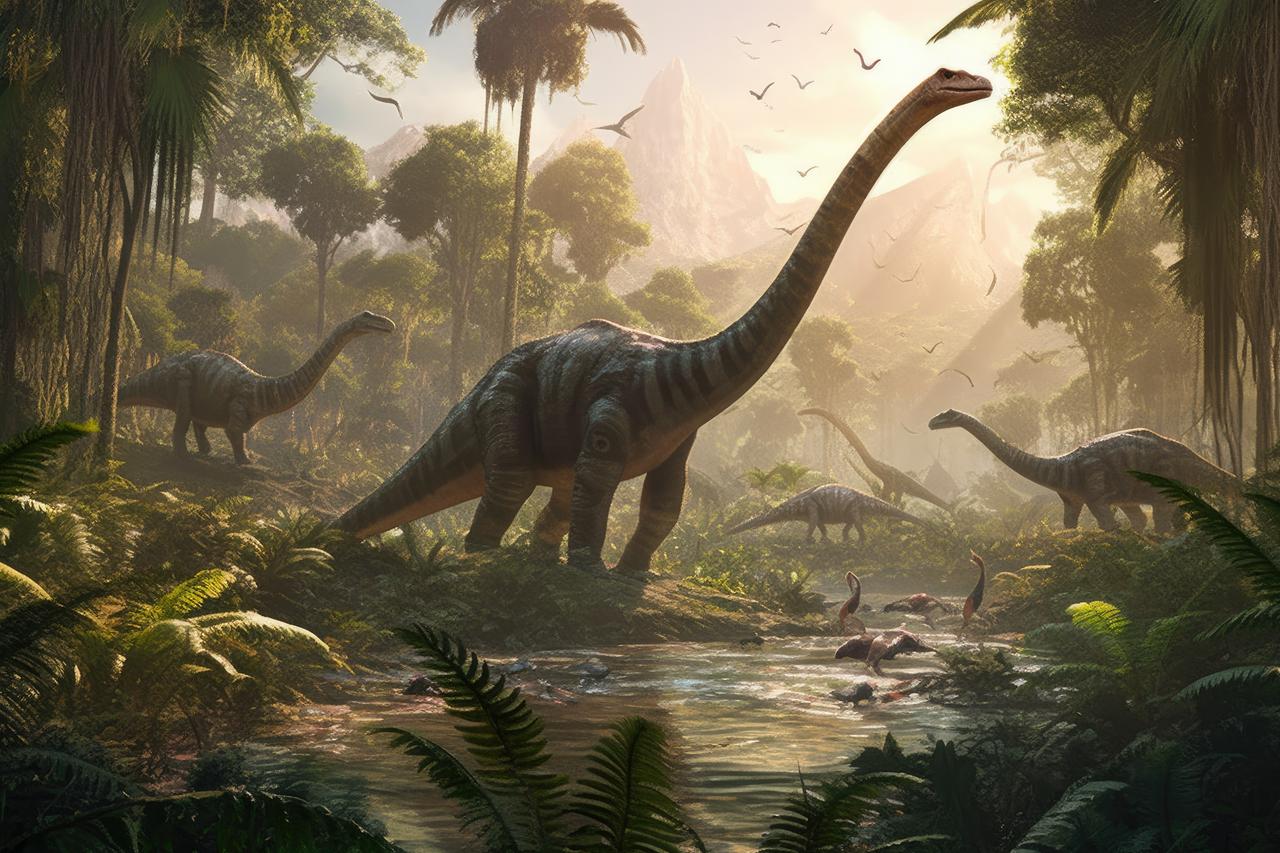


A dinosaur unearthed in an English clay quarry 25 years ago has been identified as an entirely new genus and species, scientists said.
Named Paludohadros proudlovii, the plant-eating dinosaur lived about 125 million years ago, when wetlands covered much of southern England. The name draws on the Latin word for "swamp."
The four-legged herbivore was about 5 meters (16 feet) long and weighed an estimated 1.5 to 2 metric tons, similar to a rhinoceros.
Its bones were not fully developed, so it was likely young when it died and could have grown to twice that size.
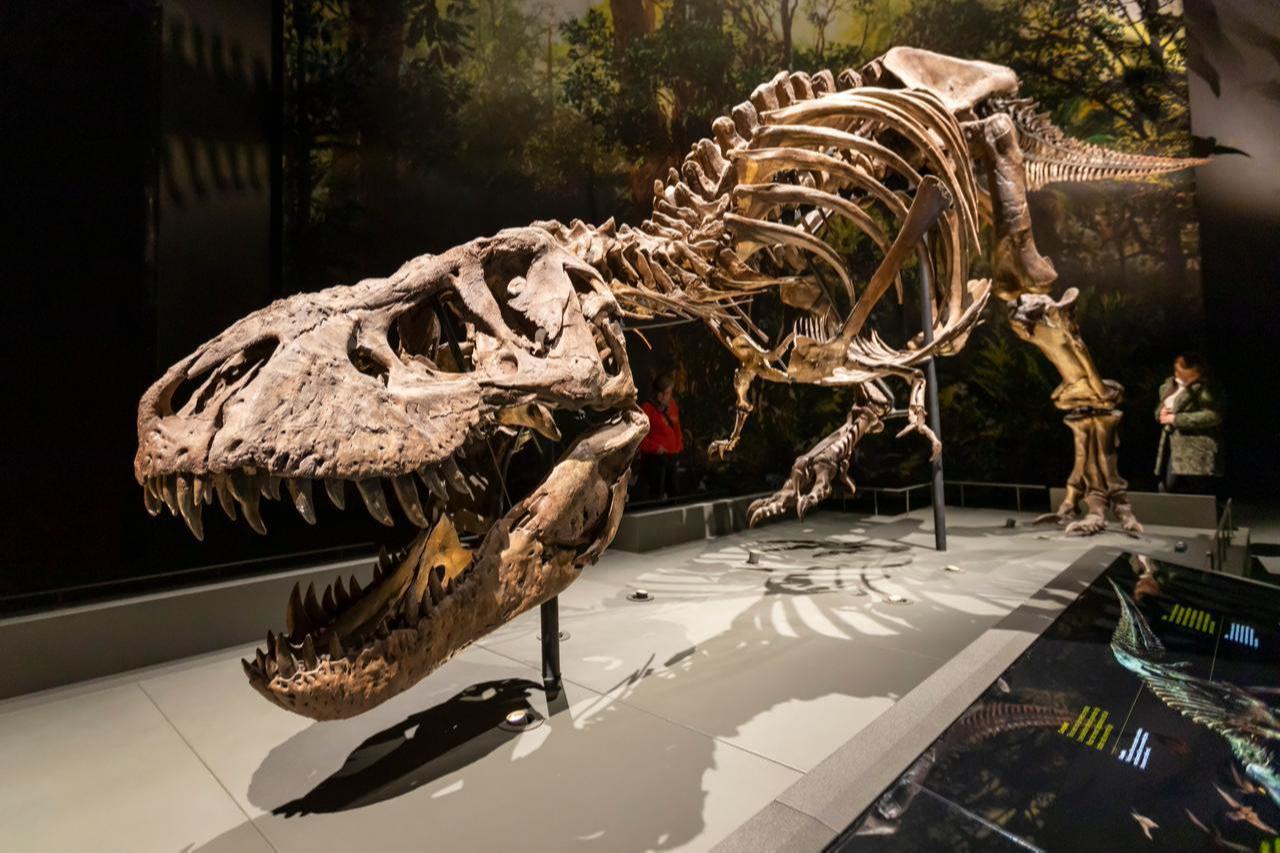

The fossil was found about 100 meters (330 feet) from remains of Baryonyx, a fish-eating carnivore, at the same Surrey quarry.
The stomach contents of Baryonyx include a young iguanodontian, the group Paludohadros belongs to.
"We can’t tell for certain which species this came from, so it’s possible that Baryonyx could have been scavenging on the remains of young Paludohadros or even hunting them when it had the opportunity," said Susannah Maidment of the Natural History Museum, London, a senior author of the study.
The species name honors Will Proudlove, a quarry worker who rose to manager and was fascinated by the fossils the digging exposed. He died at 35, a year before the dinosaur was found.
"We’re absolutely overjoyed and honored that Will’s name and legacy will live on in this dinosaur," said his wife, Rachael Proudlove.
A 2023 museum study of the related dinosaur Mantellisaurus revealed anatomical differences that helped researchers separate several iguanodontian species. Several fossils collected as early as the 1950s have now been reassigned to Paludohadros.
Lead researcher Ricardo Sacamoto, a PhD student at the museum and the University of Sao Paulo, plans to examine the rest of the museum’s iguanodontian collection.
"This could lead to the discovery of more new dinosaur species that haven’t yet been recognized," he said.


 Set as preferred source
 Set as preferred source


 1 min read


 1 min read