Newsletters




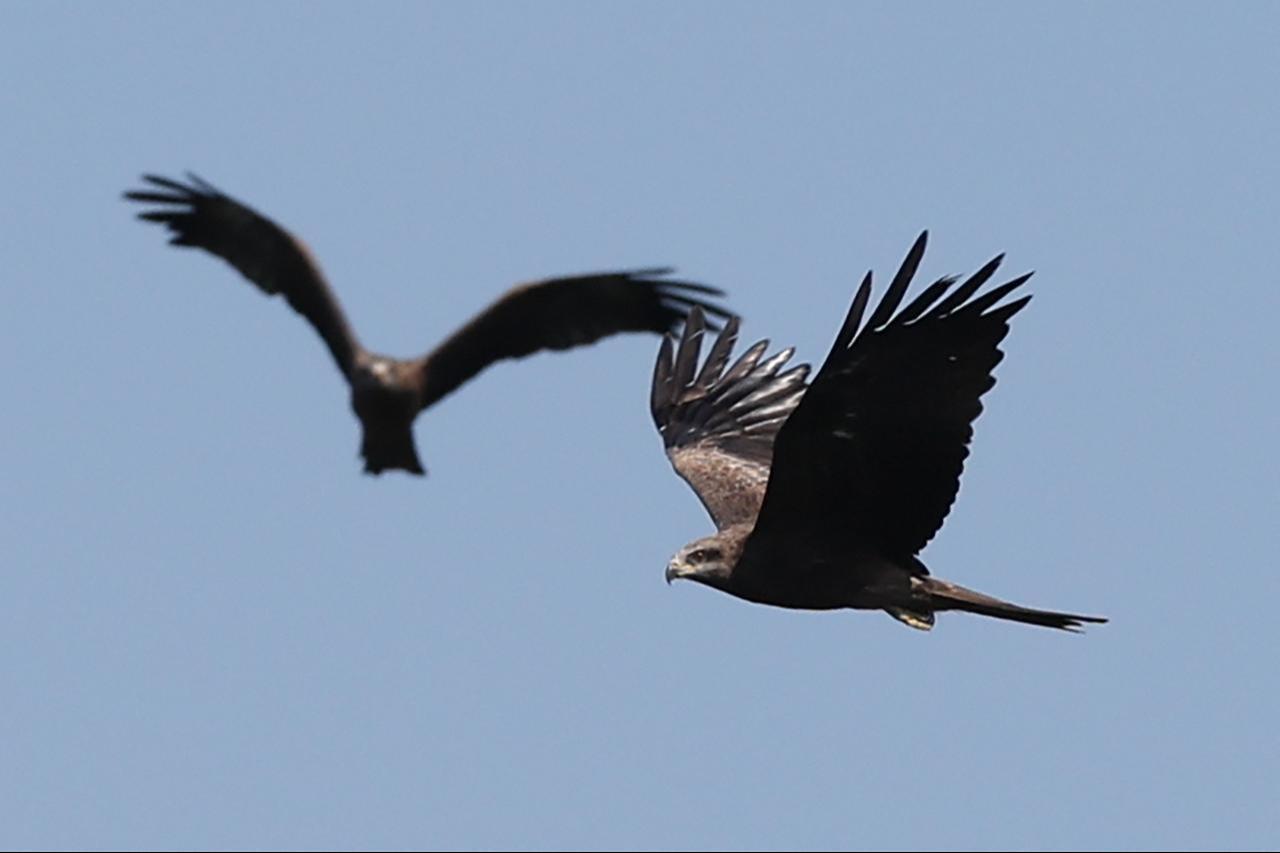
Volunteers with Batumi Raptor Count (BRC) recorded the millionth bird of prey of this autumn’s migration on Sept. 27 above Georgia’s Black Sea coast. The same hills, where illegal hunters shoot thousands of raptors every year, are one of the busiest migration routes in the world.
BRC co-chair Bart Hoekstra, a 34-year-old ornithologist from Utrecht University in the Netherlands, said the area ranks third worldwide for raptor migration. “Wherever you put your binoculars in the sky, there are birds,” he said.
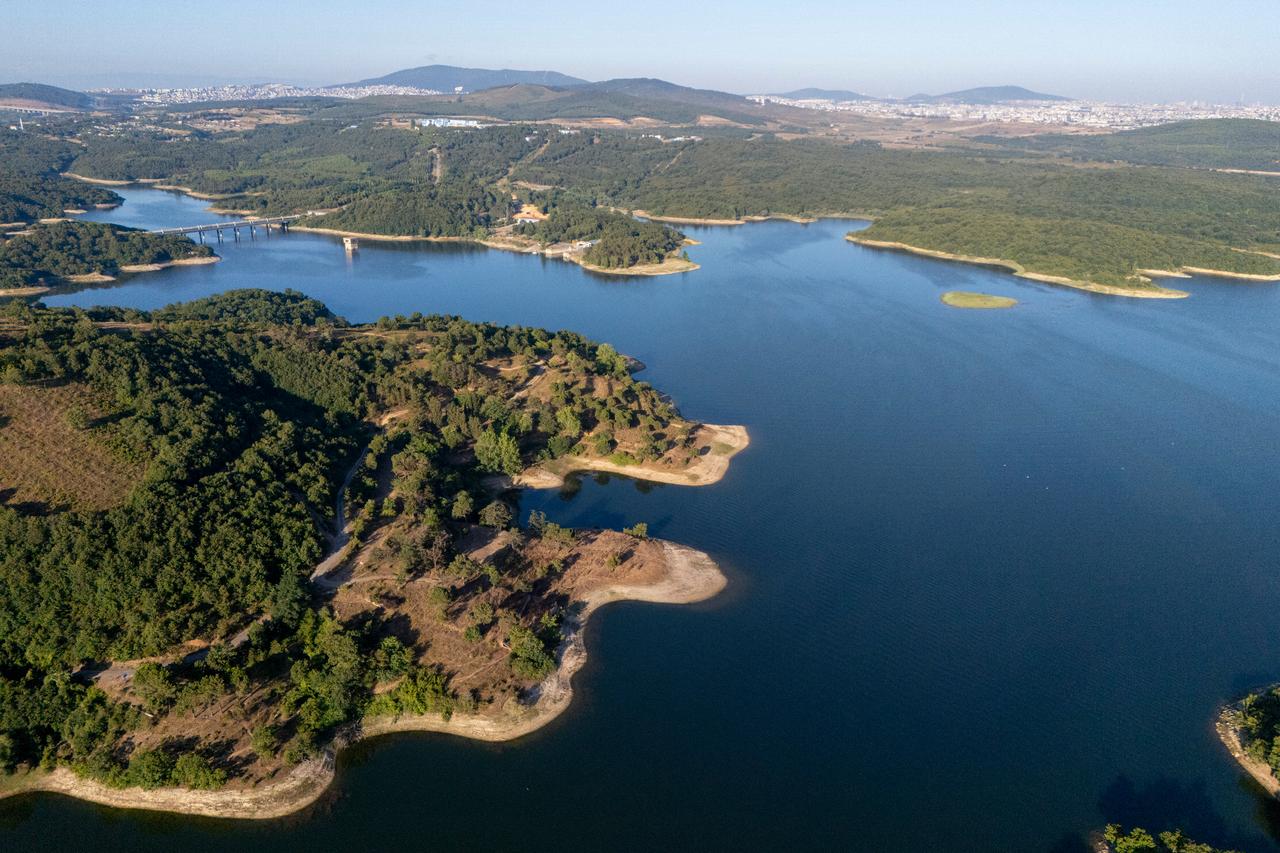
The count takes place around Batumi, a resort city in southwestern Georgia, in the South Caucasus. Batumi lies roughly 20 kilometers from the Türkiye border.
Known as the “Batumi bottleneck,” the route funnels raptors from Russia, Eastern Europe and Kazakhstan southward, as most head for Africa after breeding.
The birds save energy by circling in warm air rising over land and avoiding crossing the sea. Clouds over the Caucasus mountains can push them into a narrow corridor above the coast.
Honey buzzards dominate the early autumn passage. Black kites, steppe buzzards and lesser spotted eagles follow in growing numbers.

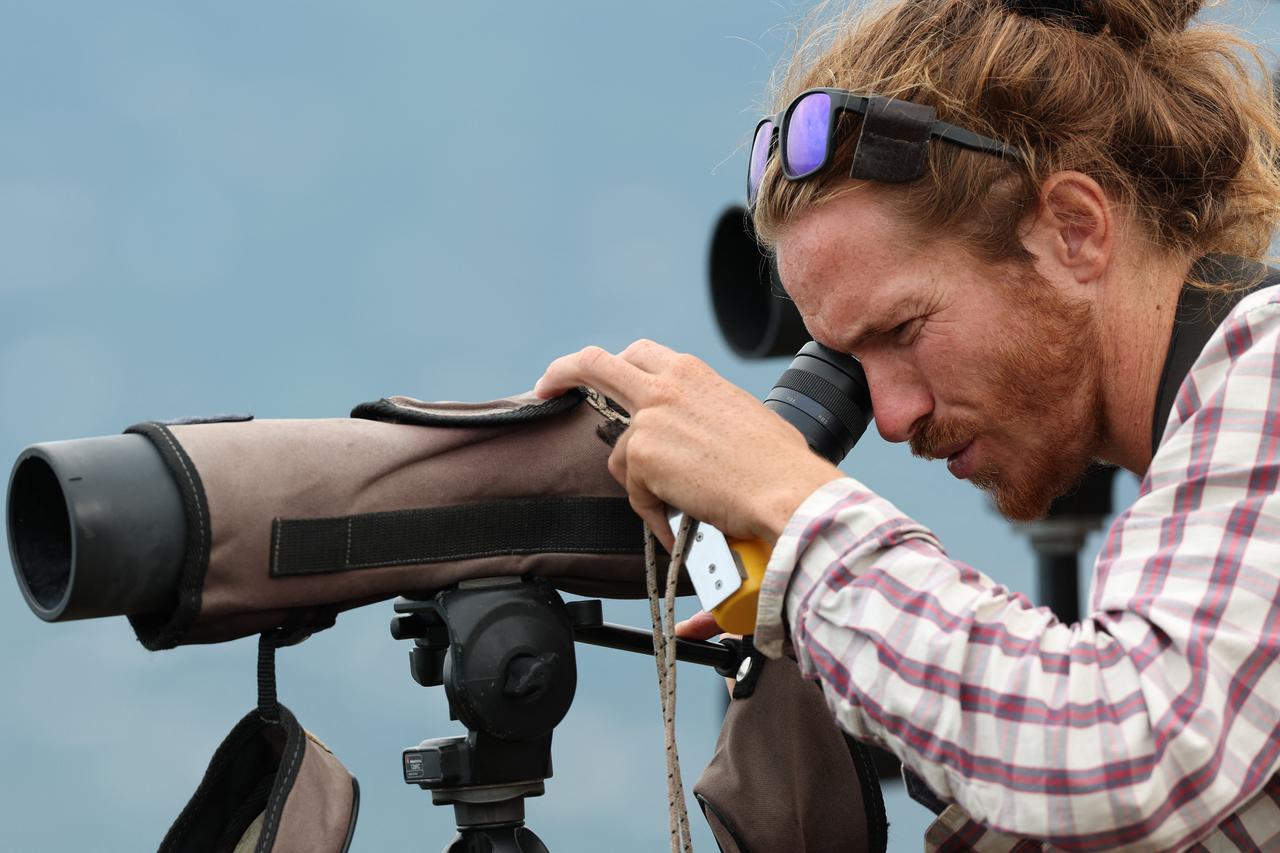
BRC volunteers work from stations at Sakhalvasho, a village above Batumi, and at nearby Shuamta, deeper in the hills. They start at sunrise and scan the sky with binoculars and telescopes. Each time a bird crosses an imaginary line, a volunteer clicks a handheld counter.
Coordinators divide the passing streams into sections, each watched by different observers, to avoid double-counting. Iranian coordinator Mitra Daneshvar counted the season’s millionth raptor.
Records gathered since 2008 have helped researchers follow different bird populations across breeding grounds where other counts are difficult.

As Hoekstra spoke about the migration, rifle shots rang out across the steep, forested slopes around Batumi.
About 9,000 raptors are shot each autumn, according to a 2013 University of Antwerp study, which remains the latest reliable estimate. Harriers are especially vulnerable because they often fly low.
“It’s horrifying, honestly, it’s really heartbreaking every time you hear the shots, and you never get used to it,” said Daneshvar. Hoekstra said witnessing the loss of rare species is the hardest. “And there’s nothing you can do about it,” he said.
Georgia’s Environmental Supervision Department recorded 39 hunting violations in the region during the first month of this year’s season. It did not specify how many involved raptors.
The department says it patrols around the clock against illegal hunting, but Hoekstra said policing is difficult in the rugged terrain.
Hunters approached by AFP declined to speak about the practice. Hoekstra said shooting has declined near the counting stations but may have moved to areas the project does not monitor.
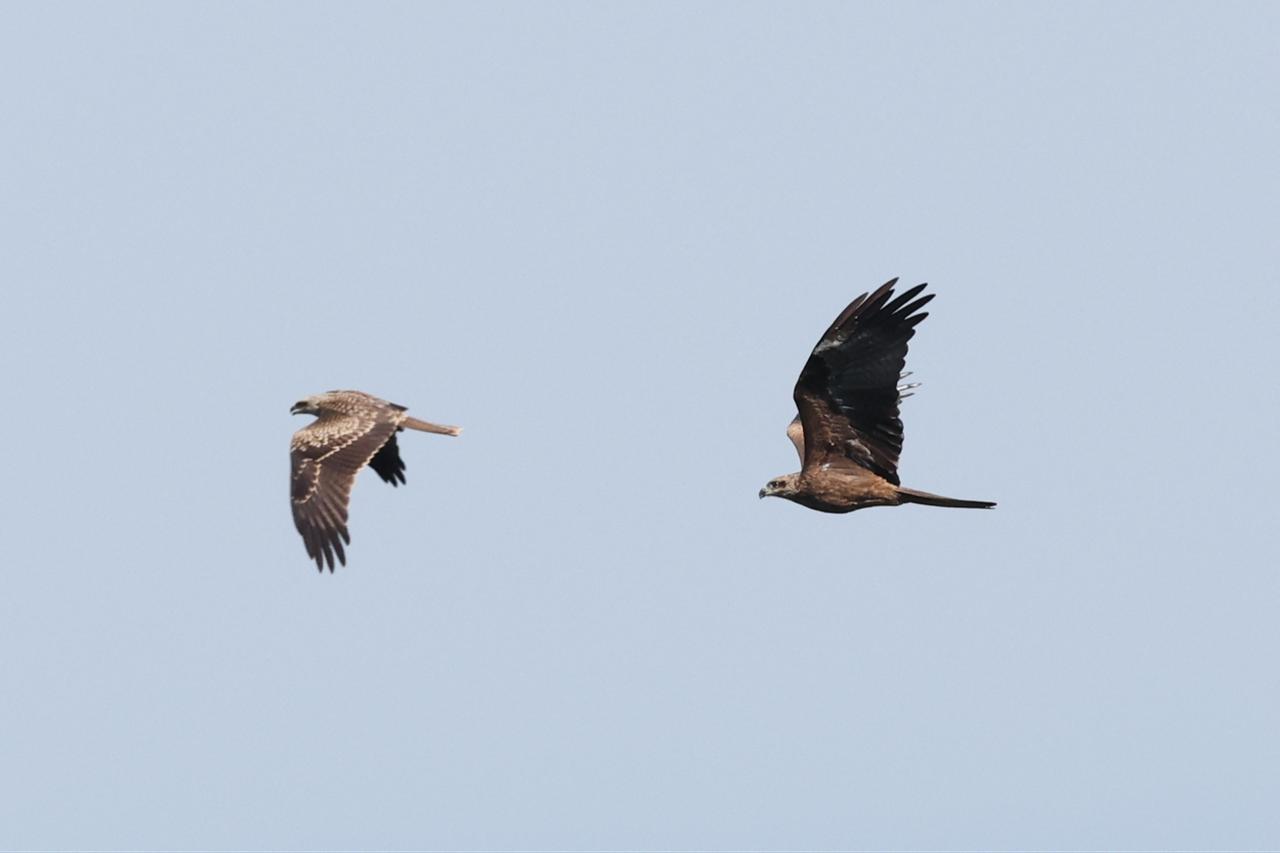
The migration draws visitors to poor, rural villages in the area, and volunteers hope this tourism can help curb illegal hunting. Guesthouses in Sakhalvasho and Shuamta host birdwatchers, giving local families an economic reason to protect the birds.
Ruslan Lomadze, a 45-year-old guesthouse owner in Sakhalvasho who hosts BRC participants, said the visitors have “changed life” in his community.
“There is no other real source of income here,” he said. “Without birdwatching tourism, guesthouses and family hotels would close.”
Lomadze described hunting as an inherited tradition and said some birdwatchers stay away because they cannot bear to see birds killed. “Now there is less of it, and ecotourism has had an impact,” he said.

Birdwatchers now occupy sites once used by hunters, but Hoekstra said he fears the hunters could return if funding dries up.
This year, an anonymous donation of 15,000 euros ($17,000) saved the autumn count after fundraising stalled.
Hoekstra called on international organizations and large donors to recognize the value of what he described as an “incredibly efficient” monitoring style.
Daneshvar said the birds have followed the route long before the volunteers watched it. “They’ve been doing it long before we came here and they will do that long after we are gone,” she said.


 Set as preferred source
 Set as preferred source



 2 min read