Newsletters


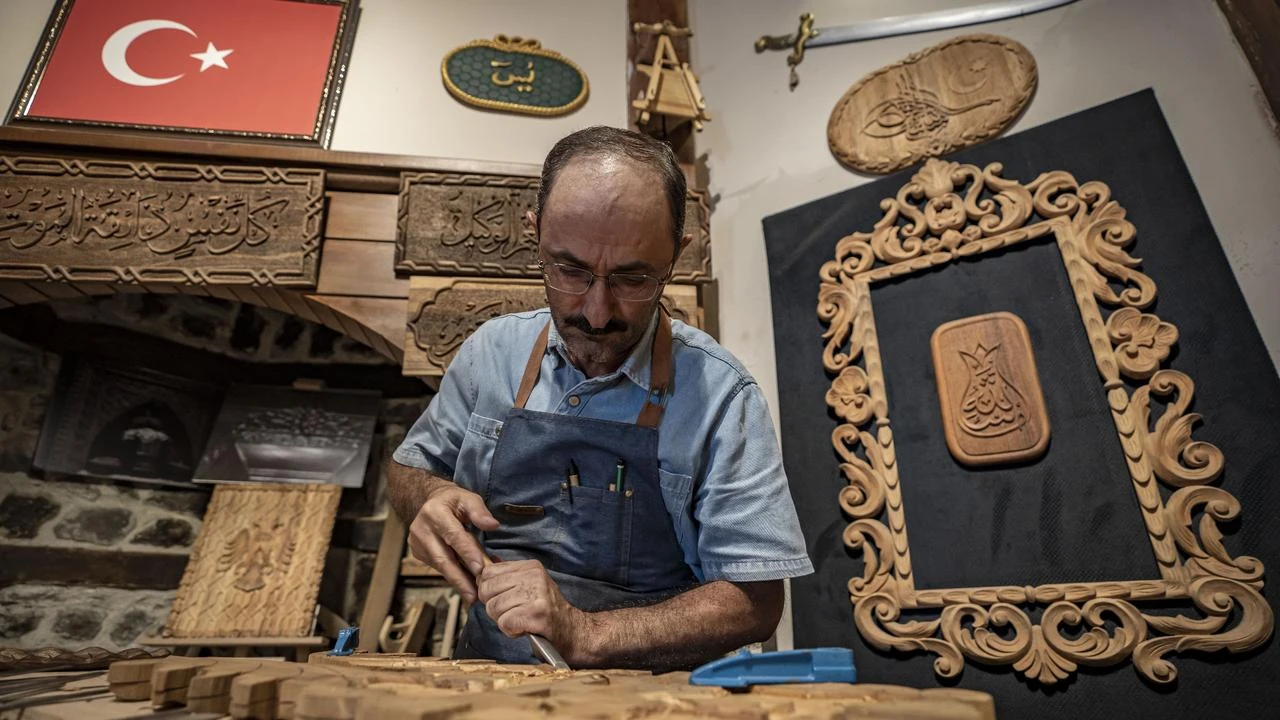
In a historic mansion beside Erzurum Castle in eastern Türkiye, Yavuz Kirkuzer, 56, carves wood using techniques passed down for generations.
Recognized by the Ministry of Culture and Tourism as an Intangible Cultural Heritage Carrier, he has practiced the craft for 43 years and says he aims to pass it to younger generations.
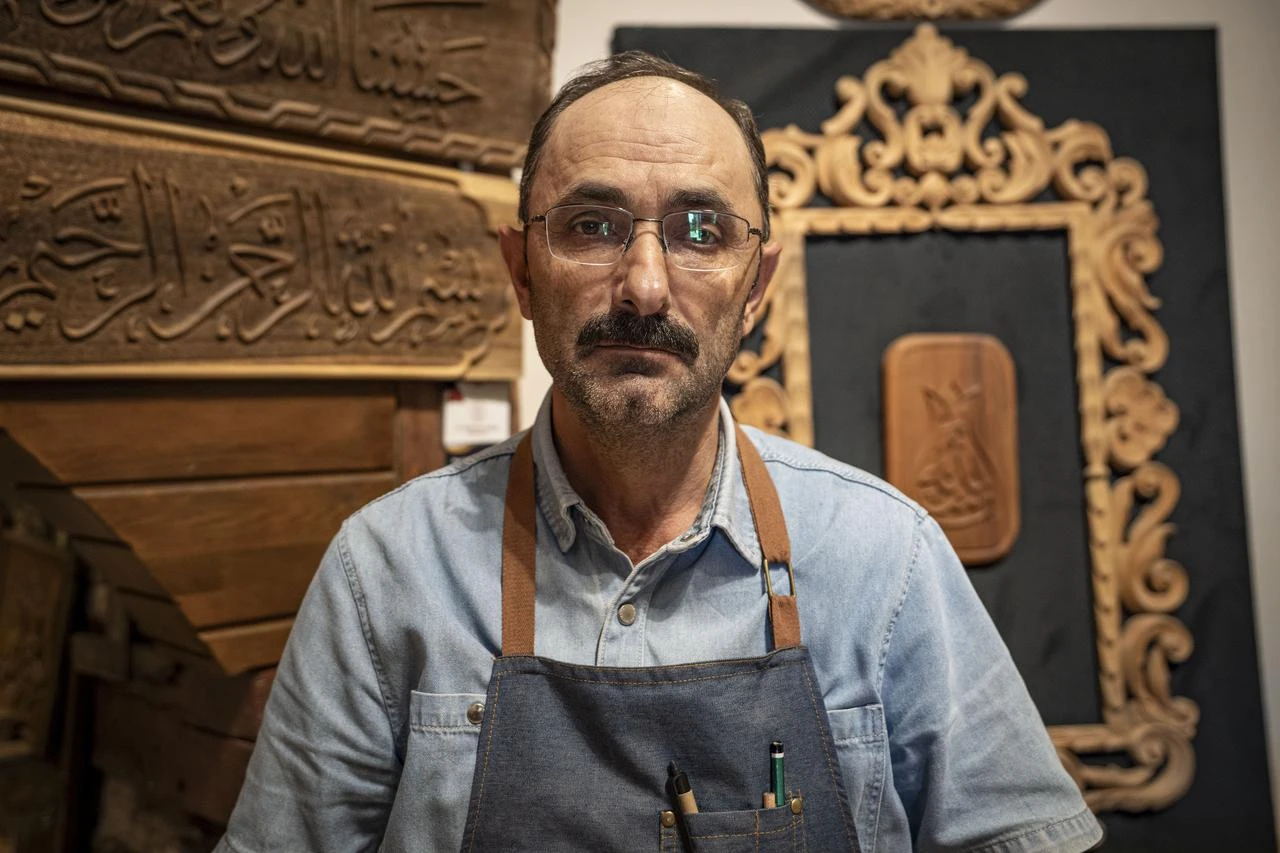
Kirkuzer's connection to wood carving began in childhood, when he played in workshops in Erzurum. At 13, he became an apprentice under a master craftsman, entering a trade that, at the time, families commonly steered their children toward due to limited economic opportunities elsewhere.
During his apprenticeship, children were often placed with masters in trades such as tailoring, barbering or furniture making.
Kirkuzer recalls that economic circumstances meant few children pursued other paths, and families actively guided them toward learning a craft.

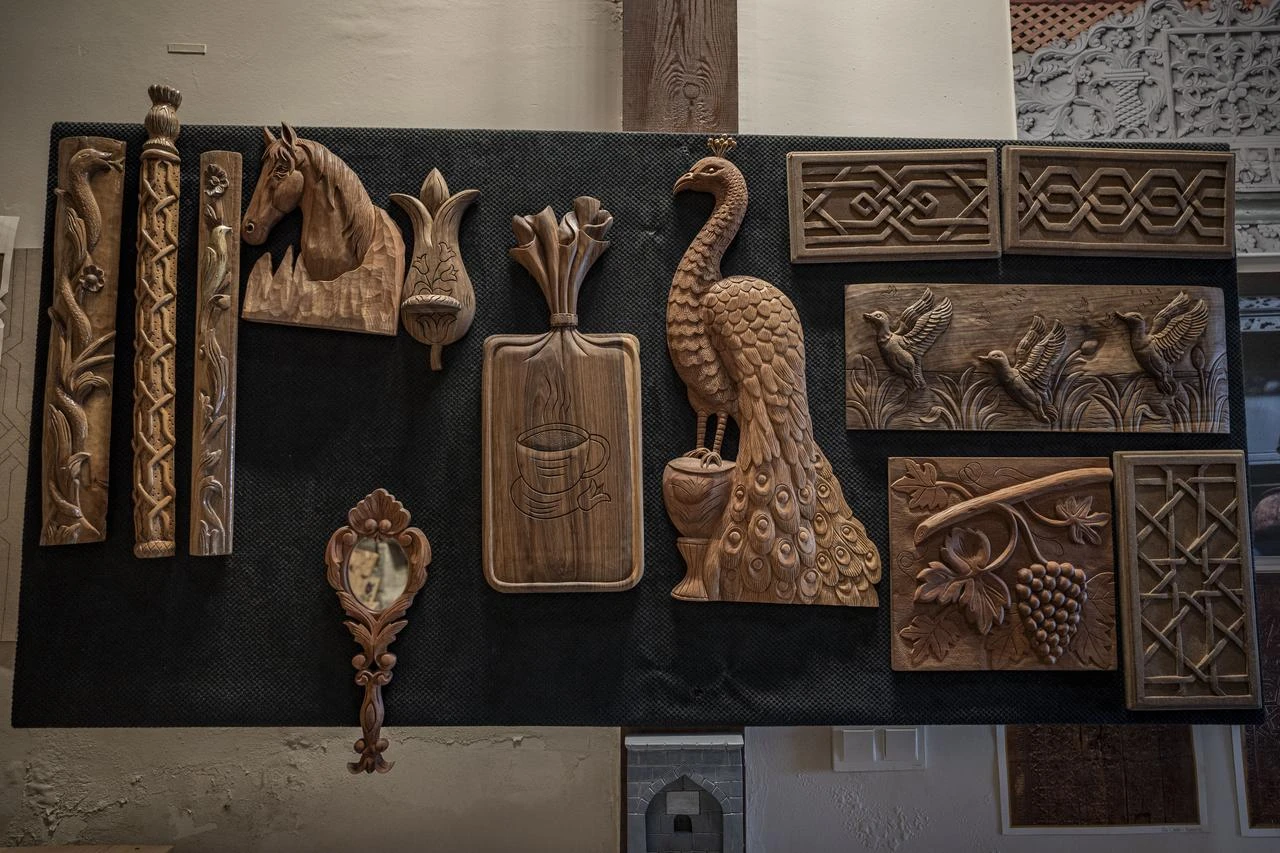
Over 43 years, Kirkuzer has carved thousands of pieces by hand, working the wood in fine, repeated strokes.
The technique, passed from master to apprentice, requires the use of both hands and, according to Kirkuzer, demands patience throughout the process.
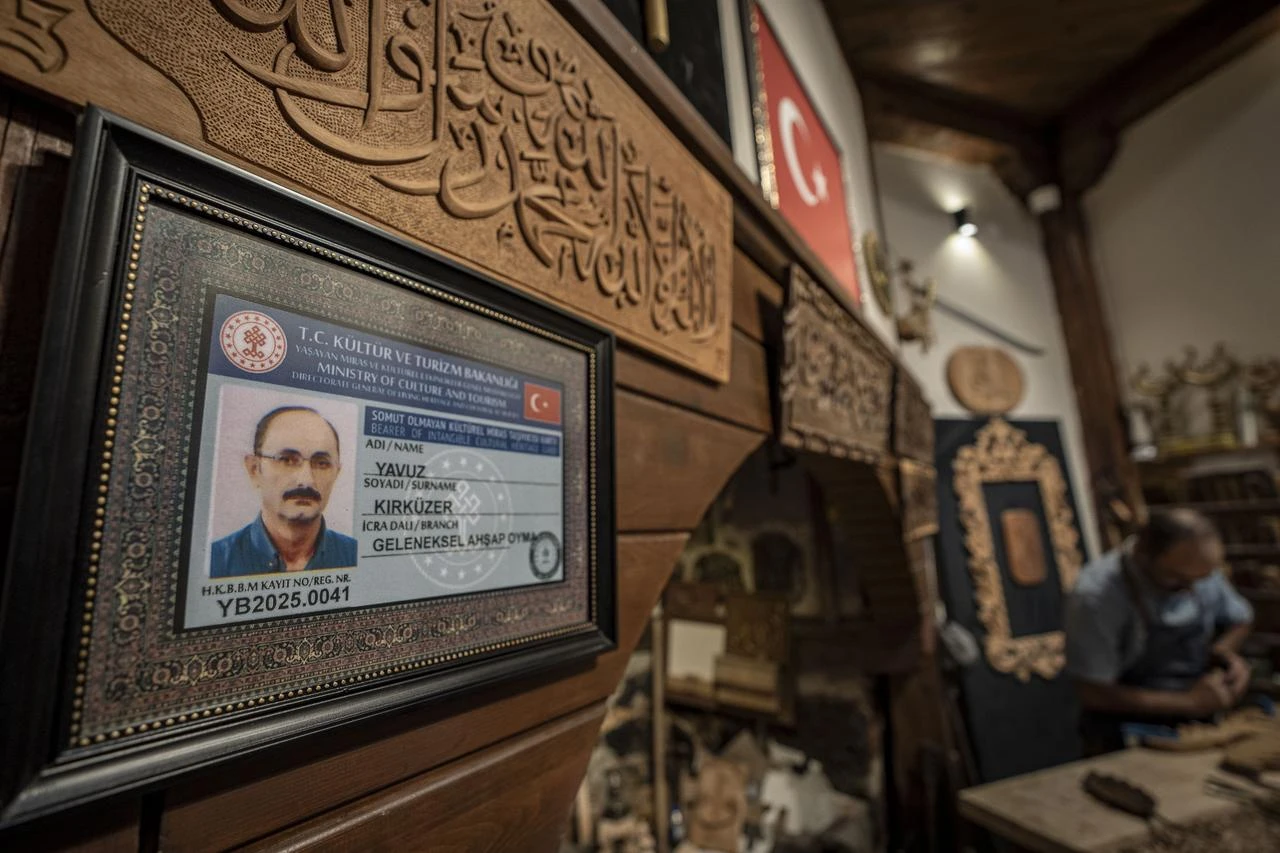
Wood carving historically adorned traditional Erzurum houses, decorating ceilings, shelves and room doors.
Kirkuzer's masters, and their masters before them, applied the technique to these architectural details before it extended to furniture such as sofas and dowry chests.
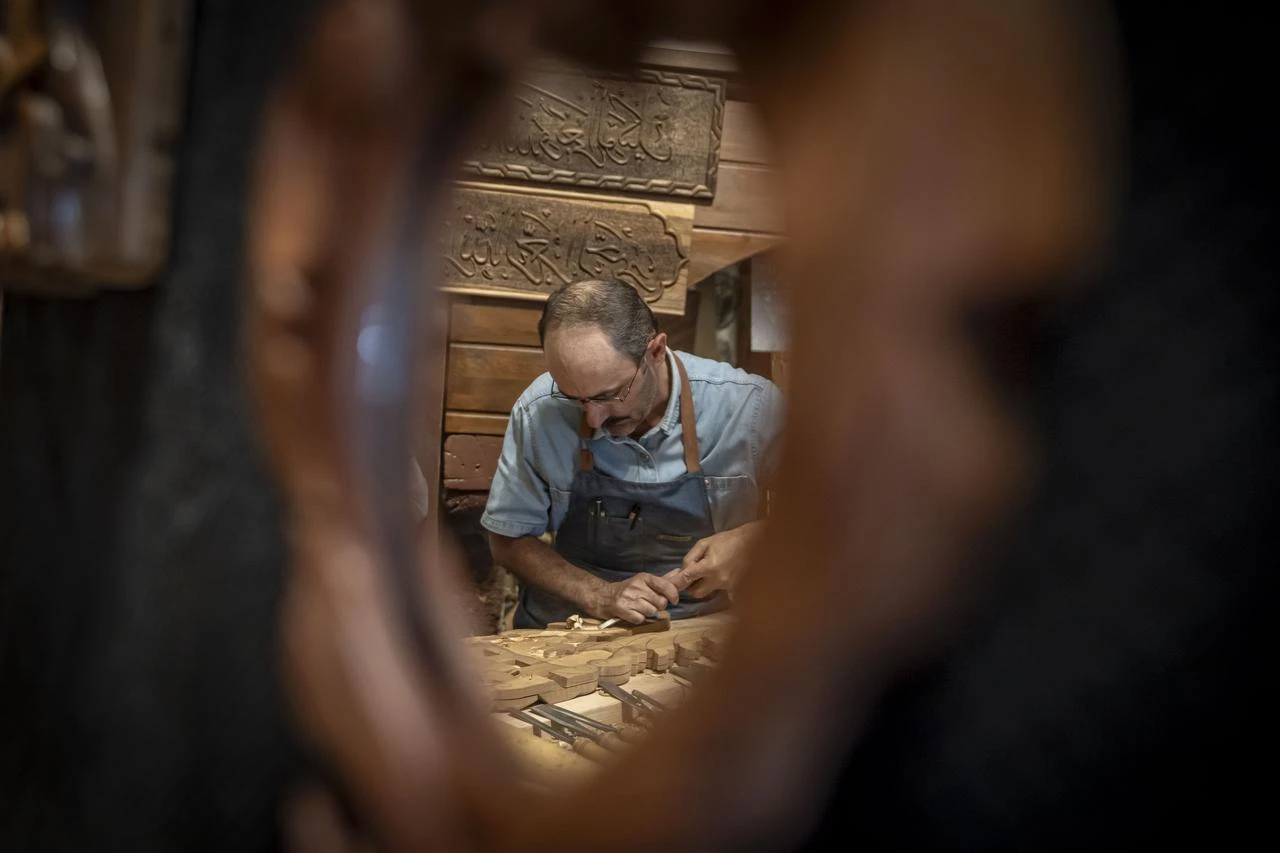
Among the works Kirkuzer has produced are minbers, the pulpits used in mosques, some of which took four to five months to complete depending on the complexity of the carving involved.
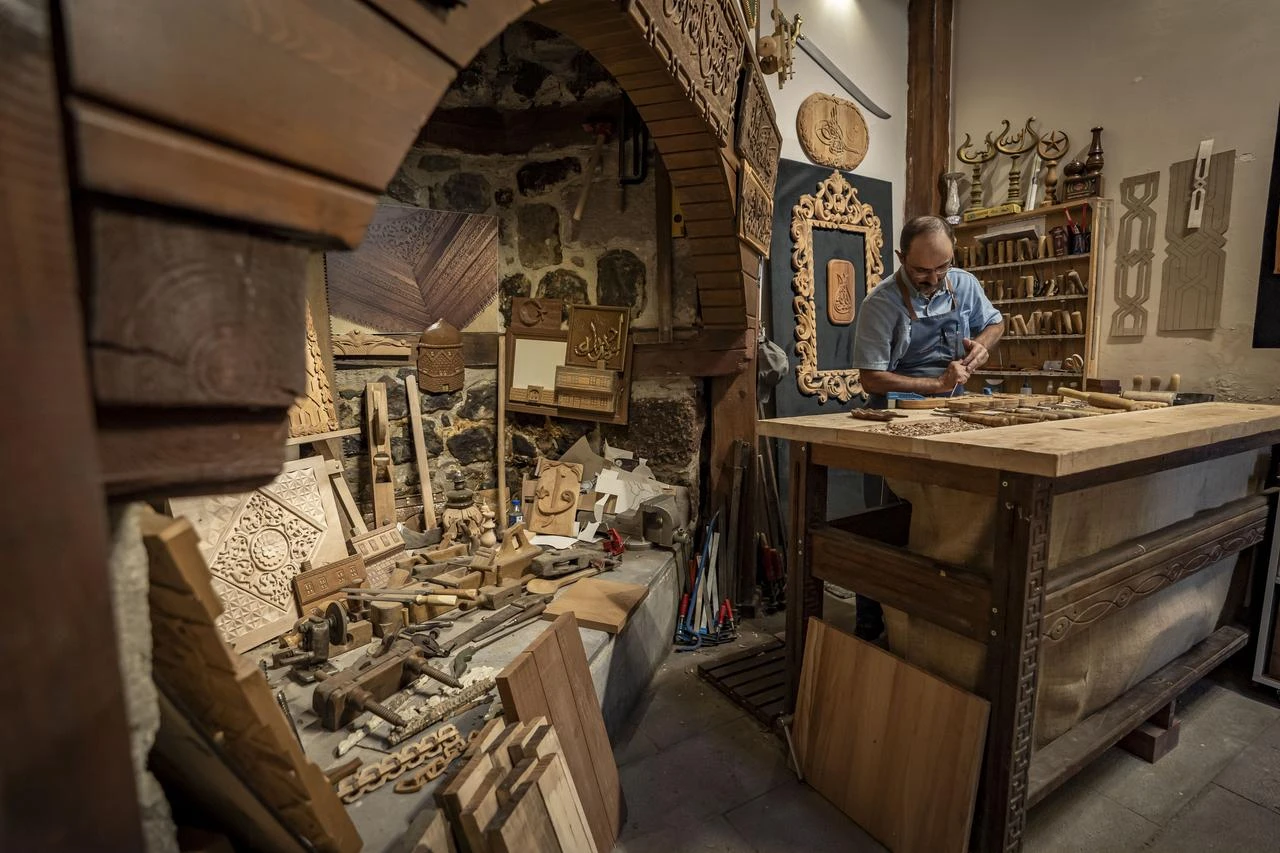
As furniture styles have shifted, demand for carved sofas and console tables has declined, Kirkuzer said.
Dowry chests remain one of the few items still commonly requested, while most current work is produced as decorative accessories rather than functional furniture.
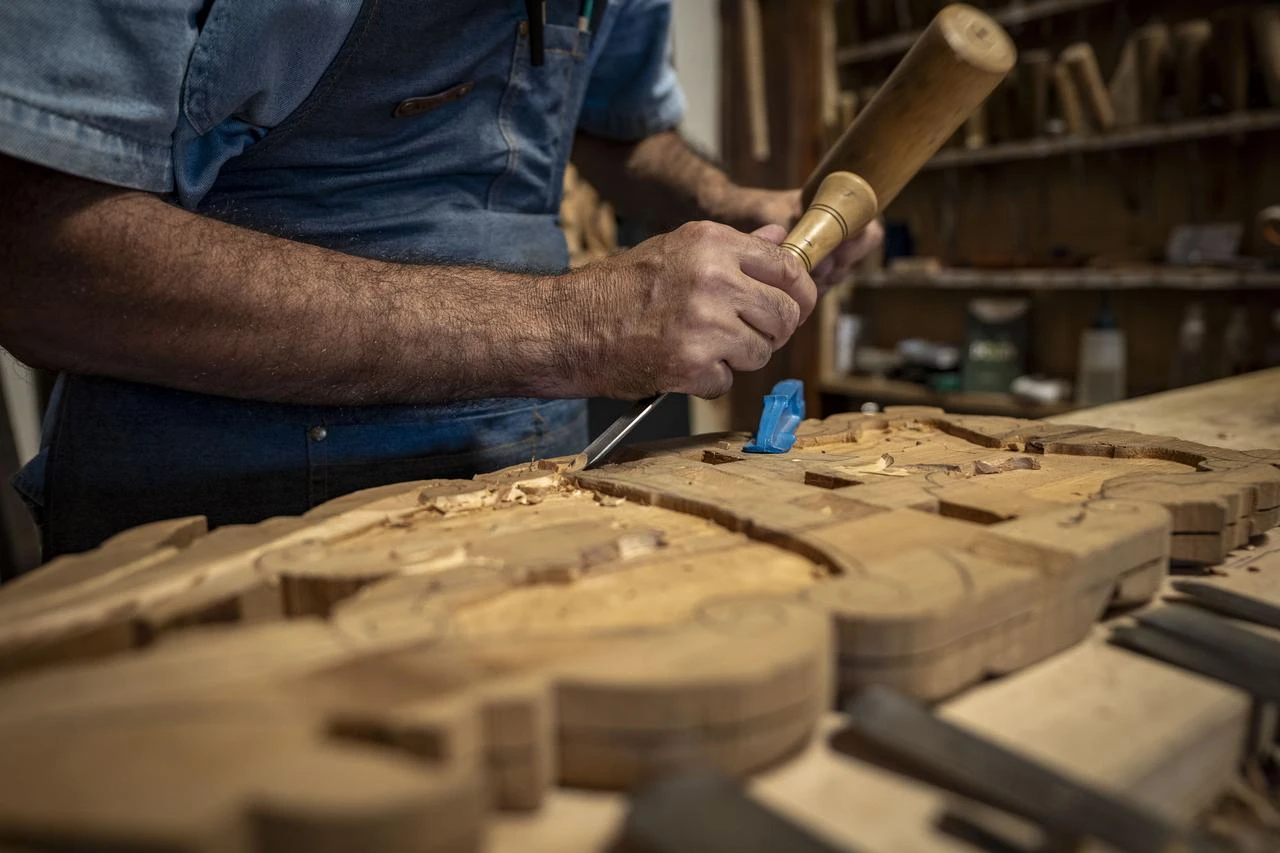
Kirkuzer now carries out his work in a workshop inside a mansion belonging to the Erzurum Metropolitan Municipality, located next to the historic Erzurum Castle. The municipality allocated the space to support the continuation of the craft.
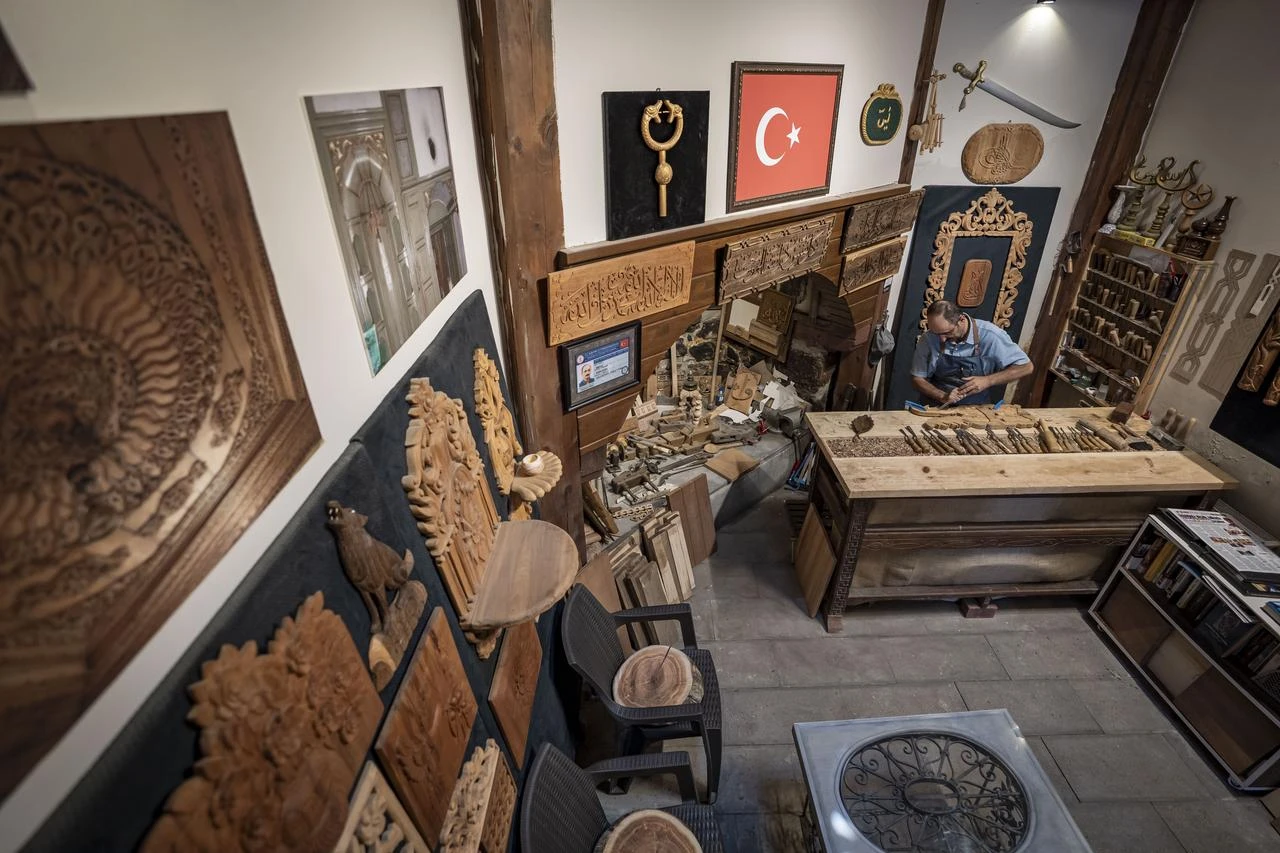
The Ministry of Culture and Tourism designated Kirkuzer an Intangible Cultural Heritage Carrier, a title he said serves as encouragement and support for the craft's survival. He noted that public recognition has contributed to growing interest in wood carving.
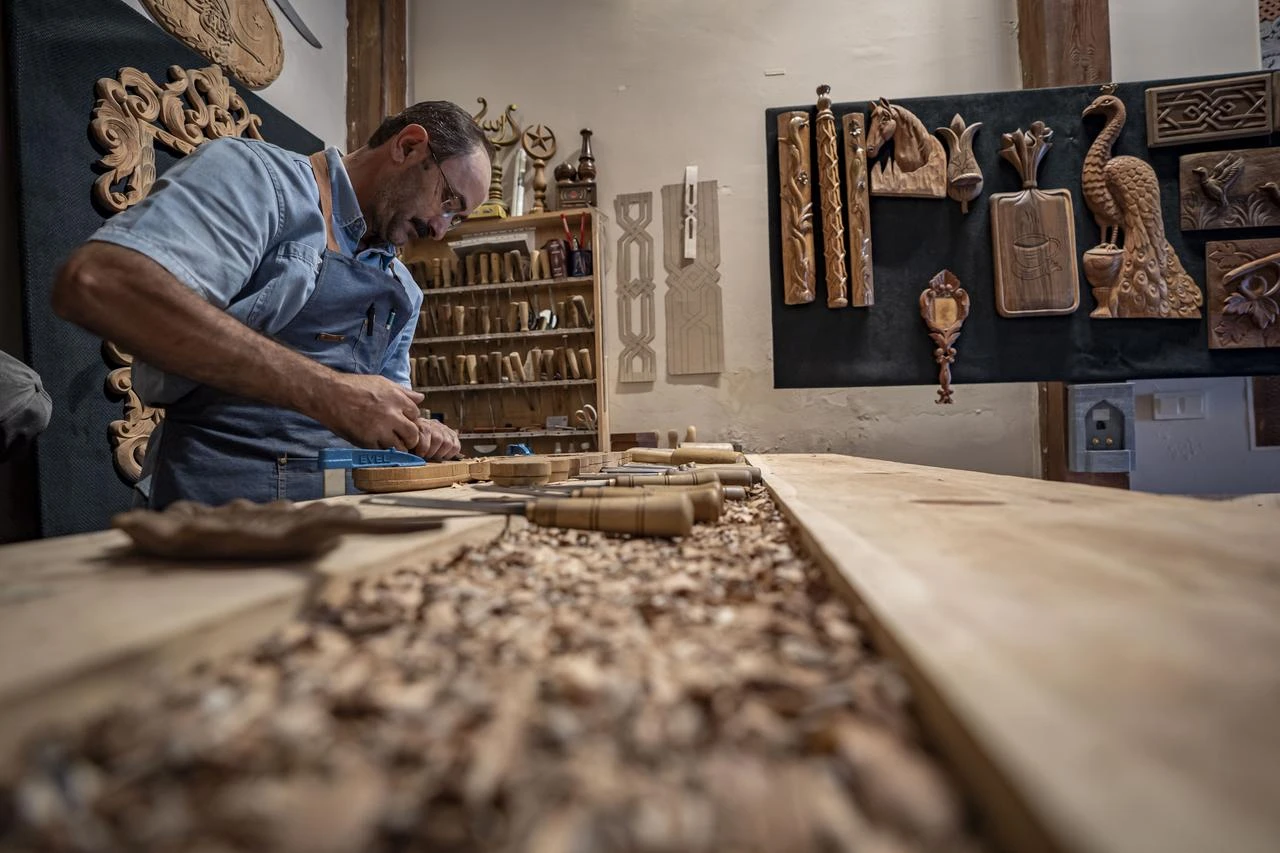
To promote traditional wood carving, Kirkuzer has taken part in numerous cultural festivals aimed at introducing the craft to wider audiences and encouraging its continued practice beyond his own workshop.
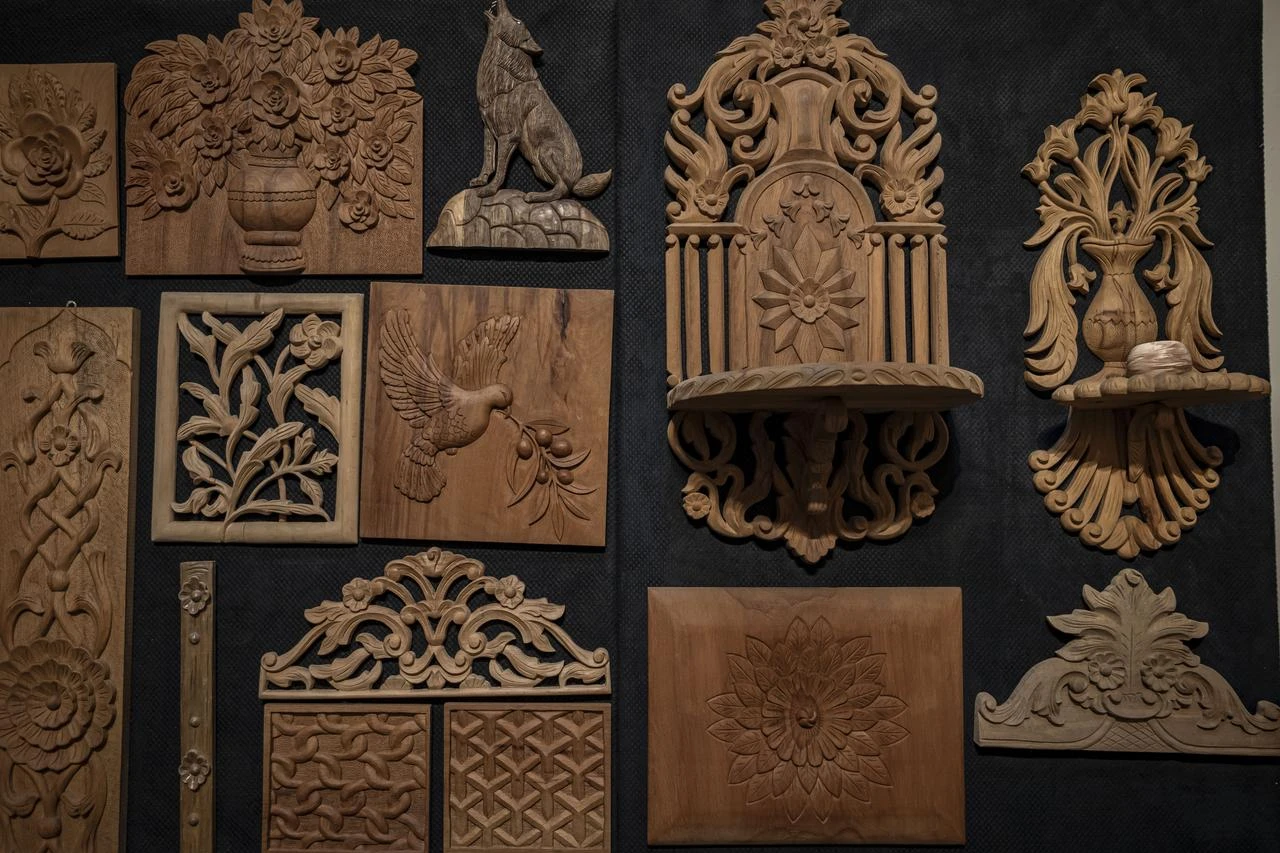
Kirkuzer said he hopes to pass on the craft entrusted to him by his own masters to younger generations. He encourages young people to engage with art, describing the transfer of skills as central to the tradition's survival.
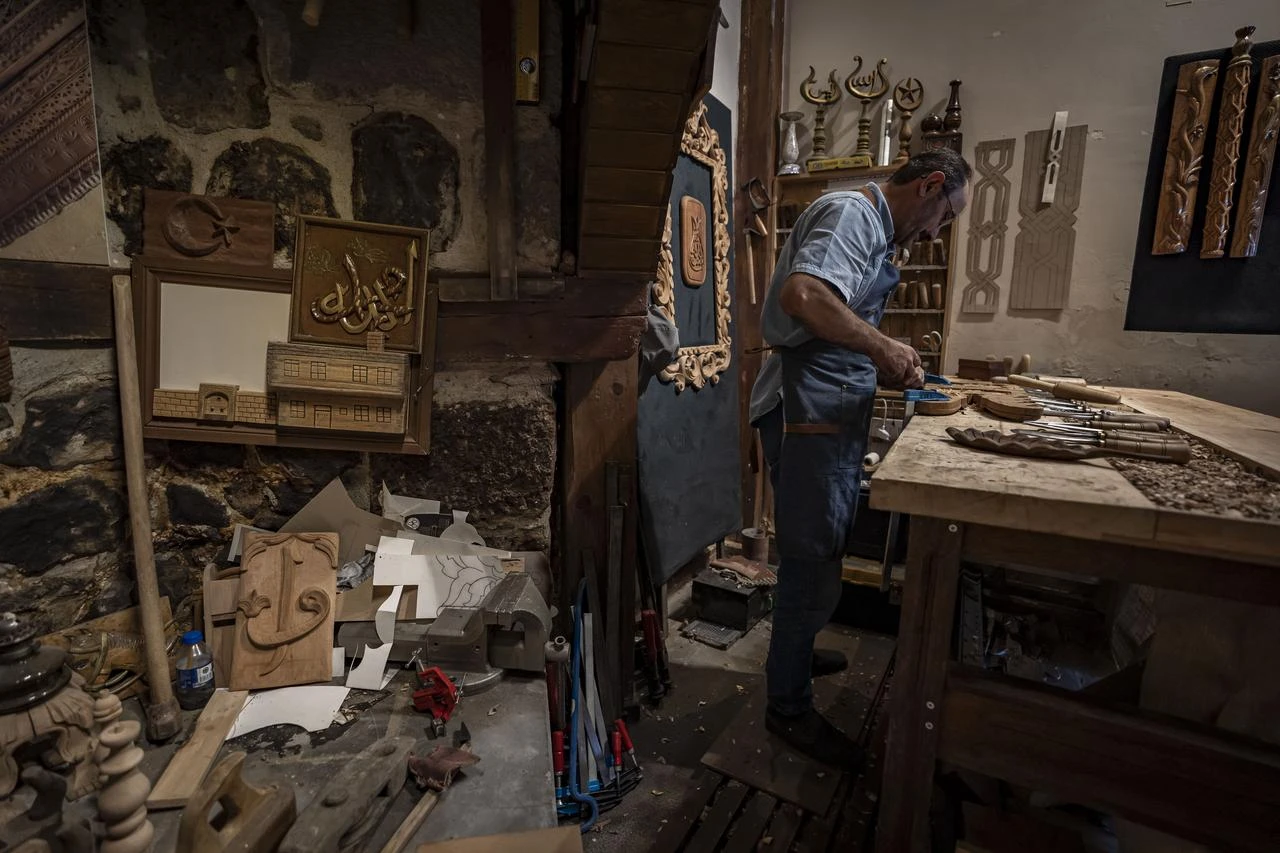
Kirkuzer said that as long as his hands remain capable, he will continue working to carry the craft into the new century, adding that the tools used in his workshop will continue producing new pieces after him.


 Set as preferred source


 1 min read