Newsletters


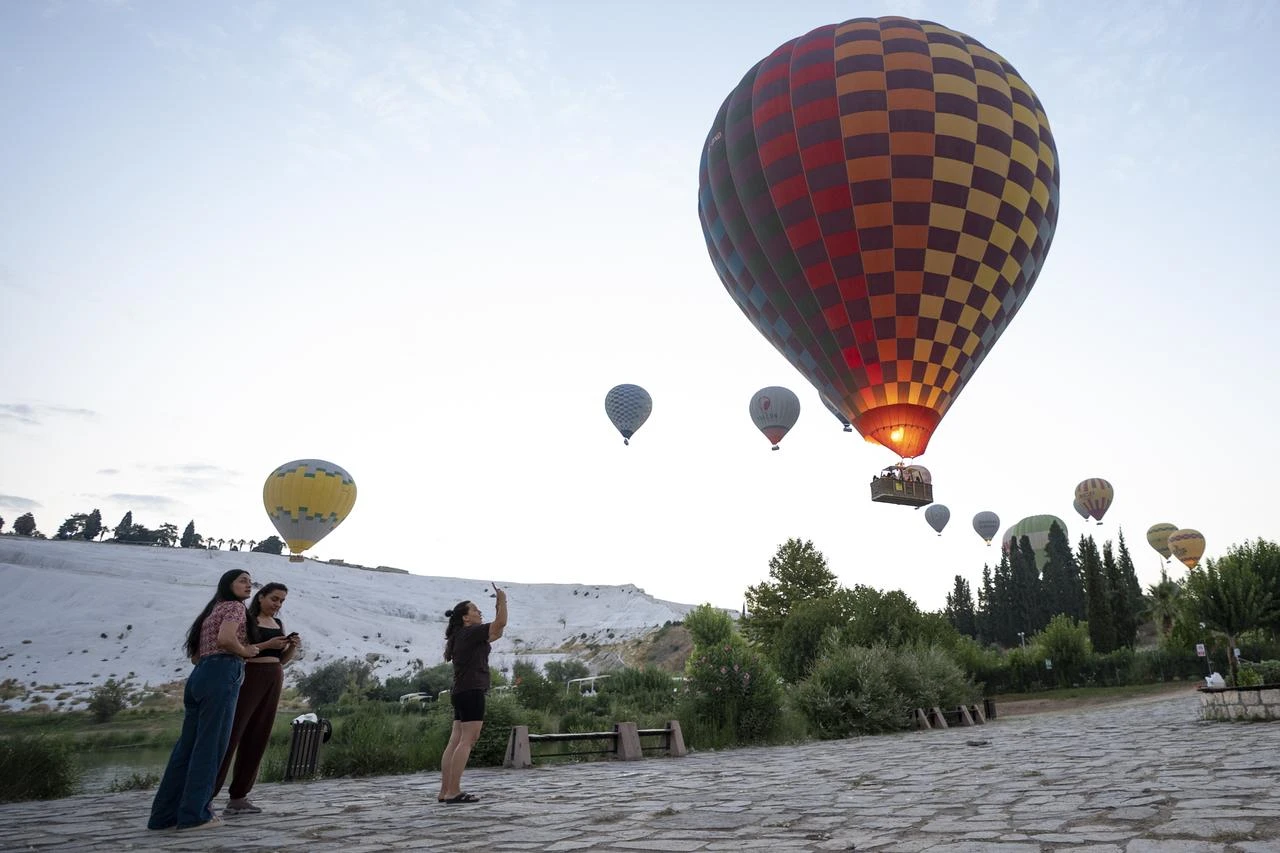


Pamukkale, one of Türkiye's UNESCO World Heritage destinations, is extending the visitor experience across the day with sunrise hot-air balloon flights, thermal swimming among ancient remains, and nighttime access to the ancient city of Hierapolis.
The Denizli attraction, known for its white travertine terraces and the ruins of Hierapolis, welcomed 1.114 million visitors in the first seven months of the year, according to Turan Koseoglu, head of the Pamukkale Regional Executive Board of the Association of Turkish Travel Agencies (TURSAB).
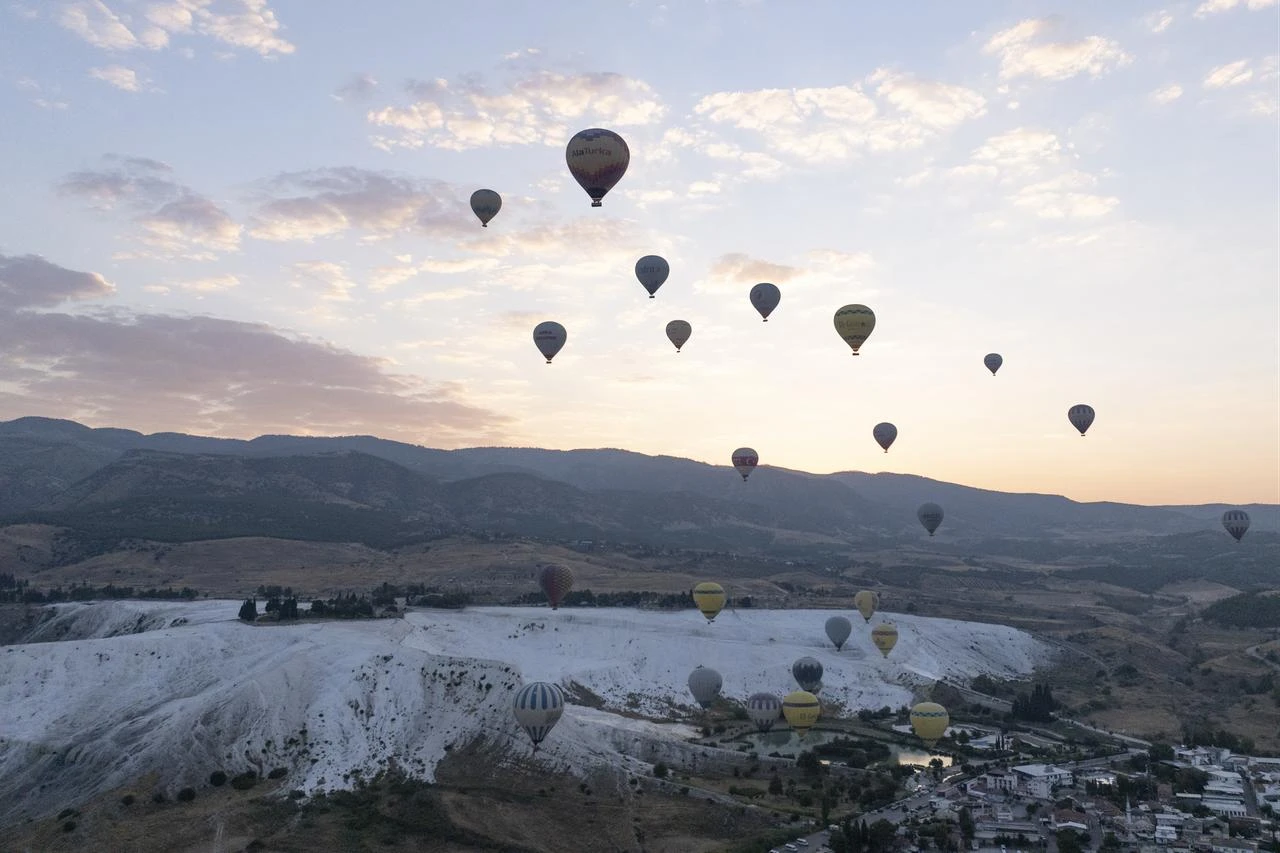

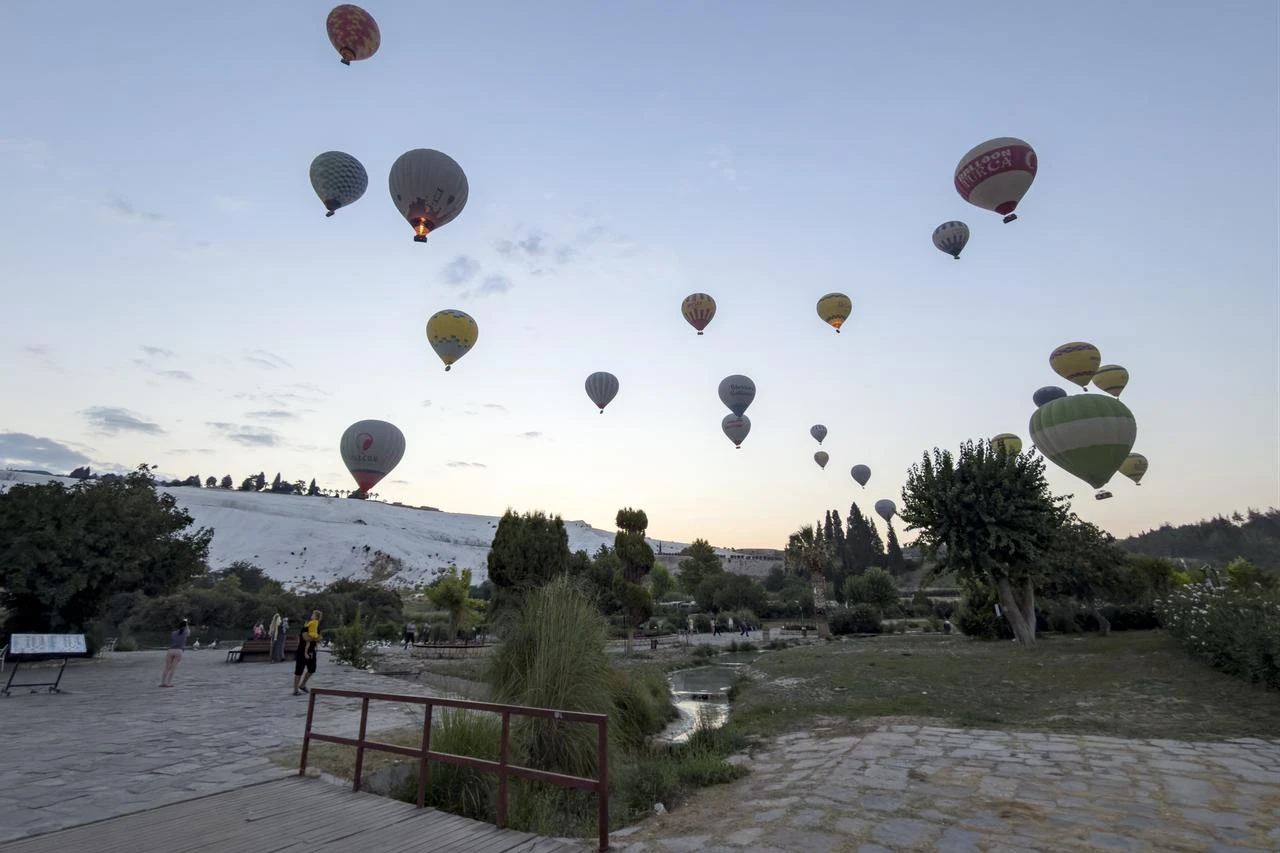
Tourism activity starts early in Pamukkale, where visitors can take off in hot-air balloons around sunrise and look down over both the travertine formations and Hierapolis.
The scenery created by the first light of the day has helped draw interest to the flights, while Koseoglu said balloon tours allow visitors to take in Pamukkale from a different perspective.
He also pointed to a noticeable rise in the number of tourists arriving from Far Eastern markets.
At Hierapolis, the ancient pool offers visitors the chance to swim in thermal water among columns and fragments of marble, combining the site's archaeological setting with a thermal experience.
Koseoglu said the pool's water remains at around 36 degrees Celsius throughout the year and that domestic interest picked up sharply after restoration and improvement work allowed the facility to return to full-capacity operation.
He also said photographs shared by tourists on social media were helping to raise Pamukkale's visibility.
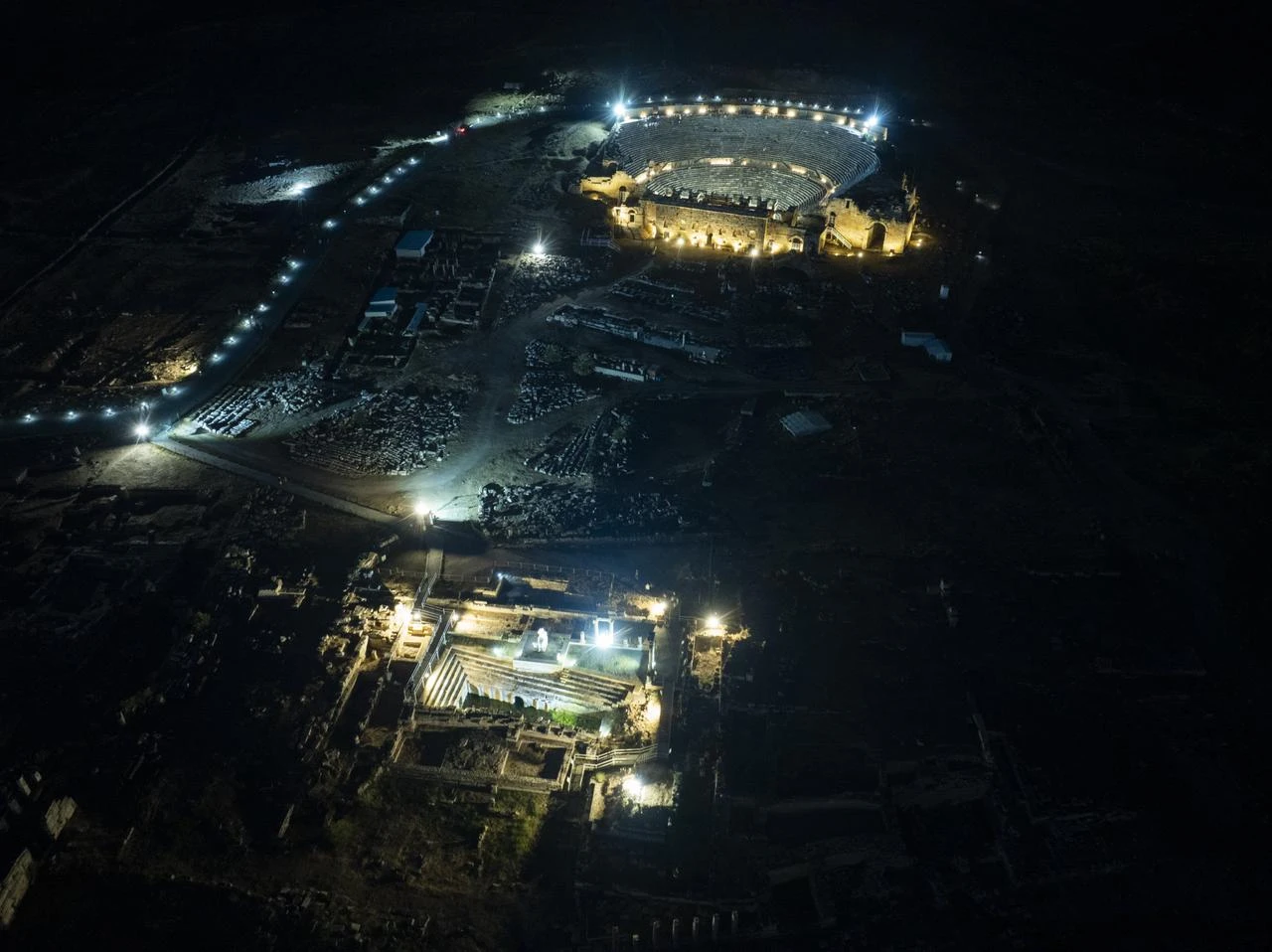
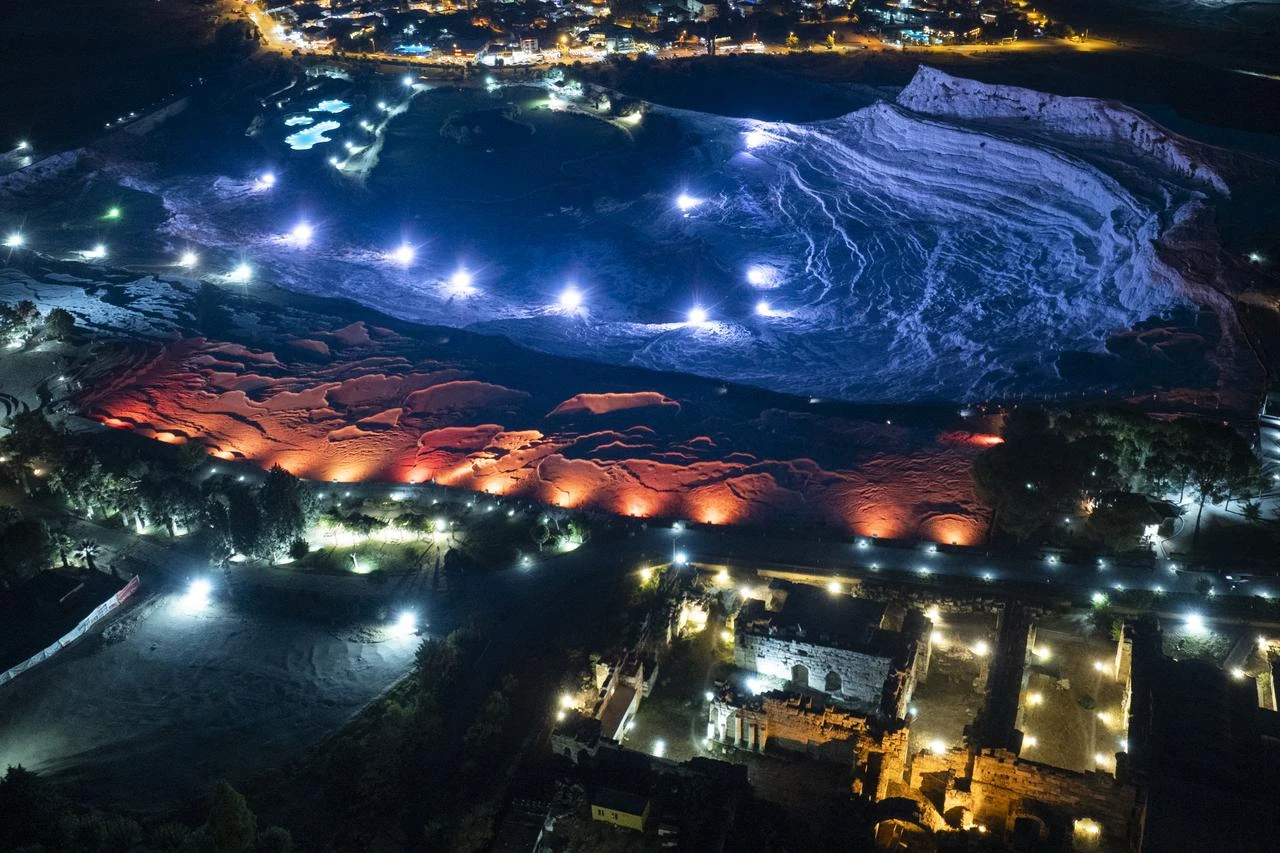
Pamukkale's night museum program, which allows archaeological sites to remain accessible after sunset, has also stretched visits into the evening.
Illuminated colonnaded streets, the ancient theater, and other structures across Hierapolis take on a different appearance after dark, while the program gives tourists an alternative way to explore the archaeological site during the cooler hours of summer evenings.
As a result, a full visit can now start with a balloon flight at sunrise, carry on through the travertine and Hierapolis, include a swim in the ancient thermal pool, and wrap up with an evening tour of the illuminated ruins.
Koseoglu described Pamukkale as one of Türkiye's major tourism brands and said visitor activity was expected to carry on into autumn if favorable weather continued and the tourism season remained extended.
Although developments in the Gulf region caused the season to get off to a somewhat delayed start, he said activity had picked up significantly from the previous month as conditions stabilized.
"Although the season started a little late because of developments in the Gulf region, we gained serious momentum from last month with the establishment of a peaceful environment. We reached 1.114 million visitors in the first seven months.
With the good weather and the extension of the season, we believe these figures will reach the targeted levels toward the end of the year. In particular, the ancient pool returning to full-capacity service following restoration and improvement works caused domestic tourist demand to surge."
Koseoglu added that he expected Pamukkale to continue increasing its visitor numbers and take a larger share of Türkiye's overall tourism activity.


 Set as preferred source
 Set as preferred source



 2 min read