Newsletters


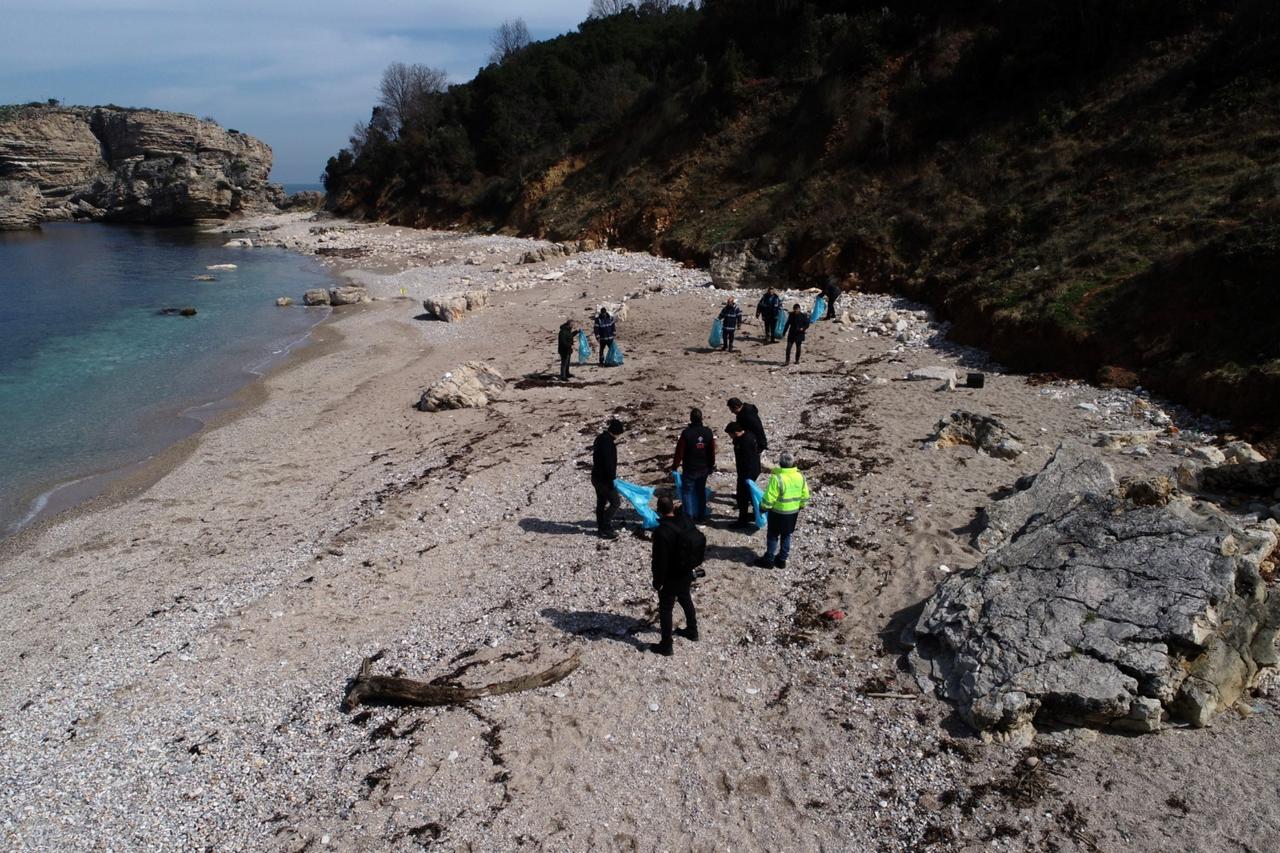


Plastic pollution in parts of the Marmara Sea has risen by nearly three times since the early 2000s, according to the first findings of the Scientific and Technological Research Council of Türkiye (TUBITAK) backed research project examining the sea's pollution history through sediment samples.
The project, carried out by Middle East Technical University’s Institute of Marine Sciences, Akdeniz University, Ege University and Recep Tayyip Erdogan University, is looking into how microplastic pollution has built up over time in one of Türkiye’s most closely studied inland seas.
Researchers analyzed sediment cores taken from 14 critical points across the Marmara Sea. The first findings show a clear upward trend in plastic pollution at all stations examined. Associate Professor Olgac Guven of Akdeniz University’s Faculty of Fisheries, who leads the project, said the increase became especially visible from the early 2000s onward.
"From past to present, a rising plastic pollution trend is clearly seen at all stations. We see a marked increase in plastic pollution from the early 2000s. Although it varies from station to station, some areas show an increase of nearly three times," Guven said.
The samples were taken last year from the seabed using a coring device known as an "octopus" aboard Bilim-2, a research vessel belonging to Middle East Technical University (METU), Institute of Marine Sciences. The extracted sediment samples measured around 40 to 50 centimeters in length.
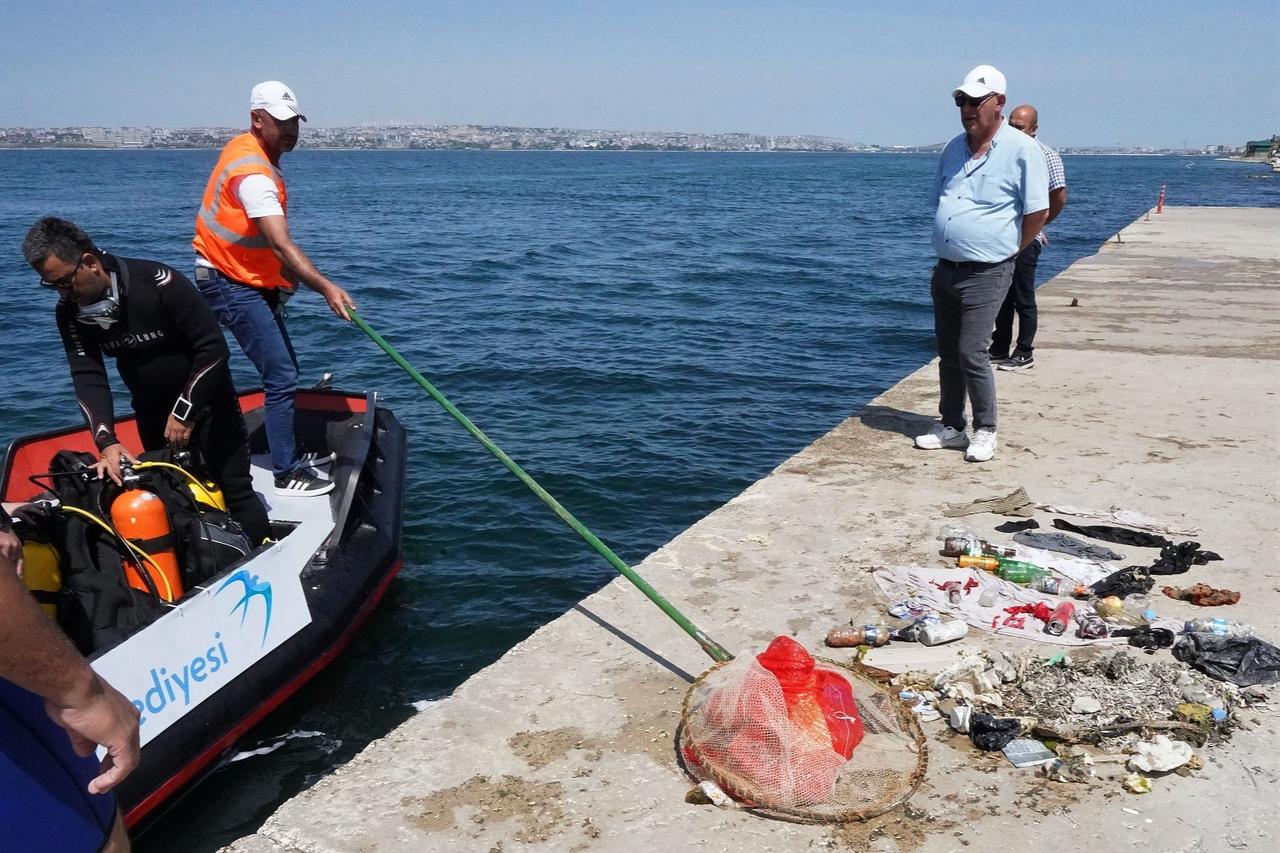

Guven said the team focused first on areas that represent different types of pressure on the Marmara Sea. These included Izmit Gulf, Gemlik Gulf, the Cinarcik Basin, Imrali Basin and the central parts of the sea.
Particularly striking findings came from Izmit Gulf, which is under the influence of heavy industry, population density and freshwater inflows, as well as the Cinarcik Basin, where material carried by currents from the Black Sea can build up.
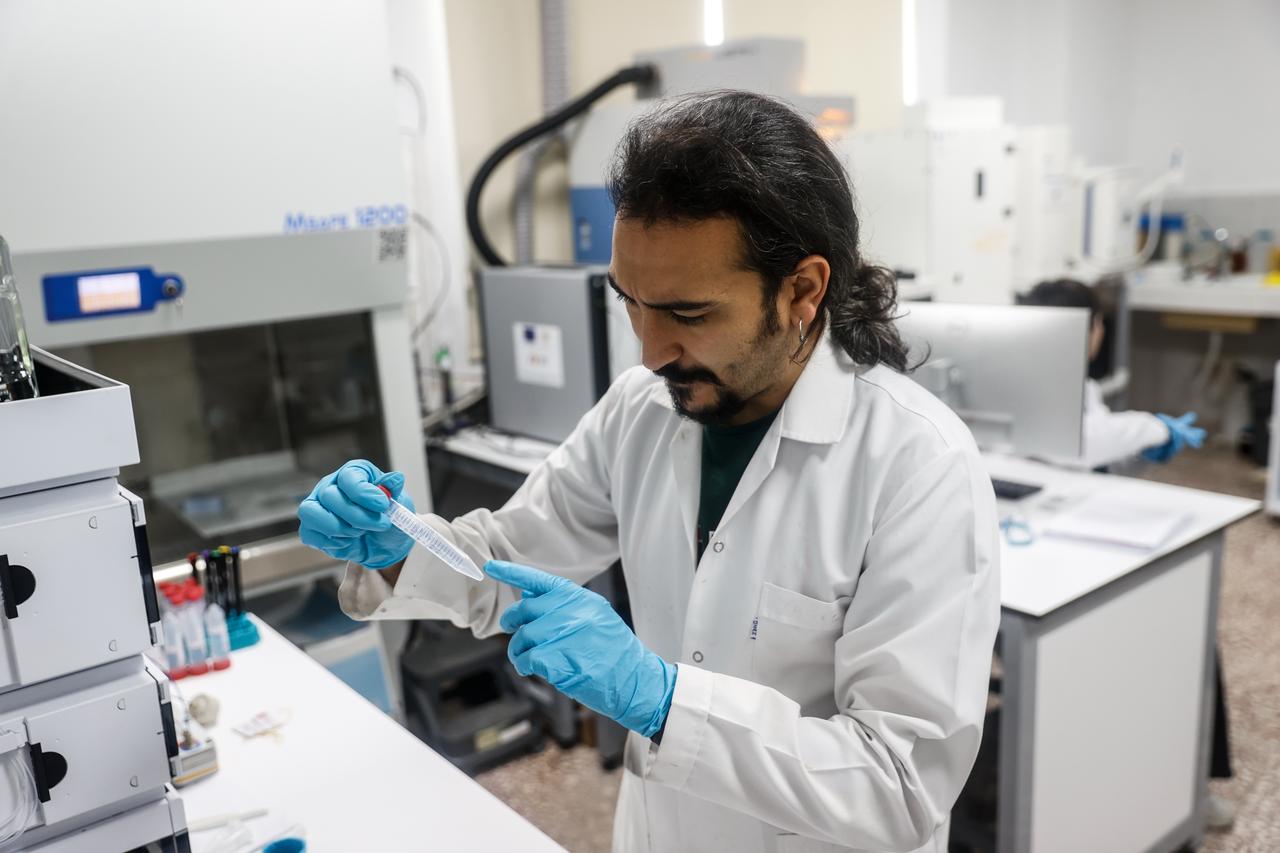
Dating studies on the sediment layers are being carried out at Ege University’s Institute of Nuclear Sciences, while further work will look into polymer characterization and metal pollution.
The project also identified traces linked to the 1999 Golcuk earthquake in the sediment record. Guven said that in layers corresponding to the earthquake period, researchers found a serious rise in plastic levels in both Izmit Gulf and the Cinarcik Basin.
"We think this increase is related to the transfer of pollutant loads from the land environment to the marine environment after the earthquake. Major events on land can be recorded in sediment through the load carried into the marine environment," she said.
The research also found meaningful microplastic pollution dating back to the 1960s, while isolated plastic particles were detected in even older layers.
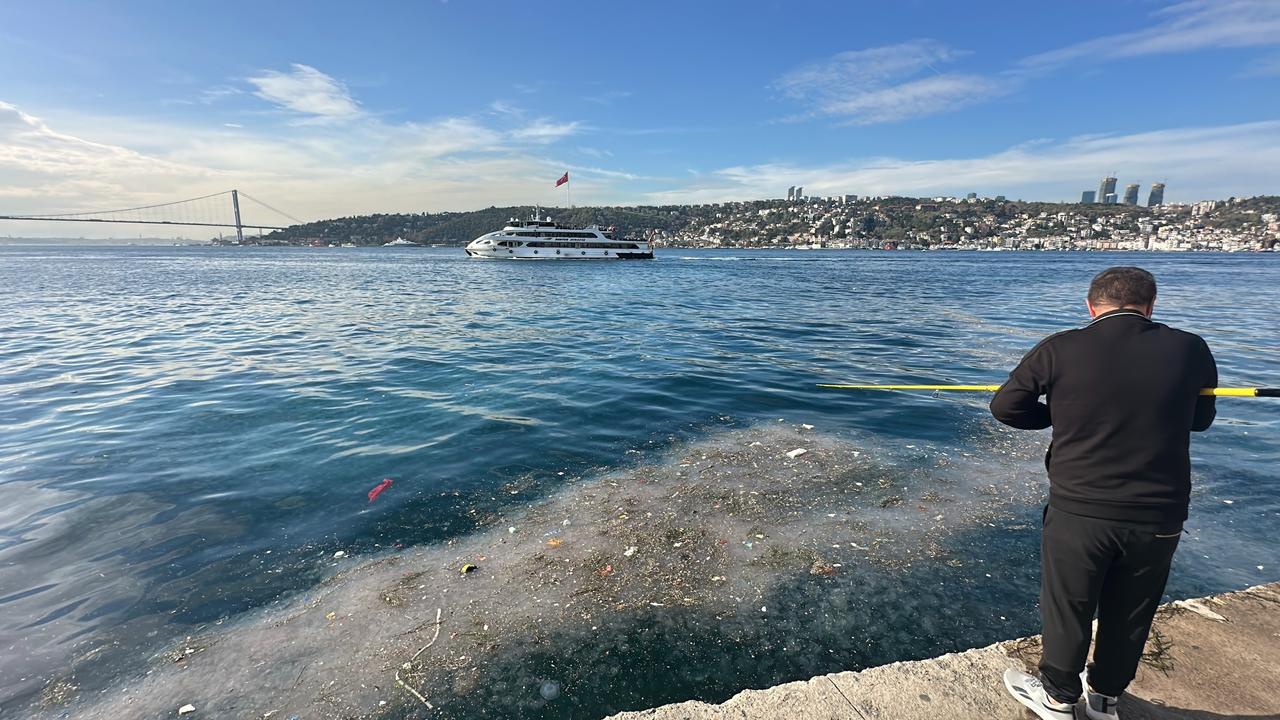
Guven said about 94% of the microplastics identified so far were fiber-shaped particles, describing them as thin, hair-like plastic fragments.
"About 94% of the microplastics we have detected so far are fiber-shaped. These are thin plastic particles similar to strands of hair," she said.
One of the main sources of these fibers is synthetic textile products. According to Guven, fibers released during laundry can pass through wastewater treatment plants when micro-filtration systems are not in place, eventually reaching the sea.
In Izmit Gulf, researchers also came across microbeads, which are small plastic particles especially associated with cosmetic products.
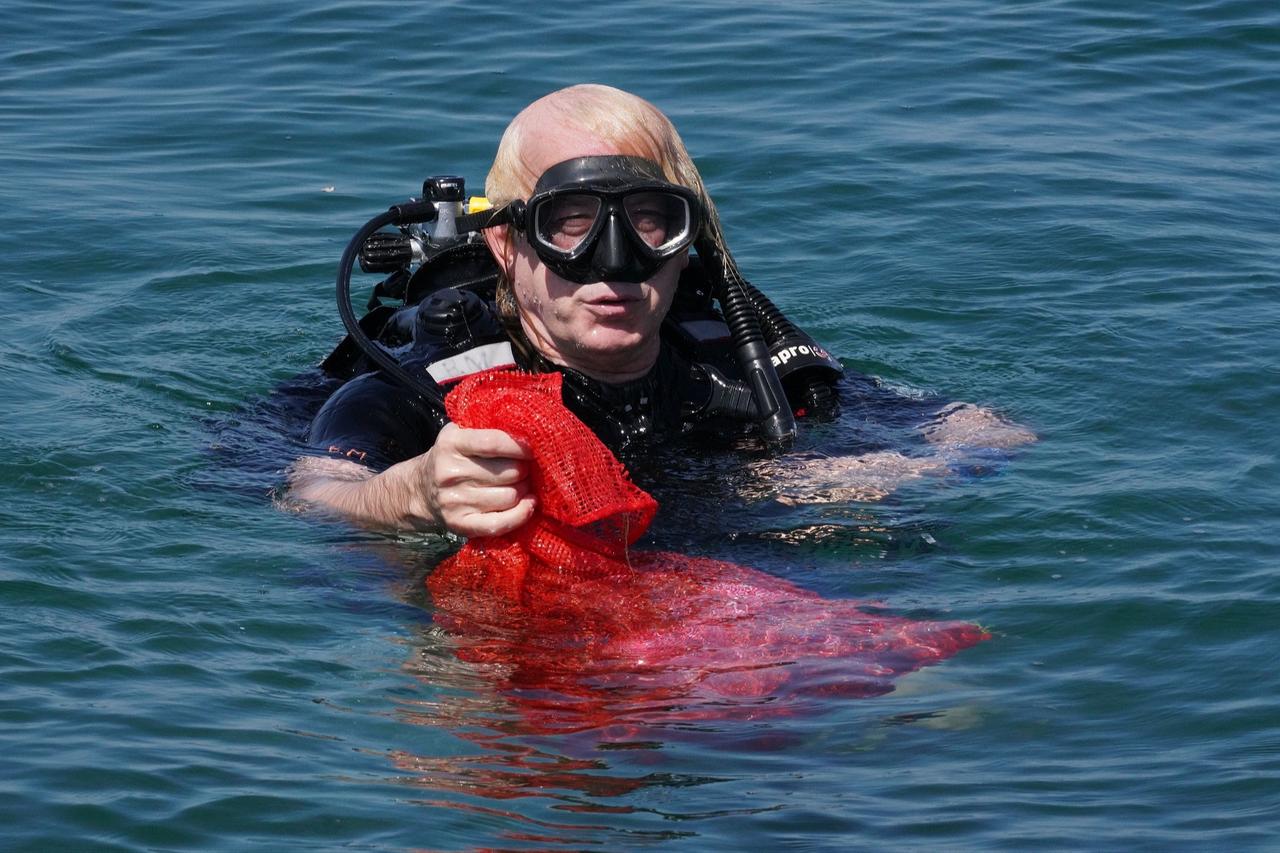
Professor Mustafa Yucel, deputy director of METU’s Institute of Marine Sciences, said the project aims not only to identify the presence of plastics, but also to understand how they move through the Marmara Sea and where they accumulate.
He said deep basins in the sea act like natural storage areas for particles coming from surrounding regions. This makes areas such as the Cinarcik Basin, Izmit Gulf and Gemlik Gulf important for understanding Marmara’s plastic pollution history.
Yucel also said the earthquake had not only caused physical destruction but also carried coastal pollutants and waste into deeper parts of the Marmara Sea.
"This shows us that seismicity is not only a geophysical event, but also a factor affecting the marine ecosystem and pollution cycles," he said.


 Set as preferred source
 Set as preferred source




 6 min read