Newsletters




Record levels of heat stored in the Mediterranean could provide additional energy and moisture for unusually severe weather in Türkiye this autumn if high sea temperatures persist and combine with favorable atmospheric conditions, according to a Turkish climate expert.
Sermin Tagil, a professor in the Geography Department at Izmir Bakircay University, said Mediterranean sea surface temperatures have repeatedly broken records in recent years, making the warming of the sea an important climate indicator not only for summer heat but also for the risk of extreme rainfall, flash floods and powerful storms later in the year.
Tagil said the Mediterranean's average sea surface temperature has climbed to around 28.4 degrees Celsius, roughly 2 degrees above the long-term average, while temperatures in the eastern Mediterranean have approached historic levels.
"The main issue is that the sea has stored an extraordinary amount of heat. This energy accumulated in the sea is one of the main sources feeding the atmosphere," she said.
According to Tagil, sea surface temperatures across the Mediterranean remained well above their long-term averages during the first half of 2026, while the eastern Black Sea has also been running around 1 to 2 degrees above seasonal norms.
She said those conditions could provide additional energy and moisture for strong rainfall and storms affecting both the Mediterranean and Black Sea regions in the coming period.
The warming is not limited to 2026. Tagil said marine heatwaves have become more frequent and longer-lasting in recent years, with sea surface temperatures across both the world's oceans and the Mediterranean remaining at record levels since 2023.
She added that the Mediterranean reached temperatures not previously seen in its recorded history during July and the first half of August this year, suggesting that fresh heat is continuing to build on energy retained from previous years.
Tagil also pointed to the expected development of a strong El Niño in the Pacific Ocean, where a large mass of warm water is building up around the equatorial region.
She said the U.S. National Oceanic and Atmospheric Administration, or NOAA, estimates the probability of a very strong El Niño developing by the end of the year at about 80%.
However, she stressed that the exceptional Mediterranean temperatures should not be directly attributed to El Niño, saying long-term warming in the region is primarily driven by global climate change, while El Niño represents an additional climate signal.
A very strong El Niño could also contribute to atmospheric processes that weaken or disrupt the polar vortex, potentially allowing air flows from northern latitudes to become more influential during winter, Tagil said.
However, she cautioned that this should not be interpreted as a direct sign that Türkiye will experience an unusually snowy winter because atmospheric conditions remain highly variable.

The more immediate concern, Tagil said, is what happens when the heat accumulated throughout the summer carries over into autumn.
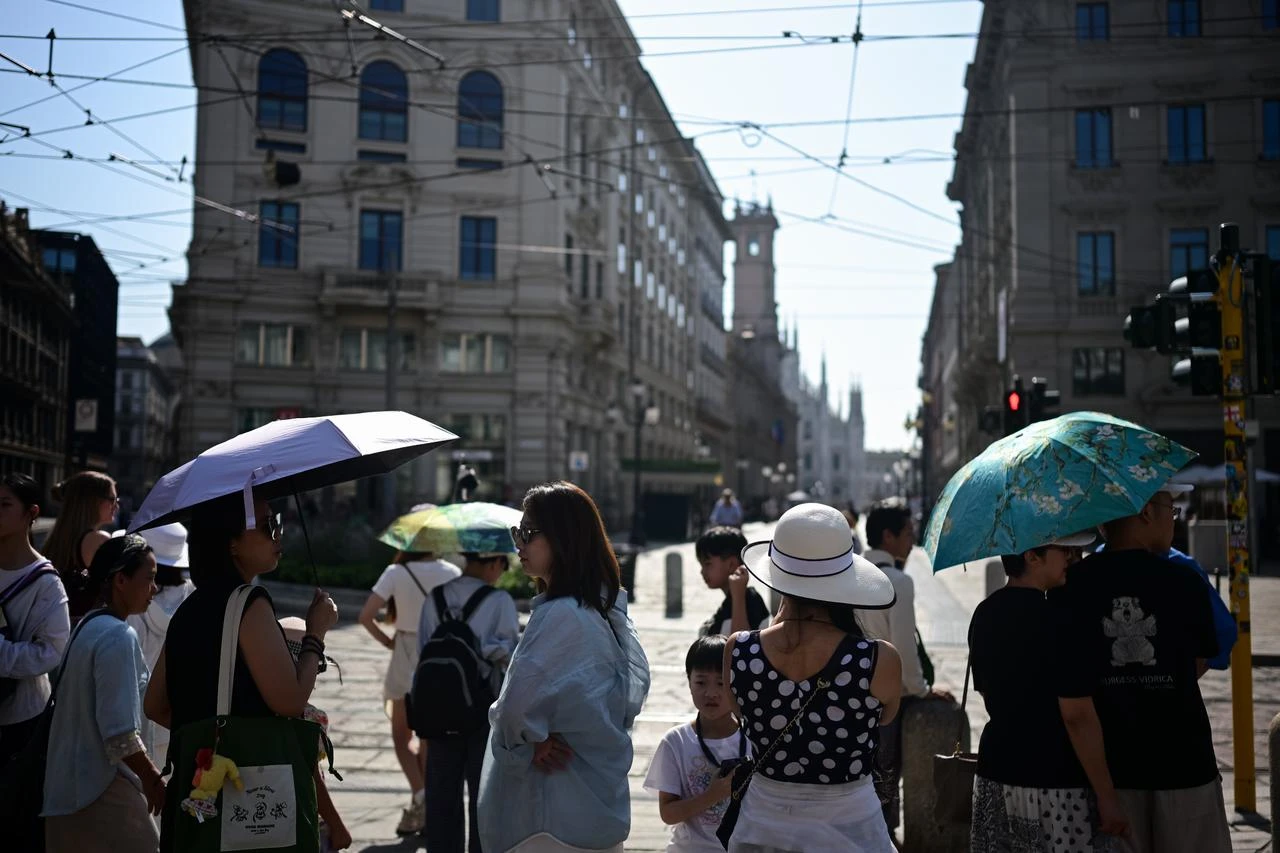
Persistently warm seas could keep coastal nights warmer, increase the number of tropical nights and extend the effects of heat waves. More importantly, they could intensify severe weather when combined with the right atmospheric setup.
"If these high sea temperatures carry over into autumn and combine with suitable atmospheric conditions, they could provide additional energy and moisture capable of feeding severe downpours, extreme rainfall, flash floods and flooding, as well as powerful storms," Tagil said, adding that the risk could become more pronounced in October and November.
Tagil also drew attention to "medicanes," Mediterranean weather systems that share some characteristics with tropical cyclones.
Warm sea temperatures alone do not mean that such a system will develop, she said, because a suitable low-pressure system, atmospheric instability, sufficient moisture and favorable wind conditions must come together at the same time.
However, an exceptionally warm Mediterranean could provide a significant energy source when those ingredients line up, with Tagil pointing to events in 2023 as a notable example of how such conditions can play out.


 Set as preferred source
 Set as preferred source



 2 min read