Newsletters


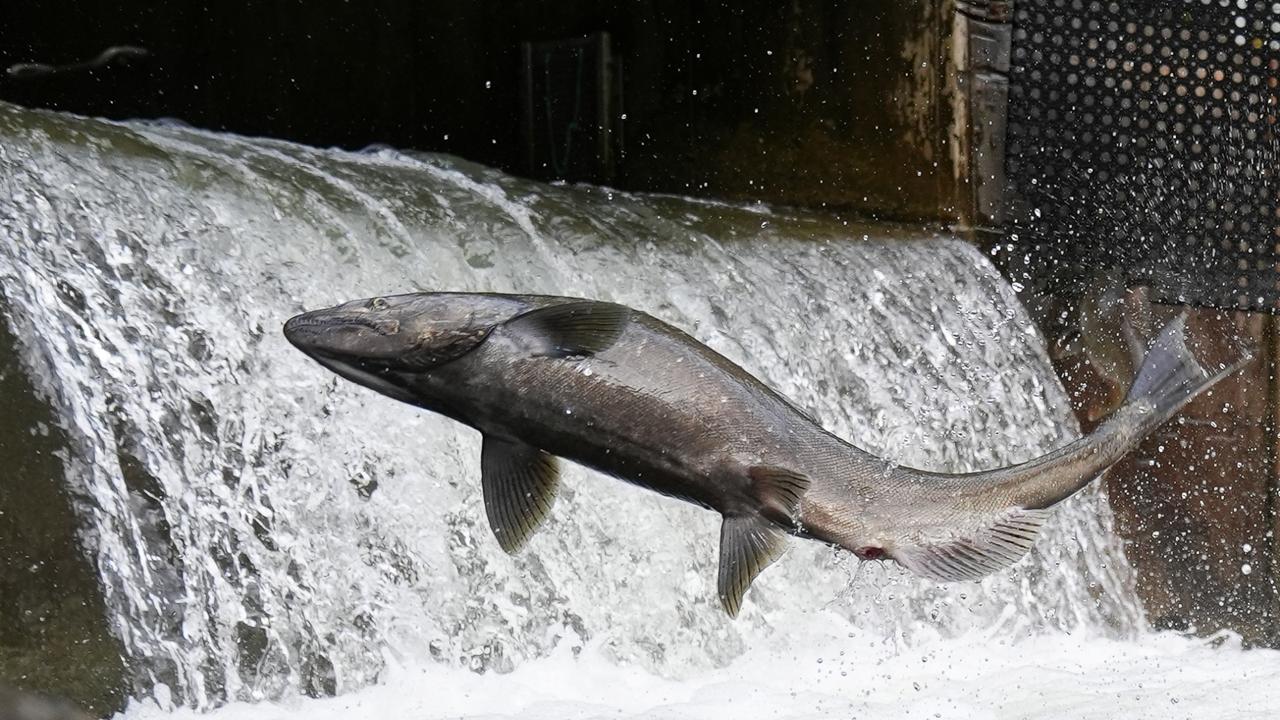
Every autumn, Chinook and coho salmon leave Lake Ontario and enter rivers around Toronto, Canada's largest city, with steelhead trout following behind. The run usually peaks between mid-September and mid-October. Chinook in the Great Lakes spend their entire life cycle in fresh water. This photo series follows one generation from the lake to the spawning gravel and back.
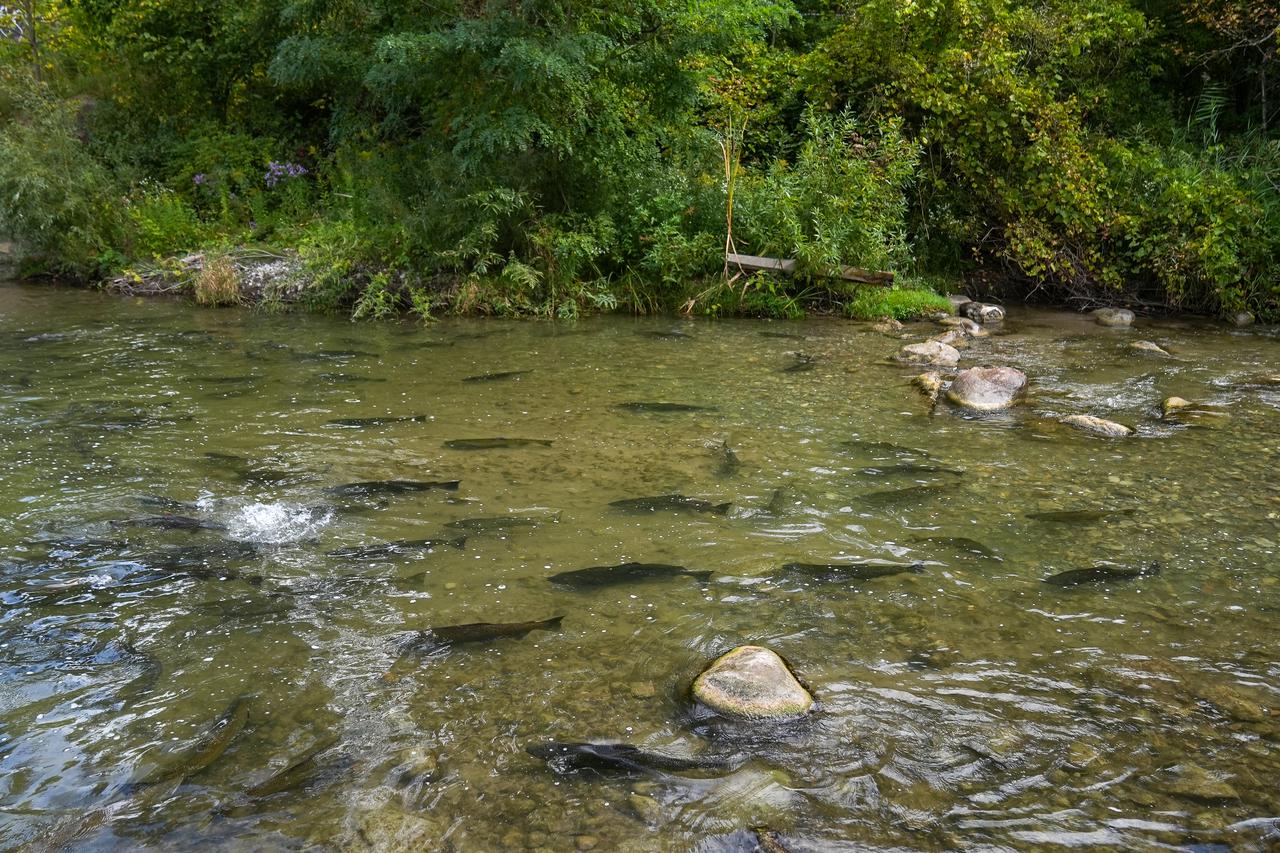
The cycle starts in the lake. From July, adult Chinook and coho gather near river mouths, including Port Credit in Mississauga, a city just west of Toronto. The fish can hold offshore for weeks in a staging phase before they commit to moving upstream on rising water.
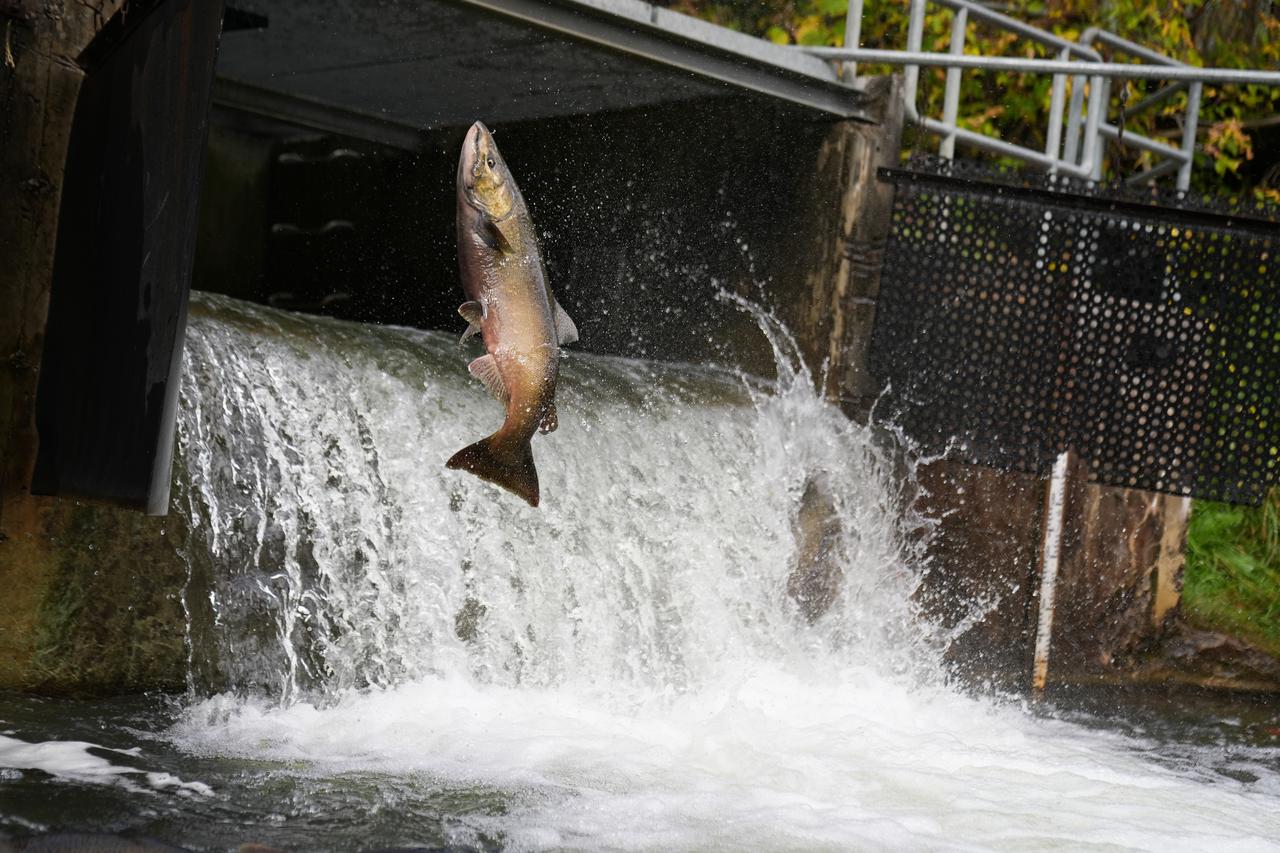
Cooler water and fall rains trigger the move into rivers. Some salmon enter the Credit River as early as mid-August, while central rivers such as the Credit, Humber and Rouge peak two to three weeks after eastern ones such as the Ganaraska. Viewing season runs while water temperatures sit between 3 and 18 degrees Celsius (37 and 64 degrees Fahrenheit).
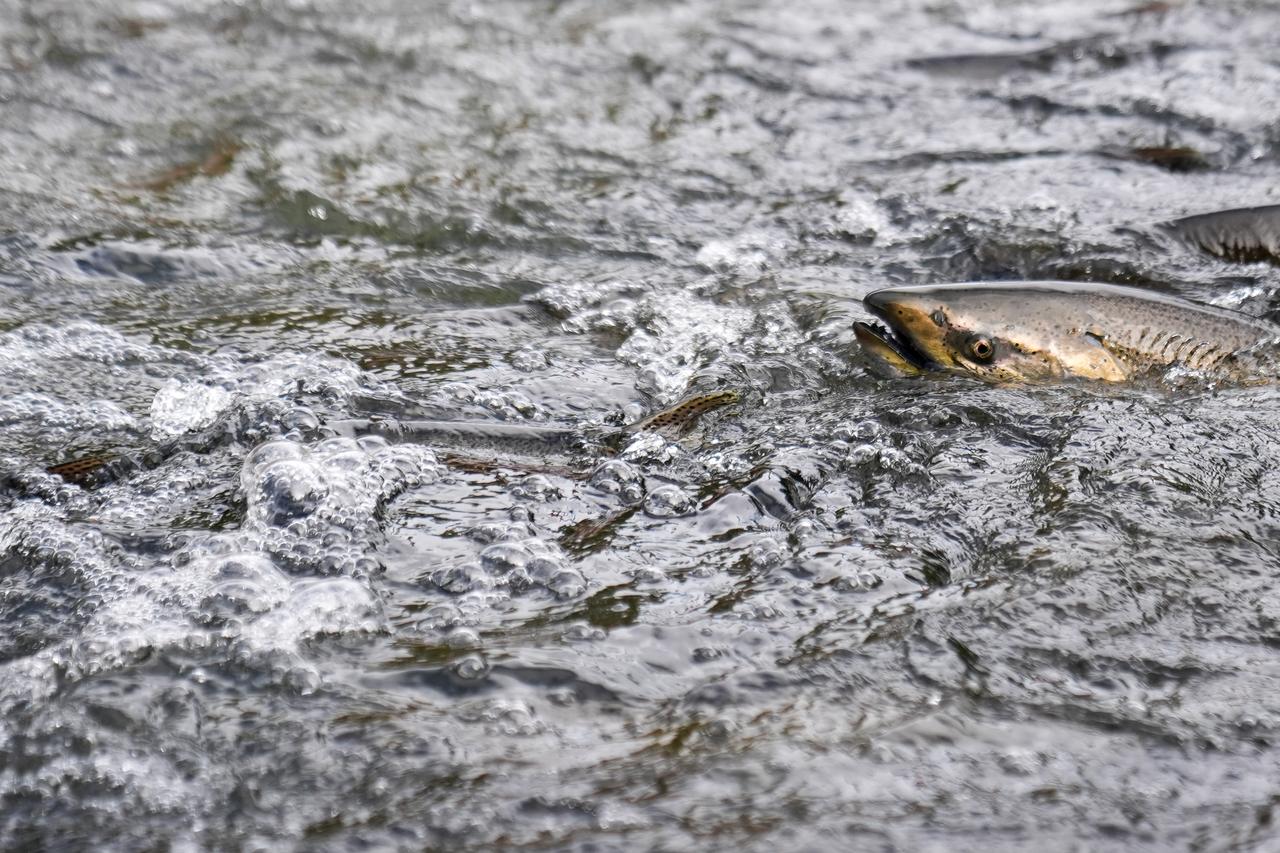
The climb begins inside the city. At the Old Mill Dam on the Humber River in western Toronto, salmon leap about 1.5 meters (5 feet) to continue upstream. In Etobicoke, a western district of the city, a fish ladder built by the Toronto and Region Conservation Authority helps them past Raymore Park Dam.
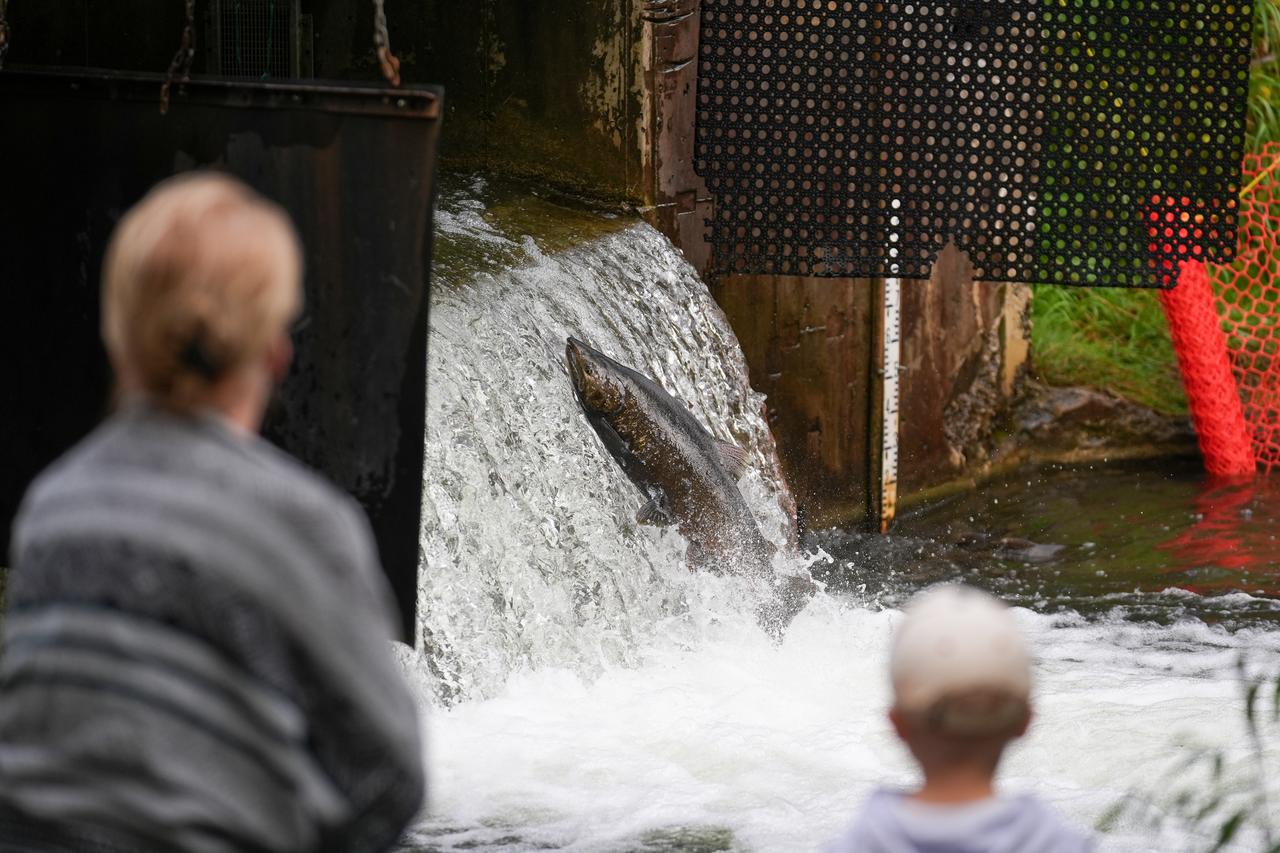
Dams shape how far each species travels. On the Credit River, the Streetsville Dam sits about 15 kilometers (9 miles) upstream from Lake Ontario. Chinook and coho are generally stopped there so eggs can be collected for hatcheries, while a fishway lifts steelhead and Atlantic salmon past. Volunteers have operated the fishway since 1990.
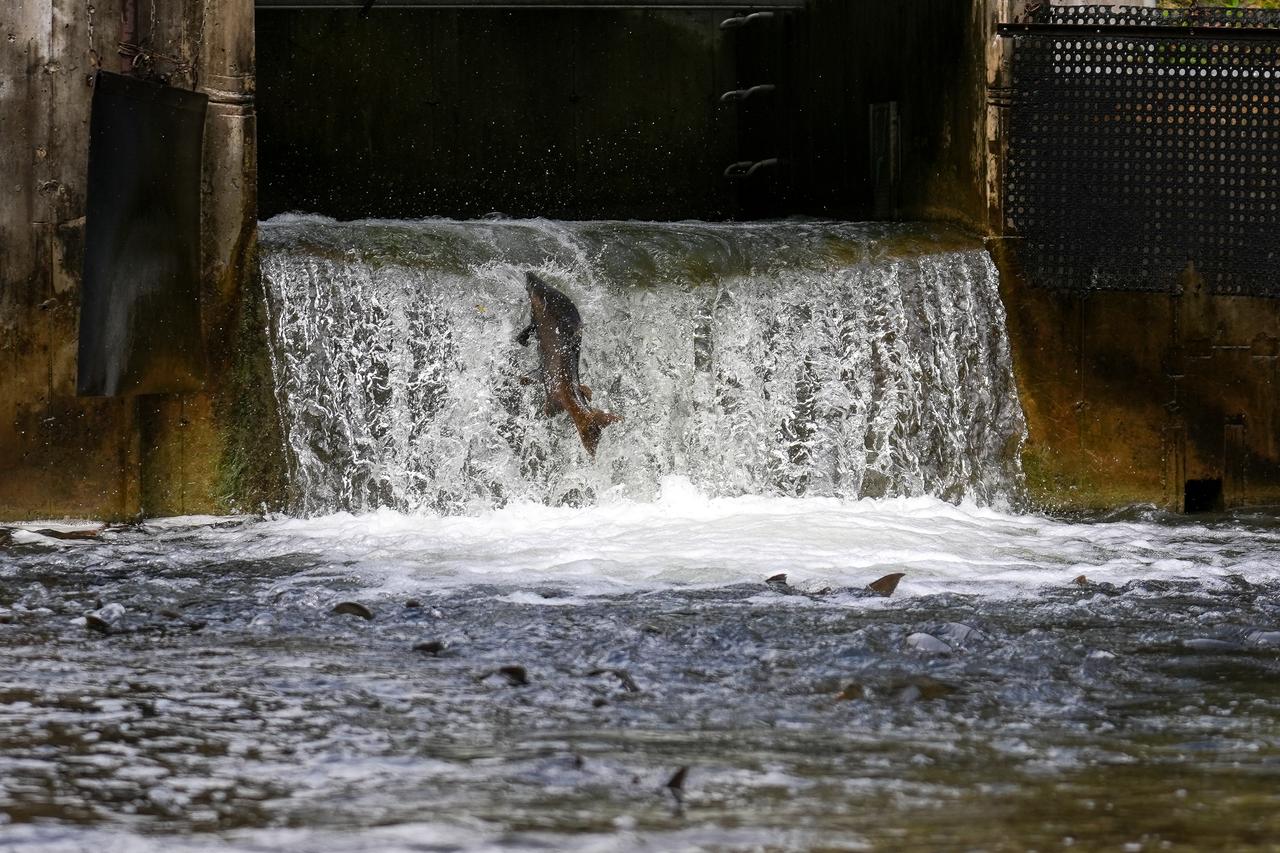
Spawning takes place in the gravel of river beds. Females lay eggs, and Chinook and coho die before winter. Steelhead, which usually spawn in spring, can survive spawning and make the journey again in later years. Steelhead also follow the salmon into rivers, feeding on the eggs they release.
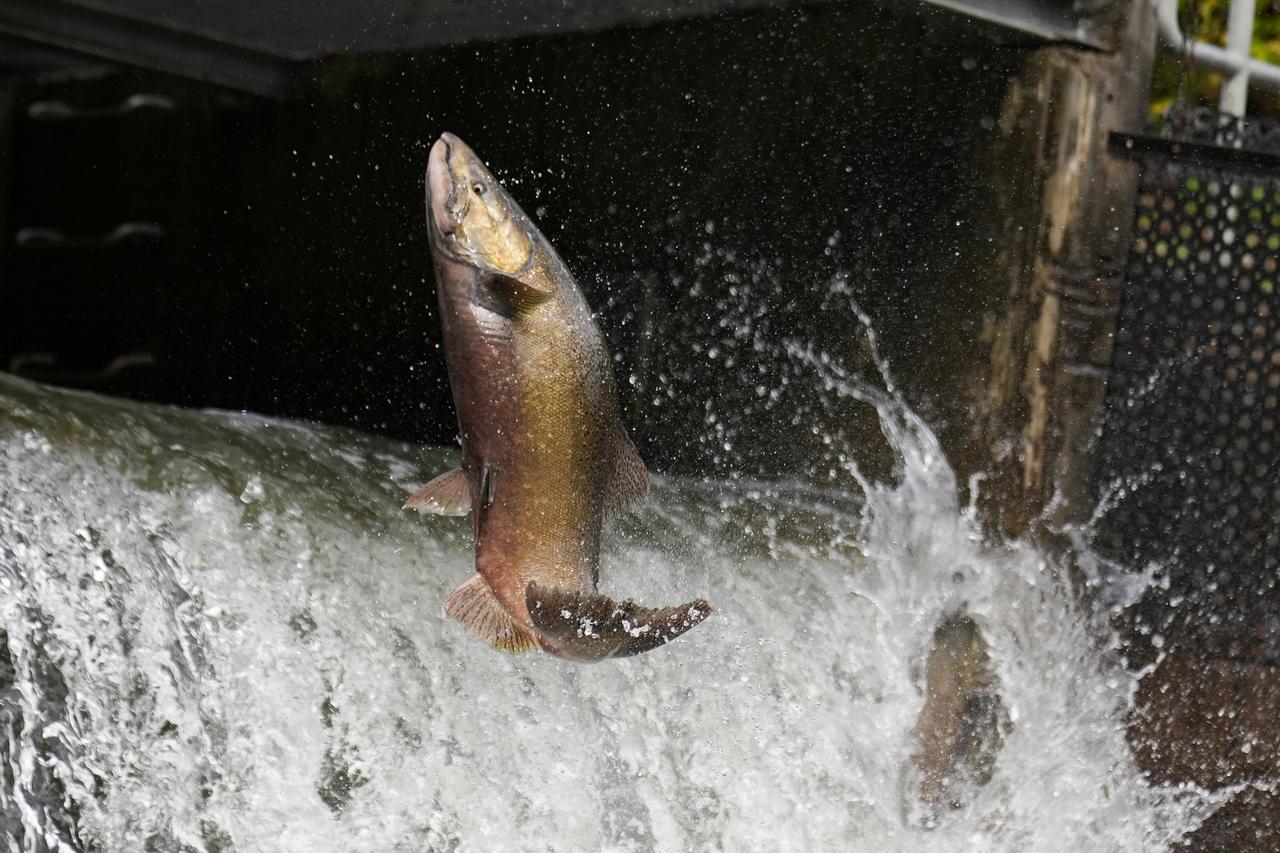
Winter is the quiet stage. Embryos develop in the gravel through the cold months, and fry emerge around May on the Credit River. The young feed on stream insects for a time, then move downstream to the lake, in many cases before summer heat raises water temperatures in the lower river.
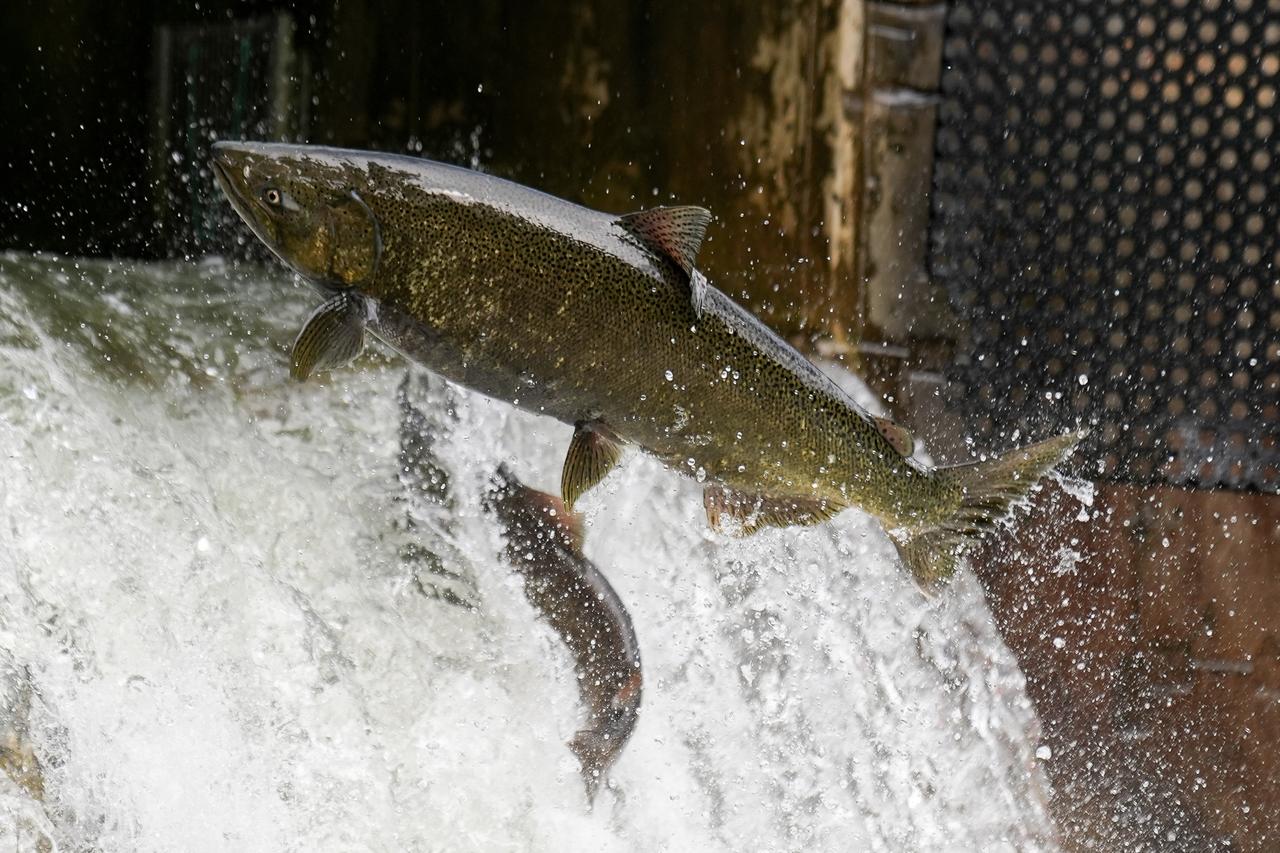
The cycle closes in the lake, where young fish feed and grow for years. Chinook typically return to spawn at about 3 years of age, some at 2 or 4. Hatchery stocking supplements natural reproduction, and estimates of the wild-born share of Great Lakes Chinook range from about 12% to 50%.


 Set as preferred source



 2 min read