Newsletters


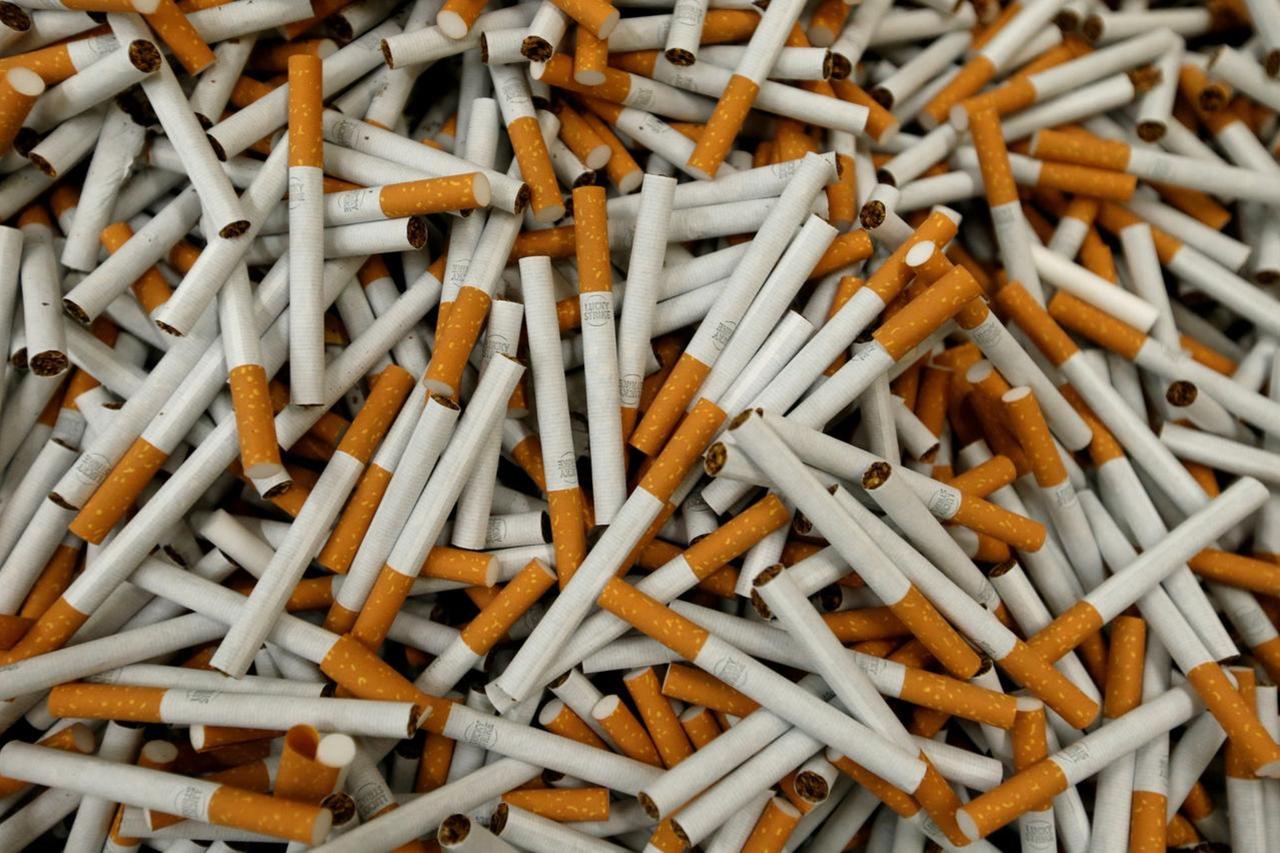


Cigarettes sold in Türkiye emitted up to 51% more particulate matter than same-brand products sold in Germany, a new study finds, pointing to substantial differences in smoke emissions between the two markets.
Researchers from Goethe University Frankfurt tested 11 cigarette products sourced from Türkiye, four German counterparts carrying comparable brand names, and a U.S.-made reference cigarette commonly used in scientific research. Across the four Türkiye-Germany comparisons, every German product produced lower particulate matter, or PM, emissions.
The Turkish versions released between 3.6% and 51% more PM10, between 3.6% and 50% more PM2.5, and between 4.4% and 48% more PM1 than their German counterparts.
Particulate matter refers to microscopic airborne particles. PM10 covers particles with diameters of 10 micrometers or less, PM2.5 those of 2.5 micrometers or less, while PM1 refers to particles no larger than one micrometer, which can reach deeper parts of the respiratory system.
The largest difference emerged in Camel Yellow. The product bought in Türkiye produced an average PM2.5 concentration of about 1,569 micrograms per cubic meter, compared with roughly 1,043 micrograms for its German counterpart.
The study also found that the Turkish L&M product produced roughly 28% more particulate matter than the German version, while differences for Davidoff and Marlboro were smaller.
Across all products examined, Parliament Night Blue purchased in Türkiye recorded the highest average emissions, reaching about 1,677 micrograms per cubic meter for PM10 and 1,675 for PM2.5. German Camel Yellow produced the lowest readings, at around 1,044 and 1,043 micrograms per cubic meter, respectively.
All five products with the highest PM10 and PM2.5 emissions were sourced from Türkiye.
The researchers also found that most of the smoke consisted of the smallest particles. PM1 made up about 92% and 95% of measured PM10 mass across the products tested.

Researchers tested between 23 and 30 cigarettes from each product, using an automated smoking system inside a sealed chamber measuring 2.88 cubic meters, a volume comparable to the interior of a small car.
After two initial puffs, the machine took seven standardized puffs at a rate of two per minute. Each puff measured 40 milliliters and lasted three seconds. Cigarettes were extinguished after four minutes, while air inside the chamber was monitored for a total of 10 minutes.
The setup released both mainstream smoke, which would normally be drawn in and exhaled by a smoker, and side-stream smoke, which comes directly from the burning cigarette. The researchers noted that side-stream smoke makes up about 85% of secondhand tobacco smoke.
Because the experiment used a standardized machine rather than human smokers, the authors said the resulting concentrations should not be treated as a direct measure of real-world exposure. Actual smoking behavior, ventilation and air exchange can all change particulate levels.
Researchers said country-specific variations could stem from cigarette construction, including tobacco blends, additives, paper or filter design. However, the study did not analyze tobacco varieties, blend ratios or additives, and therefore could not establish which factor caused the differences.
The researchers also found no significant relationship between particulate emissions and measured tobacco weight, filling density, filter length or tobacco-rod length.
Bulent Ince, chairman of Türkiye's Tobacco Experts Association, said differences in production machinery would be difficult to use as an explanation because modern cigarette manufacturing equipment is broadly similar.
He instead pointed out that products sold under the same brand can be prepared differently for individual markets because countries may impose different requirements on manufacturers.
Türkiye requires manufacturers to ensure that at least 30% of the total tobacco they use for cigarettes sold domestically over a calendar year is produced in Türkiye. The requirement applies to a manufacturer's annual category-wide tobacco use rather than to every individual brand or packet, meaning particular products may contain more or less than 30% domestically produced tobacco.
Germany does not have an equivalent domestic-tobacco quota.
However, the study did not examine whether Türkiye's tobacco requirement played any role in the higher particulate emissions, so no direct cause-and-effect link can be drawn.
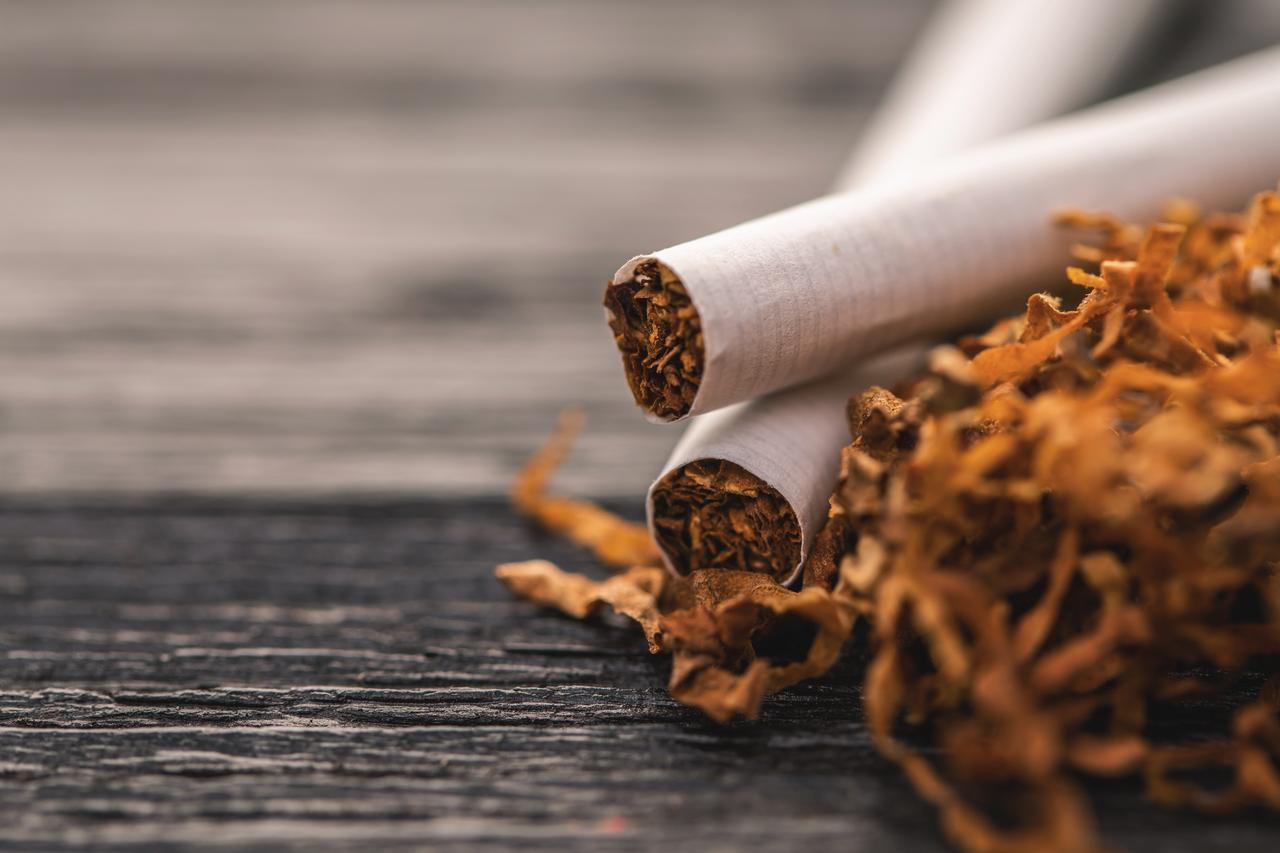
In both Türkiye and Germany, cigarette emission limits focus on tar, nicotine and carbon monoxide. Cigarettes placed on the market may emit no more than 10 milligrams of tar, 1 milligram of nicotine and 10 milligrams of carbon monoxide per cigarette.
There is no specific requirement cited in the material for manufacturers to measure PM1, PM2.5 or PM10, no upper limit for those emissions and no requirement to display such figures on cigarette packs.
The study measured average PM2.5 concentrations of between roughly 1,043 and 1,675 micrograms per cubic meter. The World Health Organization recommends a 24-hour outdoor-air average of no more than 15 micrograms per cubic meter for PM2.5.
Those figures are not directly comparable, however, because the experiment involved a 10-minute measurement inside a small sealed chamber, while the WHO guideline refers to a 24-hour average in ambient outdoor air.
Pinar Mutlu, a chest diseases specialist and director of the Addiction Prevention Application and Research Center at Canakkale Onsekiz Mart University, said very small smoke particles can reach deep into the lungs and form part of a complex aerosol carrying toxic and carcinogenic substances.
She said these particles can reach deep airways and the alveoli and may contribute to processes including oxidative stress, inflammation, vascular dysfunction and increased tendency toward blood clotting.
The measuring device could not detect particles smaller than 0.25 micrometers, meaning even smaller particles may not have been fully captured.
Because the chamber used in the experiment was close in volume to the interior of a small car, the researchers particularly highlighted smoking inside vehicles. Mutlu said passengers can quickly be exposed to high concentrations of fine particles when people smoke in cars with windows and ventilation closed, with children, pregnant women, older people and those with heart or lung conditions requiring particular protection.
The researchers concluded that all tested cigarettes generated high particulate concentrations in enclosed environments and that products sold under comparable brands in different countries can produce markedly different PM emissions.


 Set as preferred source
 Set as preferred source


 1 min read

 1 min read