Newsletters


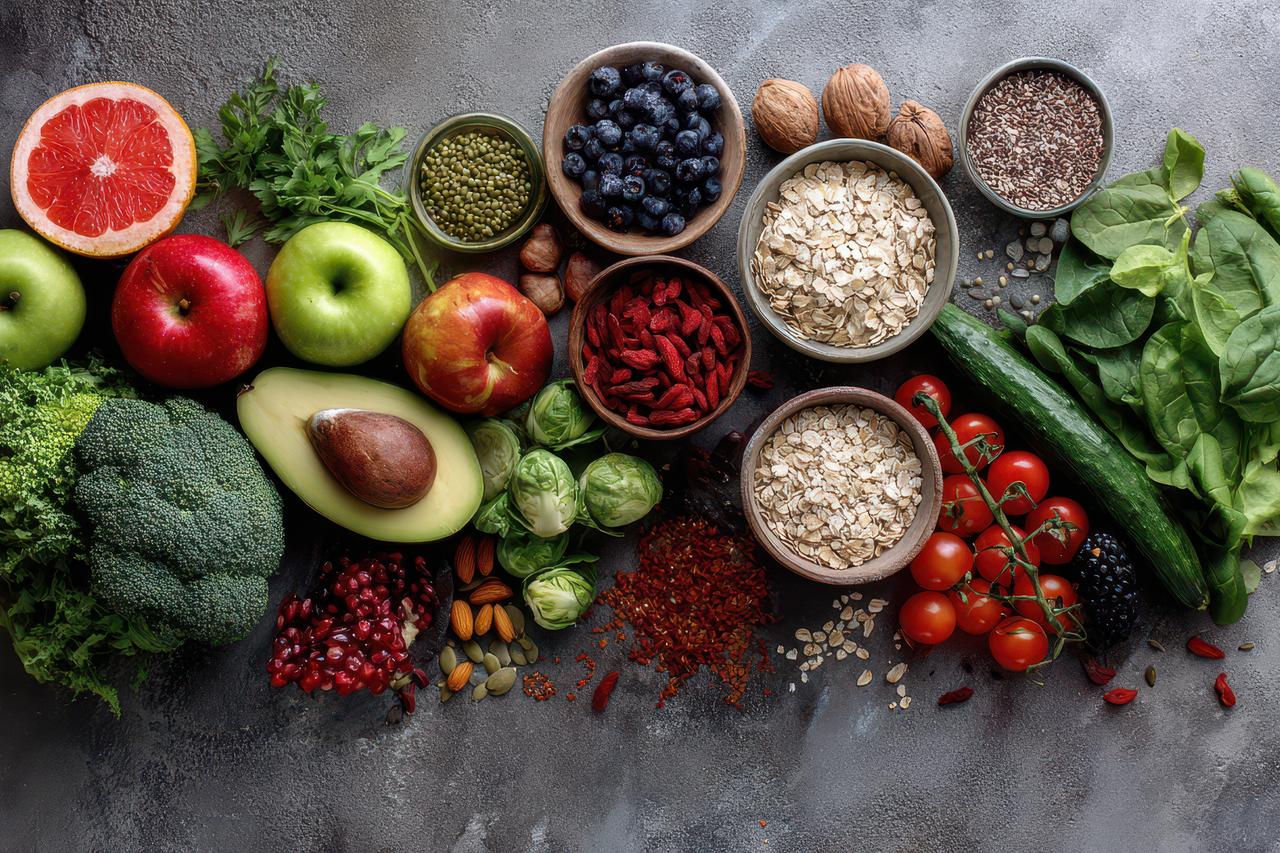


Nutrition advice often shifts between trends, from high-protein diets to fiber-heavy plans.
To cut through that noise, researchers analyzed more than 1,000 raw foods and ranked those that best meet daily nutritional needs, according to a BBC Future report.
The result is not a list of imported supplements or expensive powders. Instead, many of the top-ranked foods are ingredients already sold in Turkish markets, from pazi to pumpkin seeds.
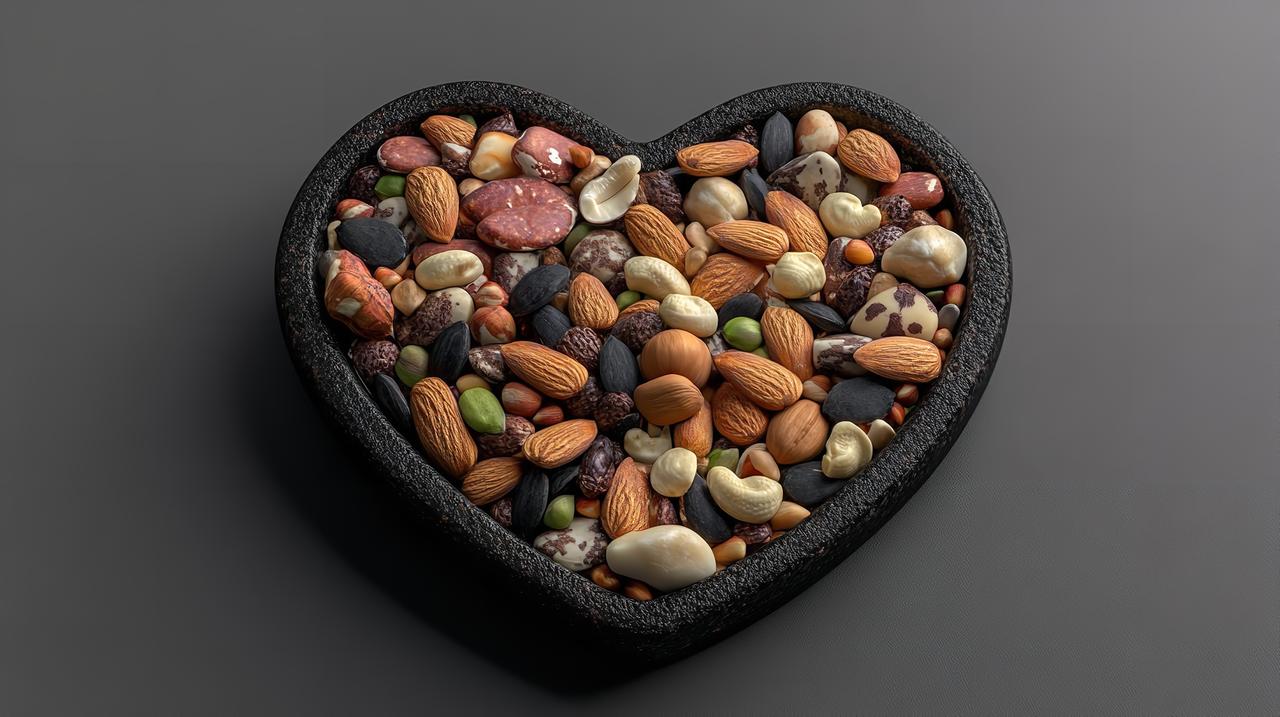

Researchers highlighted several nuts and seeds that demonstrated measurable effects in controlled trials.
Almonds
Almonds are rich in monounsaturated fatty acids and vitamin E. In a 12-week study of 77 adults with risk factors for chronic disease, participants who consumed 320 calories of almonds daily had lower LDL cholesterol, improved gut health and reduced inflammation compared with those who ate crackers.
A separate 2022 study found that eating whole or ground almonds increased intake of fiber, potassium and monounsaturated fats.
Researchers also observed higher levels of butyrate, a short-chain fatty acid that supports colon health.
Almonds are widely grown in the Aegean and Mediterranean regions of Türkiye and are already common in local diets.
Chia seeds
Chia seeds contain fiber, protein, alpha-linolenic acid, and B vitamins. However, research suggests that how they are consumed matters.
Laboratory comparisons between whole and ground chia seeds showed that whole seeds can pass through the digestive system without releasing their omega-3 fats unless extensively chewed. Grinding the seeds makes these fats more accessible, according to Professor Rachel Burton of the University of Adelaide.
Pumpkin seeds
Pumpkin seeds contain polyunsaturated and monounsaturated fatty acids linked to heart health. In a 2025 animal study, rats given roasted or raw pumpkin seed supplements for two weeks showed improvements in anxiety, cognition and memory.
Roasted seeds showed the strongest effect, which researchers linked to improved bioavailability after roasting.
Pumpkin seeds are widely consumed across Türkiye as a snack and are also used in salads and baked goods.
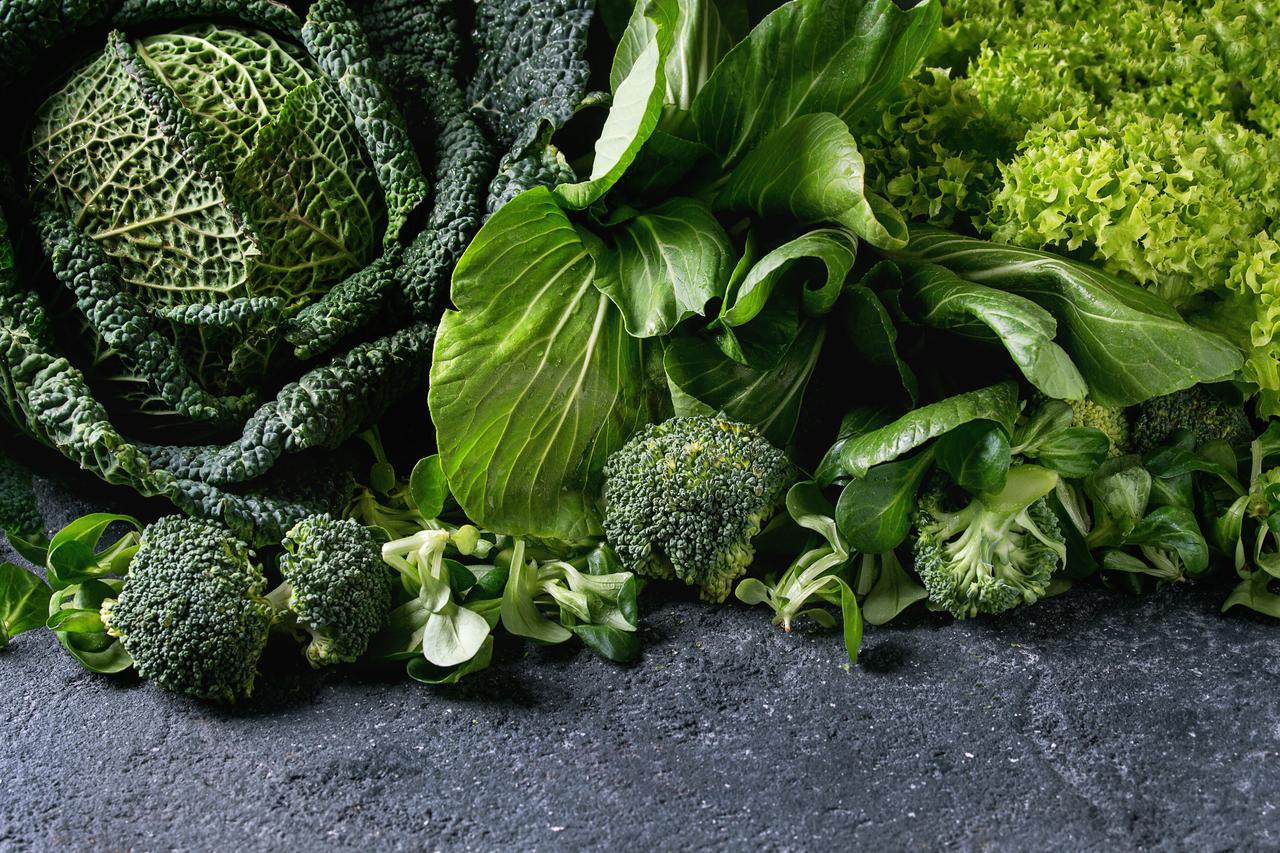
Four of the seven foods highlighted in the analysis are leafy greens, many of which already appear in Turkish markets and regional cuisine.
Swiss chard
Swiss chard contains betalains and nitrates that help the body produce nitric oxide, which supports circulation. William Li, president and medical director of the Angiogenesis Foundation, said this may help lower blood pressure and improve blood flow. Swiss chard also contains polyphenols such as quercetin and kaempferol, which act as antioxidants.
Known as "pazi" in Türkiye, it is widely used in Aegean and Marmara dishes. Li advises not to overcook it, as excessive cooking reduces nutrient levels.
Watercress
Watercress belongs to the Brassica family and contains B vitamins, vitamins C and E, iron and calcium. It also provides phenethyl isothiocyanate, a compound associated with slowing cancer cell growth. A 2018 study in the World Journal of Psychiatry ranked watercress the top antidepressant plant based on nutrient density. It appears seasonally in Turkish markets.
Beetroot greens
Beetroot leaves are often discarded despite being rich in calcium, iron and B vitamins. A 2019 study found that overweight adults who consumed freeze-dried beetroot leaves for four weeks saw reductions in LDL cholesterol.
Laboratory tests also showed antioxidant activity and protection against oxidative DNA damage. Researchers caution that more human studies are needed to confirm the full effects after digestion.
Beetroot is common in Türkiye, though its greens are frequently removed before sale.
Dandelion greens
Dandelion greens contain phenolic acids and vitamins A, C, E and K. Studies link them to anti-inflammatory and possible anticancer effects, although human evidence remains limited in some areas.
In Türkiye, they appear in spring markets and are used in regional salads and dishes.


 Set as preferred source
 Set as preferred source



 1 min read