

 Newsletters


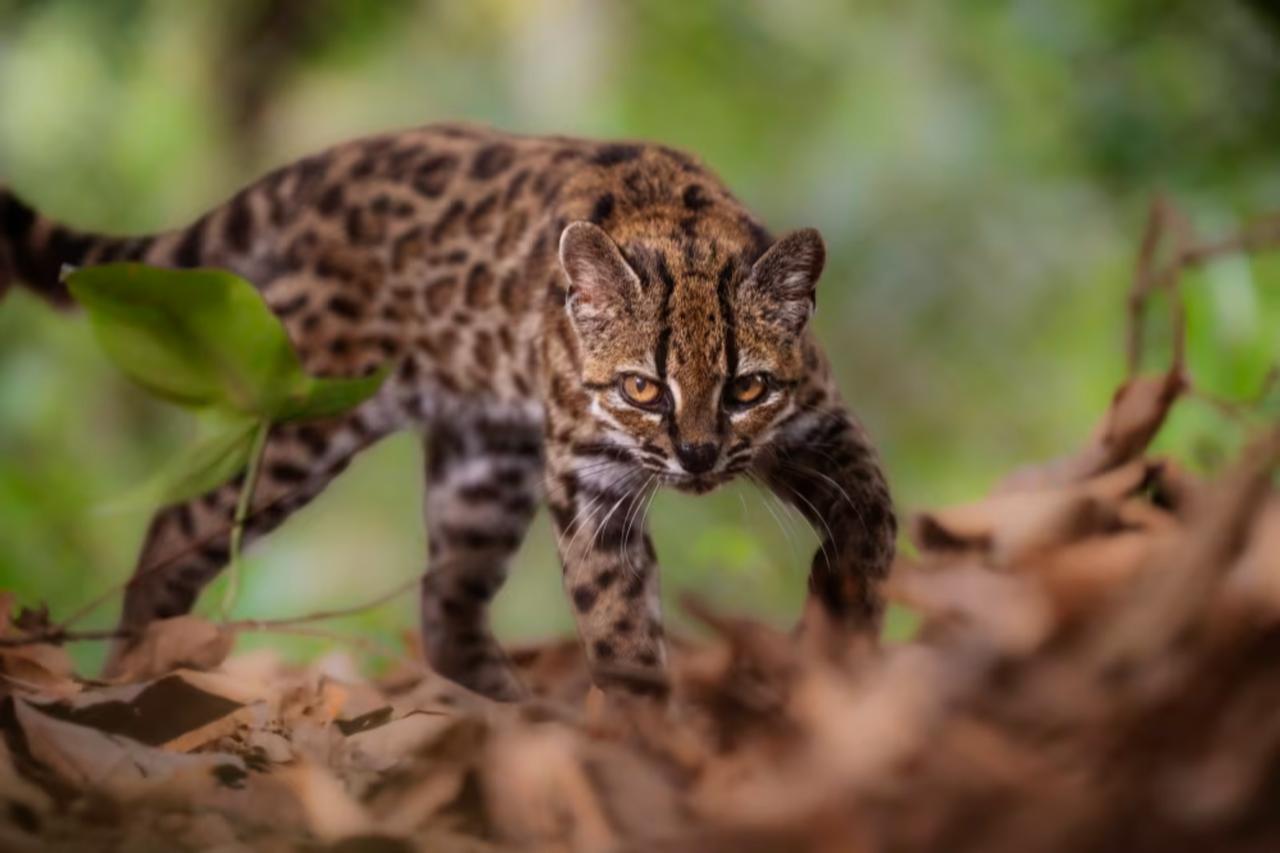


Scientists have identified a previously unknown wild cat species, the first such discovery in a hundred years.
The animal, named Leopardus tilcayo or the tilcayo tiger cat, is a small, slender, spotted cat with rounded ears, smaller than an average house cat.
It inhabits the Yungas cloud forest in Bolivia, where the Andes Mountains meet the Amazon basin. Details of the species were published Thursday in the journal Current Biology.
Discovering a new mammal of this size is uncommon, as most newly identified species tend to be quite small, according to Paola Nogales-Ascarrunz, study co-author and head of Bolivia's wild cat conservation program, Programa de Investigacion de Felidos Bolivia.
"This time, it's a cat. That's really novel. And it hasn't happened in 100 years," she said, noting that the animal had never before been named or scientifically documented.
Researchers do not yet know how large the tilcayo population is. Nogales-Ascarrunz, whose work is backed by National Geographic, said further study is needed to determine population numbers, information she called essential to the species' protection.
Tiger cats, a group of small wild felines native to South and Central America, are increasingly threatened by expanding agriculture and development.
The study identifies five tiger cat species across South America, all living in rapidly shrinking habitats, according to co-author Tadeu de Oliveira, an ecologist at Brazil's State University of Maranhao.
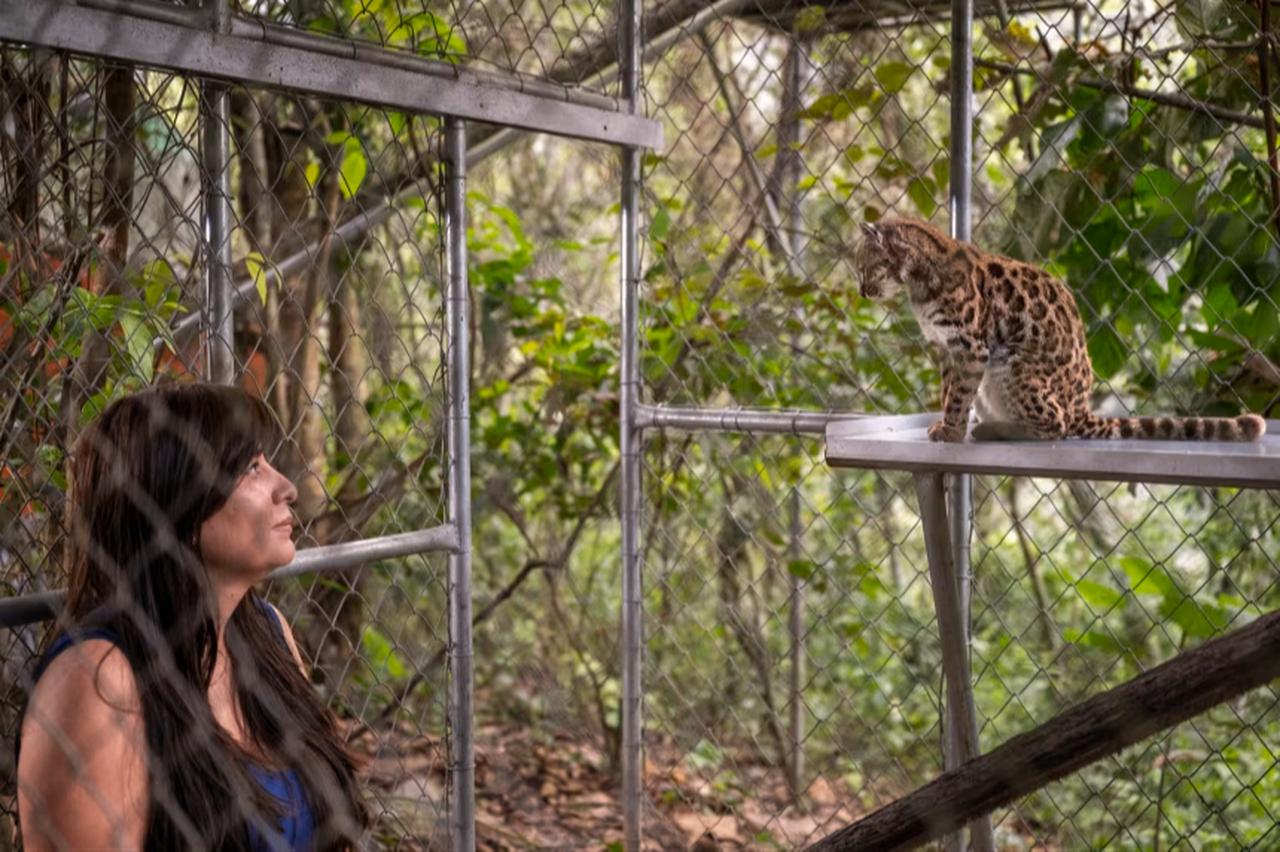

The species may have gone unnoticed had Nogales-Ascarrunz, who volunteers at the Senda Verde Wildlife Sanctuary near La Paz, not spotted something unusual about one particular cat brought into the facility. She initially mistook the unusually small animal for a kitten.
The cat had been taken in by a local forest resident who believed it was a domestic kitten and fed it human food before realizing it was a wild animal he could not care for, prompting him to hand it over to the sanctuary.
While colleagues initially suspected the cat belonged to a known Brazilian tiger cat species, Nogales-Ascarrunz noted its markings and tail did not match.
Genetic testing on this cat and a second one later brought to the sanctuary confirmed the pair belonged to a distinct species that split from other tiger cat lineages about 1.4 million years ago, a difference significant enough to classify it as new.
Although new to science, the species has long been recognized by local Bolivian communities, who call it "tilcayo," a name passed down through generations rather than tied to any specific Indigenous-language meaning. Researchers chose to preserve this traditional name rather than assign a new one.
While around 65 new mammal species are named each year, most result from splitting previously known species after new genetic evidence emerges, unlike the Sunda clouded leopard of Borneo, which was reclassified in 2006 despite existing museum specimens.
The tilcayo, however, had never been collected or studied in any form before now, according to de Oliveira.
Nogales-Ascarrunz believes the species is likely already at risk and sees its discovery as further justification for conservation efforts.
"It's a new reason to protect the world," she said.


 Set as preferred source
 Set as preferred source


 1 min read


 1 min read


