

 Sign in
 Newsletters


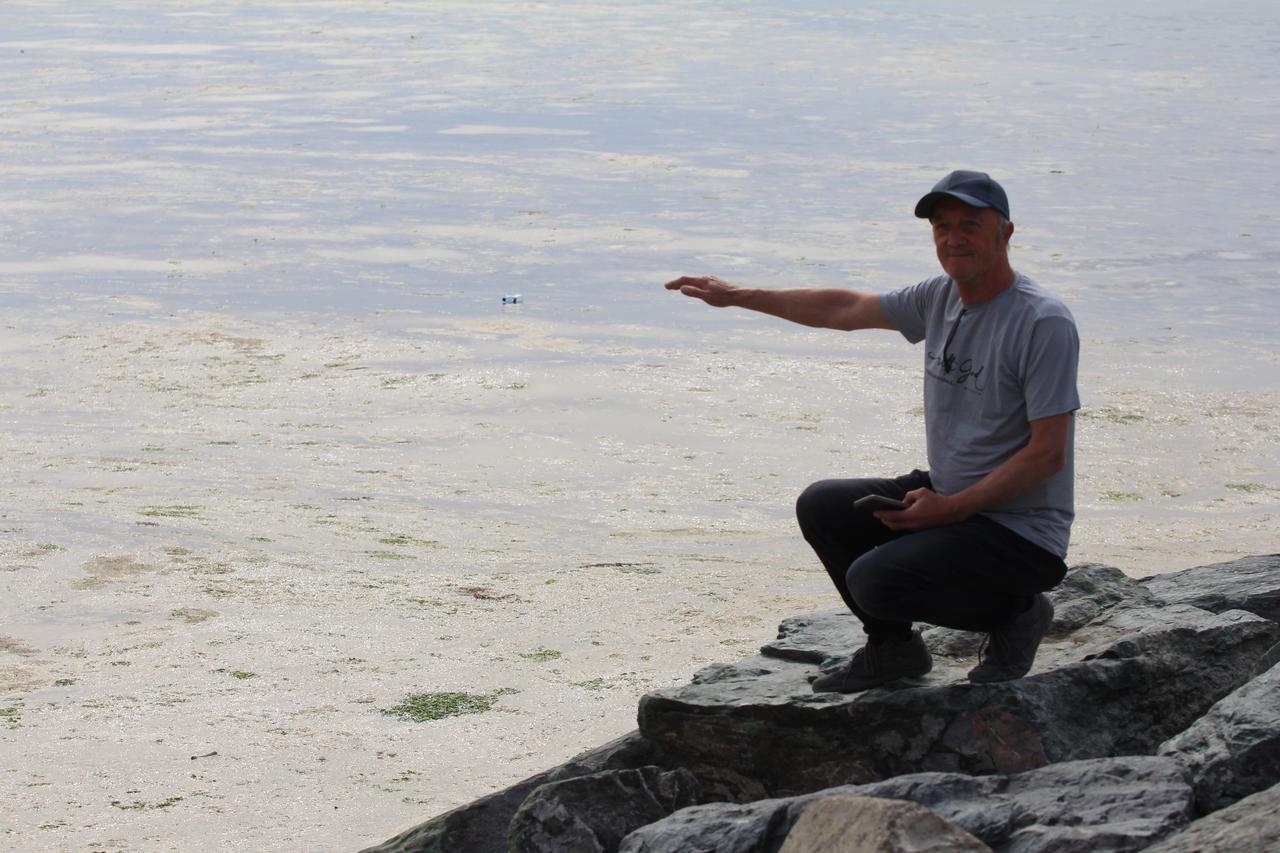


Marine mucilage, commonly known as "sea snot," has reappeared in Türkiye's Marmara Sea, raising renewed concerns about marine ecosystems and fishing activities following the widespread outbreak that caused significant environmental damage in 2021.
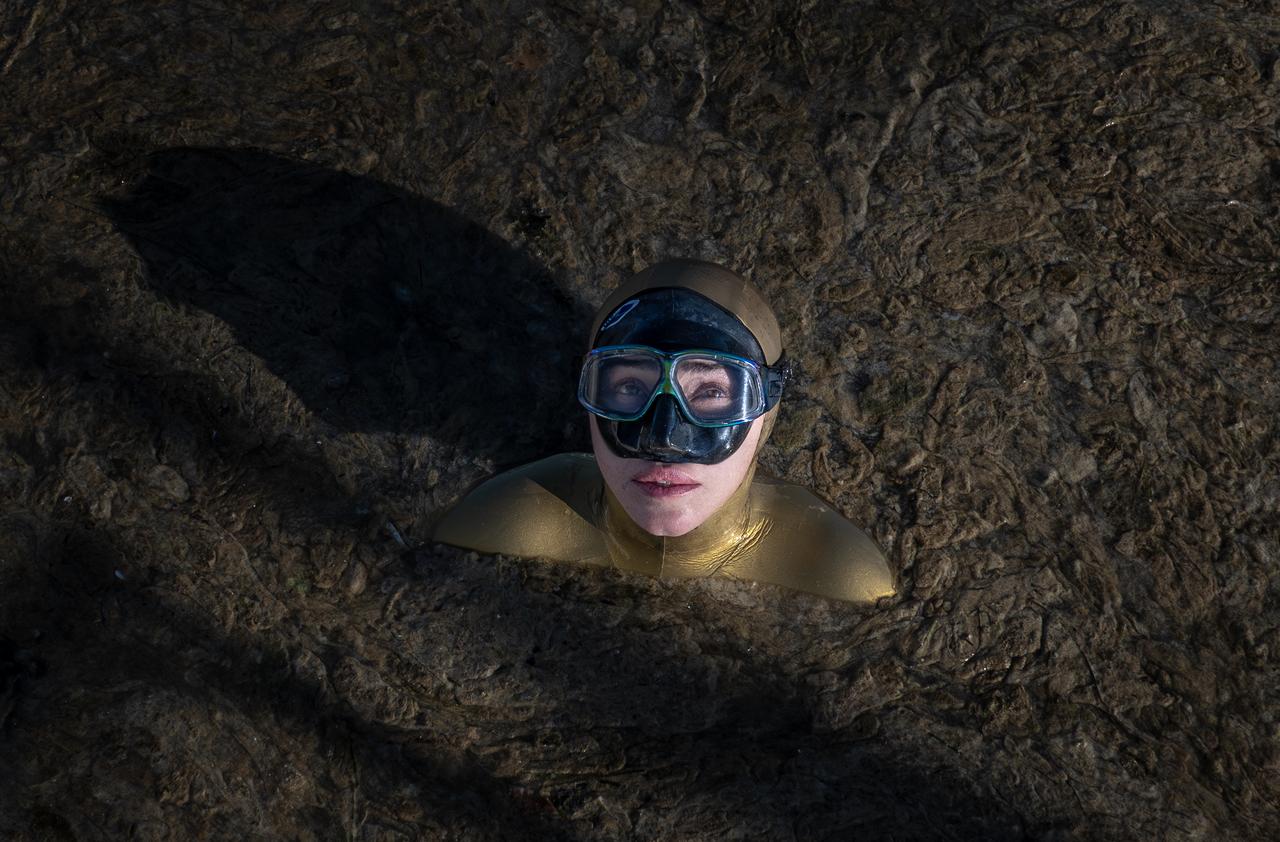
Underwater footage recorded by divers has revealed extensive mucilage formations in the Gulf of Gemlik in Bursa province, while similar conditions have been reported around Pasalimani Island and the Gulf of Erdek in Balikesir province.
During a dive between Narli and Kapakli in the Gulf of Gemlik, mucilage was documented at depths ranging from 5 to 30 meters (16 to 98 feet), becoming particularly concentrated below 10 meters.
The substance, a thick, sticky accumulation of organic material that develops in marine environments, is primarily associated with pollution, while rising seawater temperatures also contribute to its formation.
 1 min read

Professor Mustafa Sari of Bandirma Onyedi Eylul University's Faculty of Maritime Studies warned that the renewed appearance of mucilage indicates that the Marmara Sea has not overcome its pollution problems.
Sari said it was not possible to reassure the public that mucilage would disappear permanently, emphasizing that increasing pollution could eventually extend the threat to the Mediterranean.
He described the Marmara Sea as the heart of the Mediterranean marine system, explaining that environmental problems developing in its waters could have consequences for the wider region.
According to Sari, just as a problem affecting the heart can influence the entire body, deterioration in the Marmara Sea could affect the broader Mediterranean marine environment.
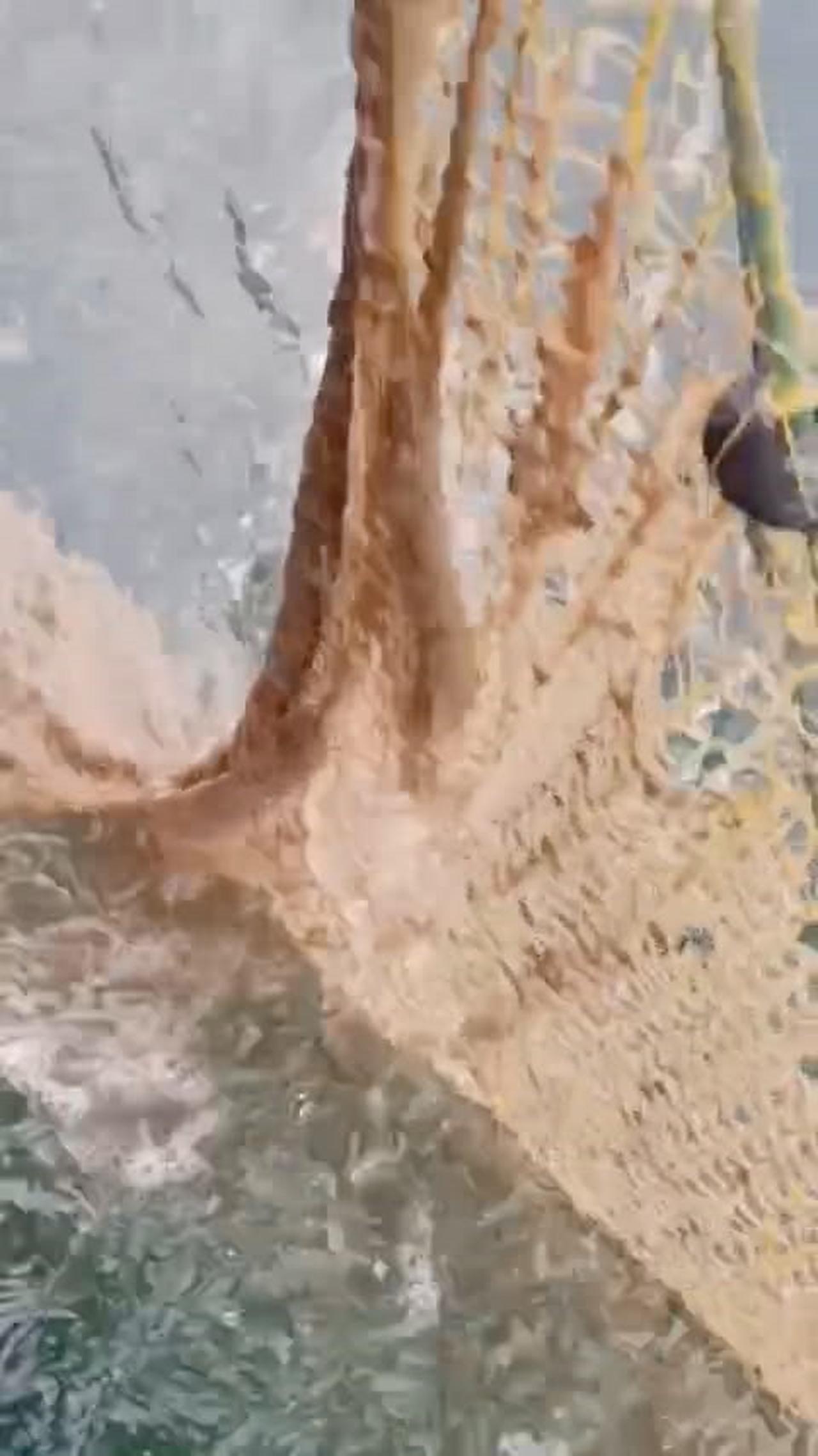

The return of mucilage has also begun affecting local fishing activities, with fishermen reporting that their nets are filling up with the substance instead of fish.
Sari recalled that small-scale fishermen suffered severe financial losses during previous mucilage outbreaks, particularly in the 2007-2008 and 2020-2021 fishing seasons.
He said some small-scale fishermen lost as much as 90% of their income, while larger fishing vessels were able to move their operations to the Black Sea, Aegean Sea and Mediterranean.
Unlike larger operators, small-scale fishermen had fewer alternatives when mucilage disrupted their traditional fishing grounds, he explained.
The latest underwater observations have renewed concerns about the conditions that contributed to the 2021 outbreak, as pollution and rising seawater temperatures continue to create favorable conditions for mucilage formation.


 Set as preferred source
 Set as preferred source




 1 min read


