Newsletters


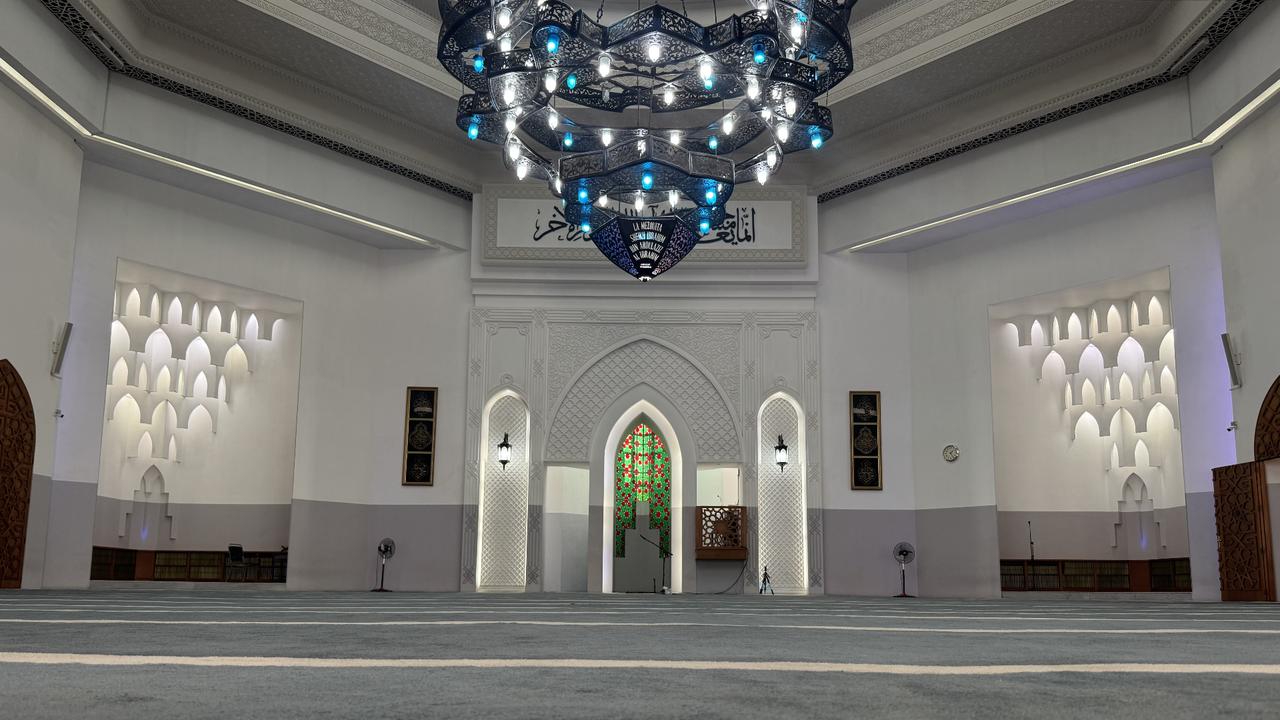
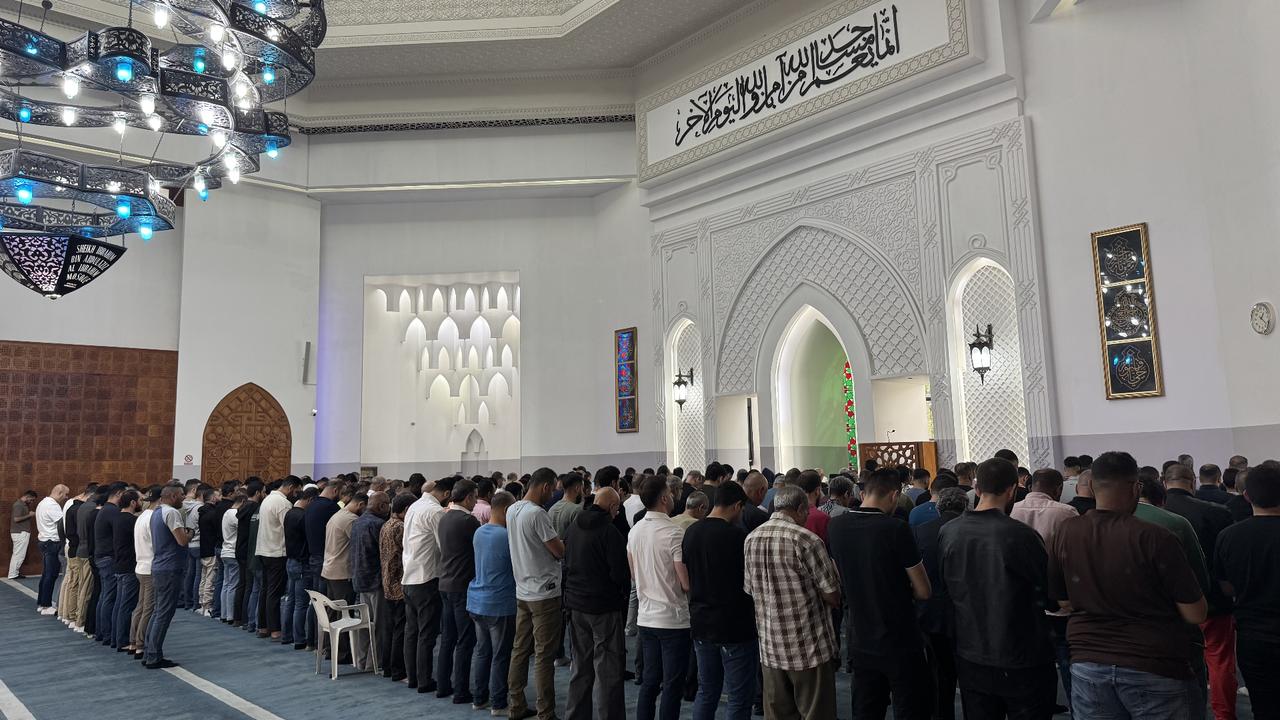
The Sheikh Ibrahim Al-Ibrahim Mosque in Caracas stands out as one of the most important Islamic centers in Latin America, welcoming up to 3,500 worshippers at a time and serving as a central gathering place for Venezuela’s Muslim community.
Located in the capital city, the mosque continues to bring people together for daily prayers while also drawing large crowds during Ramadan and the two major Islamic holidays, Eid al-Fitr and Eid al-Adha, which mark the end of fasting and the annual pilgrimage season.
The complex has gradually grown into both a religious and communal hub for Muslims living across the country.
Construction began in 1989 and wrapped up four years later, with the mosque officially opening in 1993 after being financed by Saudi philanthropist Sheikh Abdulaziz Bin Ibrahim Al Ibrahim.
Built on an area of nearly 5,000 square meters, the project reflected cooperation between international donors and Venezuela’s local Muslim community.
Today, the mosque is recognized as the second-largest mosque in Latin America, highlighting the region’s diverse religious landscape and the long-standing presence of Islam in the Americas.
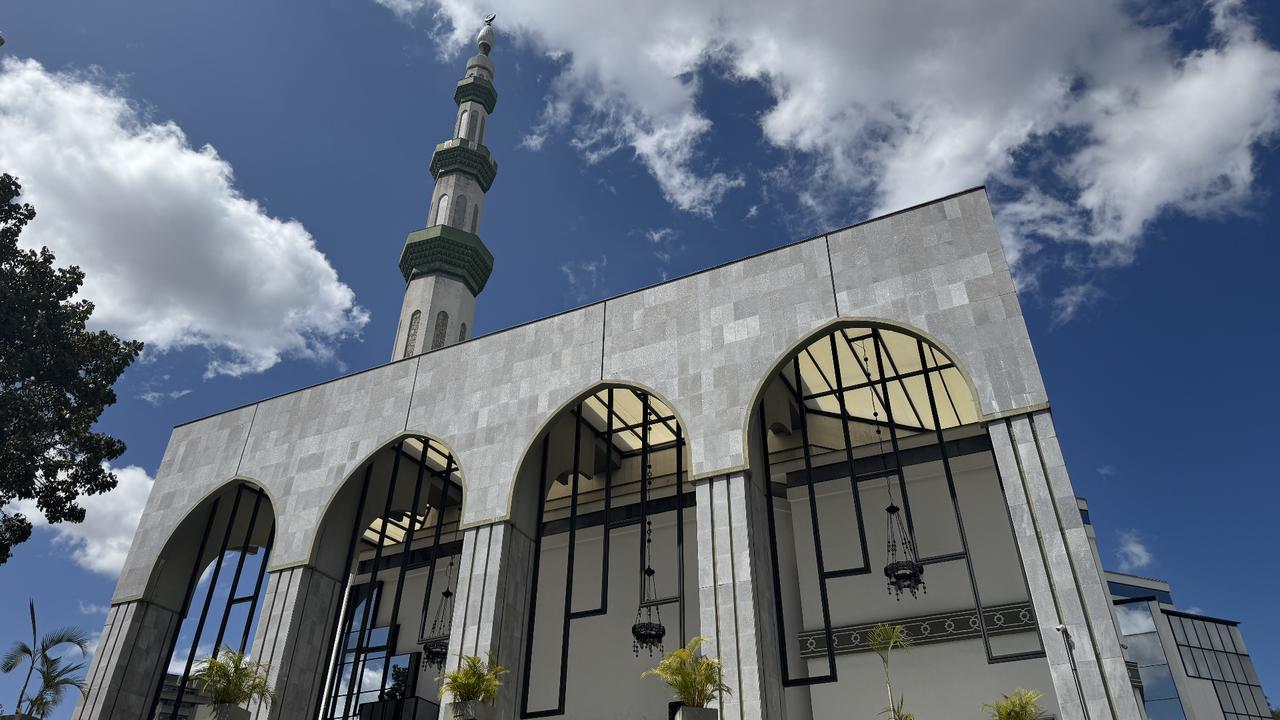
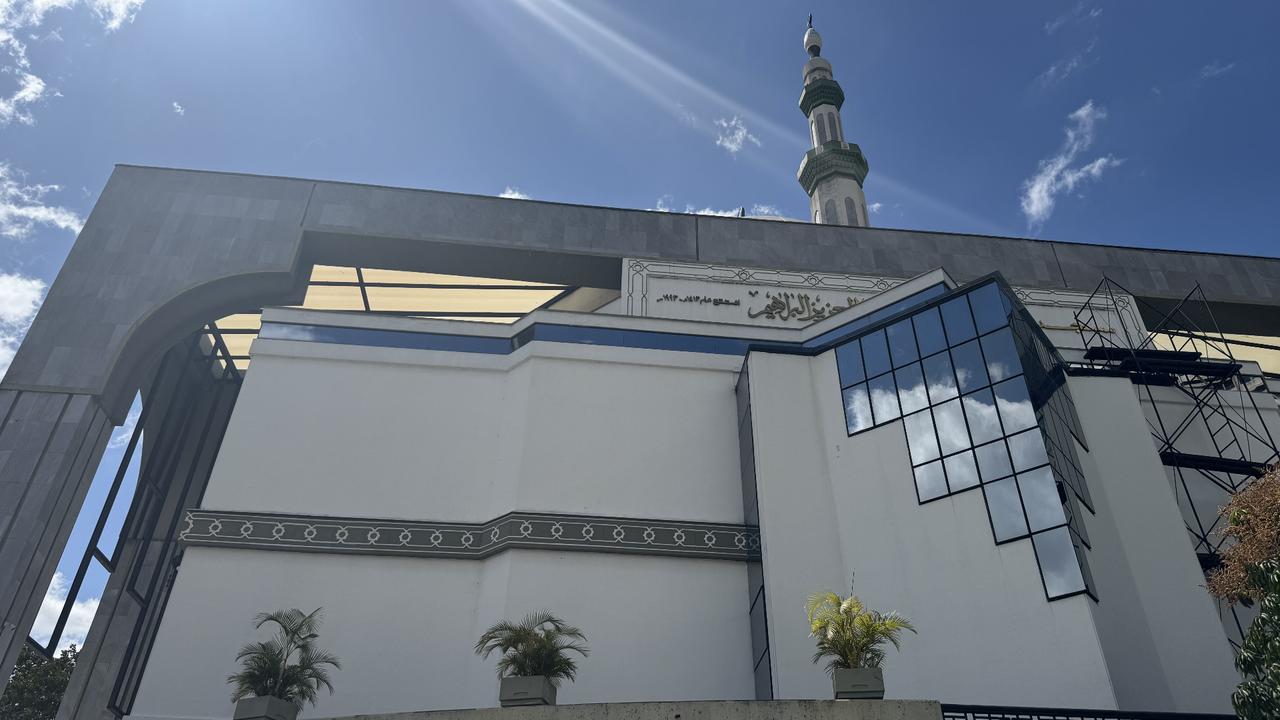
Designed in a traditional Islamic architectural style blended with modern influences, the mosque combines geometric patterns and Arabic inscriptions with contemporary design elements.
A mosque, for international readers unfamiliar with the term, is a Muslim place of worship where communal prayers and religious gatherings take place.
Inside, the structure’s 23-meter-high dome helps shape a calm spiritual environment, while architectural transitions guide visitors from the busy streets of Caracas into a quieter interior devoted to reflection and prayer.
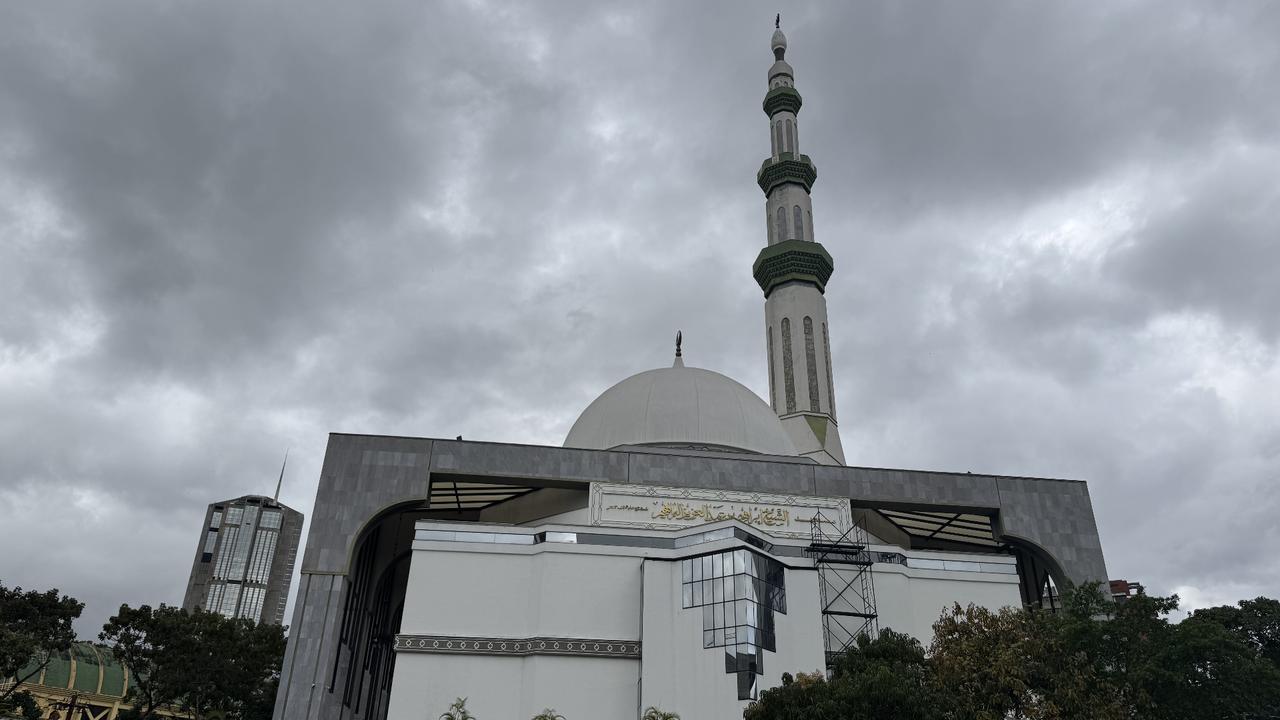
One of the mosque’s most striking features is its 113-meter minaret, a tall tower traditionally used for the call to prayer, which rises prominently above surrounding buildings and is considered the tallest minaret in the Americas.
The structure has become a recognizable feature of the city skyline, visually placing Islamic architecture alongside Caracas’s churches and synagogues and reflecting the city’s religious diversity.
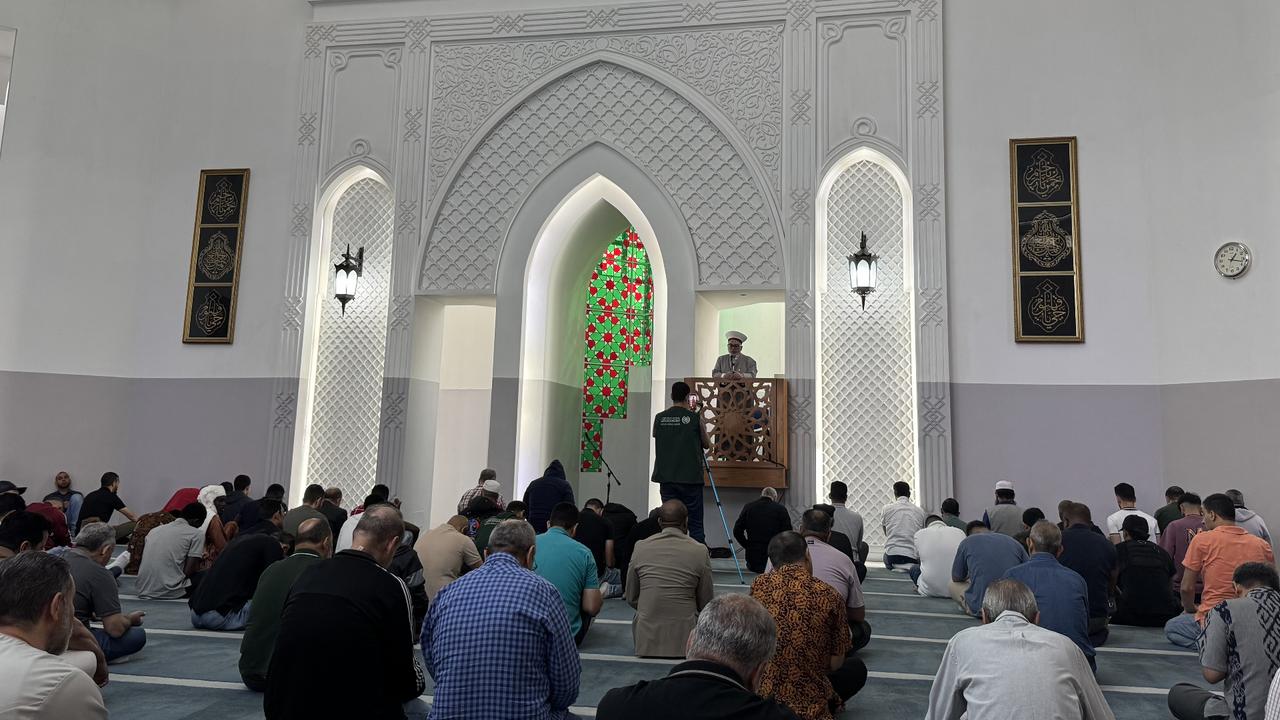
While daily worship remains at its core, the mosque also functions as a social and educational center.
Meeting halls and classrooms host Arabic language courses, seminars on Islamic history and sciences, and cultural programs designed to bring people together.
These activities help turn the mosque into a broader community space where learning and dialogue take place alongside religious practice, strengthening connections among Venezuela’s estimated 100,000 Muslims.
Religious guide Omar Cat Daura explained that many Venezuelans show curiosity about Islam, and the mosque works to provide clear and accessible information to visitors.
Mosque official Abdul Hade described the institution as a religious, cultural and academic reference point in Caracas, emphasizing in a notable statement that they aim to present Islam’s true message based on peace, moderation and proper understanding.


 Set as preferred source


 6 min read