Newsletters


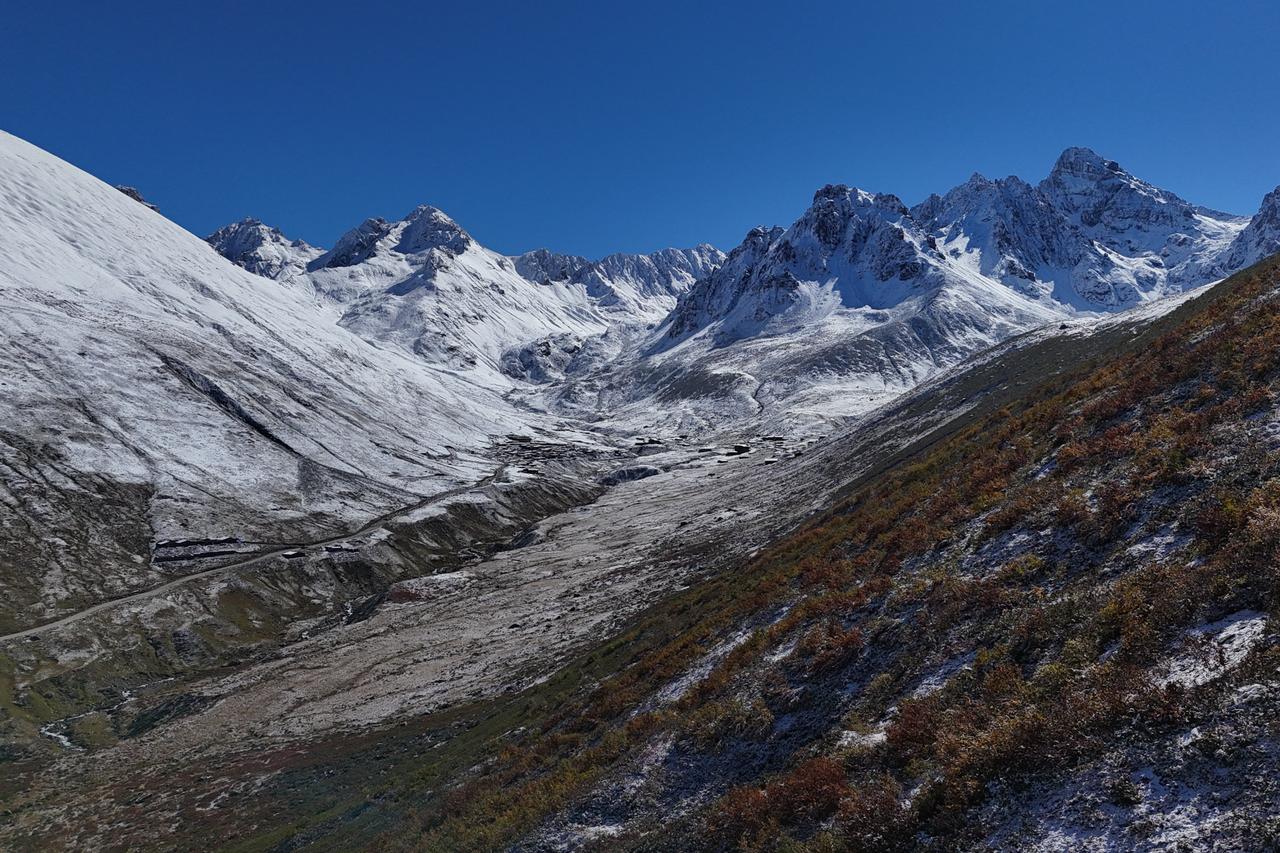


Since 2007, temperature has become more influential than precipitation in causing snow drought in Türkiye's snow-fed river basins, according to a two-year Istanbul Technical University (ITU) study.
Warm-dry snow drought now covers 13% of the study area on average and occurs in all 15 basins analyzed, while snowmelt runoff arrives earlier in the year.
Snowmelt supplies 44.7% of long-term river flow in these basins on average, and changes in snow cover mainly affect spring flow.
The study, titled "Winter warming is changing snow drought regimes and hydrological conditions: A case study from Türkiye," analyzed data from 1990 to 2024 and was published in the Hydrological Sciences Journal.
Harun Aslan led the study under the supervision of Prof. Tolga Gorum, director of the ITU Eurasia Institute of Earth Sciences, and Assoc. Prof. Abdullah Akbas, while Asst. Prof. Seckin Fidan from Ankara University also contributed.
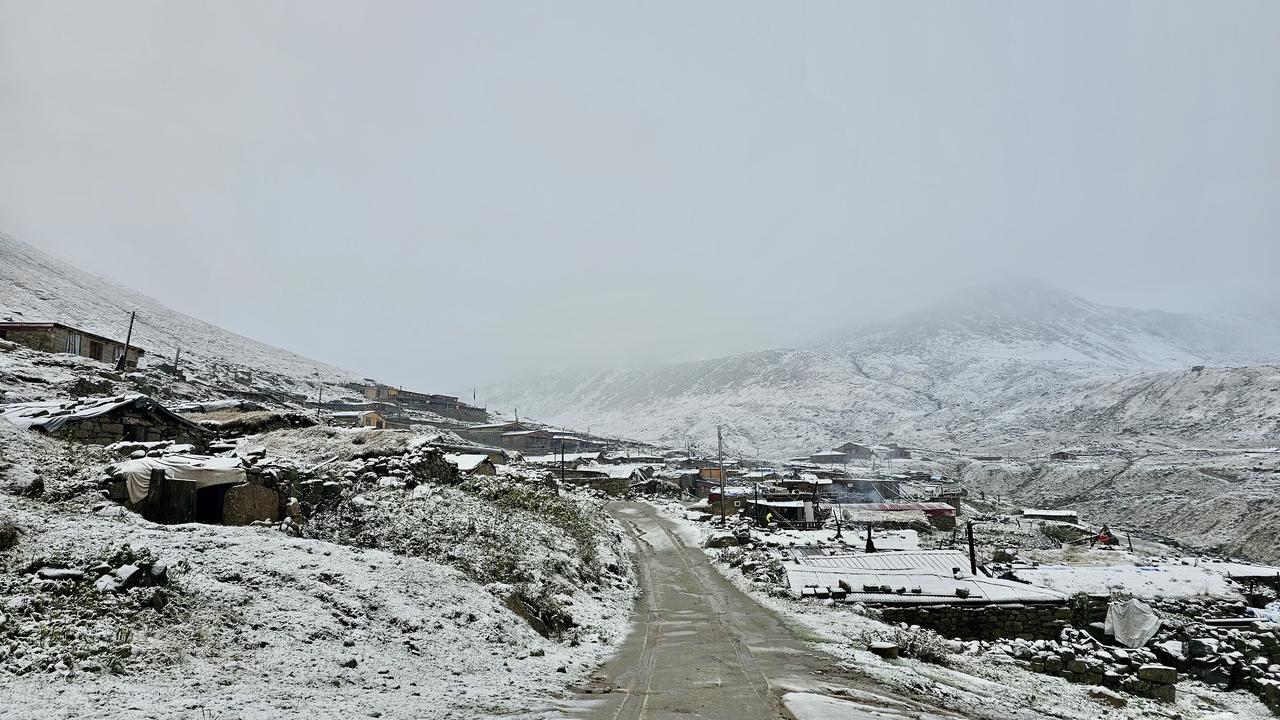

Researchers studied 15 out of Türkiye’s 25 main basins. They chose these basins because at least half of their area has a long-term average snow water equivalent of 20 millimeters or more.
The study defined snow drought as when the snow water equivalent drops below normal. It identified three types: dry snow drought, which happens when there is less precipitation; warm snow drought, which happens when higher temperatures cause rain instead of snow; and warm-dry snow drought, which combines both less precipitation and higher temperatures. After 2007, temperature became a more important cause of snow drought than precipitation.
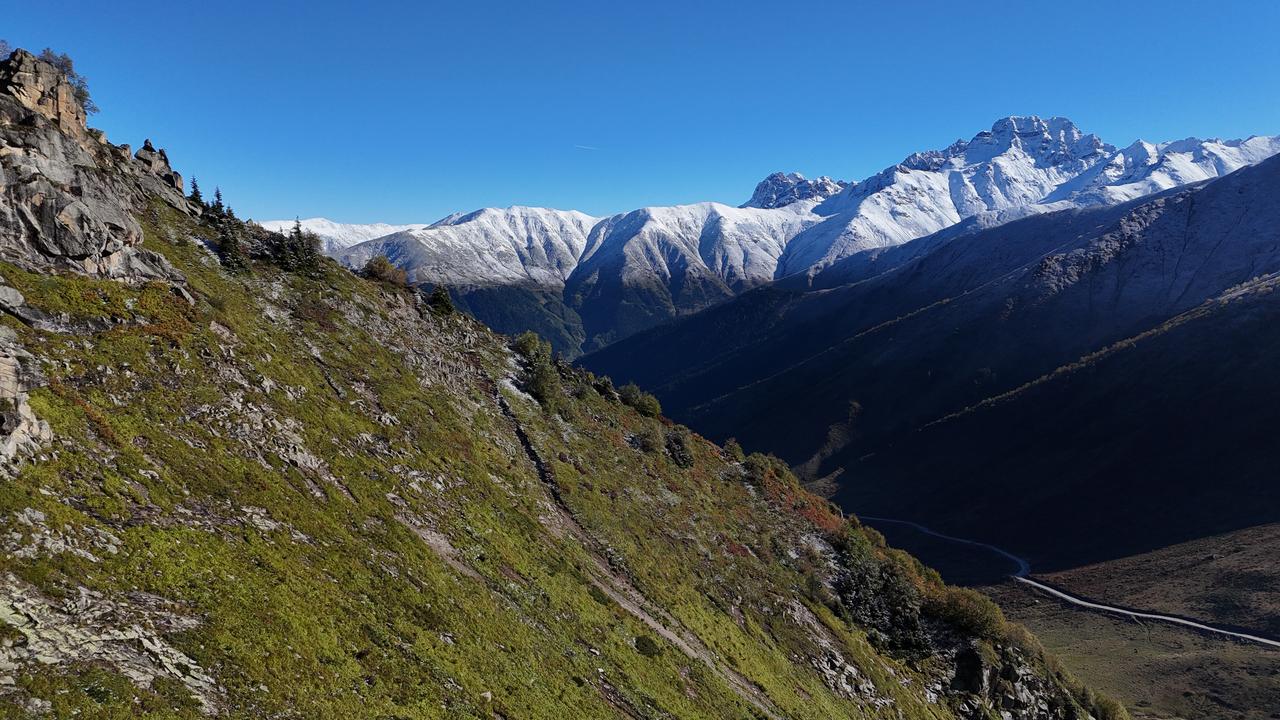
On average each year, dry snow drought affected 3% of the study area, warm snow drought affected 8%, and warm-dry snow drought affected 13%. Warm-dry snow drought was found in all 15 basins.
Warm snow drought covered 14% of the Ceyhan Basin and 12% of the Kizilirmak Basin. After 2007, the area affected by dry snow drought shrank, while areas affected by warm and warm-dry snow drought grew.
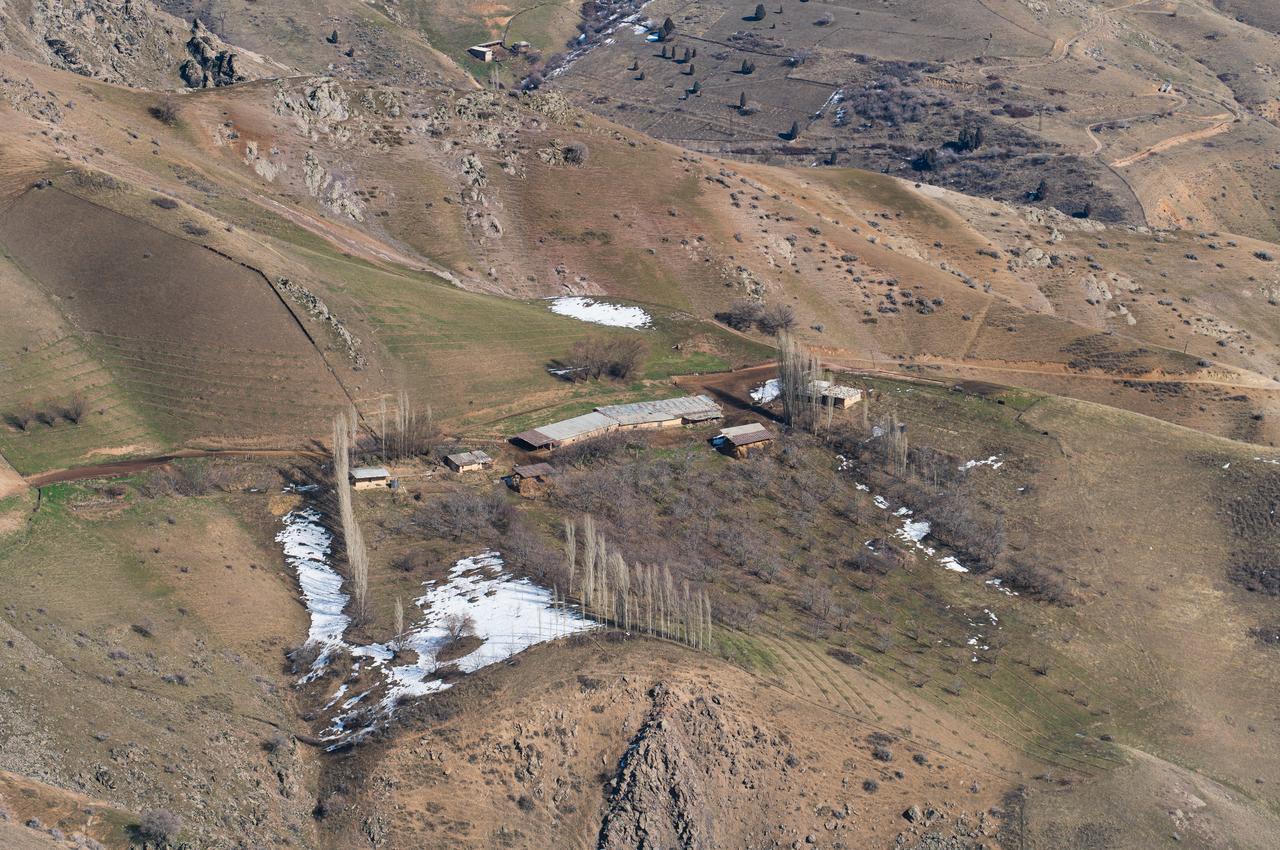
Snowmelt made up between 34.1 and 53.8% of the long-term total river flow in the basins studied, averaging 44.7%. This mostly affected spring river flow.
During years with dry snow drought, the median flow anomaly dropped by 17%, and in warm-dry years, it dropped by 36%. In warm snow drought years, it increased by 6%.
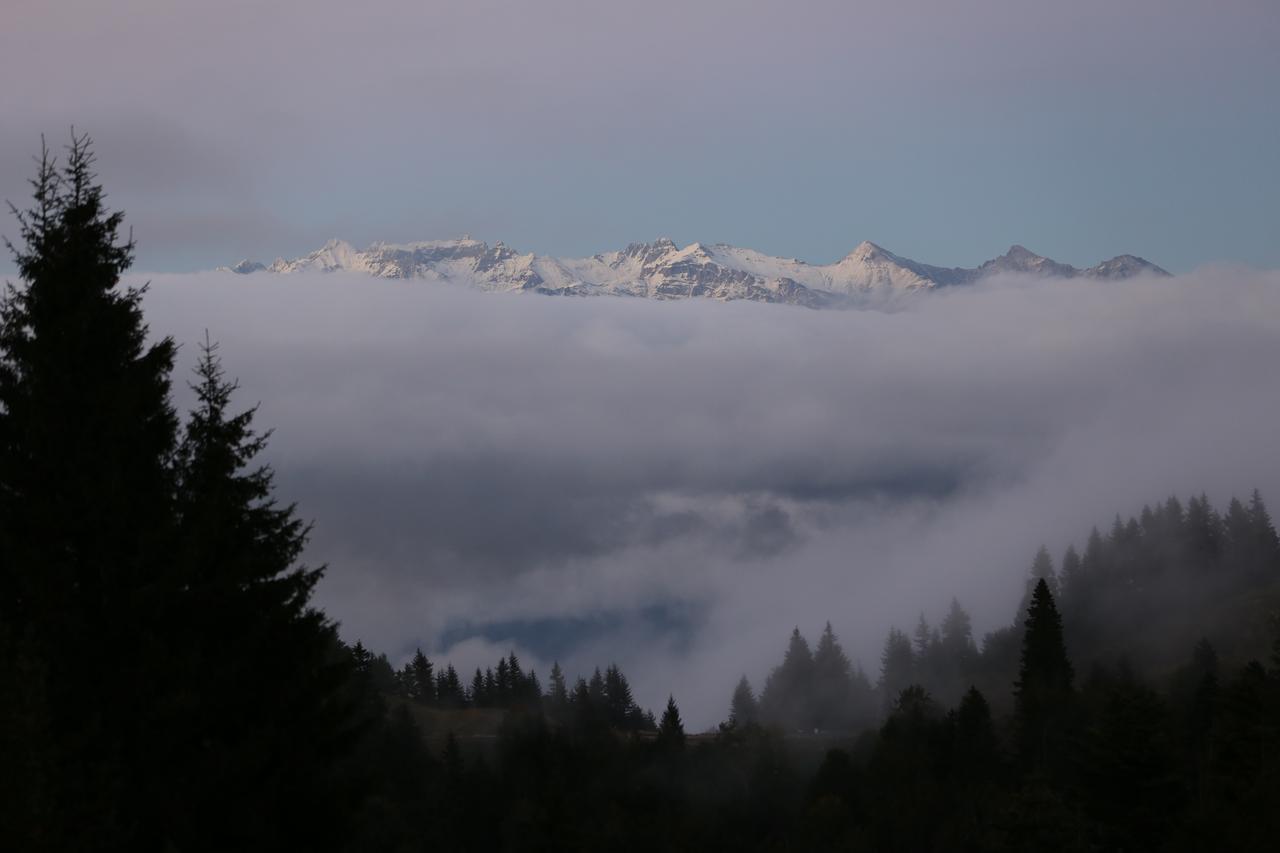
During warm snow drought, snow water equivalent dropped by about 74% below 2,000 meters (6,562 feet) and by 19% between 2,000 and 3,000 meters.
In years without snow drought, about 70% of the snow cover volume is found below 2,000 meters.
The researchers said losing snow between 500 and 2,000 meters could seriously affect water resources.
Warm-dry snow drought was the most severe type in all basins and was the most frequent and risky in 14 of them.
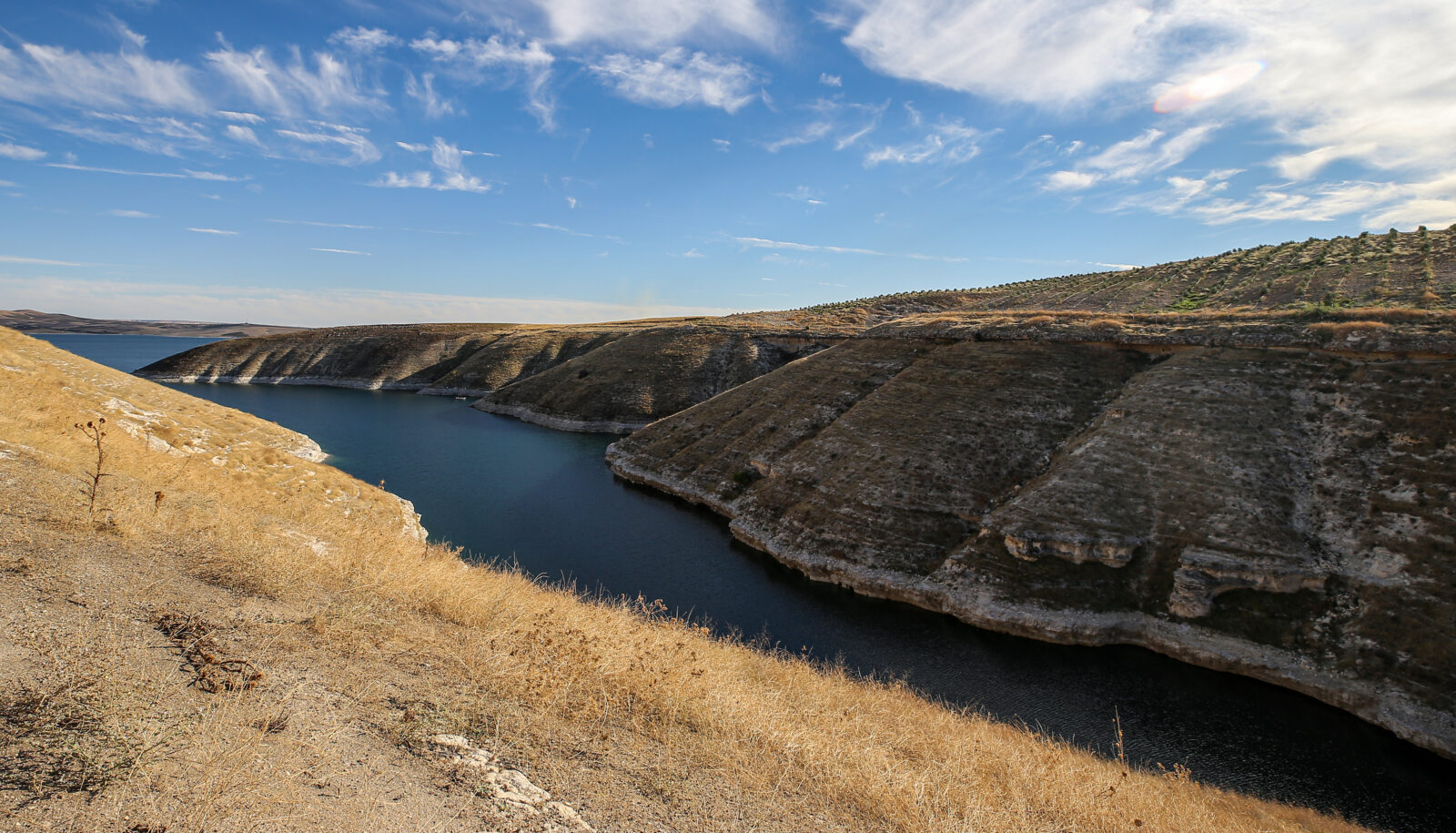
Akbas said that because snow drought is now driven by temperature, water management should focus on when water is available, not just how much there is.
Higher temperatures can make more winter precipitation fall as rain instead of snow, or cause snow to melt earlier. This means water leaves natural storage sooner.
"It is no longer only about how much water we have, but also about when this water is available," Akbas said. He said combined heat and low precipitation could reduce inflows to dams and affect hydroelectric production.
Aslan described snow cover as a natural reservoir that brings water into the summer. "Snow drought is related not only to how much snow falls but also to how long the snow can store water," he said.


 Set as preferred source
 Set as preferred source



 2 min read