Newsletters


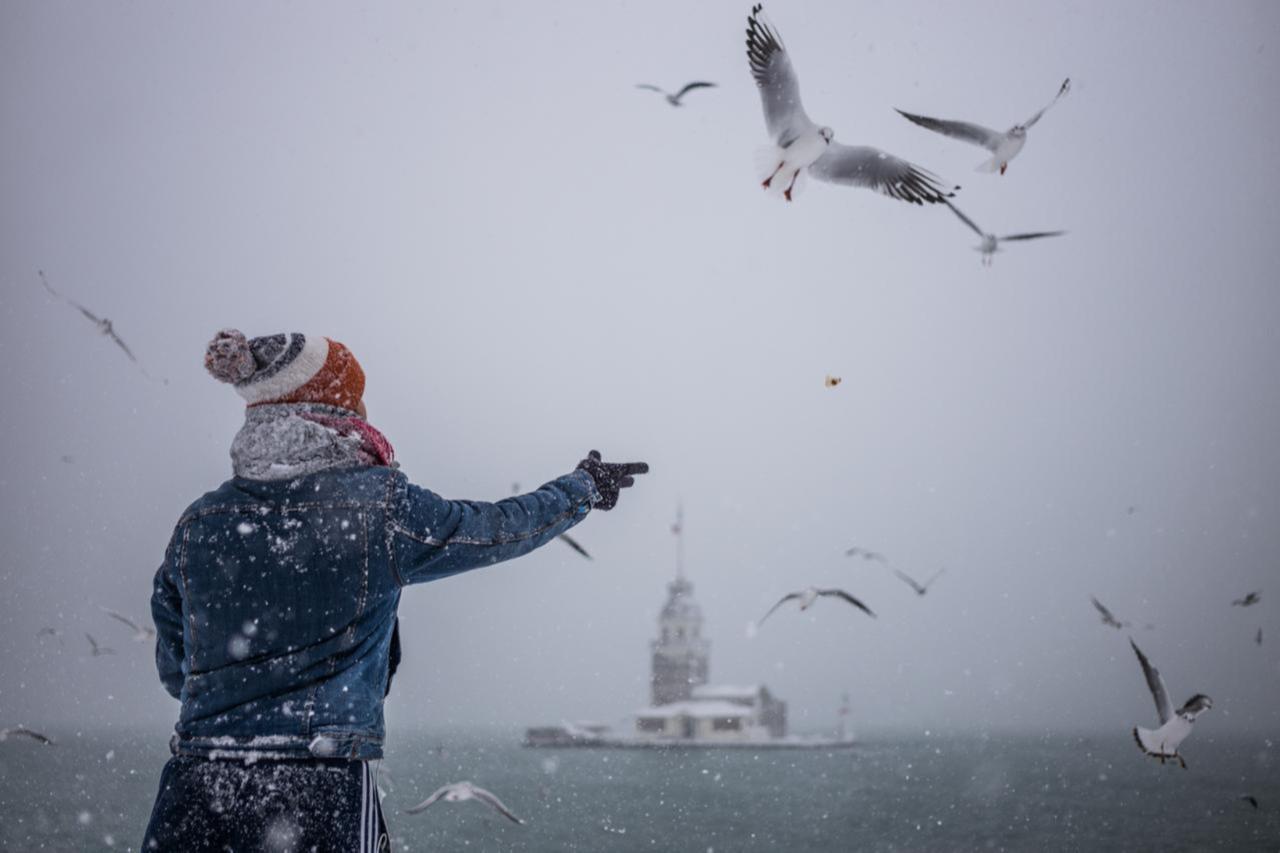


Meteorology experts in Türkiye warn that the country may face its harshest winter in 9 years, with a major cold air wave expected to arrive after January 18.
Istanbul may see snow in higher districts later this month, while northern, inland, and eastern regions face risks of ice and heavy snowfall through late January, February, and possibly early March.
Afyon Kocatepe University academic Okan Bozyurt said current weather systems will leave Türkiye in the coming days. Temperatures will rise briefly before a much colder air mass enters through the Black Sea corridor. He warned that winter conditions will intensify after January 18.
Speaking on TRT Haber on air, Bozyurt said, “I expect a colder air mass to enter after January 18 through the Black Sea. On the nights of January 19, 20, and 21, temperatures in inland regions may fall to minus ten degrees or lower. Therefore I expect strong ice conditions in northern, inland, and eastern regions.”
The warning follows a winter season that has so far stayed near seasonal averages. Bozyurt said that if forecasts hold, temperatures will drop below normal levels in many areas and precipitation may rise above seasonal norms in some regions.
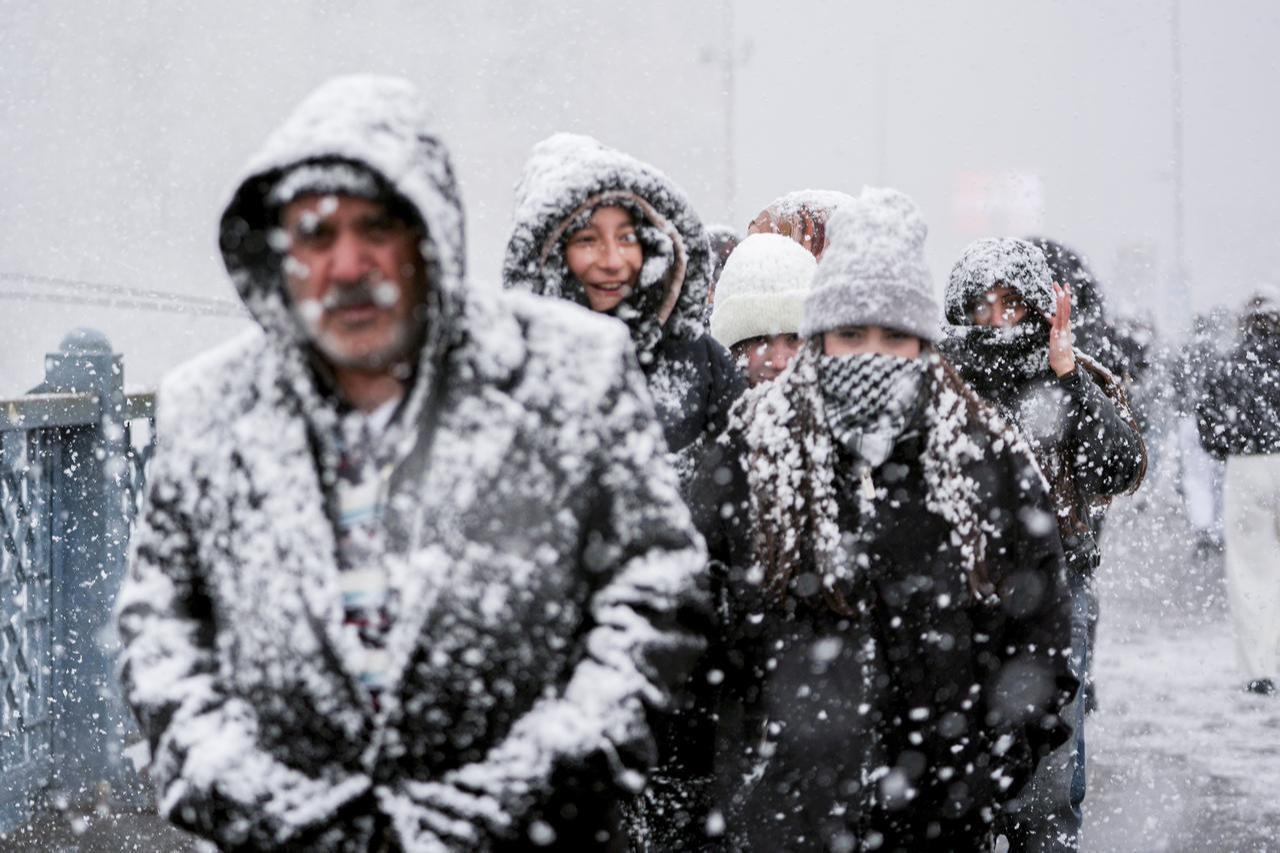

Snowfall has remained limited in Istanbul so far this winter. Short snow events appeared in some districts earlier this month and some schools closed briefly but accumulation remained low.
Bozyurt said Istanbul will likely see snow passes in higher elevations. He does not expect severe accumulation in low lying districts at this stage.
“I said earlier that I expect snow in Istanbul but not very intense snowfall. There may be snow passes in higher parts of the city, but I do not expect frightening accumulation in lower areas,” he said.
Meteorology reports indicate that the current precipitation system will remain until midweek, then exit Türkiye. A colder wave is expected to replace it after January 18. A further weather system may arrive after January 25 through the Balkans and the Black Sea.
Bozyurt said this second system is not yet fully clear in forecasts but could bring effective snowfall to northern, inland, and eastern regions by the end of January.
For expats living in Istanbul, this means travel disruption risks may rise in hill districts and outer suburbs toward late January, especially during hours when ice may form.
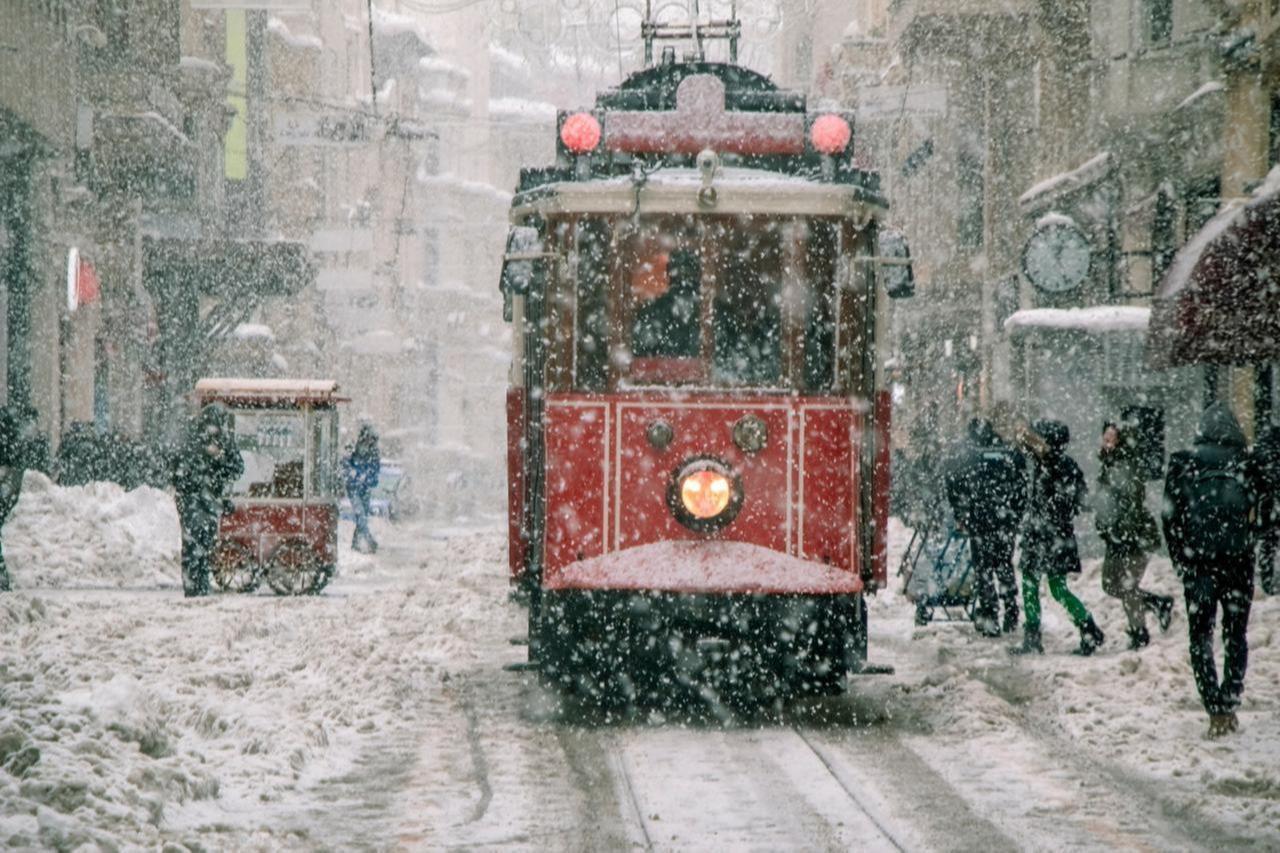
Experts say the more severe phase of winter may arrive in February and extend into early March.
Bozyurt linked this to large scale atmospheric patterns affecting Europe.
He said excessive stratospheric warming in polar regions has slowed polar winds and allowed cold oscillations to move toward lower latitudes. This may bring very severe winter conditions to Northern and Central Europe. He said this system appears likely to descend toward Eastern Europe and Russia and may reach Türkiye.
Bozyurt said February could be colder than January and harsh winter conditions may extend into the first half of March.
He also repeated his broader seasonal warning. “I said earlier that I expect the coldest winter of the last nine years since 2016. We have not experienced a proper winter since 2016. Current developments show that this expectation is becoming clearer,” he said.
Some reports also noted that heavy snowfall could benefit water reserves. Bozyurt pointed to critically low levels at Izmir’s Tahtali Dam and said strong snow may help replenish water sources.


 Set as preferred source
 Set as preferred source




 6 min read