Newsletters


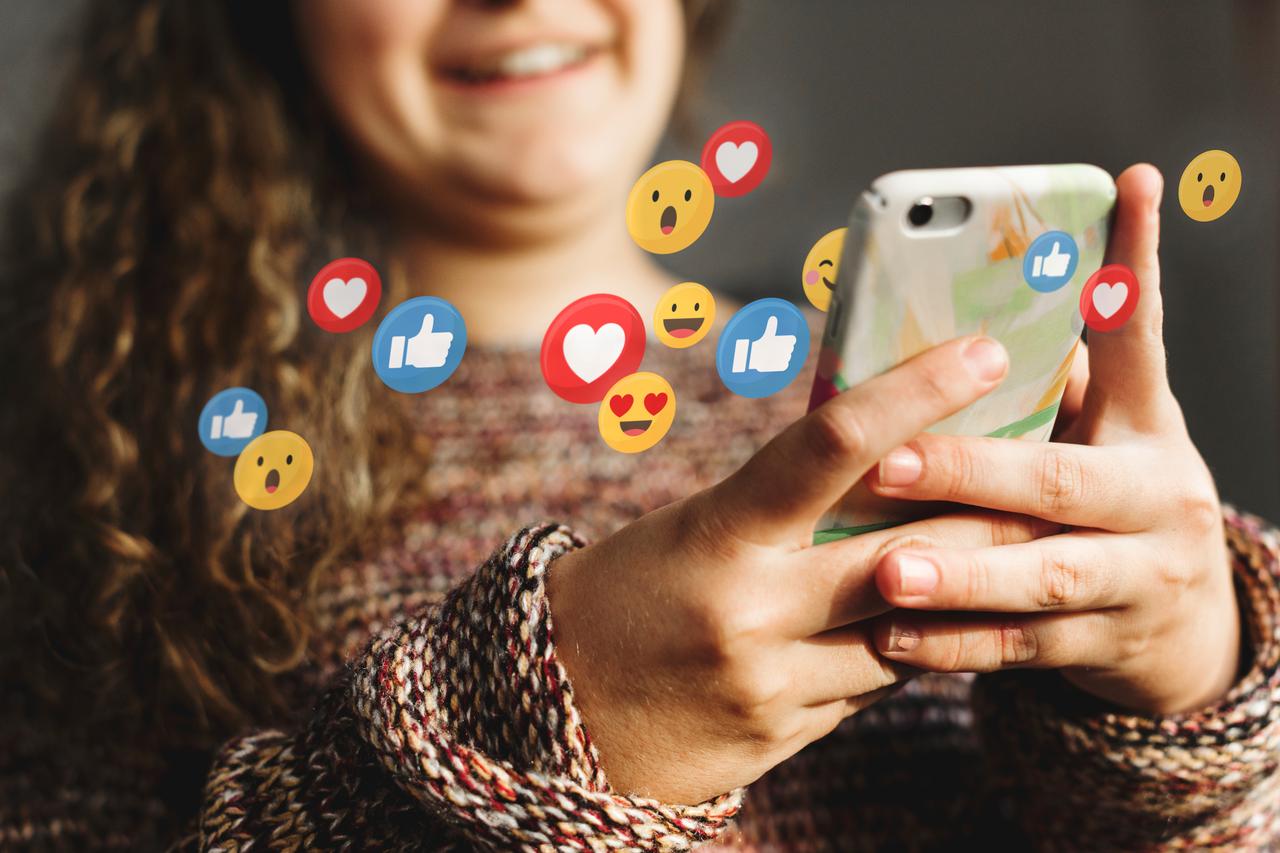


A recent study indicates that frequent social media use may reduce children’s capacity to maintain attention, potentially contributing to rising diagnoses of attention-related disorders.
The research, published in Pediatrics Open Science, followed over 8,300 children in the United States aged 9 to 10 over four years.
Children reported their daily time spent on social media platforms such as Instagram, Snapchat, TikTok, Facebook, Twitter and Messenger, while parents assessed attention, hyperactivity, and impulsivity levels. Average social media use increased from 30 minutes per day at age 9 to 2.5 hours per day by age 13.
The study found that even typical social media use was associated with a gradual decline in the ability to concentrate, which intensified over time.
Professor Torkel Klingberg, senior researcher and professor of cognitive neuroscience at the Karolinska Institute in Sweden, stated that social media’s constant notifications and messages create persistent distractions.
“Even the thought of whether a message has arrived can act as a distraction for the mind,” he explained, emphasizing that such interruptions can hinder sustained focus.
Researchers noted that children with pre-existing attention difficulties did not increase their social media usage, suggesting that social media use may contribute to attention problems rather than result from them.
No significant connection was found between attention deficits and television viewing or video gaming.
The study reported no increase in hyperactivity or impulsive behavior, other hallmark symptoms of ADHD. The link between social media use and inattention was consistent regardless of socioeconomic background or genetic predisposition to ADHD.
Klingberg added, “Our findings suggest that increased social media use may partially explain the rise in attention-related diagnoses among children.”


 Set as preferred source
 Set as preferred source



 3 min read