Newsletters


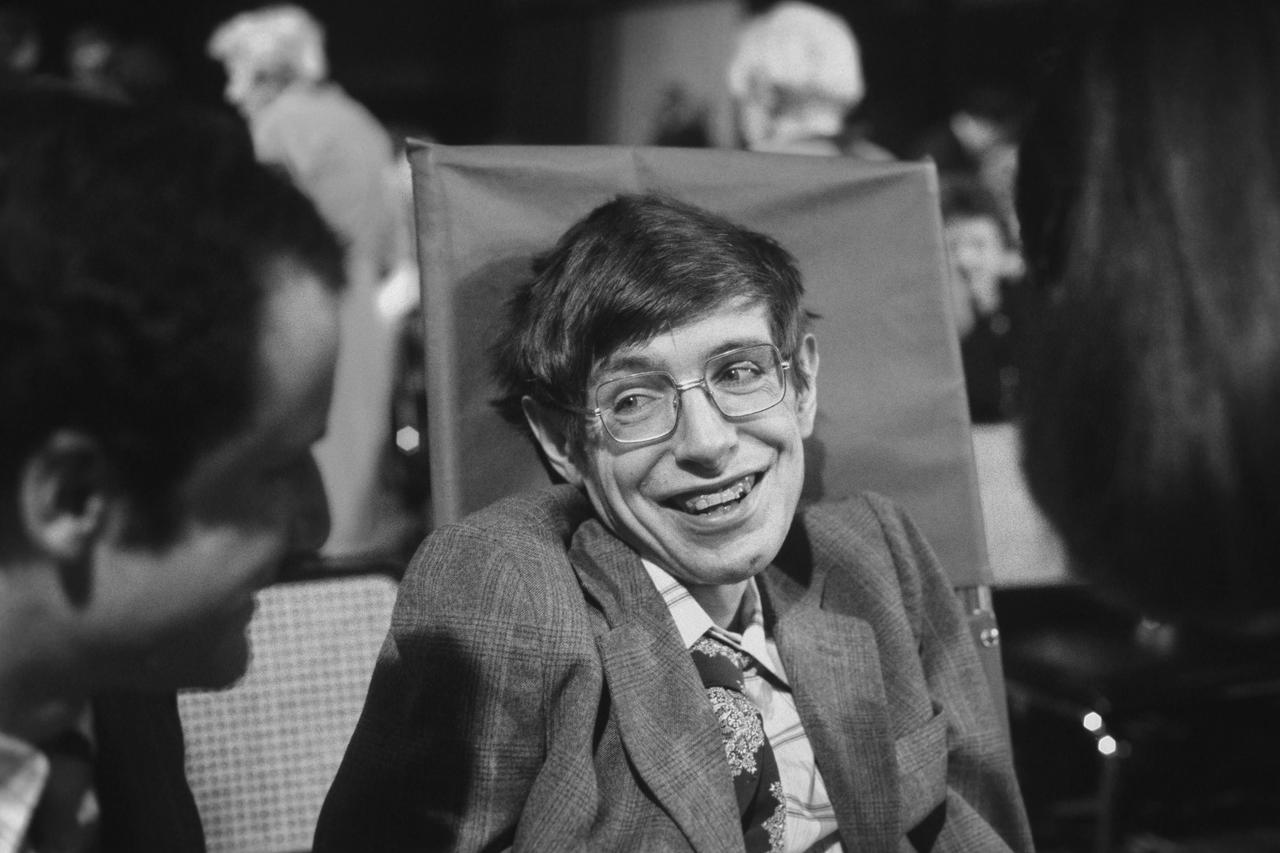


Previously unseen diaries kept by Stephen Hawking's father reveal that the future physicist's early years were marked by family concern, academic doubts and the first signs of a life that would later defy expectations.
Frank Hawking, a specialist in tropical diseases, wrote in 1961 that he and his wife, Isobel, were worried about how their son was turning out. At the time, Stephen Hawking was a student at Oxford, where his father believed he was showing little drive and was not putting enough effort into his studies.
The diaries, some of them written in code, are among the private materials made available to Graham Farmelo, who is preparing the first major biography authorized by the Stephen Hawking estate. The biography is expected to be published in September.
According to the material cited in the report, Farmelo was given access to previously unknown documents that had been kept at the home of Hawking's sister, Mary. These included Frank Hawking's diaries, as well as letters and notebooks belonging to Stephen Hawking's mother, Isobel.
Farmelo described the archive as a "raw and honest insight" into Hawking's upbringing, his illness, his marriages and his rise into one of the world's best-known scientists.
Frank Hawking kept diaries for more than 60 years, and many entries were written in a private code. Farmelo decoded the material and translated more than 200,000 words connected to Hawking's life and family history.
The diaries show that Frank Hawking was deeply concerned about his son's future during his student years and early adulthood. In one 1961 entry, he wrote that Stephen was spending time at home without showing much initiative and was not studying enough.
"We are a little worried at the way Stephen is turning out. He wanders about the house without much initiative and does not do much work," Frank Hawking wrote.
He also recorded Isobel's view that Stephen may have felt an inferiority complex toward his father, while also noting that his son had begun to lose faith in physics at Oxford and seemed to regard it as inferior to the arts.
"If so, that is very sad. At his age, I had great ambition to get on; if I had had half his opportunities, I would have done much more," Frank Hawking wrote.
The documents also shed light on the period after Hawking was diagnosed in 1963 with a fatal degenerative disease that would eventually leave him almost completely paralyzed.
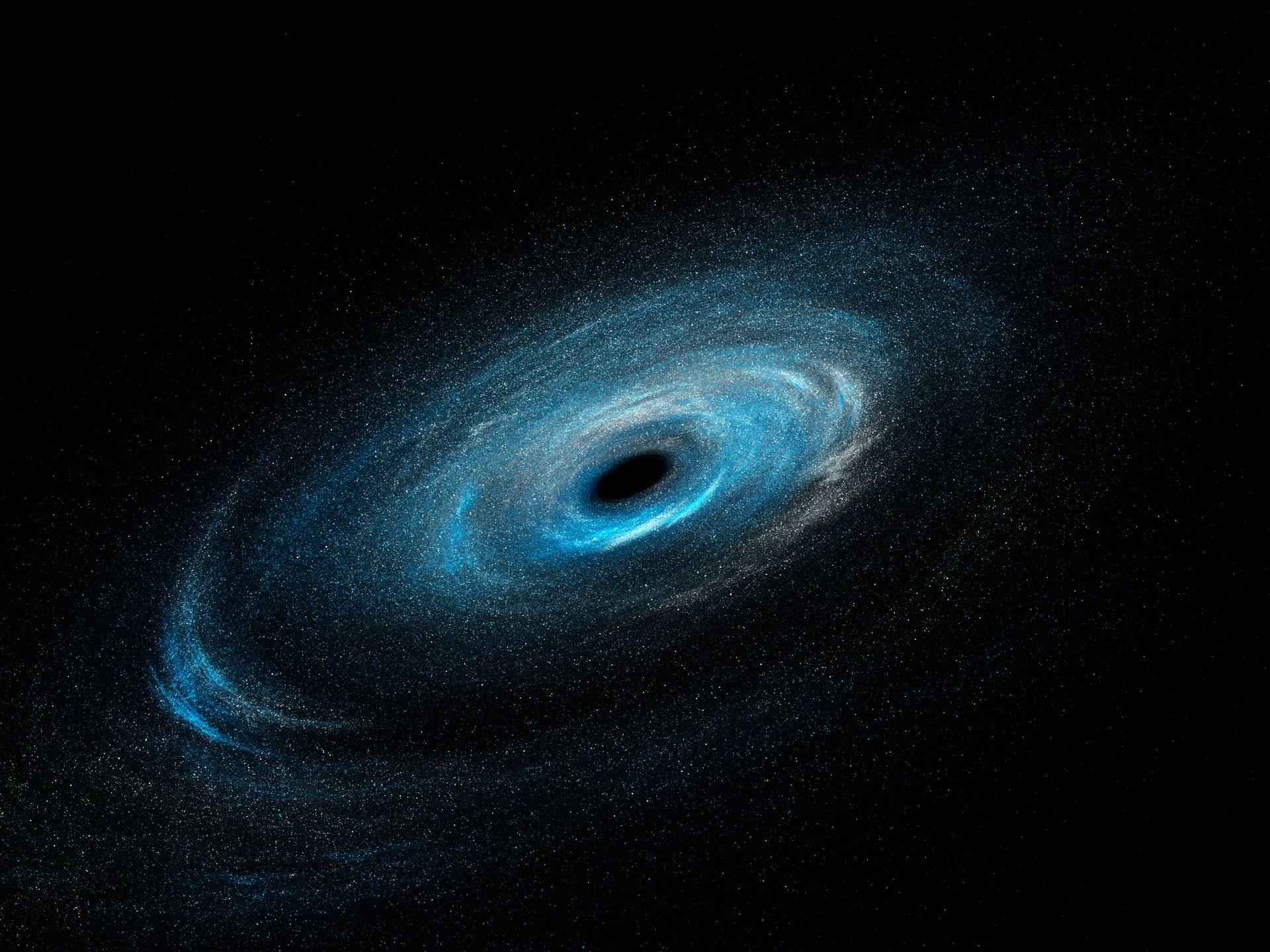
Although doctors expected him to live only two more years, Hawking went on to build a major career in cosmology and theoretical physics, fields that explore the nature of the universe, space, time and black holes.
Frank Hawking's diaries suggest that the illness was not only a medical crisis for Stephen, but also an emotional struggle for his family. In 1967, Frank wrote that watching his son's condition unfold was "a slow and ghastly experience."
Hawking later became one of the most recognizable scientists of the modern era through his work on the mysteries of space, time and black holes. He also wrote "A Brief History of Time," which sold more than 13 million copies and brought complex ideas about the universe to a global readership.
His life, which began under the shadow of family concern and later a severe diagnosis, ultimately became known as a story of scientific influence and personal endurance. Hawking died in 2018 at the age of 76.


 Set as preferred source
 Set as preferred source


 1 min read
 1 min read