Newsletters





Emergency departments in Türkiye have reported a notable increase in food poisoning cases in recent weeks, prompting specialists to issue critical warnings to the public.
Emergency Medicine Experts Dr. Aysegul Akcebe and Dr. Alp Batuhan Ozturk talked to Ihlas News Agency that improper food storage, consumption of street or processed foods, and heightened public concern are contributing to the surge.
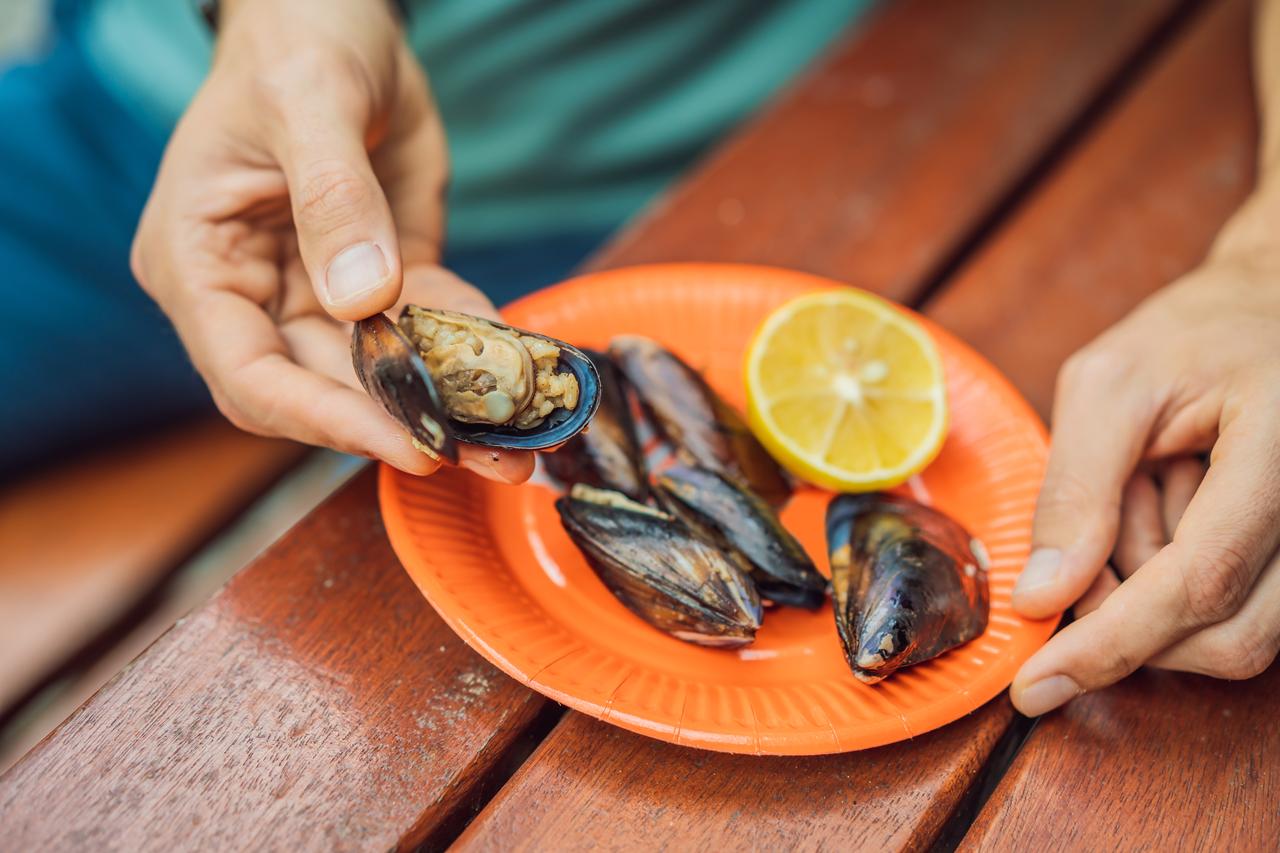
Dr. Ozturk stated that patients commonly present with diarrhea, nausea, vomiting and fatigue. He highlighted that cases are frequently linked to foods left at room temperature during warm weather, as well as street-sold items such as mussels, kokorec and baked potatoes, and improperly stored meals including pilaf, pasta and creamy or saucy chicken dishes.
“Admissions to emergency departments have intensified, particularly for adults consuming foods late at night or from street vendors. Even mild symptoms in children now lead to hospital visits due to increased public concern,” Dr. Ozturk said.

Food poisoning symptoms typically appear one to two hours after ingestion but may manifest several hours later depending on the pathogen. Severe cases can lead to dehydration and exhaustion.
Laboratory tests, including blood counts and electrolyte levels, are used to assess the severity of the illness. Symptoms may persist for two to three days, and in certain cases, complications can affect vital organs.
Dr. Akcebe emphasized that poultry, seafood, organ meats and processed foods such as salami and sausages are common sources of foodborne illness, especially when storage and preparation standards are not met. Home-canned foods also pose a risk if improperly sealed, potentially leading to botulinum toxin poisoning, which can be fatal.
Vulnerable groups include elderly individuals, young children, those with chronic illnesses and immunocompromised patients, who may experience more severe complications from contaminated foods.


 Set as preferred source
 Set as preferred source


 1 min read

 1 min read