Newsletters


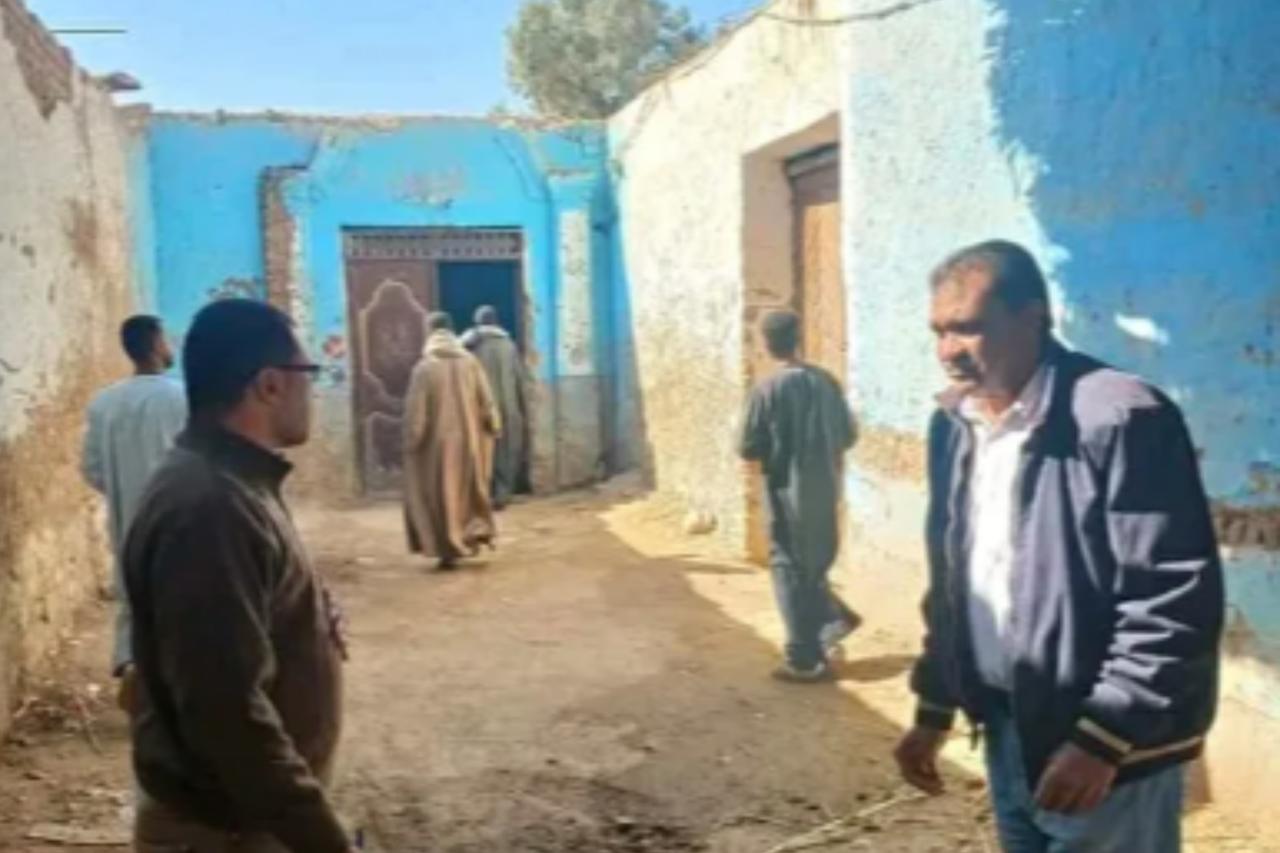


Three old houses collapsed Wednesday in Al-Deir village in Luxor governorate in southern Egypt, sparking fear among residents.
Eyewitnesses from the village told AlArabiya that the spread of termites, which consumed wooden parts, weakened the structural integrity and caused the homes to collapse.
No human injuries were reported.
The incident raised questions about termites’ ability to bring down old buildings, the reasons behind their spread, and the extent of the threat they pose to structural safety, especially in structures built of mud brick or those that rely on wooden elements in their roofing.
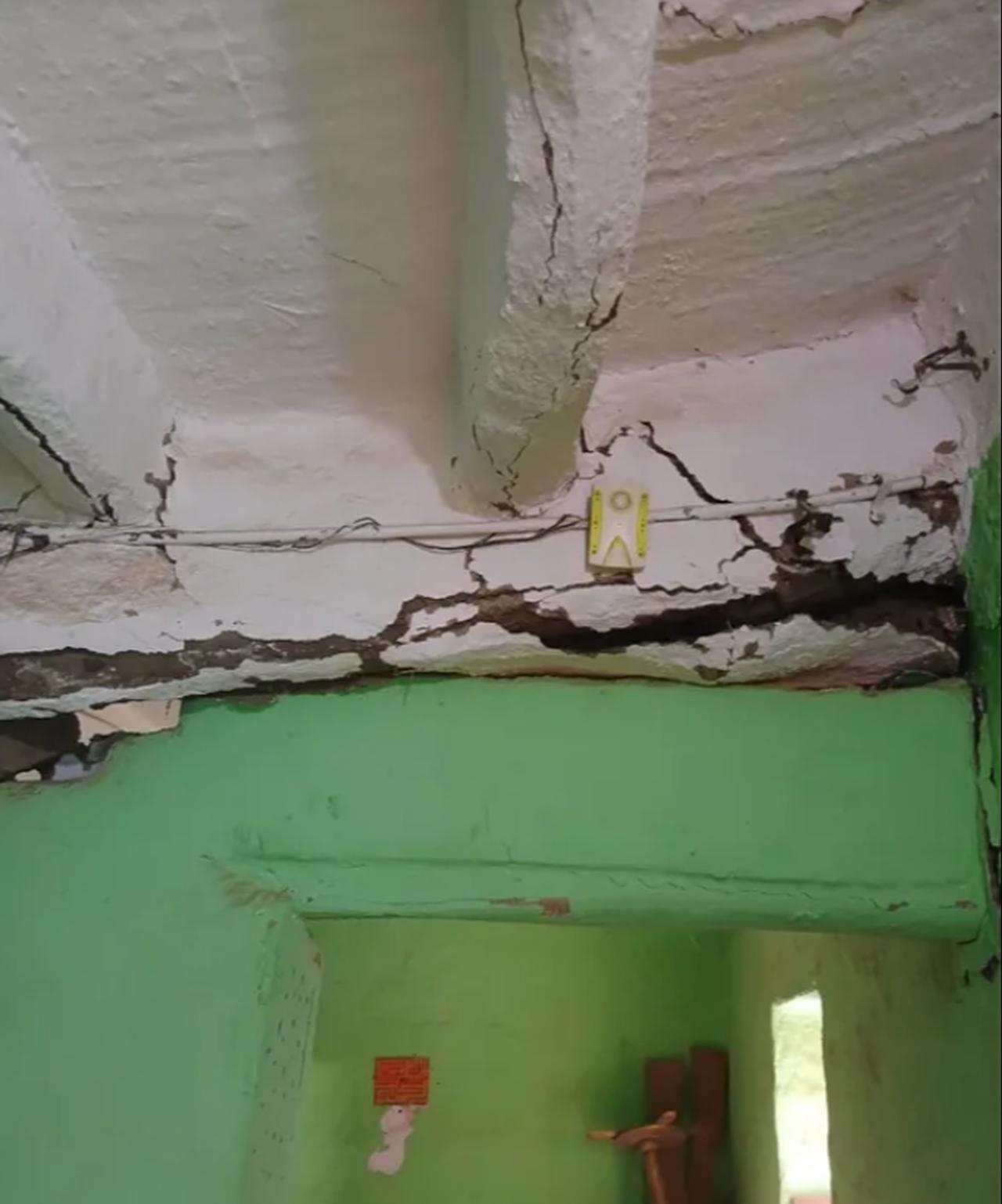

For his part, Engineer Mahmoud Fouad, undersecretary of the Ministry of Agriculture in Luxor governorate, denied that the collapse of three houses in Esna, Luxor, was linked to termites.
Speaking by phone on the ONE program “Kalema Akheera,” he said, “As an agriculture specialist, there are no termites that eat walls or furniture.”
He added that the houses were old and built of “brick and mud,” suggesting that a rise in the groundwater level was the likely cause.
Fouad noted that termites live in mountainous areas and build their nests 20 to 25 meters underground, stressing that they attack only the cellulose found in wood.
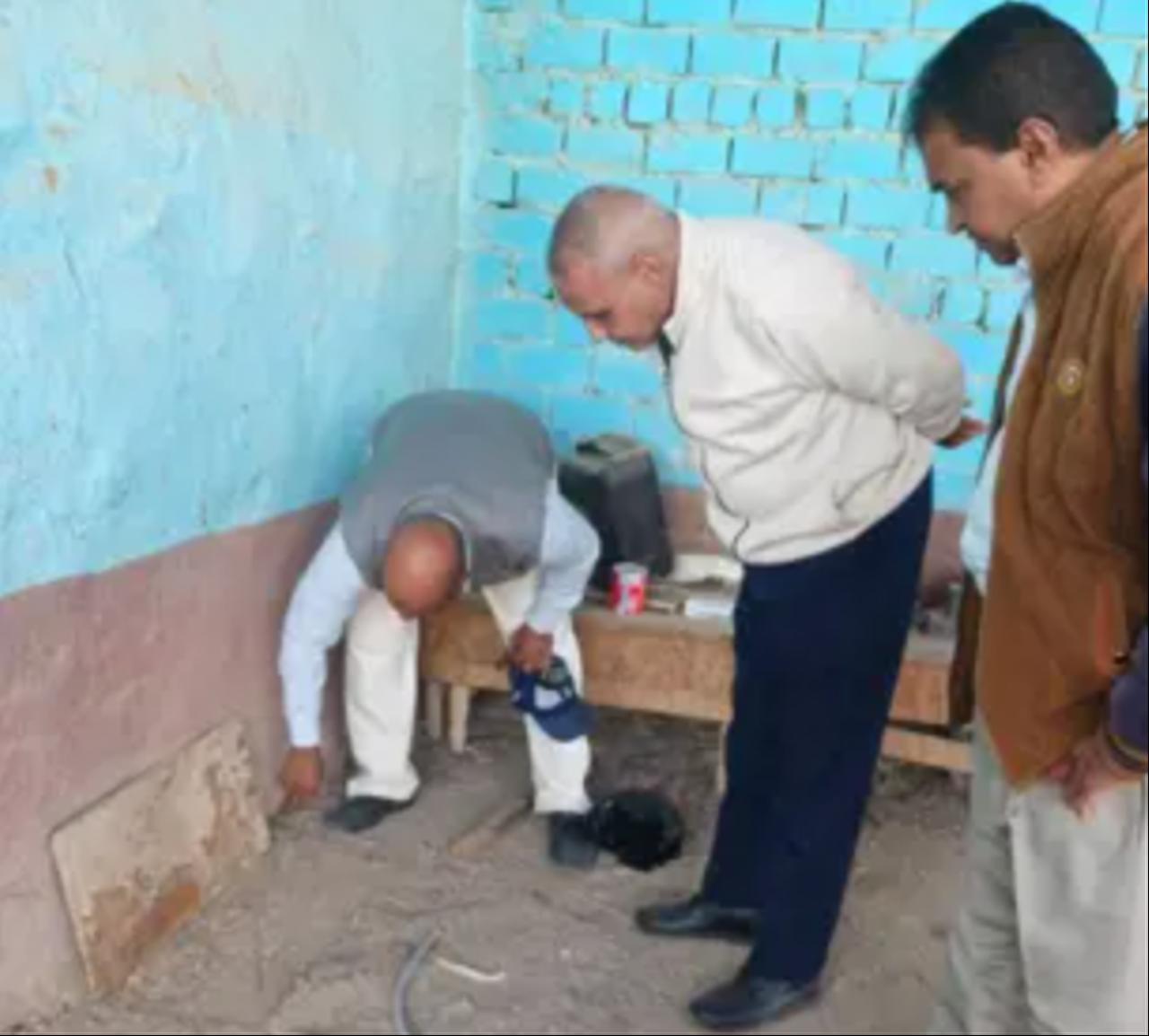
By contrast, Hassan Abu Al-Yusr, a professor at the Plant Protection Research Institute, offered a different scientific view. He said that termites feed on cellulose mixed into mud brick through straw and chaff in older buildings.
He added that when large colonies are present, the insects can hollow out the clay particles from within, destabilizing the structure and weakening the walls, something that could indeed lead to the collapse of some old houses.
He explained that termite behavior in modern homes differs, as it targets wood and parquet flooring and builds concealed mud tunnels to reach food beneath floors. Residents may not notice it for long periods.
Abu Al-Yusr concluded by stressing that control methods vary depending on the nature of the site and that the approved protocol relies on using specialized chemical pesticides by injecting the soil and creating longitudinal trenches up to 30 centimeters deep, with periodic follow-up required.


 Set as preferred source
 Set as preferred source



 3 min read