Sign in
 Newsletters


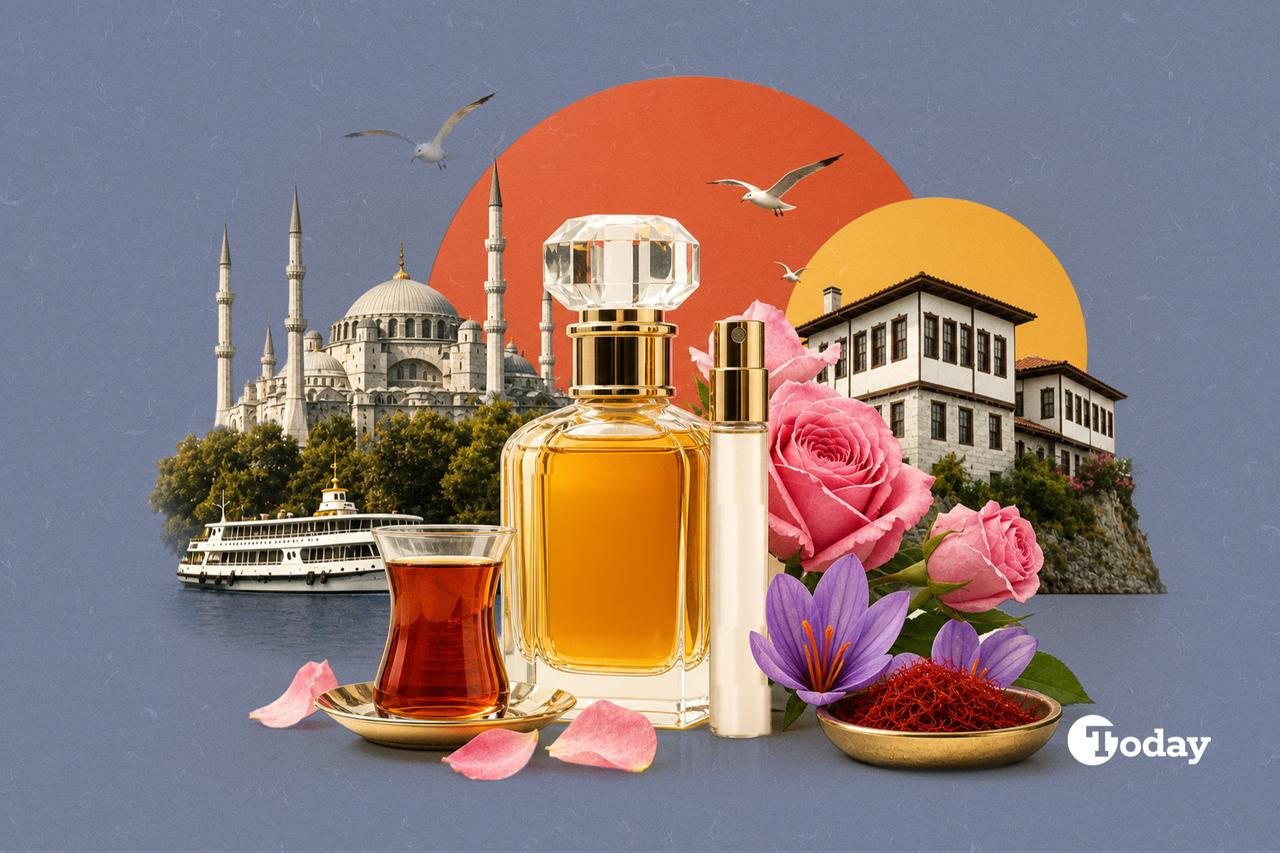


You drop your bags at the hotel and walk down to the water, because in Istanbul that is what you do first. At Eminonu, the Bosporus slaps against the quay stones and gulls argue overhead. To your left, mackerel hisses on the grills of the fish-sandwich boats. To your right, a cart sells boiled corn beside chestnuts blackening over coals. Somewhere behind you, a man lights a cigarette over a tulip glass of tea, and a ferry sounds its horn.
If Istanbul were a perfume, which of these would make it into the bottle?
For a growing number of travelers, that is no longer an idle question. Photographs fill phones and fridge magnets gather dust, but a smell can return a whole afternoon in a single breath.
In its 2027 trends report, published Nov. 16, the travel platform GetYourGuide found that 77% of travelers say one scent can carry them straight back to a past holiday. More than half would pay for a dedicated scent experience, rising to 69% among Generation Z, and scent-related bookings on the platform more than doubled in a year.
The report sends those travelers to a perfumer's studio in Florence and a workshop on the French Riviera. Türkiye does not appear.
Fahrettin Gozgun has seen that blank space before. More than a decade ago, as mayor of a rose-growing town in Isparta, he traveled to a rose festival in Japan. Bulgaria had its stand, and there were images of Provence and Florence. "But as Türkiye," he told Türkiye Today, "we were not there."
It is a strange absence for a country that has been perfuming its rooms, its guests and its prayers for centuries. The scents are all there. They just do not carry Türkiye's name yet.

Every perfume opens with a first impression. In Istanbul, it is often lemon. Kolonya, the sharp cologne poured into a guest's palms at the door, is the last everyday trace of a much older habit. In Ottoman homes, rose water was sprinkled through the rooms before Ramadan and offered to visitors at religious gatherings, with pink rose Turkish delight, known as lokum, on the side. Hospitality, here, had a smell.
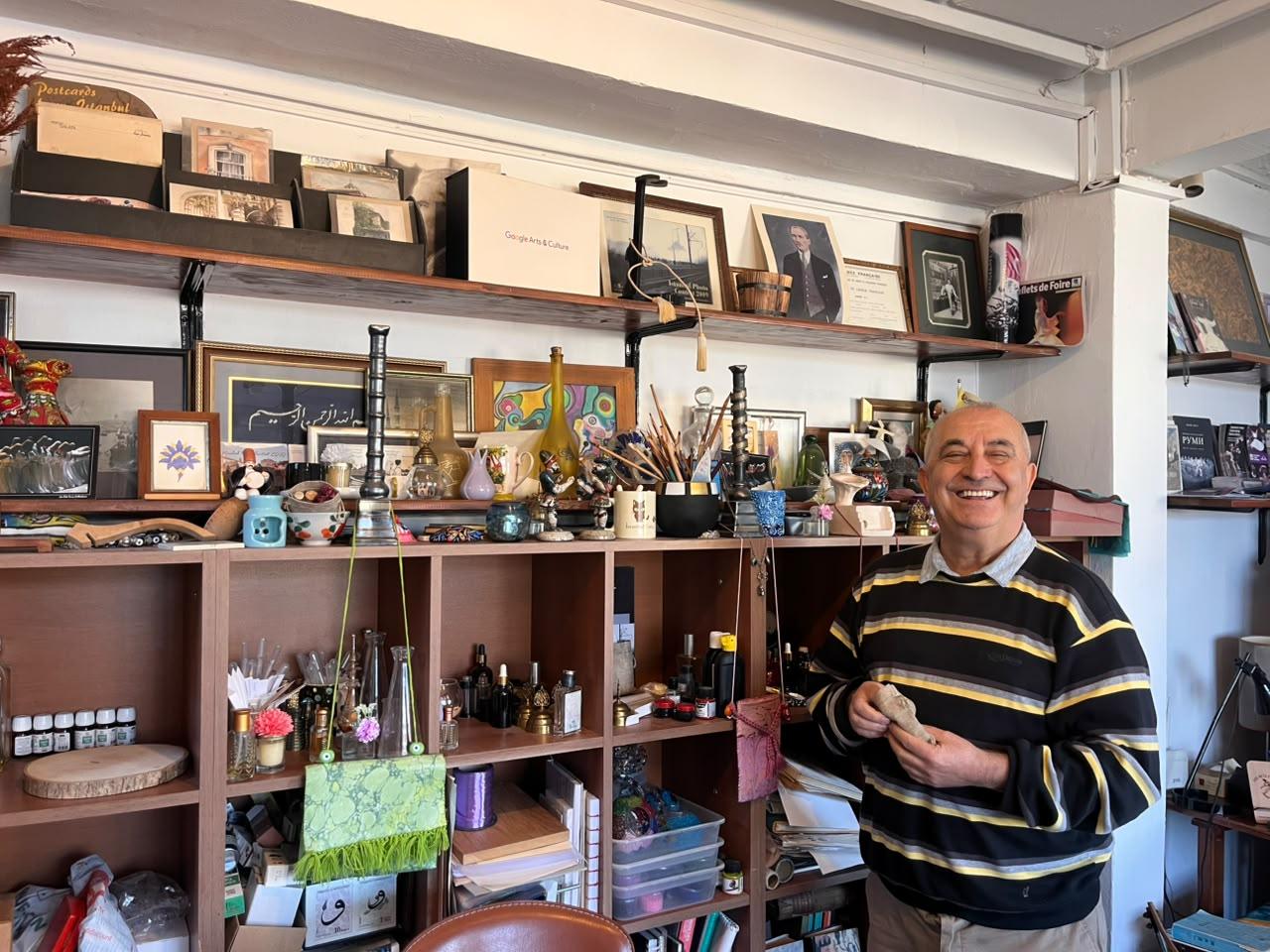
A few streets from Hagia Sophia Grand Mosque, Nurdogan Senguler keeps that habit alive in small glass vials.
Senguler founded Les Arts Turcs, an arts center where, for the past four years, visitors have made perfume the Ottoman way, oil-based and without alcohol. Most of his perfume students, he told Türkiye Today, come from France, the United States and the United Kingdom.
What moves them, Senguler says, is rarely the oil itself. It is the ritual around it: the hammam, the olive oil soap, then a cup of Turkish coffee and a piece of rose or saffron Turkish delight. That is the moment visitors pause. "They stop," he says. "Wait a minute, where have I come to?"
"Anyone can mix oils in a hotel hall," he says. "What matters is the story behind it."
But a story needs something to hold it. In Istanbul, that something is a vial of rose oil. To meet the rose before it is bottled, you have to leave the city and head south, to the fields where the petals are picked before sunrise.
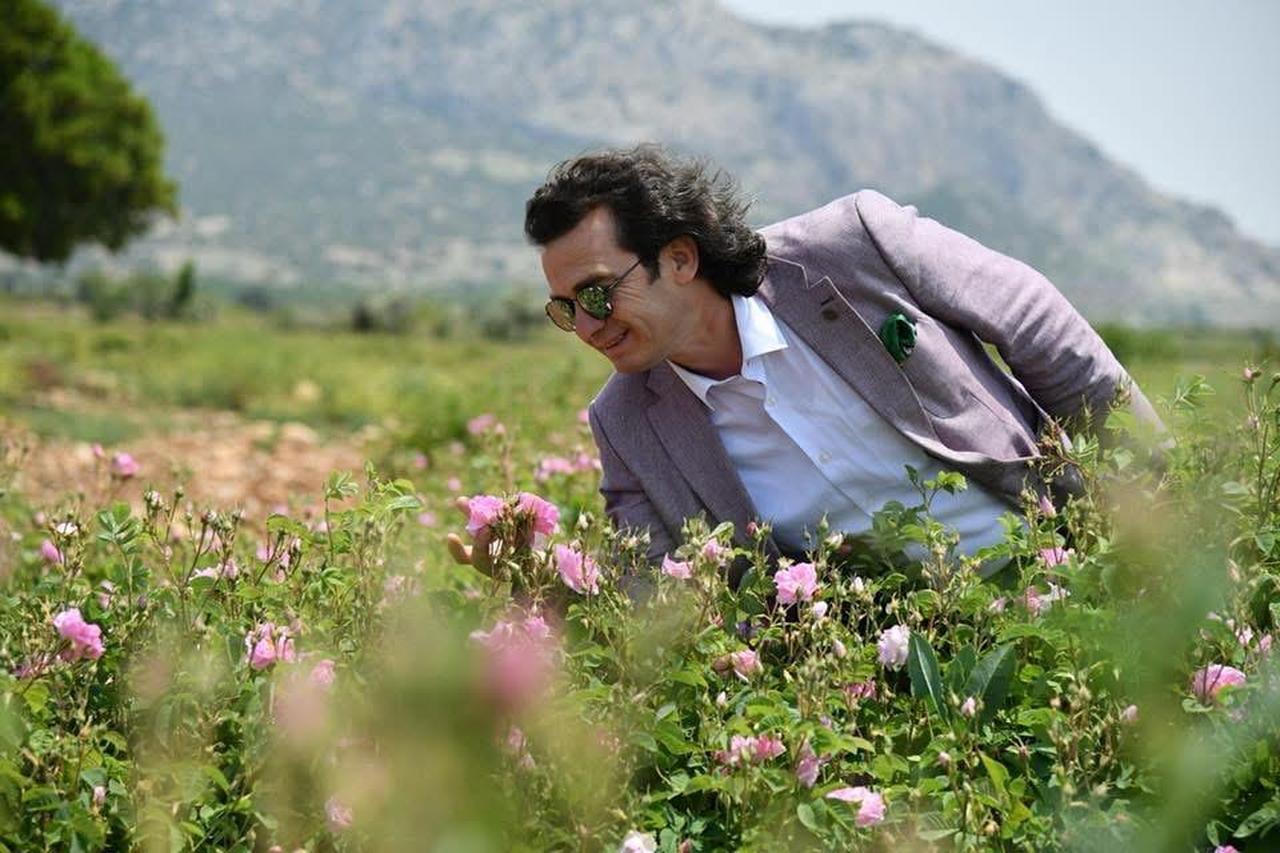
In perfumery, the rose is a heart note, the scent that stays once the first impression fades. Isparta, in southwestern Türkiye, supplies about 65% of the world's rose oil, according to local officials. Between mid-May and the end of June, pickers are in the fields at dawn, before the heat burns the oil out of the petals. It takes around 4 tons of petals to distill a single kilogram (2.2 pounds) of oil.
Senguler once went to film the harvest and sat with the growers in their fields. He noticed how good one of the pickers smelled, and said so. The picker laughed. "You are the first person from the big city who has ever told me I smell good."
The rose, it seems, perfumes the hands that pick it long before it reaches anyone else.
Gozgun, who was mayor of the rose-growing town of Guneykent from 2004 to 2019 and later deputy mayor of Isparta, has lived inside that scent for most of his life. Asked how he would describe it to an American who has never smelled it, he skips the notes and the chemistry. "The scent of a rose is love," he says. "It is tolerance." Then he makes it physical: "Touch a rose, and your hand will smell of it."
During the harvest, some gulhanes, the traditional rose distilleries, still boil petals in copper stills over wood fires. In the city, a church built in the 1750s now houses the Misparta Scent Civilization Museum, where visitors can trace scent back through the centuries and blend their own. From mid-July, the lavender of nearby Kuyucak turns the hills purple.
For now, most visitors are tour groups from East Asia. Few arrive from the West.
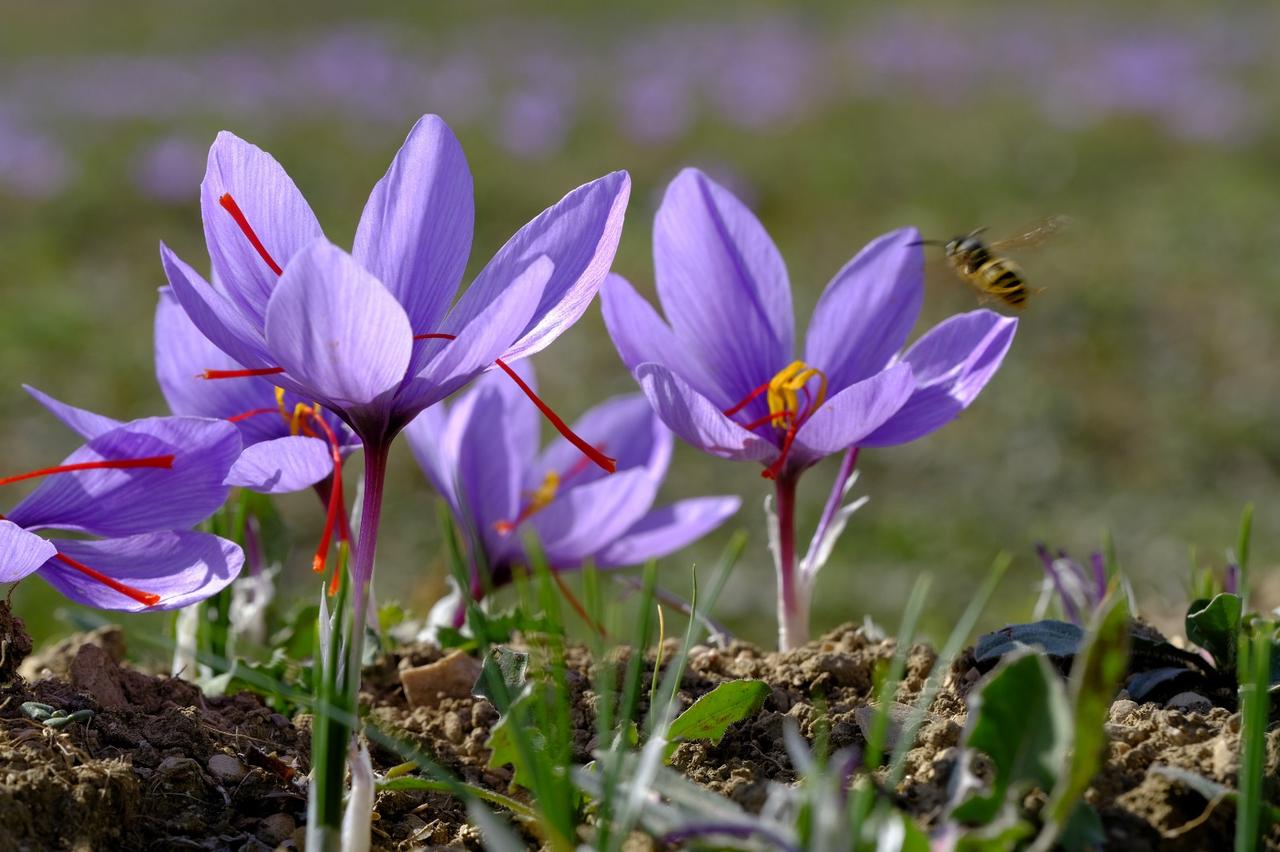
If the rose is the heart of the bottle, saffron is the note few people have ever smelled fresh. In autumn, when Isparta's fields have gone quiet, the scent moves north to Safranbolu, the Ottoman town named after the flower.
In 1858, Ottoman records show, it shipped more than 21,000 pounds (9,525 kilograms) of saffron to England. In 2024, Safranbolu saffron became the first Turkish spice to receive geographical indication protection from the European Union.
Mine Yilmaz, 23, grew up among those flowers on her family's farm in the village of Yukariciftlik and is now an agricultural engineer. Between mid-October and mid-November, she watches the field turn violet each morning. Visitors pick alongside the farm team at dawn, then sit and separate the red stigmas by hand. Each flower holds only three.
Even for Yilmaz, the scent resists words. "I have never smelled anything like it in any other plant," she told Türkiye Today. "It is very niche, entirely its own." On mornings when the field is thick with blooms, visitors describe something soft and sweet in the open air.
While they work, the farm serves saffron tea and a splash of saffron kolonya, the same gesture that greets guests at an Istanbul door. Foreign visitors, Yilmaz finds, understand it at once. "Our cologne culture meets our guests' perfume culture," she says. "That is why they never feel like strangers."
The flowers bloom for about a month a year. Then the field is green again, and the scent exists only in what was gathered.
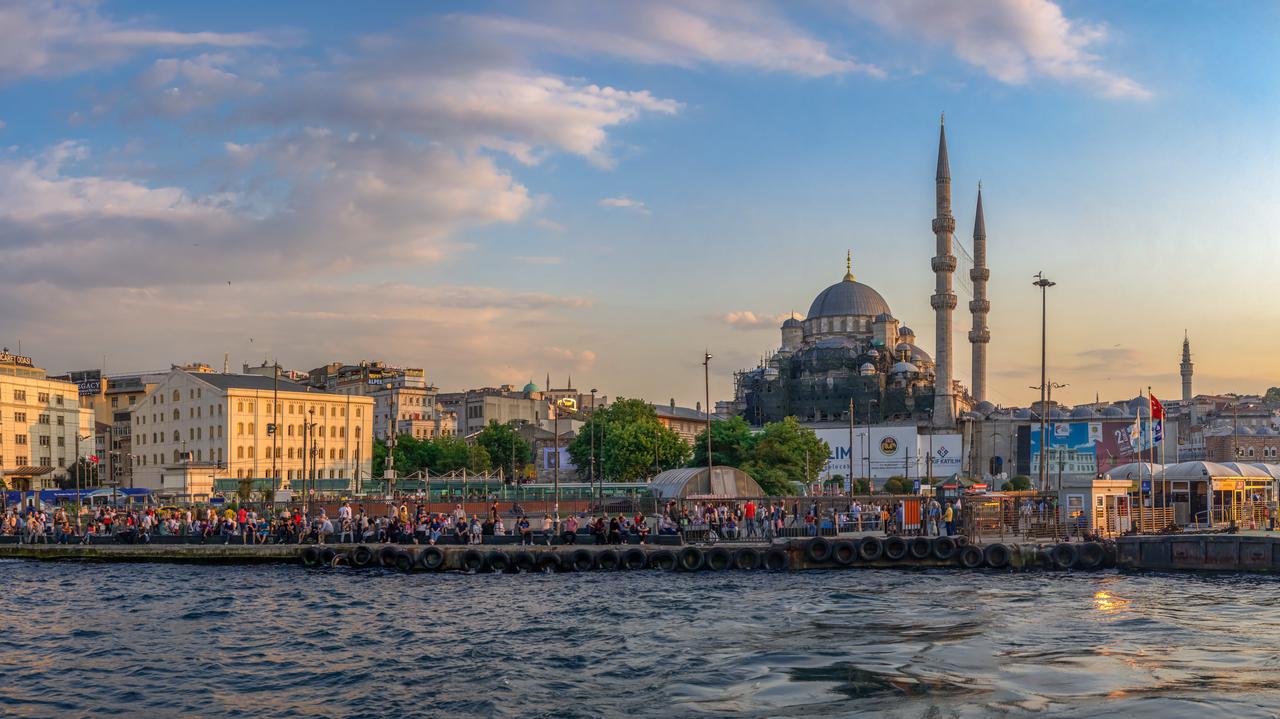
So back to the quay at Eminonu, and the question it left behind. Perhaps the bottle begins with lemon kolonya poured into a stranger's palms. Then the rose that a picker carries home on their skin. Then, at the very end, three red threads from a violet flower that blooms one month a year.
Taken back home, a bottle like that would last for years. And every time you decide to wear it, it would take you back: to the rose fields of Isparta at dawn, to the warm smell of saffron tea in Safranbolu, to the Bosporus where the question first began.
So, on your next trip to Türkiye, leave a little room in your suitcase for the scents you fall for. They may become the souvenirs that last the longest.


 Set as preferred source
 Set as preferred source


 3 min read