Newsletters


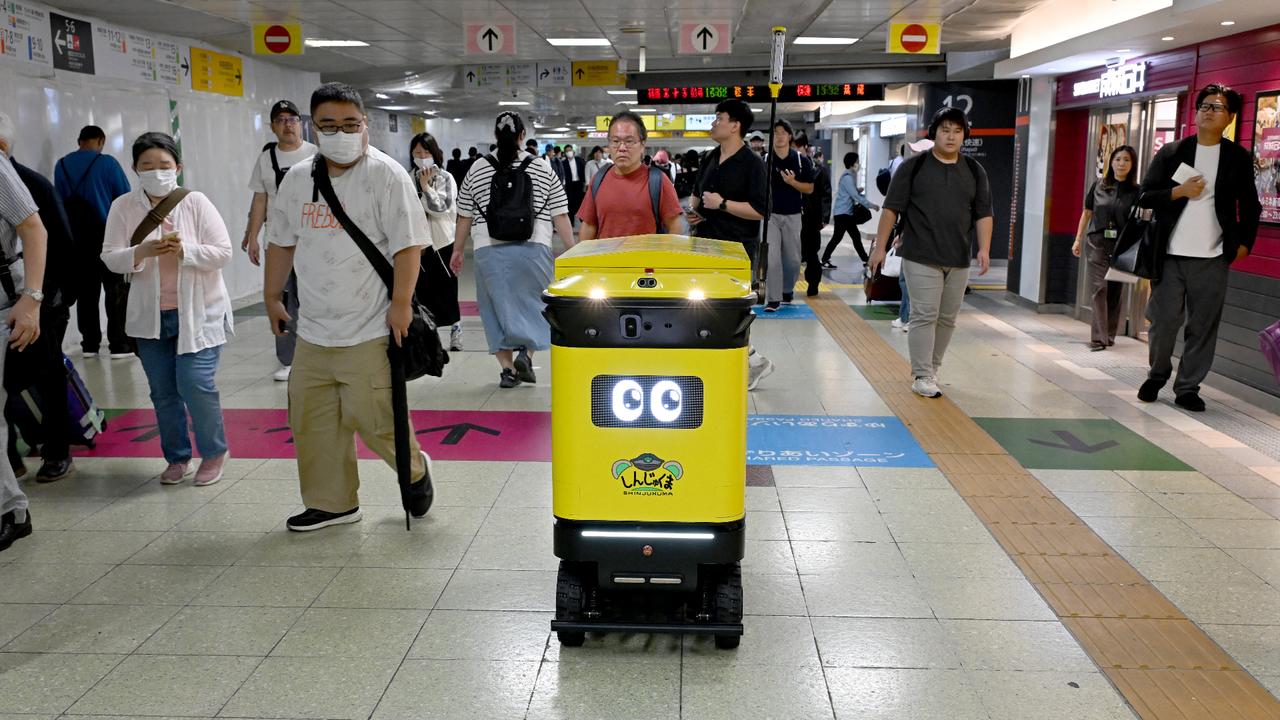
Japan's busiest railway station, located in the heart of Tokyo, is testing whether mobile robotic trash bins can ease the workload of sanitation workers, a rail operator representative said Friday.
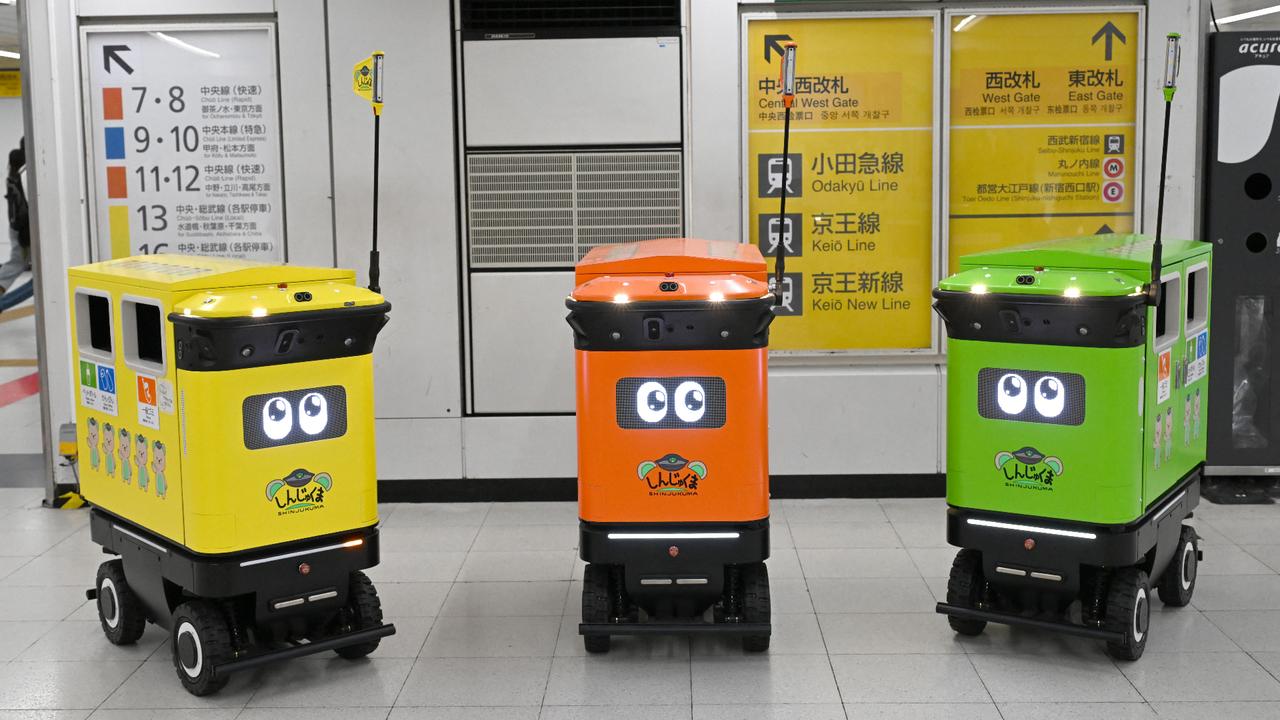
Shinjuku Station is a sprawling transport complex served by multiple rail companies, serving more than 2.7 million passengers every day, and holds the Guinness World Record for the world's busiest rail station.
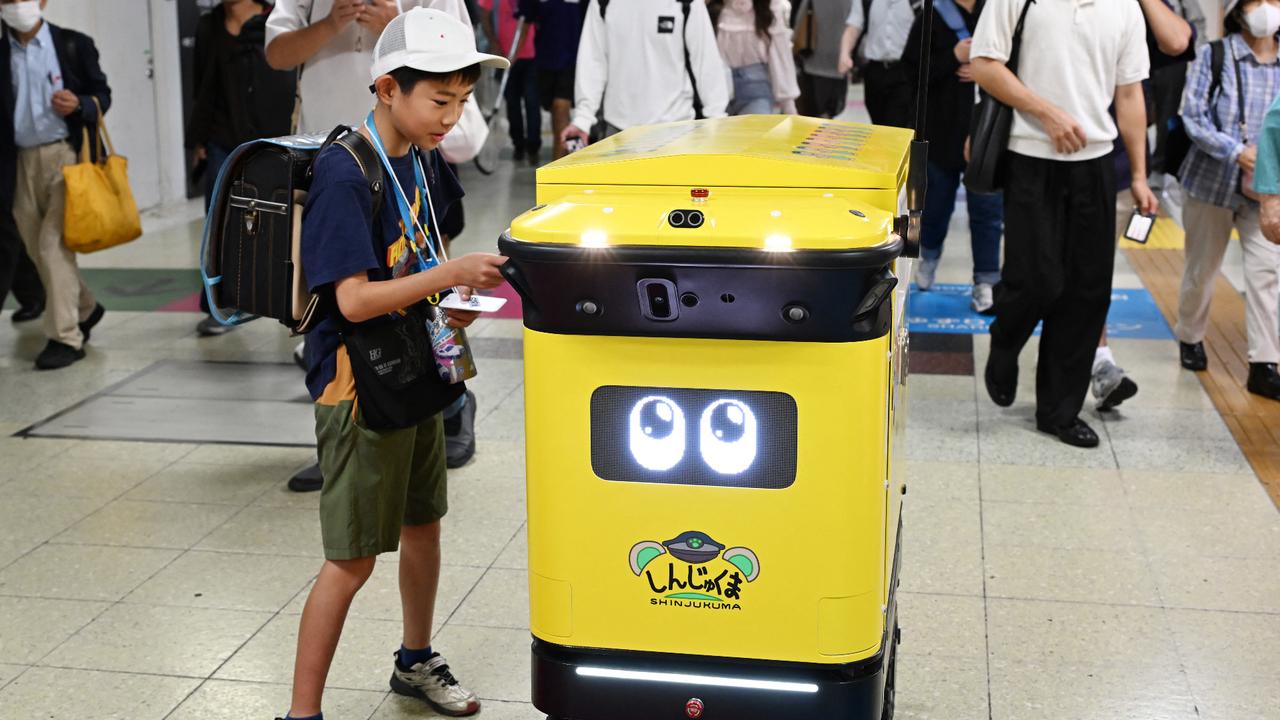
In the section of the station run by East Japan Railway, workers empty the bins manually more than 10 times a day, though the number of wastebaskets has shrunk in recent years for cleanliness and security reasons.
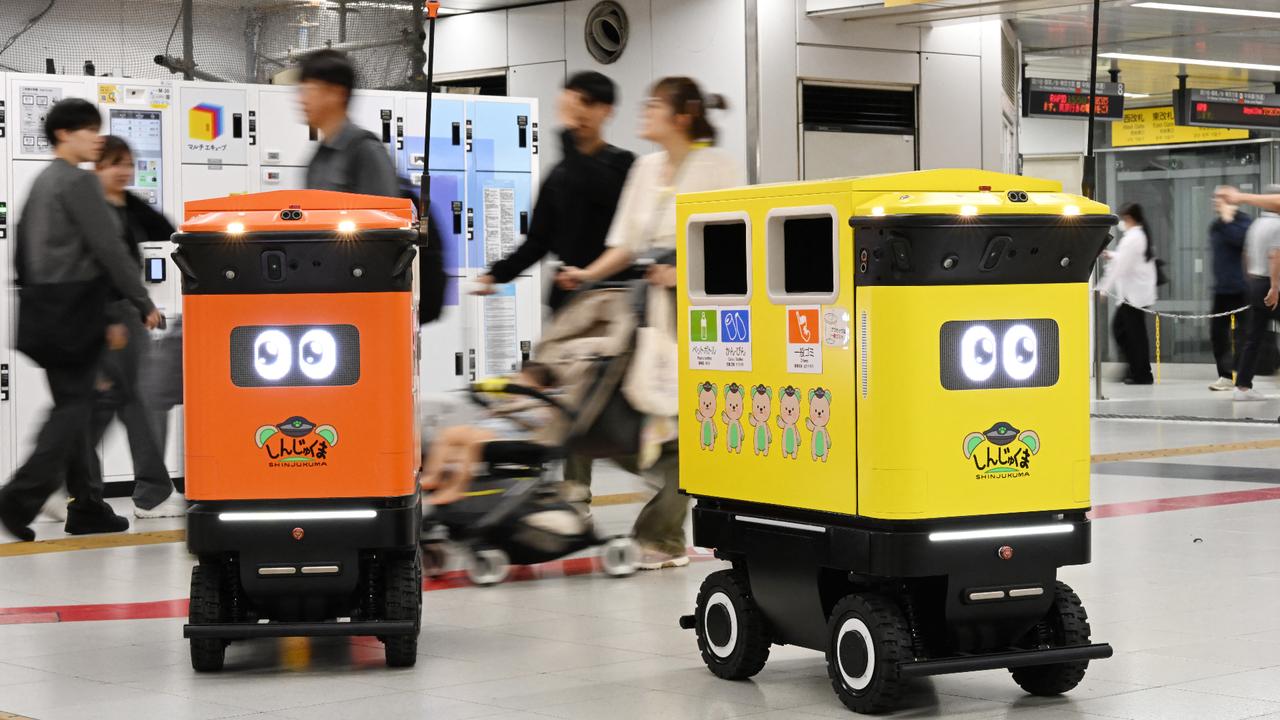
JR East is testing three automated bins, each standing just over 1 meter (3 feet) tall and moving at a cautious pace of 20 centimetres (8 inches) per second.
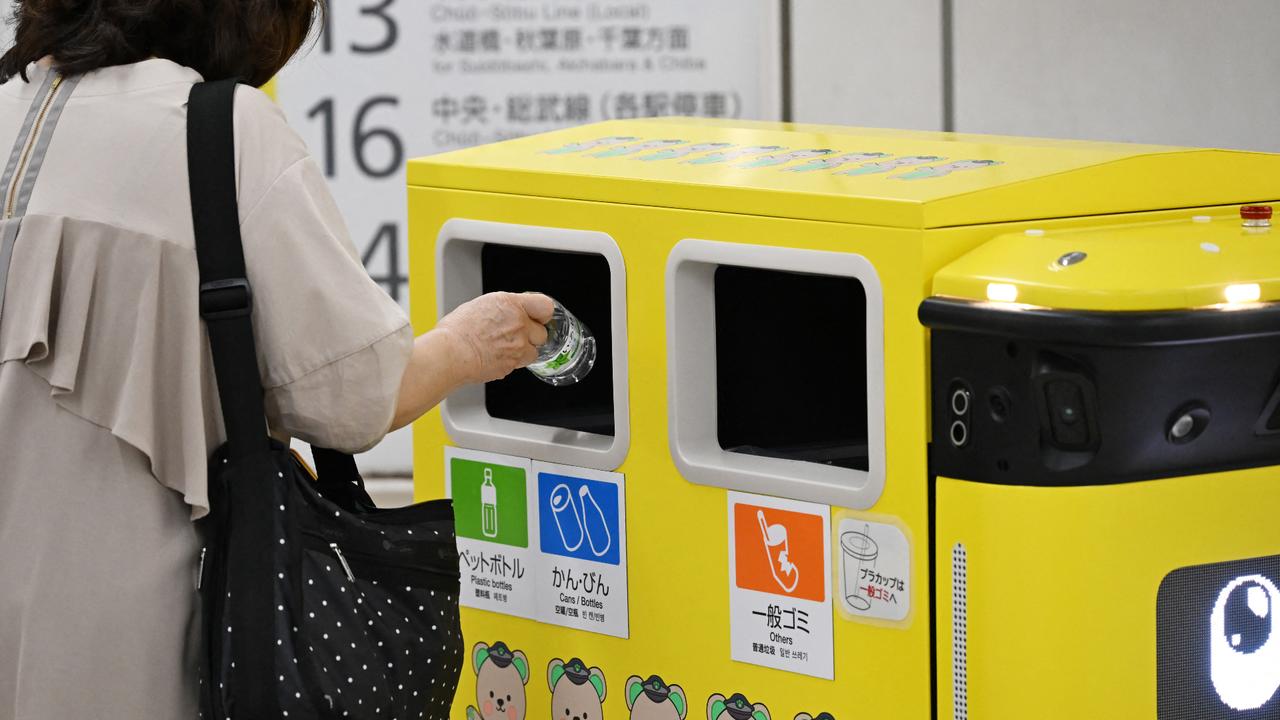
"We wanted to test how well something like this can operate automatically and safely in an environment like Shinjuku Station," said Shinya Kawamichi, a JR East research official, speaking to Agence France-Presse (AFP).
"We want to see how much of a difference mobile trash bins that collect garbage make, and whether people are actually willing to throw their trash into them," he said.
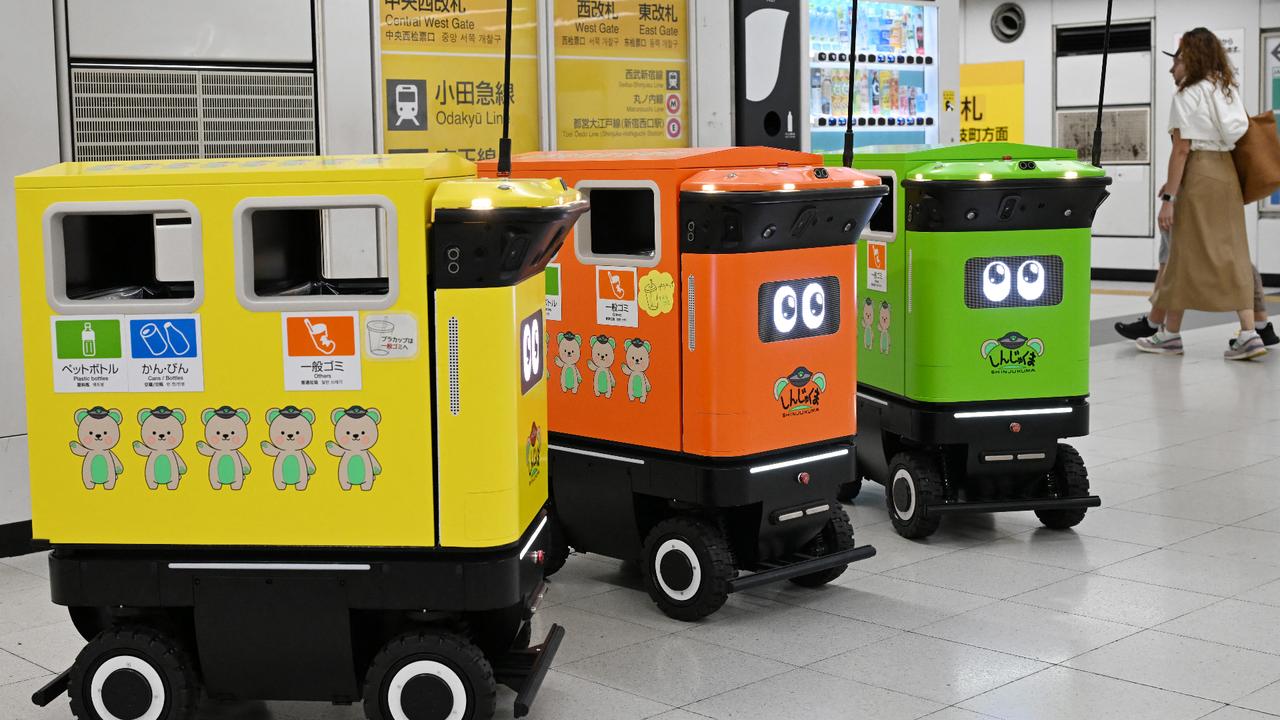
The trial, running until late November, will put the robots up against the station's always-hectic underground concourse, where they are designed to deliver trash to human workers.
Kawamichi said the robots are designed to be "slow so that people can put trash in them and so (they) can stop at any moment."
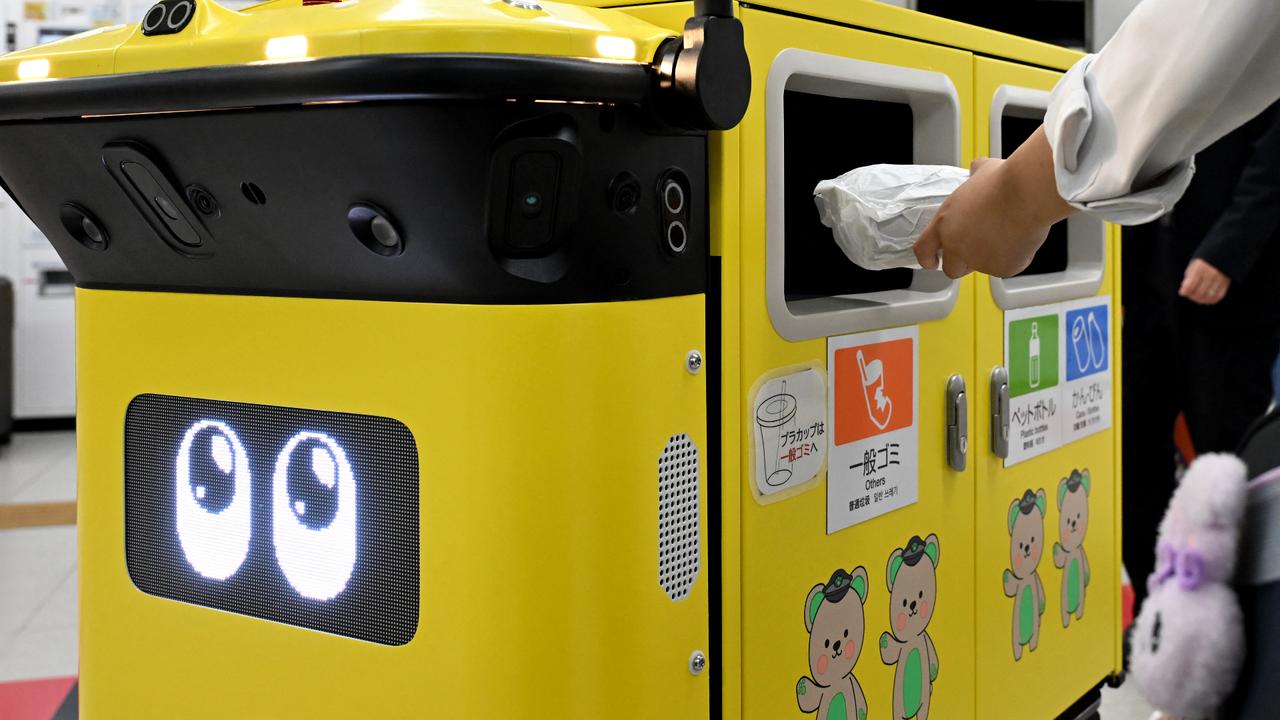
The company also wants to test whether the robots can navigate busy crowds and win acceptance from commuters, with an eye toward expanding the technology's future uses.
The bulky, googly-eyed devices have become popular among tourists, many of whom stop to snap photos.
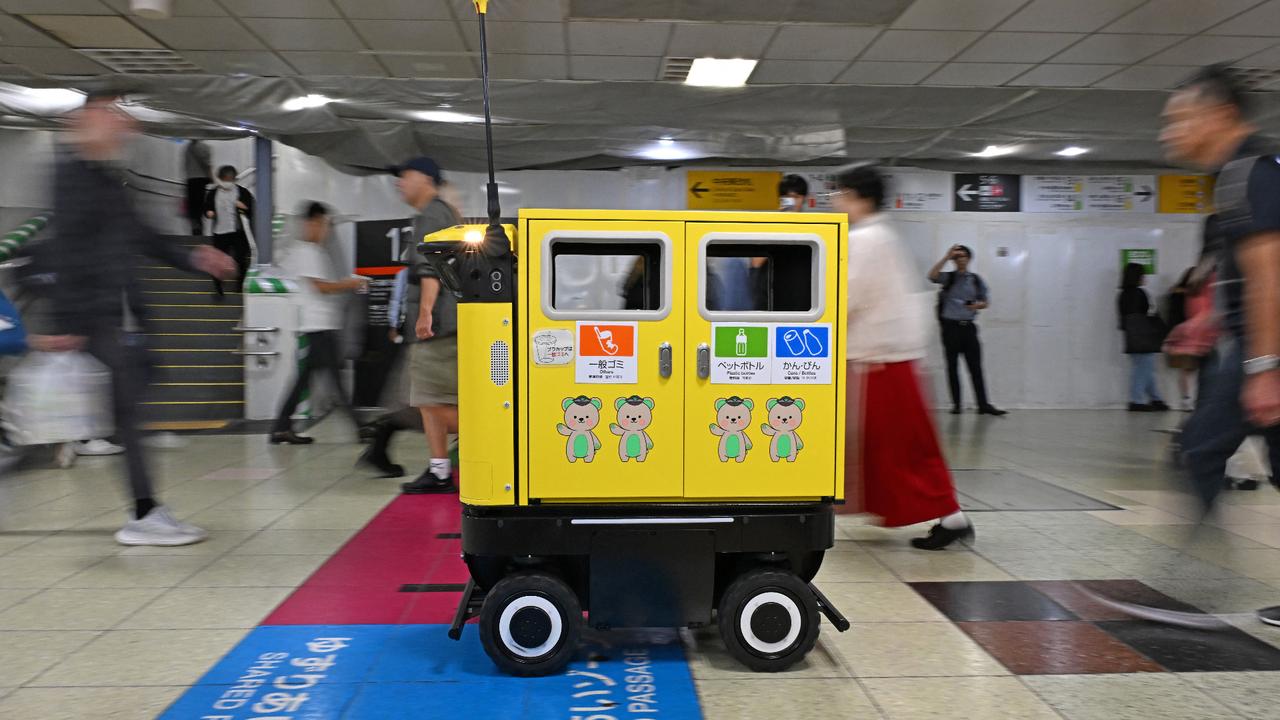
"The eyes are very cute," said German train driver Chris Genseliein, 30, who added he'd struggled to find bins in Japanese train stations.
Despite spanning two above-ground floors and a massive underground section, JR East's section of Shinjuku Station has only seven sets of bins and recycling boxes.
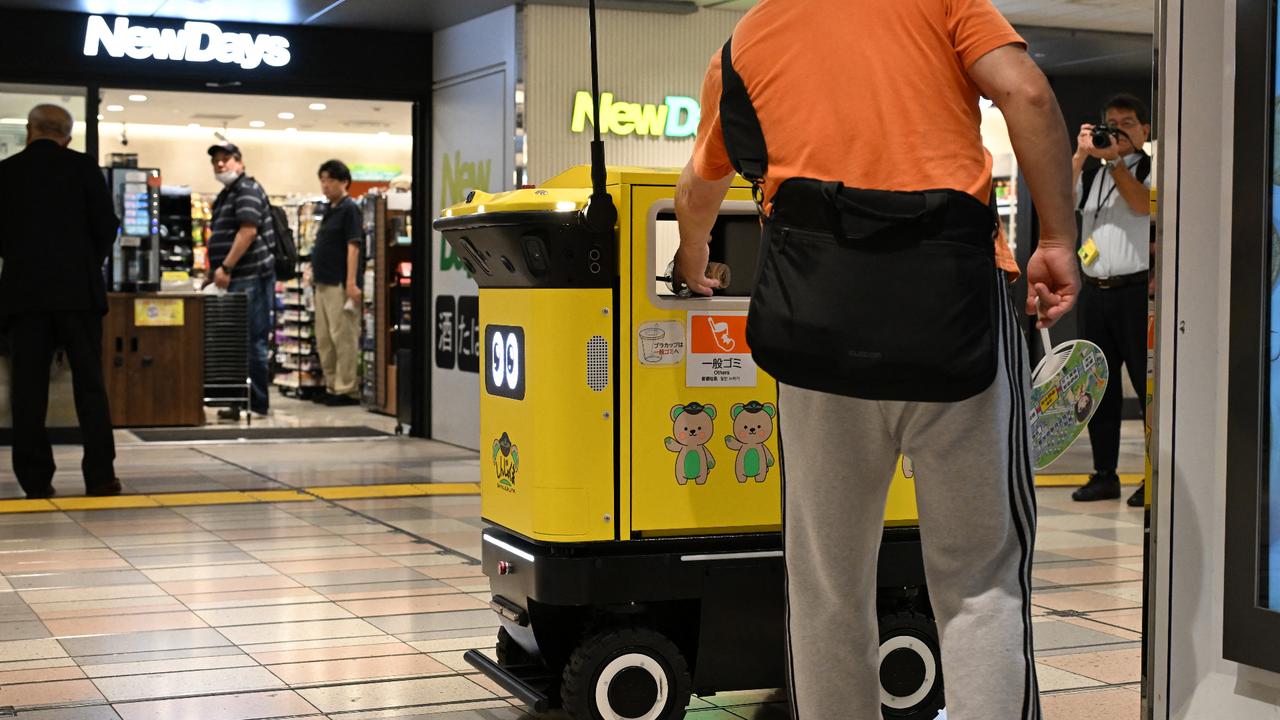
Some Japanese passengers said stations stay clean because people take their trash home. But others welcomed the added convenience.
"It's just easier if you could throw things away while walking," said university student Ryunosuke Noguchi, 22.


 Set as preferred source


 1 min read