Newsletters


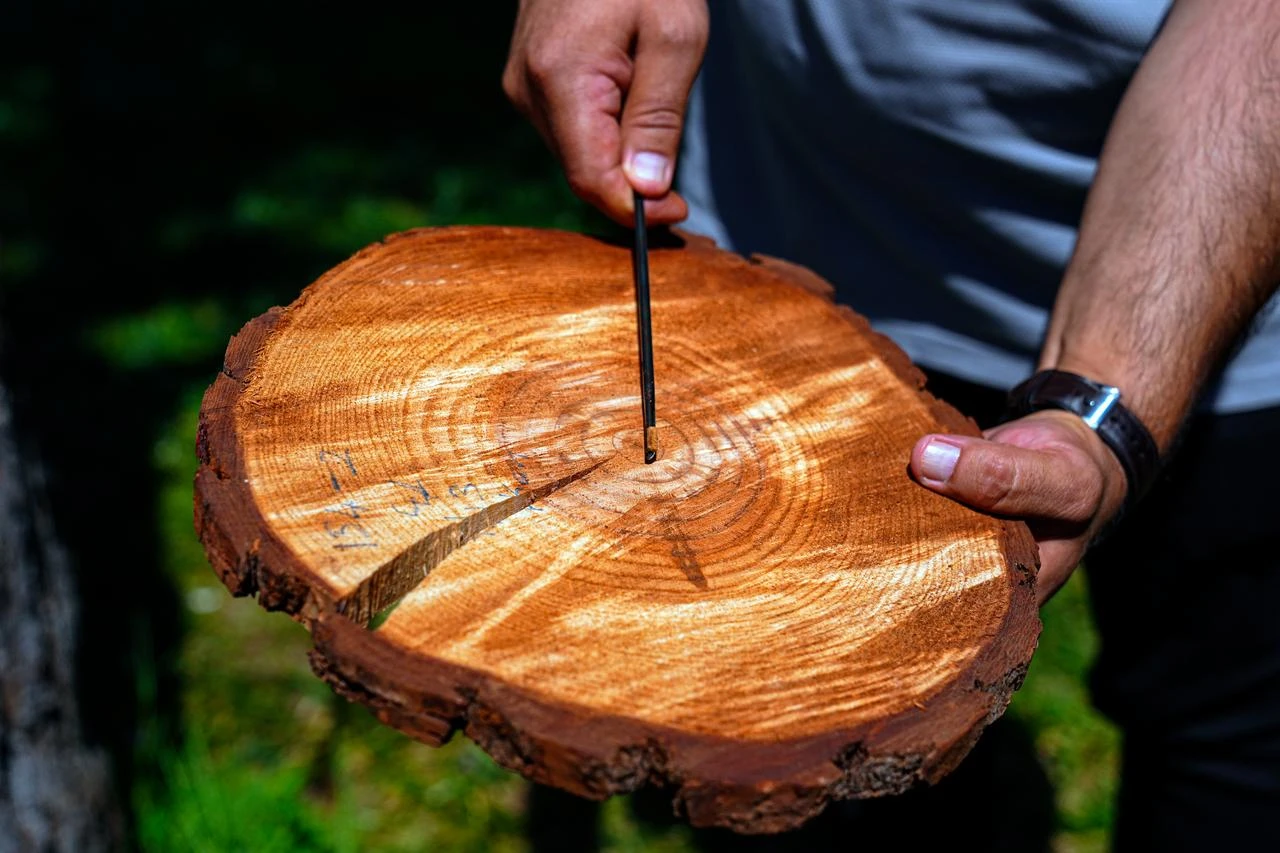


Beyond indicating a tree's age, the rings that form annually in tree trunks function as a natural archive, recording droughts, fires, air pollution and climate change effects that took place years earlier in the region where the tree grows.
To demonstrate this environmental time capsule, Professor Ender Makineci recently conducted a live tree-ring counting demonstration at Yildiz Technical University’s Davutpasa Campus.
Makineci, an expert from the Department of Soil Science and Ecology at Istanbul University-Cerrahpasa Faculty of Forestry, explained how the specific width, shape, and seasonal markings left by growth rings reveal the precise periods a tree endured environmental stress or flourished under favorable conditions.
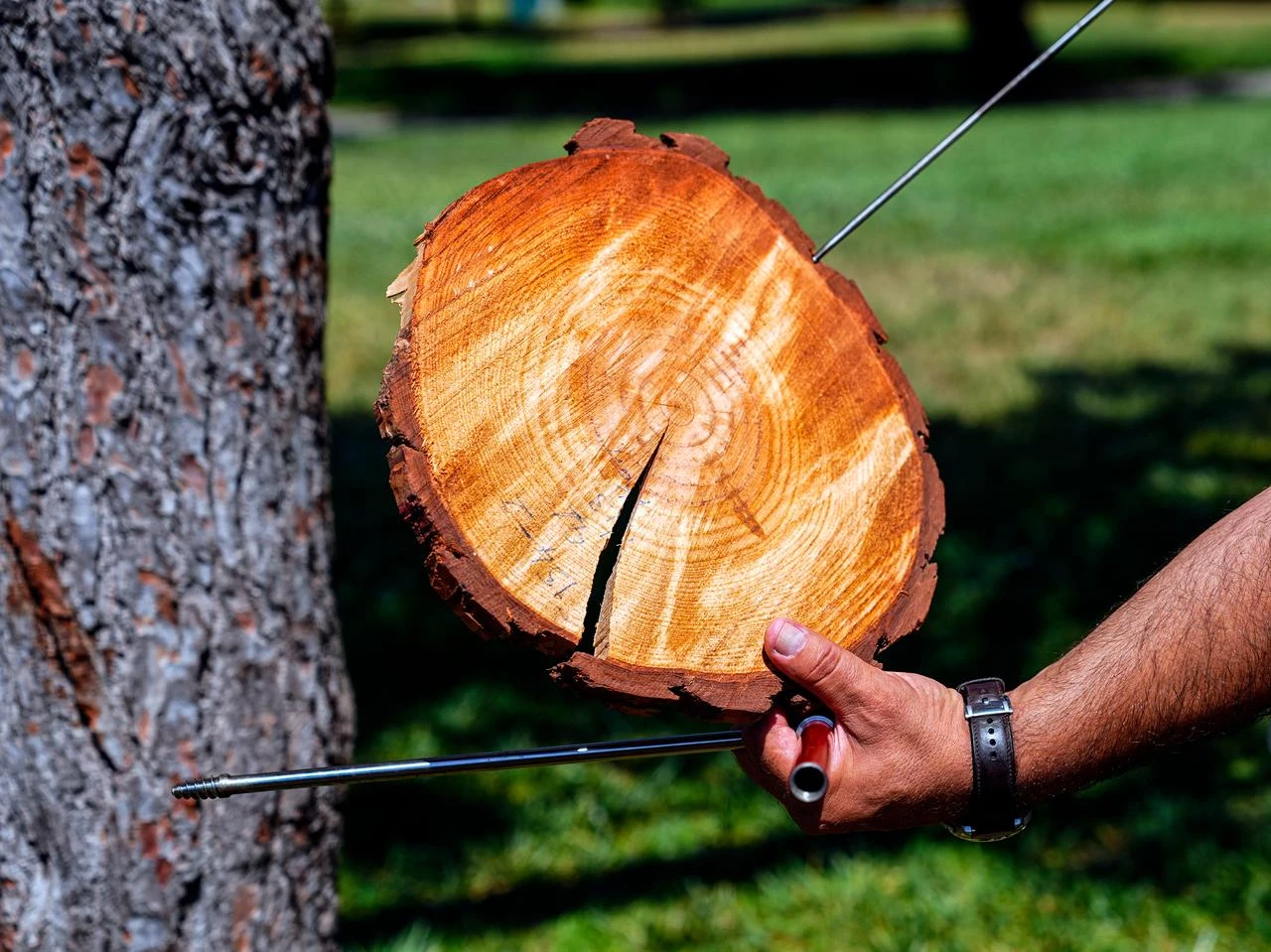

Makineci explained that the age of trees, which can live for thousands of years, is determined by counting the annual rings taken from trunk cross-sections. He said the formation of annual rings is directly linked to seasonal growth, with wood tissue formed during spring and summer together representing one year of growth.
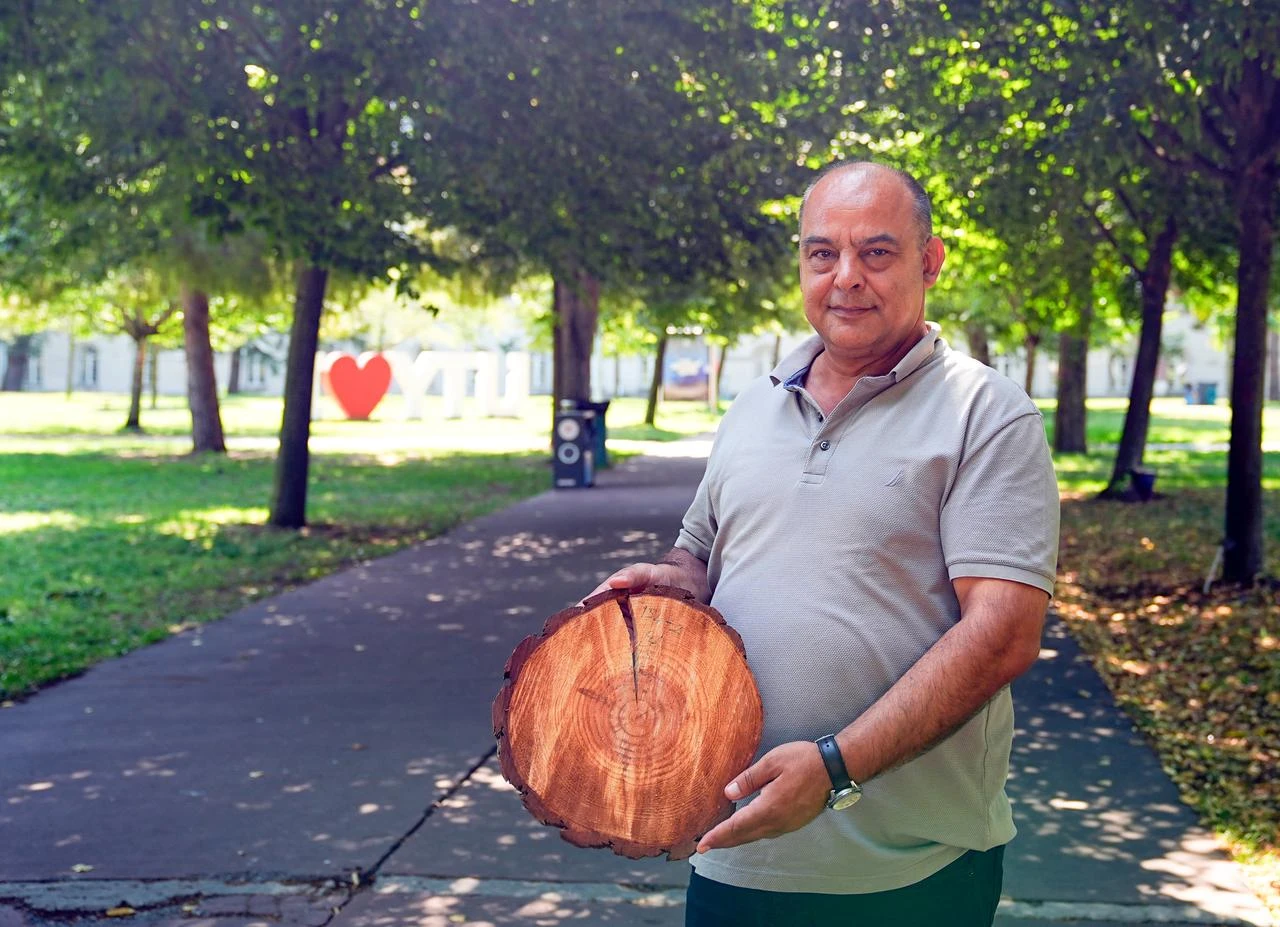
Makineci explained that each annual ring consists of two parts: a wide, light-colored tissue formed during spring growth, and a narrower, darker band produced during hot, dry summer months.
"The width of an annual ring reflects the tree's environmental conditions during that specific period," Makineci said. "Narrow rings indicate stunted growth due to harsh conditions, while wider rings show the tree flourished and expanded its diameter under favorable circumstances. Generally, wider rings form during a tree's youth, while narrower rings appear as it reaches the end of its lifespan."
Makineci said increasing environmental stress associated with climate change is also reflected in annual rings. "Rainfall can increase or decrease, temperatures can rise or fall. These changes can be tracked through variations in the width of annual rings. Fires can leave marks on tree trunks that remain for years. Through annual ring analysis, we can also determine which year a tree experienced a fire," he said.
"When a fire occurs with enough intensity to affect the trunk bark, it leaves a mark on the bark. If the tree survives without dying and continues to grow, we can determine from that mark which year the trunk experienced the fire."
Makineci noted that annual ring studies in Türkiye are mostly carried out on monumental trees and in areas where scientific research is conducted.
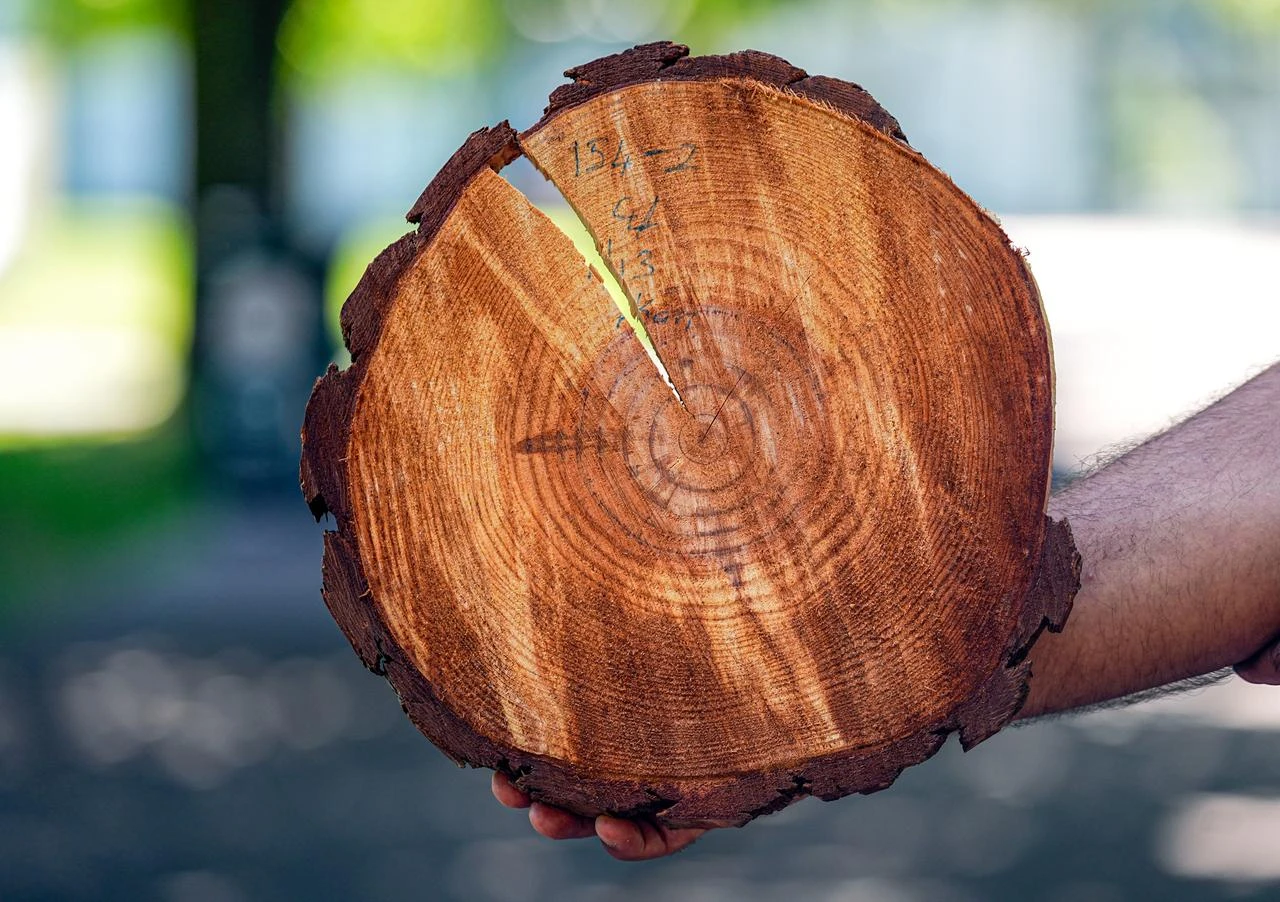
"When we conduct annual ring analysis on an old tree, we can see what kind of changes occurred over a very long period of time. By detecting changes in annual ring widths, we can understand whether there was drought stress in a given location years ago," Makineci said.
"Or, when we observe a narrowing in normal annual ring development, we can interpret that the period was dry and that the tree was unable to achieve its diameter growth, or achieved it only with difficulty."
The professor said air pollution also negatively affects tree development, and that these effects can be detected using the same ring-based methods. Citing his own research, he said they demonstrated through annual ring analysis how air pollution caused by thermal power plants negatively affected tree growth.


 Set as preferred source
 Set as preferred source


 0 min read

 1 min read