Newsletters


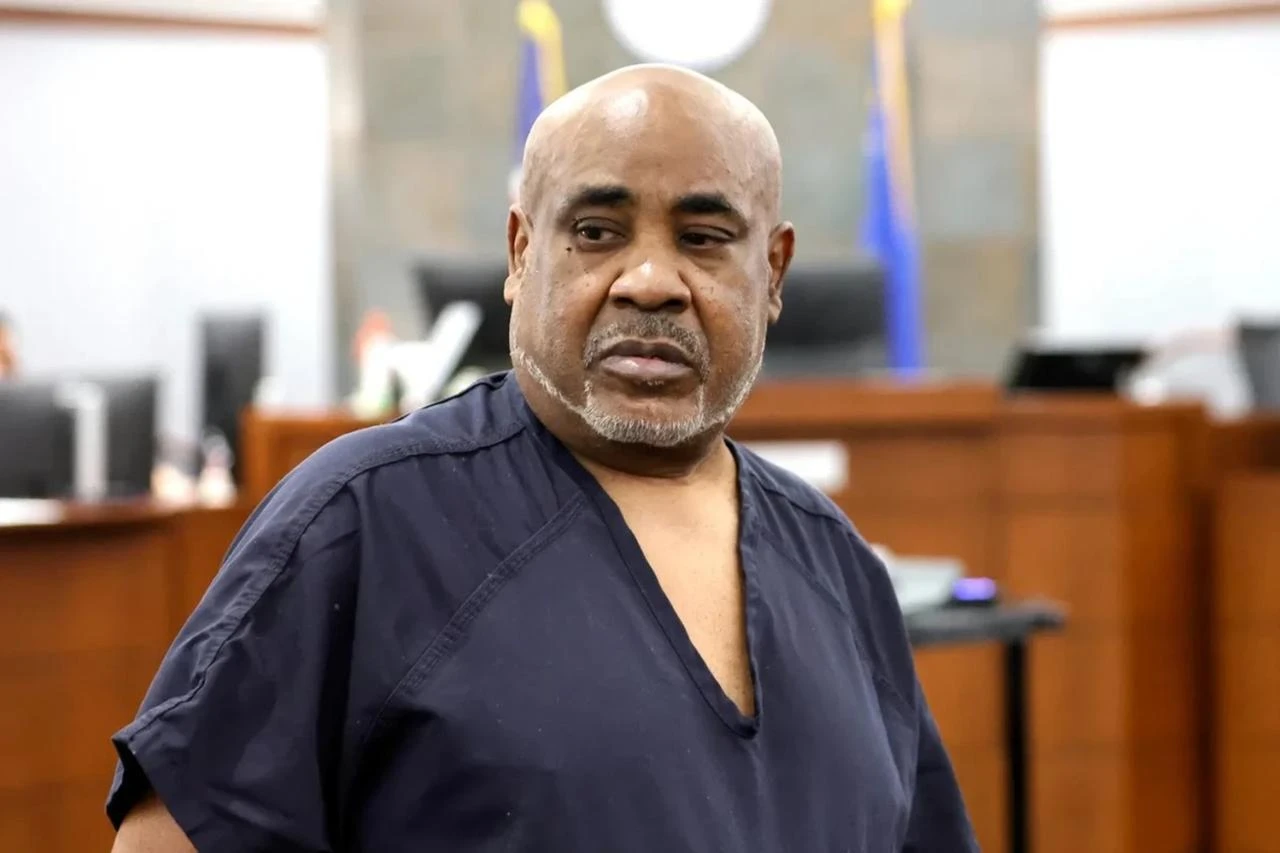


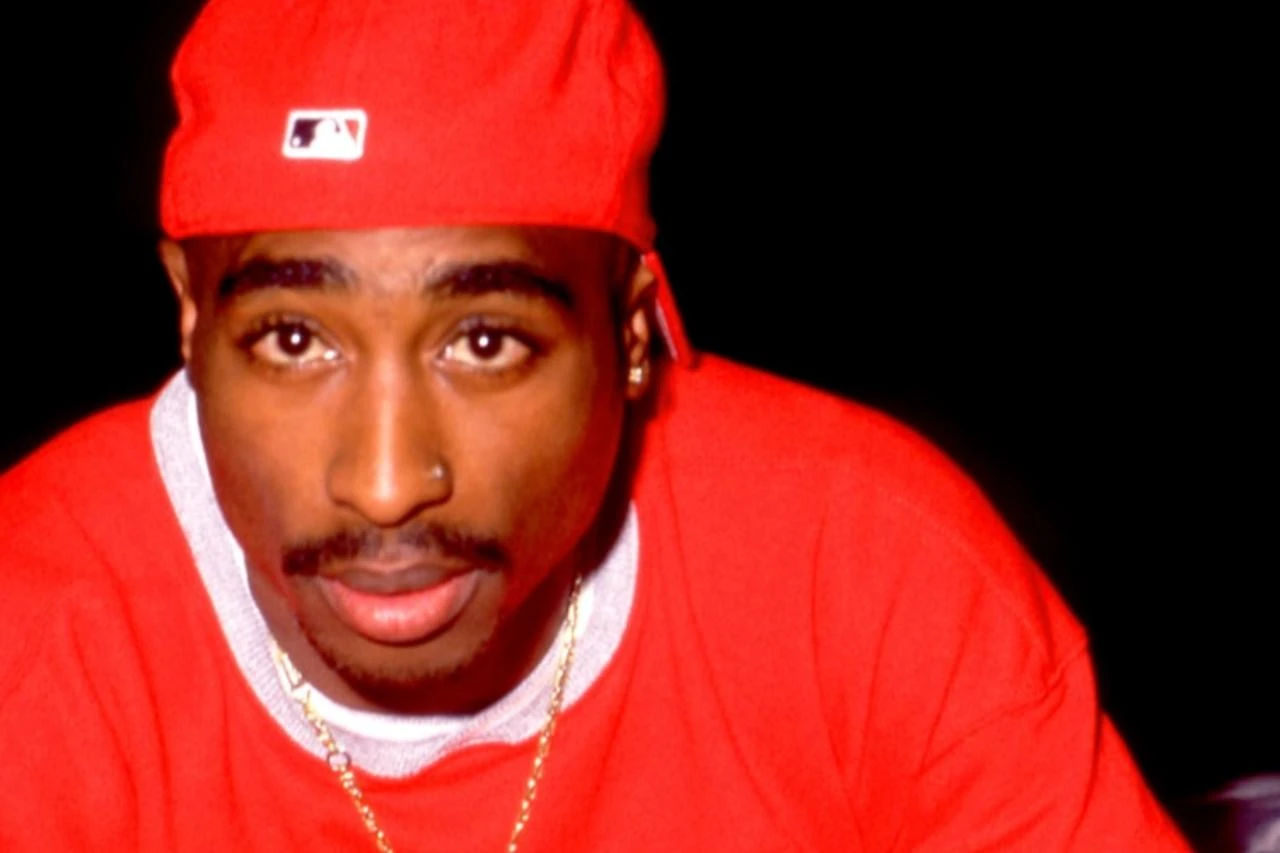
The trial of Duane "Keffe D" Davis began Monday in Las Vegas in connection with the 1996 murder of rapper Tupac Shakur.
Davis, 63, is charged with one count of murder with a deadly weapon with intent to promote, further or assist a criminal gang in Shakur's death. Prosecutors said in opening statements that Davis orchestrated, planned and directed the fatal shooting as an act of revenge.

"Let's be clear, Duane Davis did not pull the trigger. But he did plan the shooting in retaliation for the beating of his nephew," Chief Deputy District Attorney Binu Palal told jurors, adding that testimony would come "from Duane Davis himself."
Prosecutors showed jurors video from hours before the Sept. 7, 1996 shooting of Shakur's entourage attacking Davis's nephew, Orlando "Baby Lane" Anderson, inside the MGM Grand Hotel and Casino. They told the jury Davis then spent about two hours "planning how to get even."
Davis has pleaded not guilty. His defense attorneys argued the case lacks facts. Attorney Michael Sanft called Davis' 2019 memoir, "Compton Street Legend," "b-------" during his opening statement, according to the New York Times, and said Davis "was never charged for any of what he said during that time period" because prosecutors "knew he was full of crap."
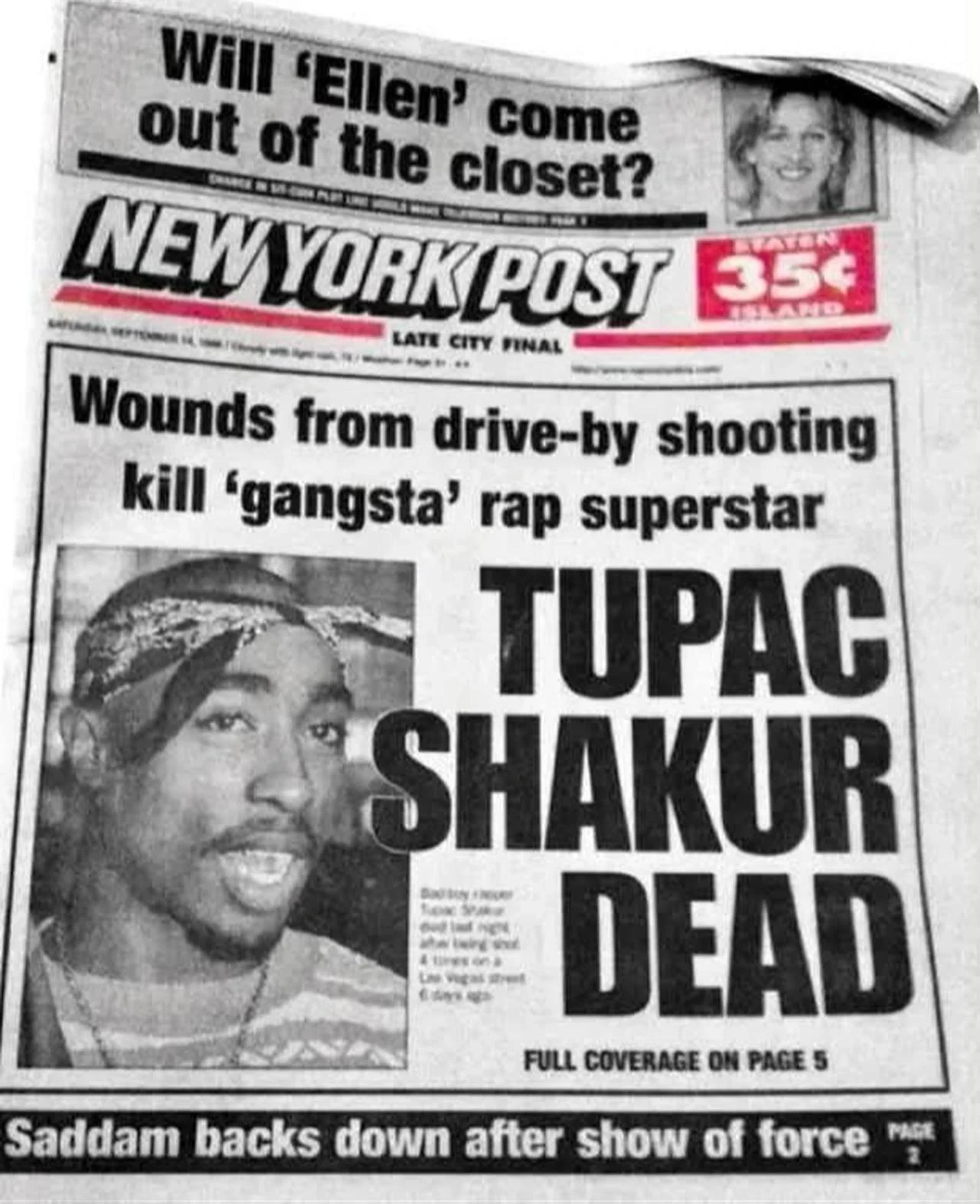
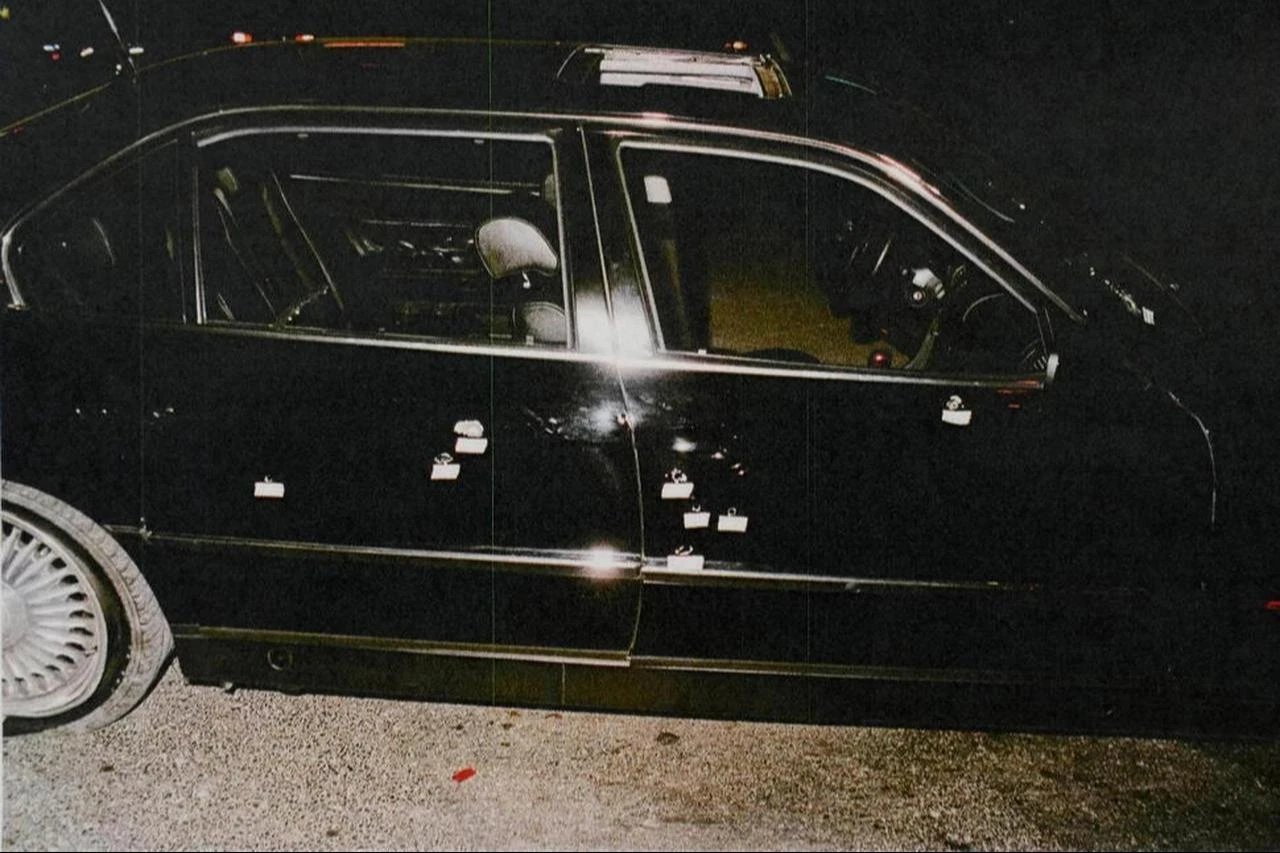
Shakur was shot while riding in the passenger seat of a car driven by music executive Suge Knight and died six days later. He declined to identify his attacker to police at the scene, telling responding officer Garry Dale, "No, we'll take care of it."
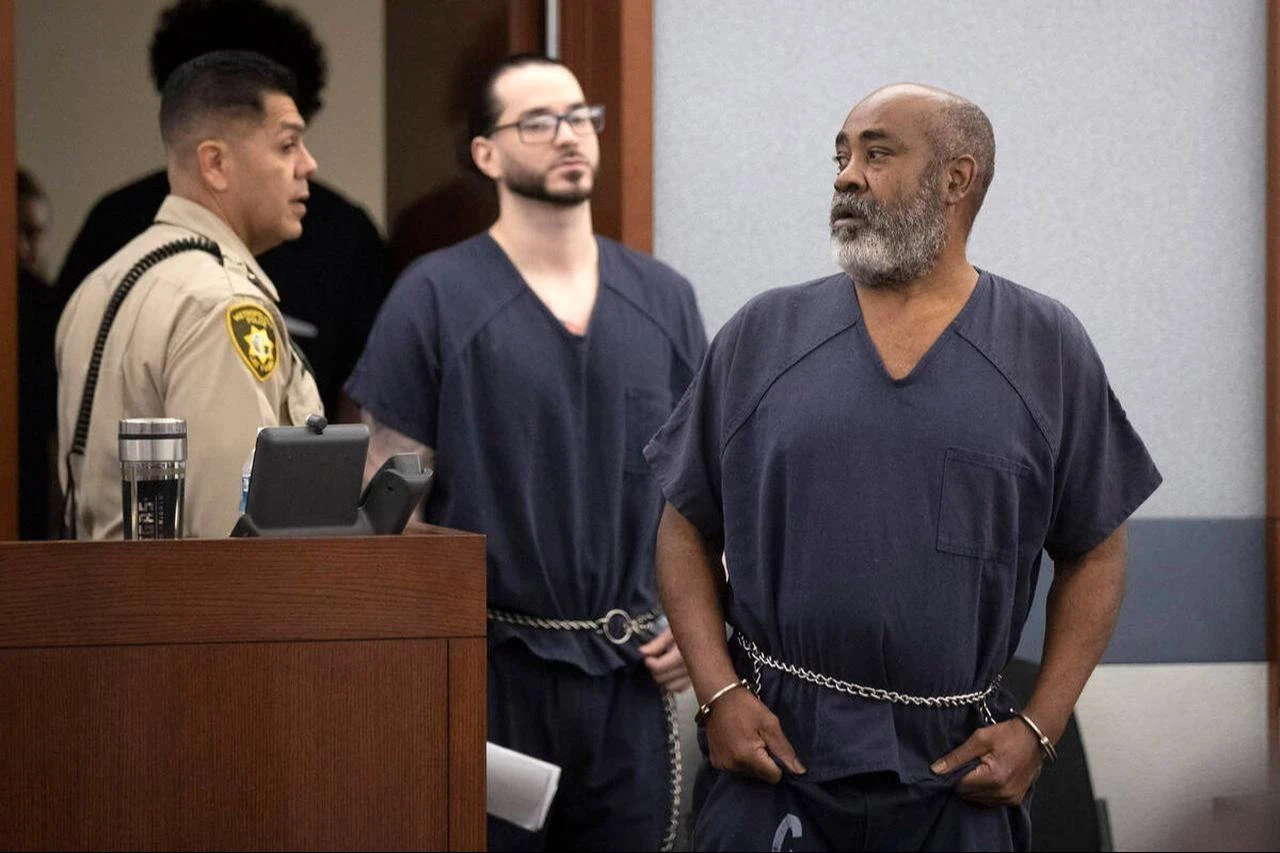
Davis denied involvement in Shakur's killing during FBI interviews in 1998 and 1999. His alleged connection to the case emerged in 2008, when he told a federal task force investigating the killing of rapper The Notorious B.I.G. that he had handed a gun to men in the back seat of a vehicle that fired on the car carrying Shakur.
That admission led to charges being filed against Davis in 2023, making him the only person ever arrested in the case.
The shooting occurred amid a rivalry between hip-hop labels on the U.S. East and West coasts during the 1990s. Shakur's label, Death Row Records, was associated with the Bloods gang, while rival label Bad Boy Records, led by Sean "Diddy" Combs, was associated with the Crips. Davis led the South Side Compton Crips, a gang based in Compton, California, near Los Angeles. Combs, now imprisoned, has denied claims that he was involved in Shakur's death.
Additional witnesses testified Monday, including Ingrid Stokes, who was in a nearby vehicle at the time of the shooting; former homicide detective Brent Becker; and former Los Angeles police officer Fred Miller, who investigated the killing of The Notorious B.I.G. The trial is set to resume Tuesday.


 Set as preferred source
 Set as preferred source


 1 min read

 1 min read