Newsletters


U.S. President Donald Trump said Monday that the United States is closely monitoring a reported case of pneumonic plague in Russia and will help Moscow, as Russian officials insisted tests had found no link between a laboratory worker's death and her work at a Siberian anti-plague institute.
"We're looking at it very strongly. We just heard about it," Trump told reporters at the White House before departing for a campaign rally in Nebraska.
"We'll help them, we'll help them as much as we can," he added.
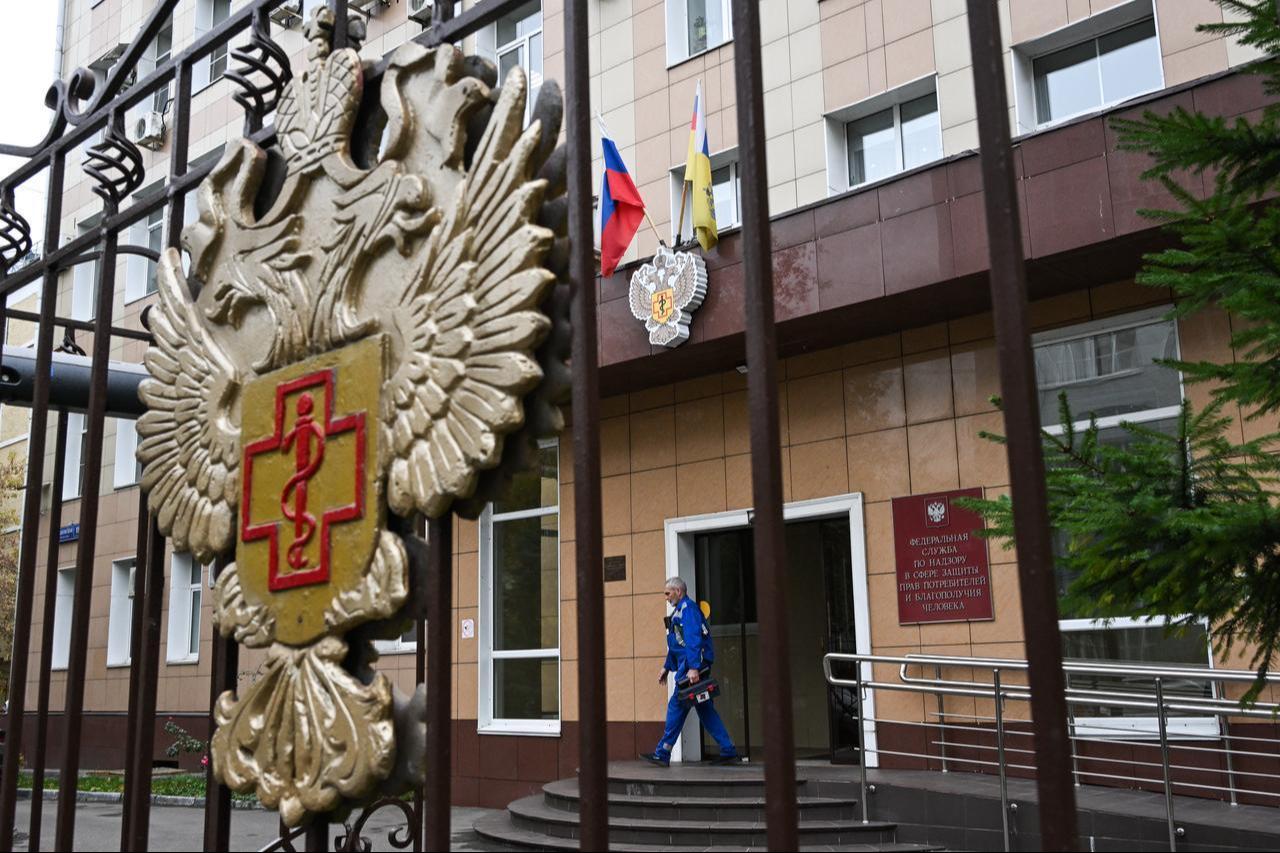
The death of a 28-year-old technician at the Irkutsk Anti-Plague Institute has sparked public health fears, with nearly 200 contacts placed under observation.
Russian authorities have not confirmed that she had plague.
Trump called the outbreak a "big problem for Russia."
"Well, I hate to see them having it," he said, adding, "It's a rough disease."
"Years ago you could treat pneumonia easier, and the microbes and the germs have gotten stronger," Trump said, adding, "But we'll help them."
"Anybody that has that kind of a problem, we're always willing to help," he said.
The reports are being closely watched in Washington, where memories of the COVID-19 pandemic remain fresh. Trump has strongly backed the theory that COVID-19 emerged from a laboratory leak in Wuhan, China.


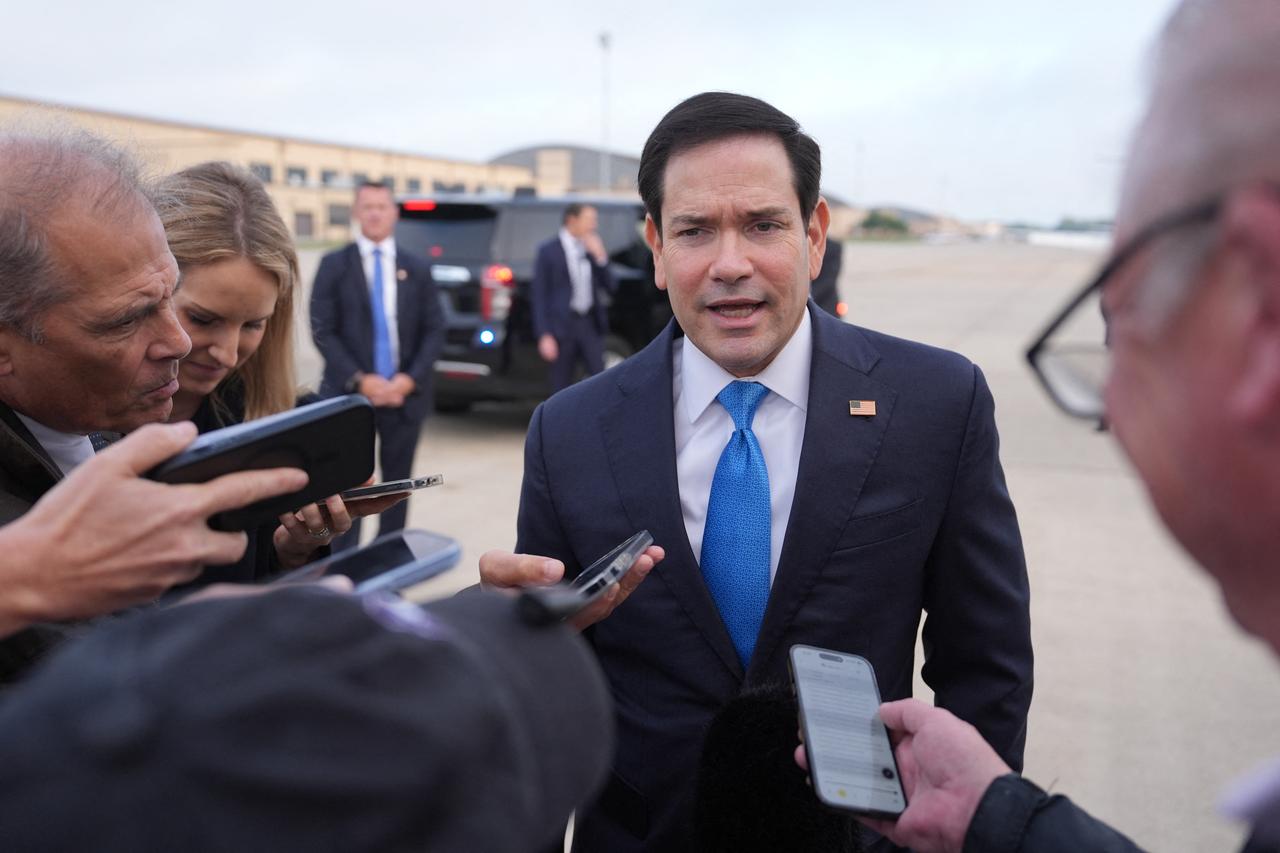
Secretary of State Marco Rubio said the U.S. was monitoring the situation but saw no reason for alarm.
"I don't think it's cause for alarm, but it is cause for focus and a cause to just keep an eye on it. And we're doing that," he told reporters before leaving for Iceland.
"There's very limited travel between the U.S. and Russia, obviously, but like anything else, something like that gets out; it could quickly spread," Rubio said.
Separately, Rubio said the U.S. Embassy in Kyiv remains operational despite Moscow's renewed warning for foreign missions to leave the Ukrainian capital, adding that security is reviewed daily.
Irkutsk Gov. Igor Kobzev said Monday that a special expert commission found "the cause of death was pneumonia of undetermined aetiology."
He said Russia's health watchdog Rospotrebnadzor determined that "no microorganisms linked to the young woman's professional work were found in her biological samples."
Kobzev added that there had been "no new cases of staff from the anti-plague institute seeking medical attention" and that the situation in Irkutsk was "stable."
"The situation remains under our control and that of the experts," he said.
Kremlin spokesperson Dmitry Peskov urged the public to heed official statements.
"It is precisely the official statements from Rospotrebnadzor that one should heed, rather than listening to various rumors or speculations," he said.
Independent outlet People of Baikal, citing unnamed sources close to regional security services, has reported that the woman, Darya Shipilova, may have contracted pneumonic plague from a broken test tube.
Malick Gibani, a clinical associate professor in bacterial vaccinology at Imperial College London, said Russia's reported response appeared "proportionate."
"It appears that measures are being implemented to quarantine any potential contacts and prevent any onward transmission," he said.
Indonesia has stepped up health surveillance at international airports and seaports, including in Bali, despite receiving no international alert through the World Health Organization, the Health Ministry's Aji Muhawarman told the state-run Antara news agency.
Measures include health declarations, symptom monitoring of travelers, risk-based assessments of incoming vessels, and surveillance of rodents and fleas, as concerns over the suspected plague case in Russia spread.


 Set as preferred source
 Set as preferred source



 4 min read