Newsletters


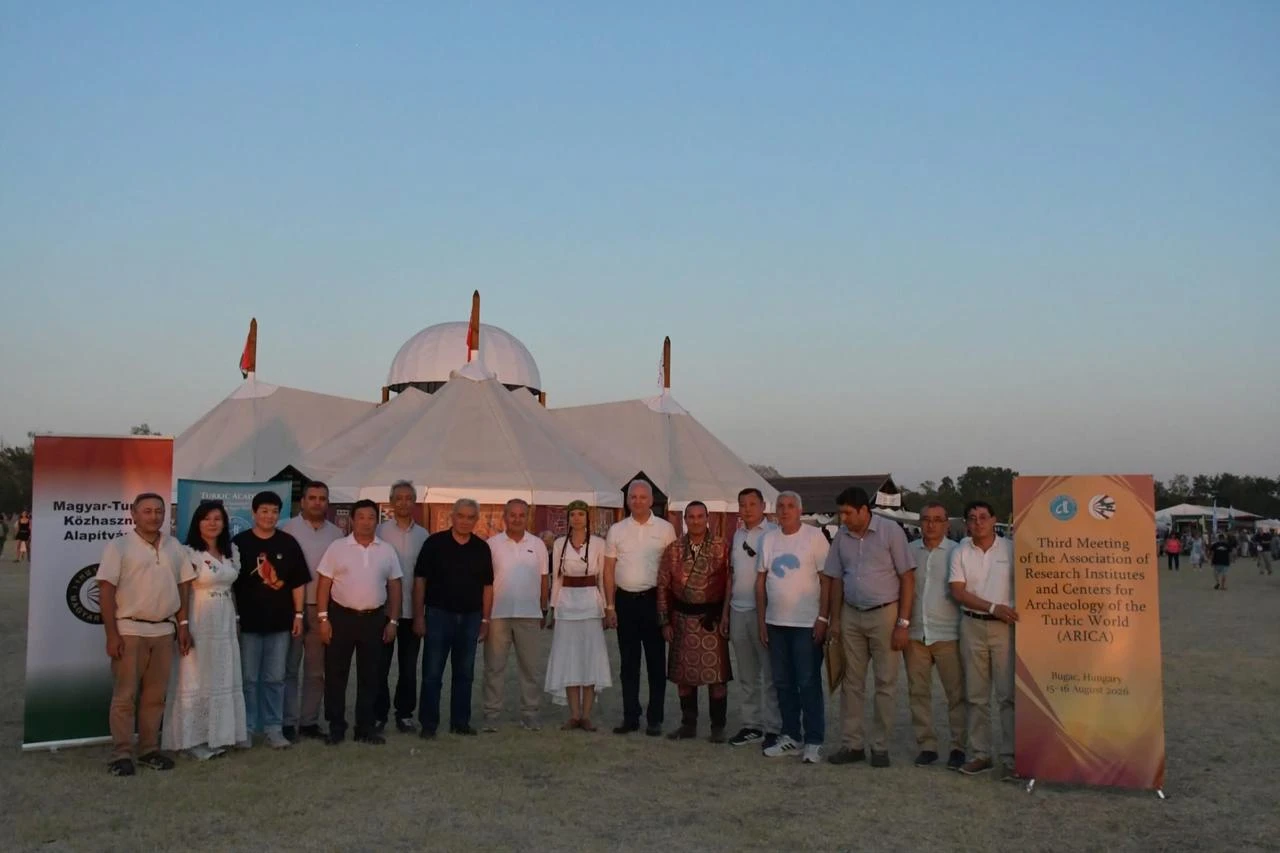


Archaeology institutions from across the Turkic world have agreed to step up joint research and build a shared digital database covering major archaeological sites. This was agreed upon by researchers gathered in Hungary for the third meeting of the Association of Research Institutes and Centers of the Turkic World, known as ARICA.
The meeting, held in Bugac, brought together archaeologists and institutional representatives to discuss closer scientific cooperation, digital heritage projects, and the systematic exchange of archaeological information across participating countries.
ARICA was established in Samarkand, Uzbekistan, in 2023 on the initiative of the Turkic Academy. The latest gathering included Turkic Academy President Professor Sahin Mustafayev, Hungarian–Turan Foundation President Andras Biro, and officials and representatives from archaeological institutions of Turkic states.
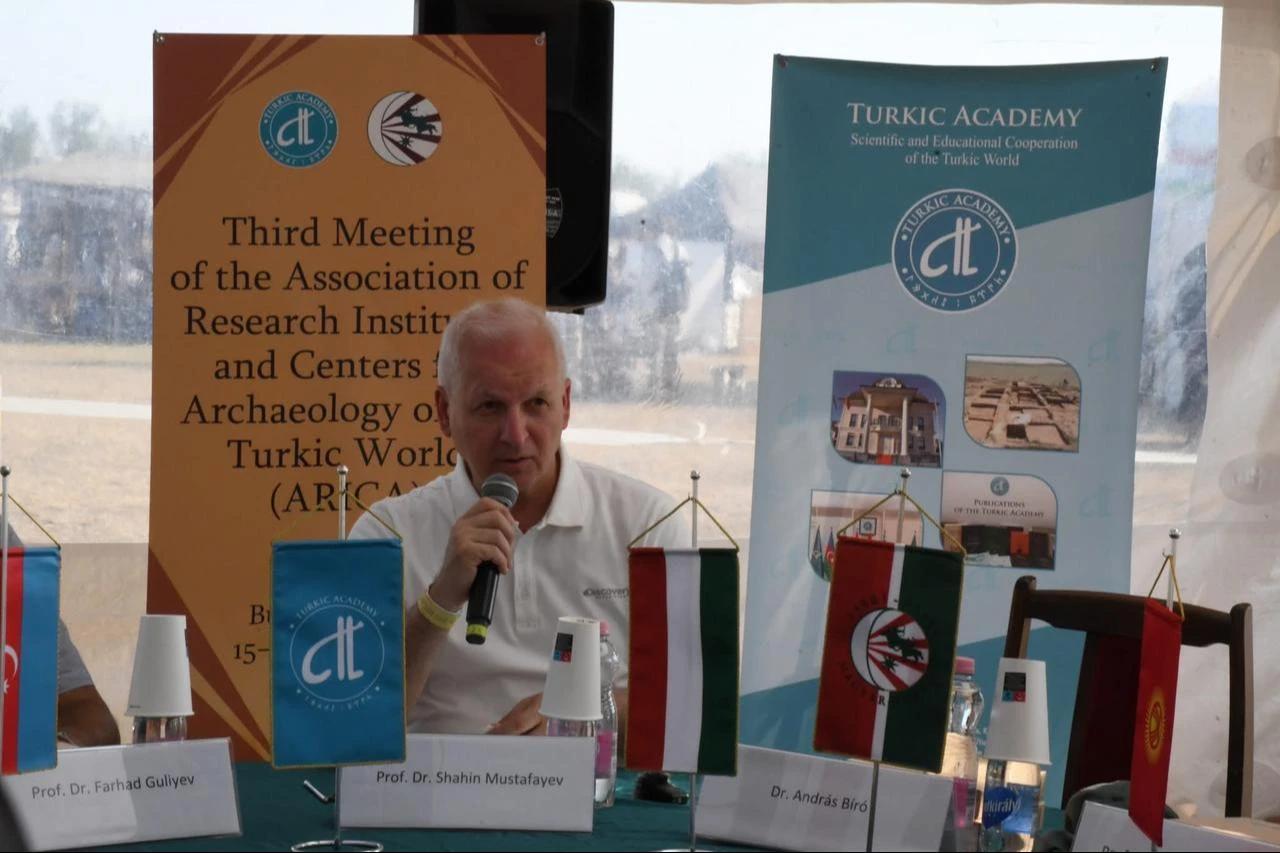

Mustafayev said ARICA had made significant progress during its first three years, developing from a newly established organization into an international scientific network focused on carrying out joint projects.
He said the network's priority research areas include historic Silk Road cities, monuments dating to the early Turkic period, ancient irrigation systems, archaeological heritage linked to the nomadic cultures of Eurasia and medieval production centers.
Mustafayev also underlined the importance of holding ARICA meetings annually to assess archaeological research carried out during each year, while saying the Turkic Academy would continue supporting greater integration and development of archaeological studies across the Turkic world.
One of the central projects discussed at the meeting was the "Electronic Atlas of Archaeological Sites of Turkic Countries," which is intended to bring information about major archaeological locations into a shared digital database.
The database is expected to include geographical locations, chronology, scientific descriptions, photographs, site plans, research results and key academic publications relating to archaeological sites across the Turkic world.
Participants also put forward a proposal to establish an "ARICA Digital Information Portal," which would provide a platform for continuous scientific information exchange among archaeological institutions, researchers and academic centers.
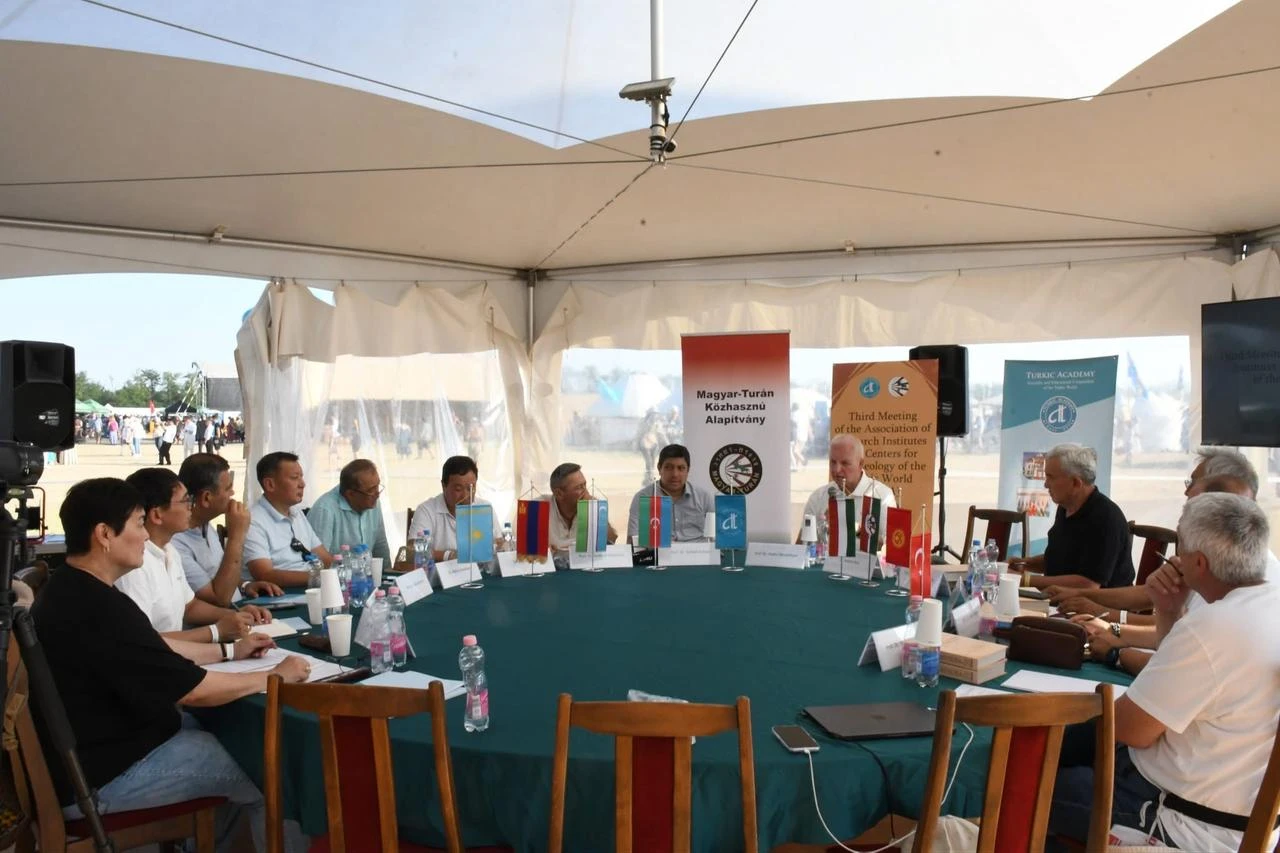
The meeting also placed particular emphasis on expanding archaeological cooperation with Hungary.
Participants highlighted the importance of research carried out by Hungarian scholars on the Huns, the Eurasian steppes and the early history of Turkic peoples, identifying these subjects as areas where broader academic cooperation could be developed.
The gathering also introduced "Archaeologists of the Turkic World: Short Biographies," a publication prepared under the coordination of the Turkic Academy.
The book brings together information on the lives, academic work and contributions of prominent archaeologists from different countries of the Turkic world.
At the end of the meeting, participants adopted the declaration of the third ARICA gathering, agreeing to move forward with joint archaeological research, establish a common digital information space and expand systematic scientific exchange between research institutions across the Turkic world.


 Set as preferred source
 Set as preferred source



 2 min read