Newsletters


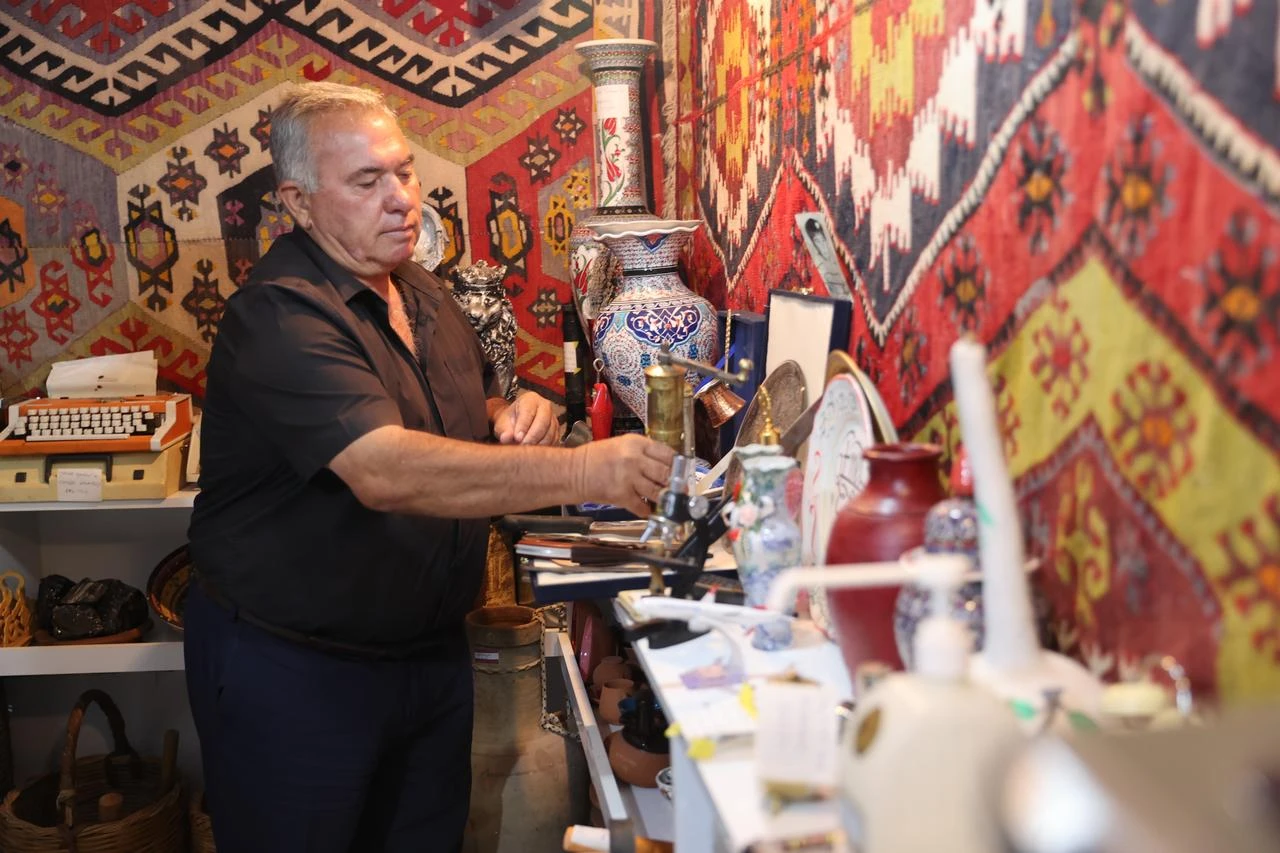


In the Tuzkoy neighborhood of Nevsehir's Gulsehir district, an area in Türkiye's Cappadocia region, 57-year-old Mustafa Ari has converted part of his house into a "memorial museum," filling it with everyday objects once owned by neighbors who have passed away.
The museum, which displays hundreds of items ranging from eyeglasses and typewriters to razors and gramophones, keeps alive the memories of deceased neighborhood residents.
Ari, who has dedicated himself to the museum for nearly 30 years, said that his goal is not so much to preserve old objects as to pass on the village's collective memory to future generations. Ari said he began the museum years ago with just a few items and that the collection grew over time with support from villagers.
He and his family collect the belongings of villagers who pass away and have dedicated an entire section of their home to preserving them. "We've turned it into a museum," he said. "So that people's names don't remain only on their gravestones, we keep their memories alive here."
Ari said the cleaning and upkeep of the items are handled by his wife and daughter-in-law, adding that his family takes pride in the effort put into carefully preserving the memories housed in the museum.
The most recent addition to the museum was the uniform and identification tag of Sergeant First Class Murat Aksoy, who died two weeks ago at the hospital where he was being treated for cancer.
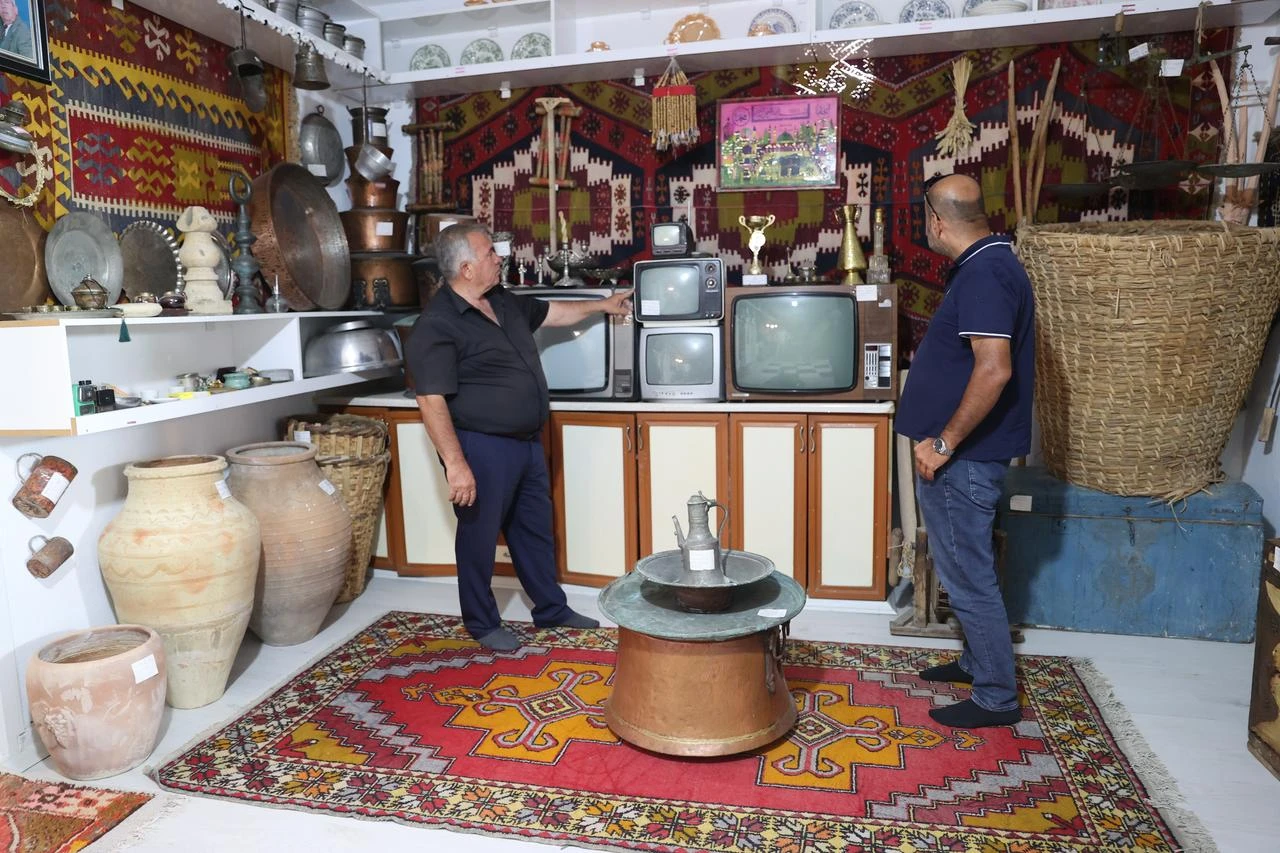

People who have emigrated from Tuzkoy to other cities in Türkiye or abroad visit the museum whenever they return to the village, Ari said. People who come from Germany, Izmir and Istanbul tour the museum, and Ari offers them tea and coffee. "When they're happy, we're happy with the work we've done," he said.
Ari plans to keep running the museum for as long as he's able and hopes his children will continue it after him. He estimates the collection holds at least 1,000 items, representing the memories of roughly 100 to 150 deceased villagers, though he noted that number grows once every object's story is counted, since many of the items themselves are decades old.
One corner of the museum is dedicated to Murat Aksoy, a relative and neighbor who served in Igdir, a province in eastern Türkiye, and died two weeks ago. "When he died, I set aside a place for him in the museum along with the military uniform he last wore," Ari said. "We keep his memory alive in one corner. When I walk in, it's as if I can see him standing there."
Ari's wife, Zekiye Ari, said she shares the same feelings and views as her husband when it comes to preserving these memories.
Zekiye Ari, who said she accompanies women visiting the museum, said visitors often recognize items on display. "When visitors see a name on an item, they say, 'Oh, that's my aunt's plate, her pot, her saddlebag,' and they get emotional," she said. Zekiye Ari added that she will continue working to preserve people's memories for as long as her health allows.


 Set as preferred source
 Set as preferred source


 6 min read