Newsletters


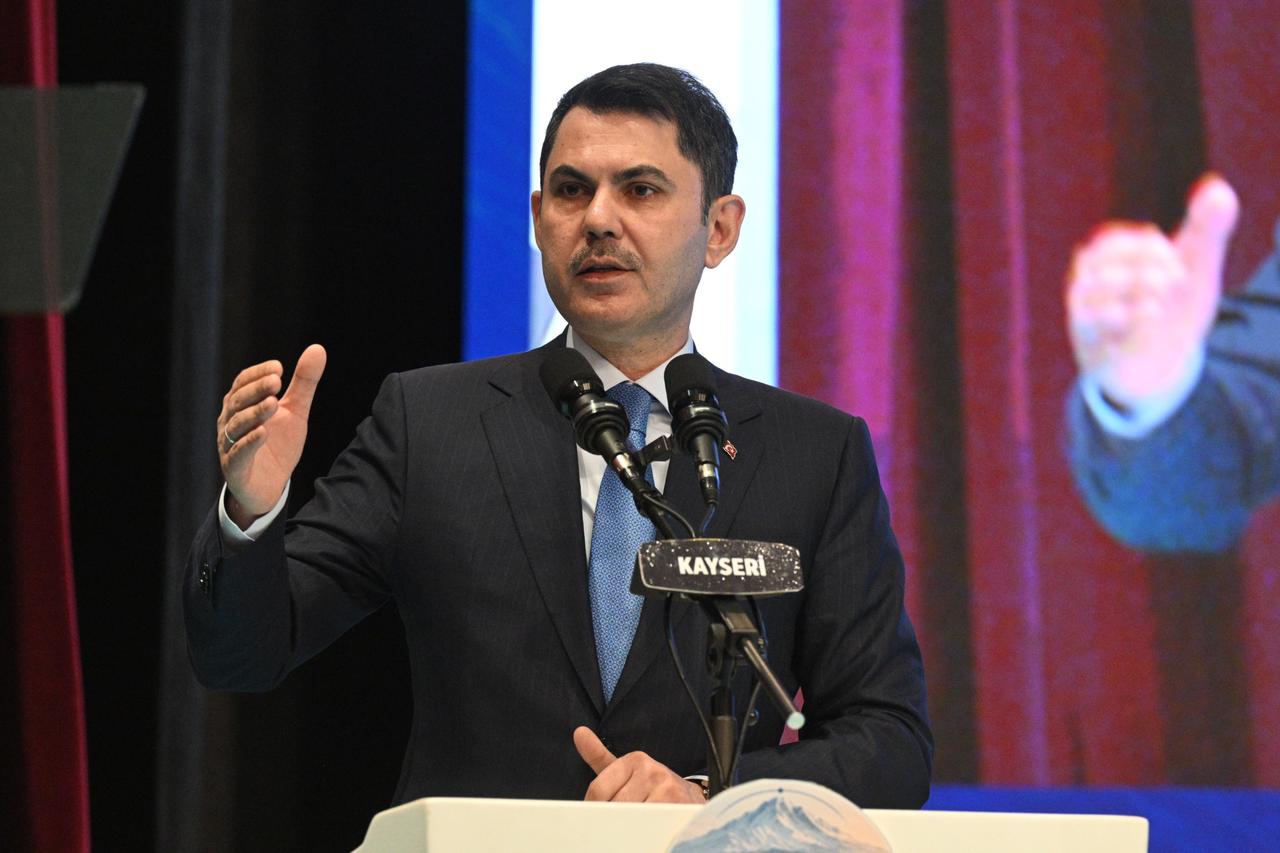


Türkiye wants the upcoming COP31 U.N. Climate Summit in Antalya to turn climate commitments into concrete action, COP31 President Murat Kurum said, outlining an agenda focused on electrification, waste management, resilient cities, green industrialization, climate finance and climate education.
Speaking at the Climate Action Week in London, Kurum said Türkiye aims to make the November summit in the Mediterranean city of Antalya an implementation-focused meeting that delivers results and improves people's lives.
Kurum said the international community is meeting at a time of overlapping crises, with the economic effects of recent conflicts still being felt globally, debt burdens rising and climate-related risks becoming more costly.
He also warned that nations face threats from the El Nino weather phenomenon, which research suggests could inflict approximately $5 trillion in global damages.
This year could become the costliest El Nino year on record, Kurum said, adding that such calculations still do not include the most severe cost: the loss of life.
Against this background, Kurum said Türkiye believes the Antalya summit can help change the direction of global climate efforts by setting out a clear and practical agenda.
He said Türkiye's COP31 presidency had listened to parties, assessed where progress can be achieved and identified areas where urgent action is needed.
Kurum said the presidency had now put forward an agenda focused on concrete outcomes.
Kurum said electrification had emerged as one of the clearest themes in consultations so far.
He said electrification is directly linked to daily economic decisions, including the cars people buy, how homes are heated and how energy bills can be reduced.
Türkiye wants to shape the global discussion around a target for electricity to account for 35% of final energy consumption by 2035, Kurum said.
The "35% by 2035" target would require faster electrification in transport, buildings and industry, he said.
Kurum said rising electricity demand should be met through a parallel increase in clean energy supply.
Secure and sustainable energy systems depend on electrification and renewable energy advancing at the same time, he added.

Kurum also emphasized climate finance, saying developing countries must have access to the funding needed to meet shared climate goals.
He recalled that countries agreed under the Baku Finance Goal to mobilize at least $300 billion a year by 2035.
However, Kurum warned that overseas development aid recorded its largest annual decline last year.
The success of the transition depends on whether developing countries can obtain the financial resources needed to implement common targets, he said.
Kurum said Türkiye's COP31 presidency will work to keep climate finance high on the agenda. He also called on donor countries to fulfill their previous commitments.
Waste management will also be one of Türkiye's priorities at COP31, Kurum noted. He said Türkiye had proposed a global target to halve the increase in waste generation by 2035.
Reducing methane emissions from landfills is one of the fastest and most practical ways to slow global warming, he said.
Kurum stated that the waste sector accounts for about 20% of human-caused methane emissions.
Kurum said resilient cities would be another key priority at the summit, pointing to Türkiye's reconstruction experience after the 2023 earthquakes.
Under President Recep Tayyip Erdogan's leadership, Türkiye rebuilt 455,000 homes in two years, he said. The new homes met high energy-efficiency standards and reduced energy consumption by 39%, Kurum added.
He said this was important not only for climate policy but also for protecting families from rising energy prices.
Kurum said Türkiye wants COP31 to address a target to reduce energy consumption intensity in the building sector by at least 25% by 2035.
Green industrialization will also be among the areas where Türkiye wants progress, Kurum said.
Electrification, he noted, will be an important part of that process.
Kurum said COP31 will also discuss how to raise the use of recycled materials in production and manufacturing to at least 15% by 2035.
He said Türkiye would launch the Climate Implementation Bridge initiative, which aims to strengthen alignment between climate goals and economic development policies, especially in developing and least developed countries.
Underlining the importance of climate literacy, Kurum said public awareness is essential to maintaining social support for climate action.
Türkiye wants climate change to be included in education curricula in more countries by 2030, he said.
Kurum said Türkiye had launched the COP31 Business Forum with the Union of Chambers and Commodity Exchanges of Türkiye, or TOBB, to mobilize business participation ahead of the business summit to be held in Antalya on Nov. 12-13.
He said the forum will serve as a year-long platform to strengthen private-sector engagement in the COP31 process.
Kurum called on governments, businesses, civil society organizations and philanthropic institutions to support the priorities set out by Türkiye's COP31 presidency.
He said the Antalya summit should become a future-oriented and implementation-focused COP, adding that stronger global action is needed to build momentum and deliver results.


 Set as preferred source
 Set as preferred source


 1 min read
 1 min read