Newsletters


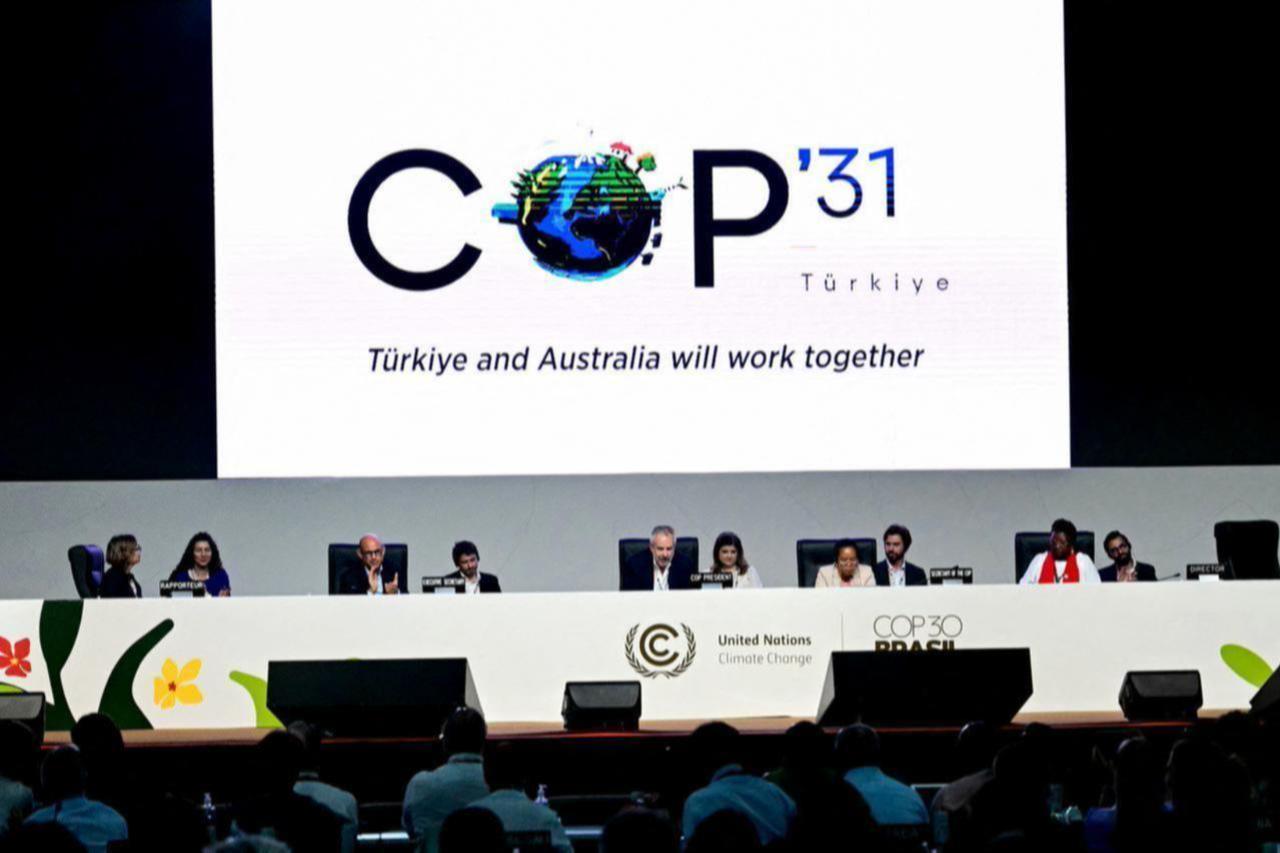


Zero waste and water will be among the priority issues at COP31 in Antalya, experts told Anadolu, stressing that climate commitments should move from pledges to measurable results.
Lara van Druten, a member of the U.N. Zero Waste Advisory Board and CEO of the Netherlands-based Waste Transformers organization, said zero waste and water systems are closely linked, Anadolu reported.
She said production depends on water systems, while products that become waste often return to those same systems as pollution. Reducing waste and pollution, she said, can help create more resilient water systems.


Van Druten said waste should be viewed as part of a broader system, not only as a discarded product.
She noted that 40% of food produced is wasted, while one in every 12 people in the world goes to bed hungry.
“In addition to wasted food, a huge amount of water is also wasted,” van Druten said.
“When we throw away that 40% of food, it also means we are throwing away three times the volume of Lake Geneva’s water every year,” she added.
“If we solve the waste problem, we will also solve the water problem,” she said.
Van Druten said zero waste is being placed at the center of the COP agenda in all its dimensions for the first time at the conference to be held in Türkiye in November.
Van Druten said U.N. Water Week and the Zero Waste Global Forum offer momentum to produce concrete outcomes on the road to COP31.
She called for moving “from words to action” and focusing on measurable results.
Henk Ovink, chair of the International Water Management Institute’s board and executive director of the Global Commission on the Economics of Water, said human activity and climate change are weakening water security.
“What defines our future is not the bankruptcy of water, but our own bankruptcy,” he said.
Ovink said water cycles should be considered and managed as a global common good.
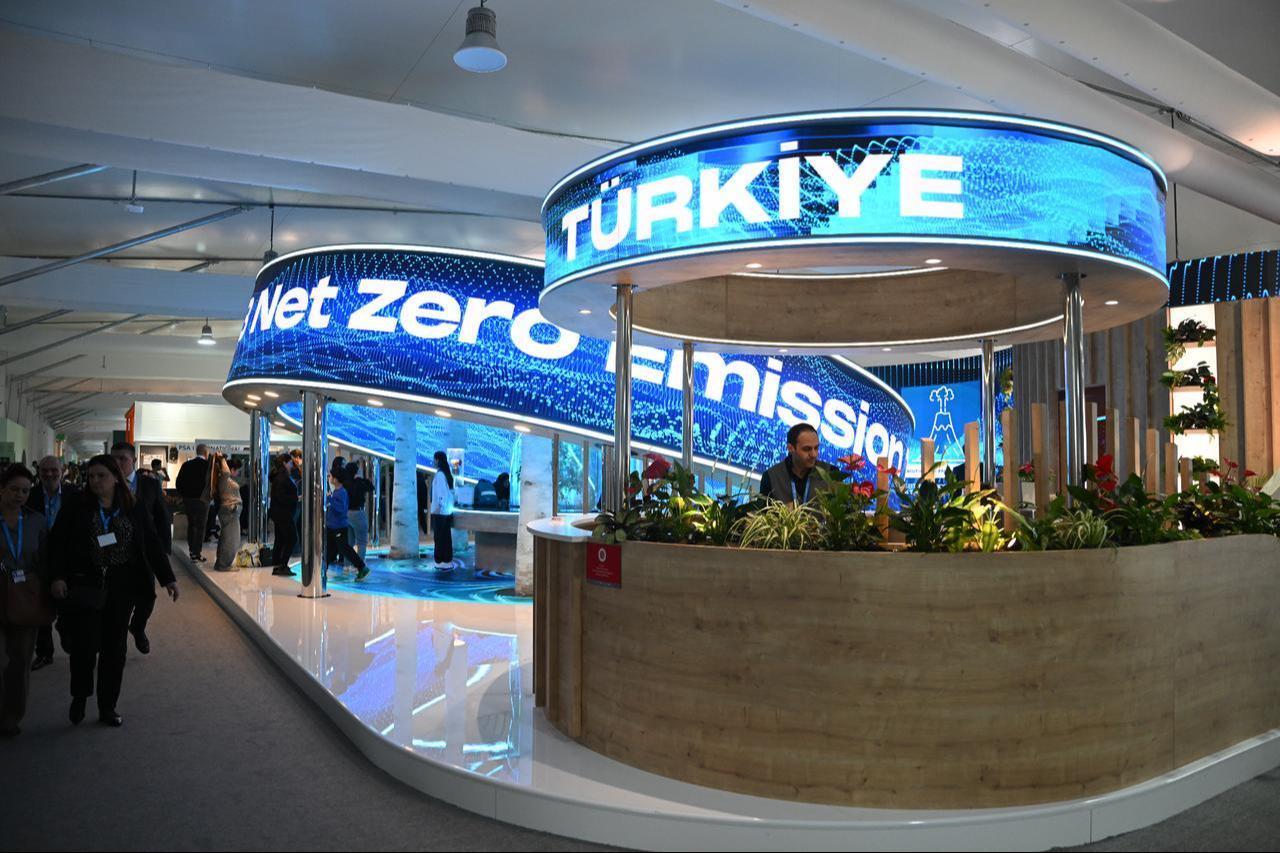
Ovink said Türkiye, like all countries, will face more frequent and severe extreme weather events, including floods and long droughts that weaken food security and biodiversity.
He said water should be considered in every area, including energy, food, urbanization, industry and investment.
“The water-related commitment should be carried as an outcome of COP31 to the U.N. Water Conference, and the world should be shown that an alternative exists,” Ovink said.
He added that investments and necessary steps should be reassessed to move toward a fairer, more resilient and more sustainable future.


 Set as preferred source
 Set as preferred source


 1 min read
 1 min read