Newsletters




Türkiye was the second most frequently flagged country in the European Union’s food safety alert system in 2025 due to pesticide residues, according to data from the European Commission’s Rapid Alert System for Food and Feed (RASFF).
The country was cited in 105 notifications throughout the year, trailing only India with 124 alerts, Greenpeace Türkiye reported, adding that 51 of Türkiye’s notifications resulted in shipments being rejected at EU borders.
Some 48.5% of the alerts involving Turkish products resulted in border rejections. In total, India, Türkiye, Egypt (88 alerts), China (48), and Brazil (34) made up the top five countries with the most pesticide-related alerts in 2025.
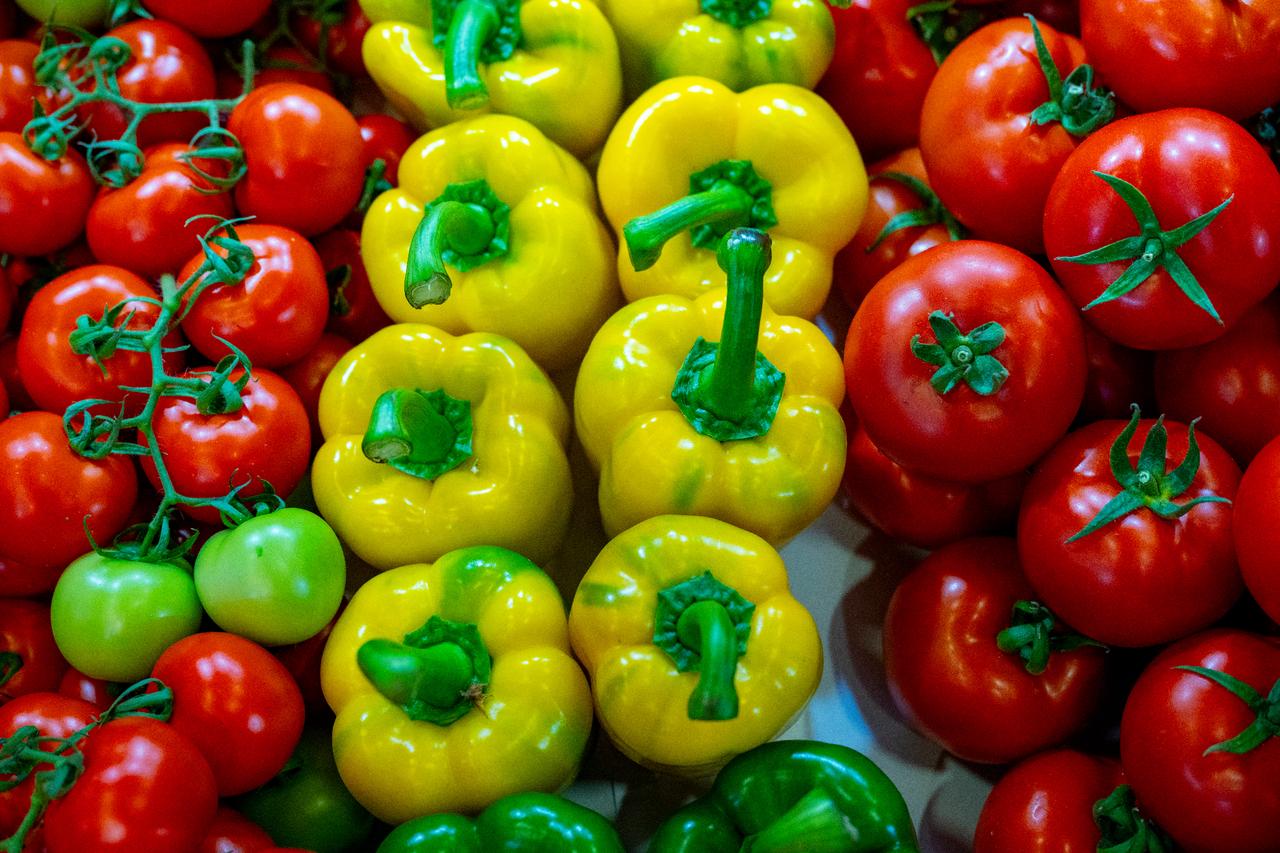
The top rejected items included peppers (27 cases), tomatoes (nine), and pomegranates (five), followed by lemons, grape leaves, pears, grapefruits, mandarins, and peaches.
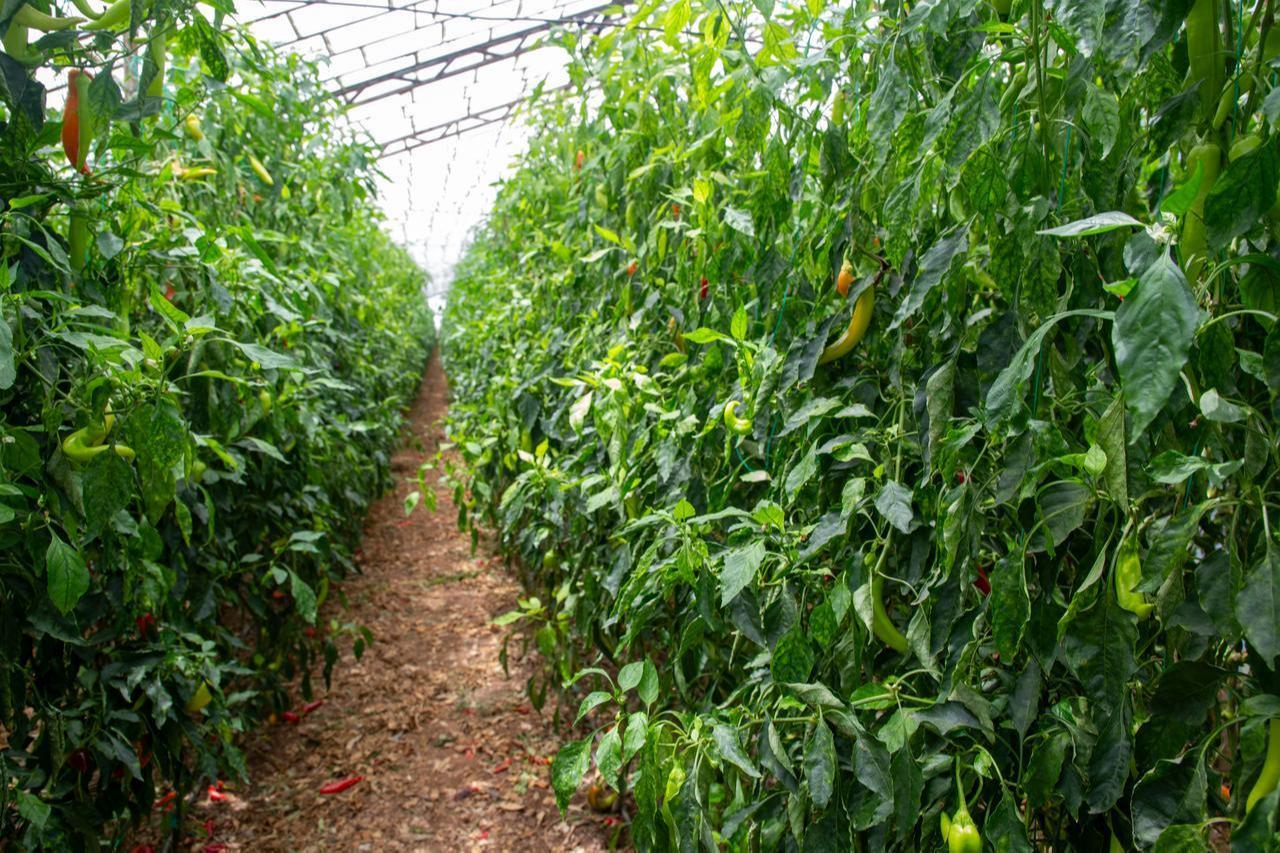
Among the 27 notifications concerning peppers, eight were linked to the presence of formetanate, a highly toxic substance banned in Türkiye. Greenpeace Türkiye highlighted the recurrence of peppers in both the 2024 and 2025 data, suggesting systemic issues in domestic pepper production.
Berkan Ozyer, director of Greenpeace Türkiye, stated that the country being the second-most notified for two consecutive years is "concerning." He emphasized the importance of transparency and called for the publication of pesticide analysis results.
"The fact that peppers again top the list of returned items this year points to a persistent problem in the production process," Ozyer said, referencing the 2024 figures as a precedent.
The figures have added renewed urgency to the long-running pesticide debate in Turkish agriculture, where concerns over food safety, export reliability, and regulatory transparency remain at the forefront of public scrutiny.

While Greenpeace Türkiye has consistently drawn attention to rising EU pesticide alerts and urged greater transparency, the Agriculture and Forestry Ministry has maintained that the issue is limited in scope and often misunderstood.
Ersin Dilber, general director of food and control at the ministry, previously addressed the perception that most rejected Turkish food exports are due to pesticide residues. "There’s a perception that our products are mostly turned away because of pesticide residues, but only 1.6% to 2% of all shipped goods are returned," he said during a public event in October.
Dilber added that returns may also result from toxins, other contaminants, or commercial disagreements in which buyers decline to receive the goods.
He also emphasized Türkiye’s monitoring capacity, noting that the country conducts around 21.2 million food tests and collects 222,000 samples annually, exceeding the 200,000 pesticide analyses reported across 29 European countries in 2022.
In a separate development, Greenpeace Türkiye won a lawsuit in October requiring the Agriculture and Forestry Ministry to disclose pesticide test results from 2022 to 2024.
The court ordered the ministry to disclose details on tested products, sample counts, violations, and corrective actions, stating they are not exempt under Türkiye’s Freedom of Information law.
Greenpeace has since renewed its call for immediate publication, even launching a petition campaign.


 Set as preferred source
 Set as preferred source


 2 min read
 1 min read