Newsletters


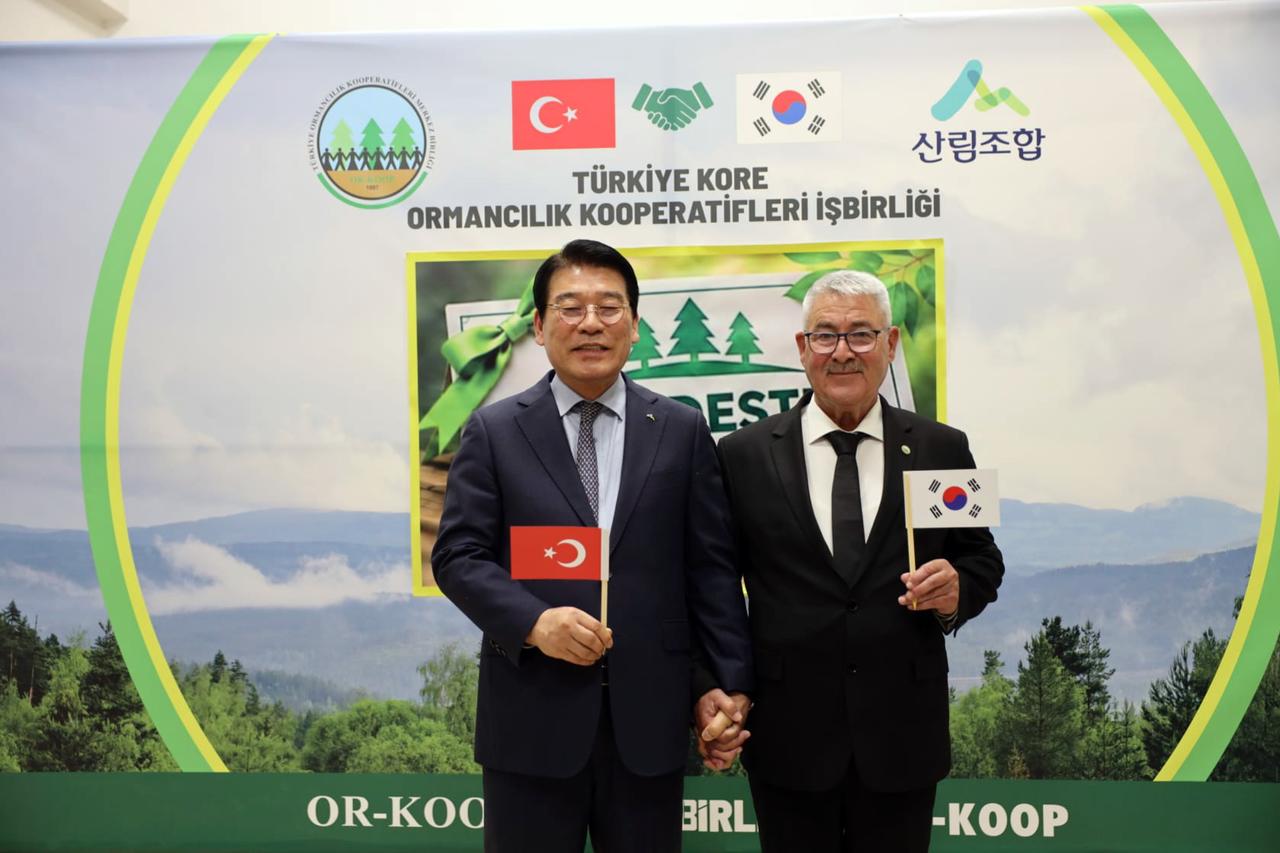


A South Korean delegation visited Mugla in southwestern Türkiye to explore cooperation in sustainable forestry, mushroom cultivation and agricultural cooperatives, as officials from both countries discussed opportunities for joint projects and knowledge sharing.
The delegation from South Korea's National Forestry Cooperative Federation (NFCF) met with local authorities and cooperative representatives to exchange expertise on forest management, rural development and production.
Mugla Governor Idris Akbiyik welcomed the delegation at the governor's office, alongside Ahmet Cetiner, head of Türkiye's Central Union of Forestry Cooperatives (OR-KOOP), and Eray Cicek, a senior representative of regional agricultural and forestry cooperative unions.
Akbiyik highlighted Mugla's long-established forestry traditions and cooperative network, explaining that local authorities were working on projects to improve the livelihoods of forest-dependent communities and increase the value of their products.
He also emphasized that international exchanges of knowledge and experience could contribute to these efforts.
During a meeting at the Mugla Chamber of Commerce and Industry, NFCF President Choi Chang-ho pointed to the longstanding friendship and mutual trust between Türkiye and South Korea.
Choi identified forest conservation, sustainable management and the development of local communities as key areas for cooperation, adding that both countries aimed to build on their experience through concrete partnerships.
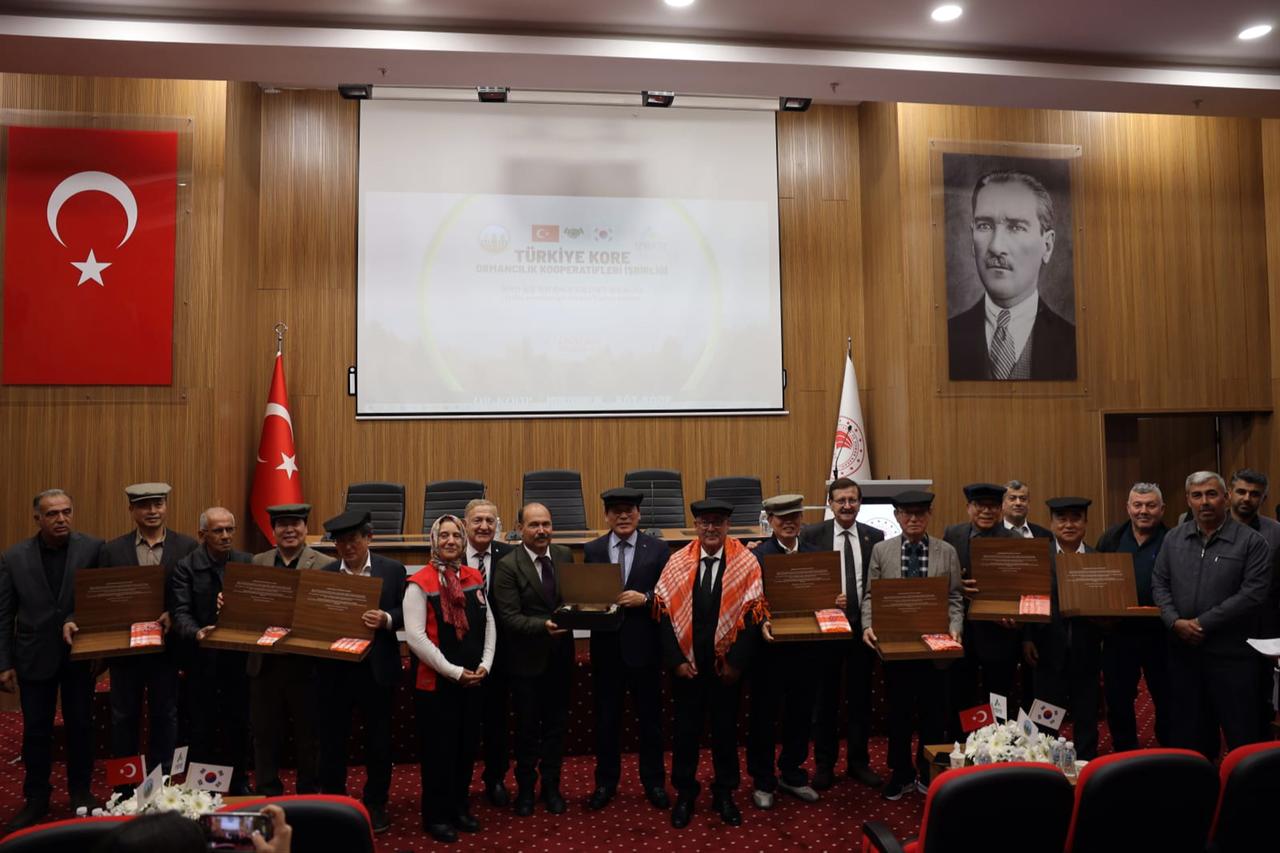

The South Korean delegation also visited Mugla's Regional Forestry Directorate and Provincial Directorate of Agriculture and Forestry, where discussions focused on mushroom cultivation and cooperative management.
Cicek said the meetings provided an opportunity to exchange knowledge about mushroom farming, an area in which Turkish cooperatives hope to draw on South Korea's experience.
He added that the two sides aimed to develop joint projects involving mushroom production and the organization of cooperatives, which are collectively managed enterprises that allow producers to share resources and strengthen their economic activities.
Cetiner also welcomed the delegation, expressing confidence that cooperation between forestry organizations could further strengthen bilateral ties.
As part of the visit, the delegation toured the Apimugla Apitherapeutic Beekeeping Products Research, Development, Innovation and Processing Center, which focuses on bee-derived products.
The program also includes planned visits to the Gokova Forest Nursery and cooperative facilities, along with a commemorative tree-planting ceremony.
Delegation members are also expected to examine sweetgum and honey production facilities as both sides explore opportunities to turn their discussions into practical cooperation.


 Set as preferred source
 Set as preferred source



 5 min read