Newsletters


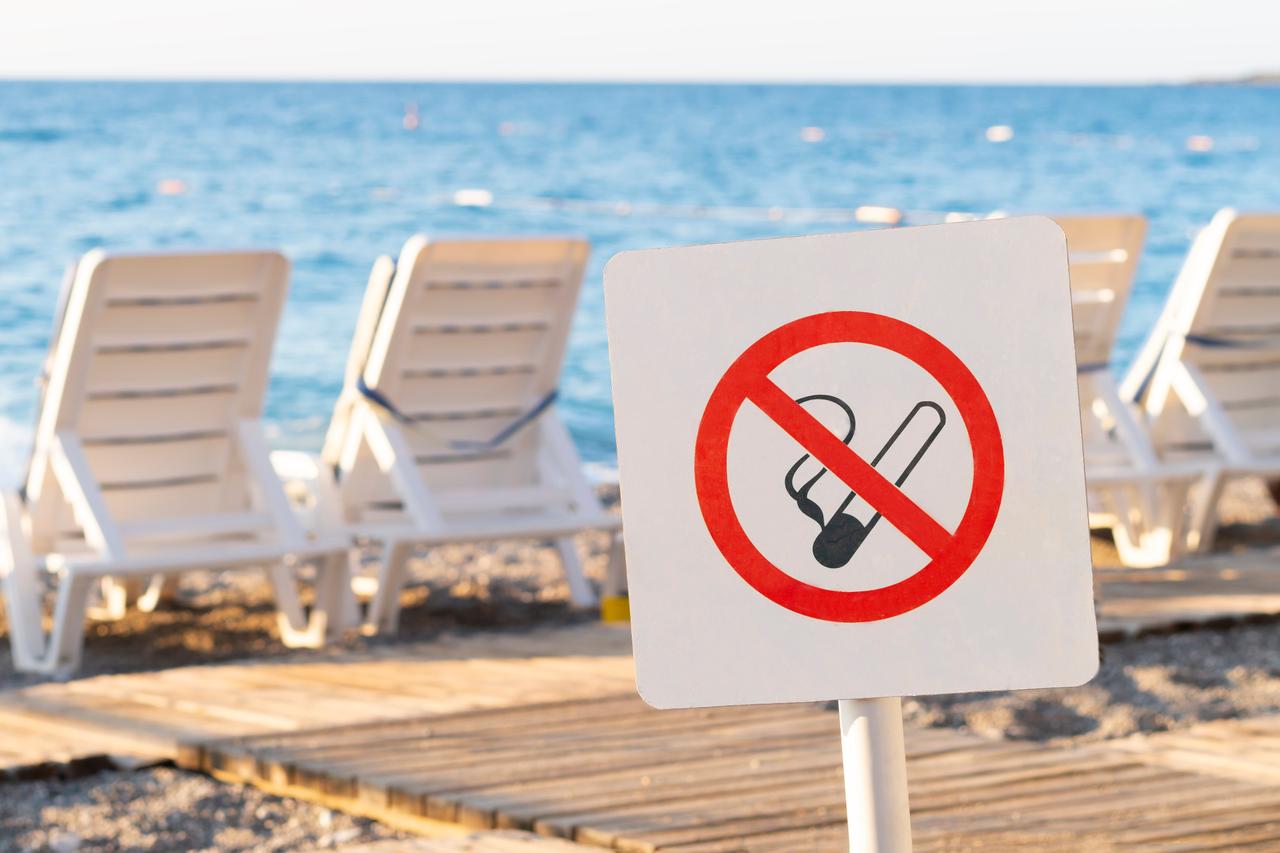


Türkiye plans to require customers to present identification when buying cigarettes as the government prepares new measures to curb tobacco use and tighten enforcement, Health Minister Kemal Memisoglu said on Saturday.
The government is drafting legislation that would also clarify where smoking is permitted, reduce the visibility of tobacco products, and strengthen penalties for violations, he added.
The proposed ID requirement aims to verify buyers' ages and reinforce the existing ban on selling tobacco products to people under 18.
Memisoglu told state broadcaster TRT Haber that the bill is expected to be submitted to parliament within a few weeks.
The proposed legislation would tighten restrictions in certain locations, including schools, sports areas and indoor public spaces. It would also establish clearer boundaries between smoking and nonsmoking sections in cafes and restaurants.
Memisoglu said the current arrangements sometimes leave nonsmokers at a disadvantage, forcing them to sit in less desirable parts of venues. The government plans to address those shortcomings while setting out clearer obligations for businesses and smokers.
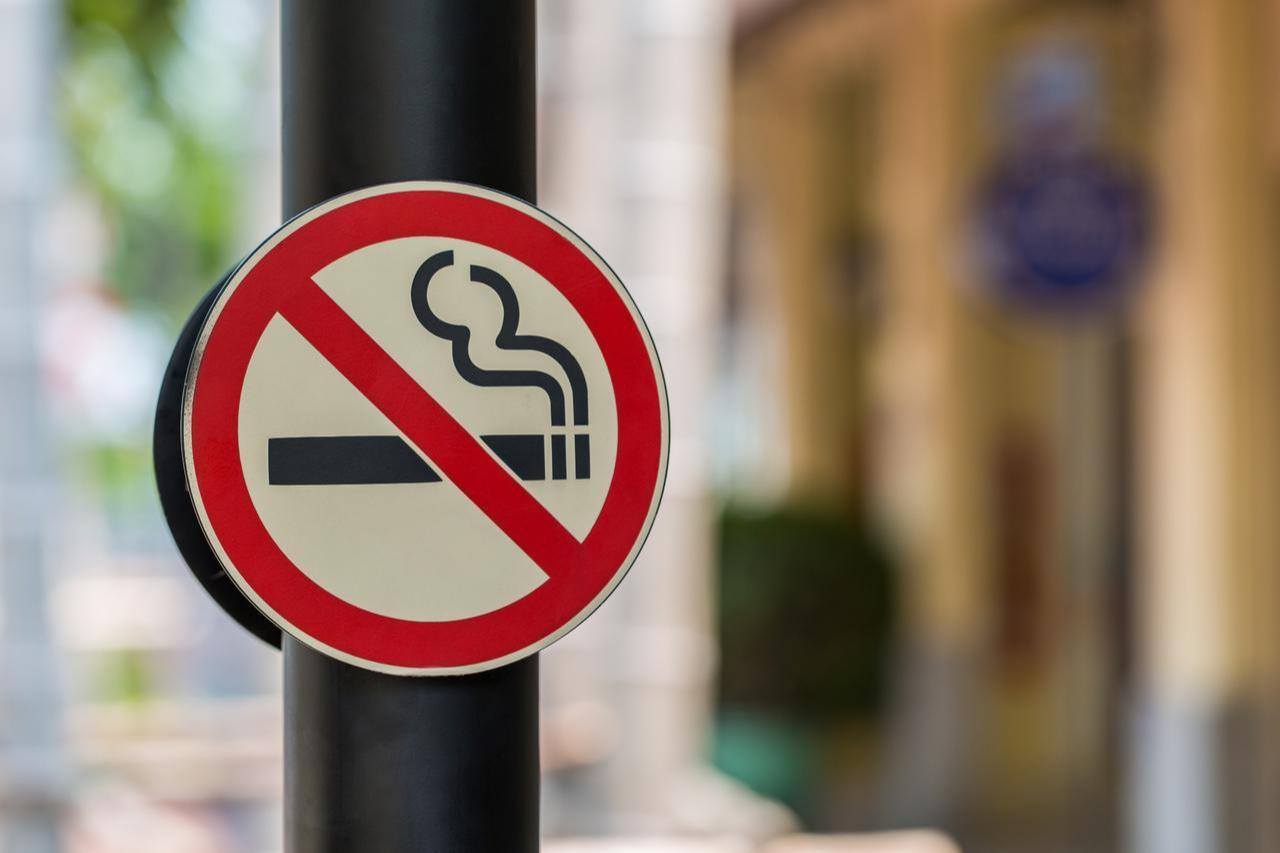

Memisoglu pointed to a rise in smoking rates after Türkiye made progress in reducing tobacco use during the first half of the 2010s. He highlighted a particular increase among young people and women following a period of weaker enforcement around the COVID-19 pandemic.
About 33% of Türkiye's population uses tobacco, the minister said, describing smoking as a major public health problem linked to serious illnesses, including lung cancer and heart disease.
In 2025, Türkiye sold 160 billion cigarettes, equivalent to 8 billion packs, generating an estimated $20 billion to $30 billion in revenue, according to Memisoglu.
He also cited a recent study by the Turkish Green Crescent Society, known as Yesilay, which found that 80% of people in Türkiye want to quit smoking.
The government wants to encourage people to give up tobacco voluntarily by making smoking less visible in everyday life, rather than relying solely on bans and fines, the minister said.


 Set as preferred source
 Set as preferred source


 1 min read
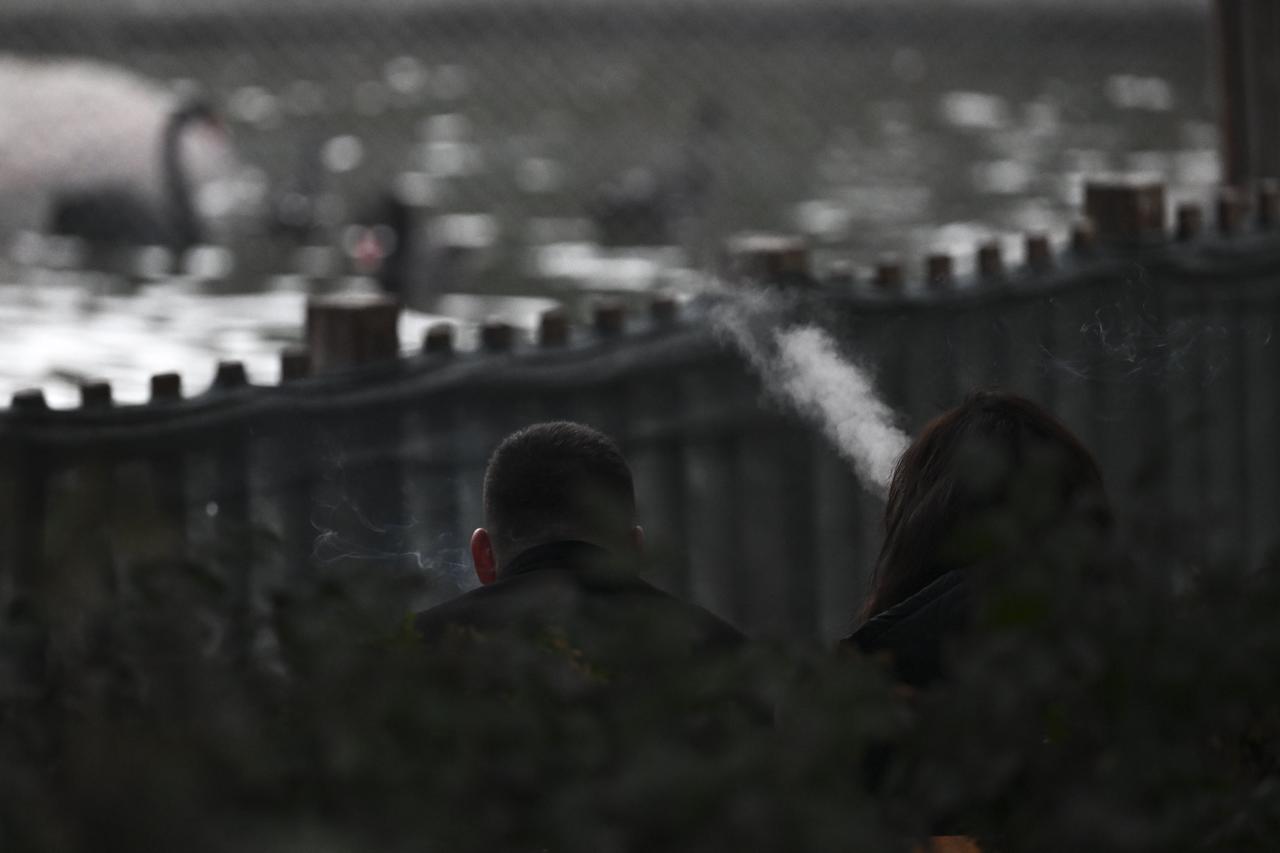
 1 min read