Newsletters


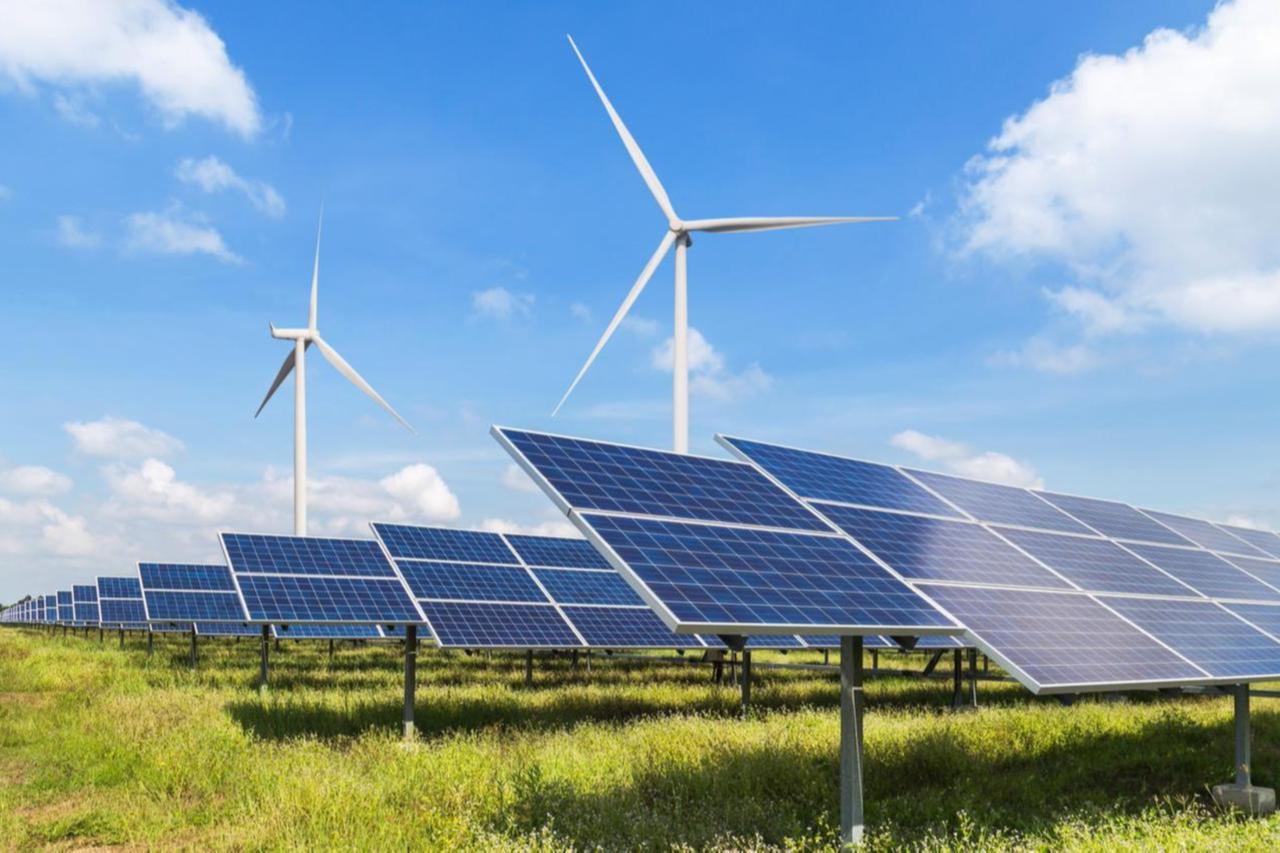


Green transition and energy efficiency investments postponed due to financing conditions and global uncertainty are expected to regain momentum in Türkiye starting in 2026, according to Onur Unlu, chairman of the Energy Efficiency and Management Association (EYODER).
Unlu told Anadolu Agency that changes in global energy policies and Türkiye’s macroeconomic outlook indicate a more favorable environment for energy efficiency and low-carbon investments.
Unlu said expectations for increased energy efficiency investments entering 2025 were affected by rising geopolitical risks and uncertainty in global trade, leading to a contraction in such investments in Türkiye and globally, according to International Energy Agency reports.
He said economic tightening policies in Türkiye and high financing costs caused companies to postpone energy efficiency projects in 2025, despite available incentives and support mechanisms.
High interest rates and relatively low global energy prices extended payback periods, slowing sector growth.


Unlu said the Climate Law that entered into force in 2025 marked a critical threshold, particularly for the establishment of the Emissions Trading System and carbon market infrastructure, adding that public support played a key role in sustaining the sector.
He said incentives such as the Efficiency Increasing Project (VAP), KOSGEB, TUBİTAK and support from relevant ministries are expected to continue in 2026, with increased support limits.
Under the VAP framework, the support ceiling for energy efficiency projects was raised to 21.6 million lira in 2025, while investments of up to nearly 72 million lira are supported at a rate of 30%.
Unlu said declining inflation, expectations of lower credit interest rates and the target of reducing emissions by 100 million tons through energy efficiency under the 2024–2030 National Energy Efficiency Action Plan strengthen the likelihood that postponed green transition investments will resume in 2026.
He said energy efficiency investments are expected to accelerate particularly in hospitals and hotels after 2026, supported by state incentives for commercial buildings, while energy efficiency requirements in new buildings under urban transformation point to significant investment potential in green buildings and technologies.
Unlu also said companies published integrated sustainability reports for the first time this year under Türkiye Sustainability Reporting Standards, adding that the number of reporting firms is expected to increase in 2026.


 Set as preferred source
 Set as preferred source


 1 min read
 1 min read