Newsletters


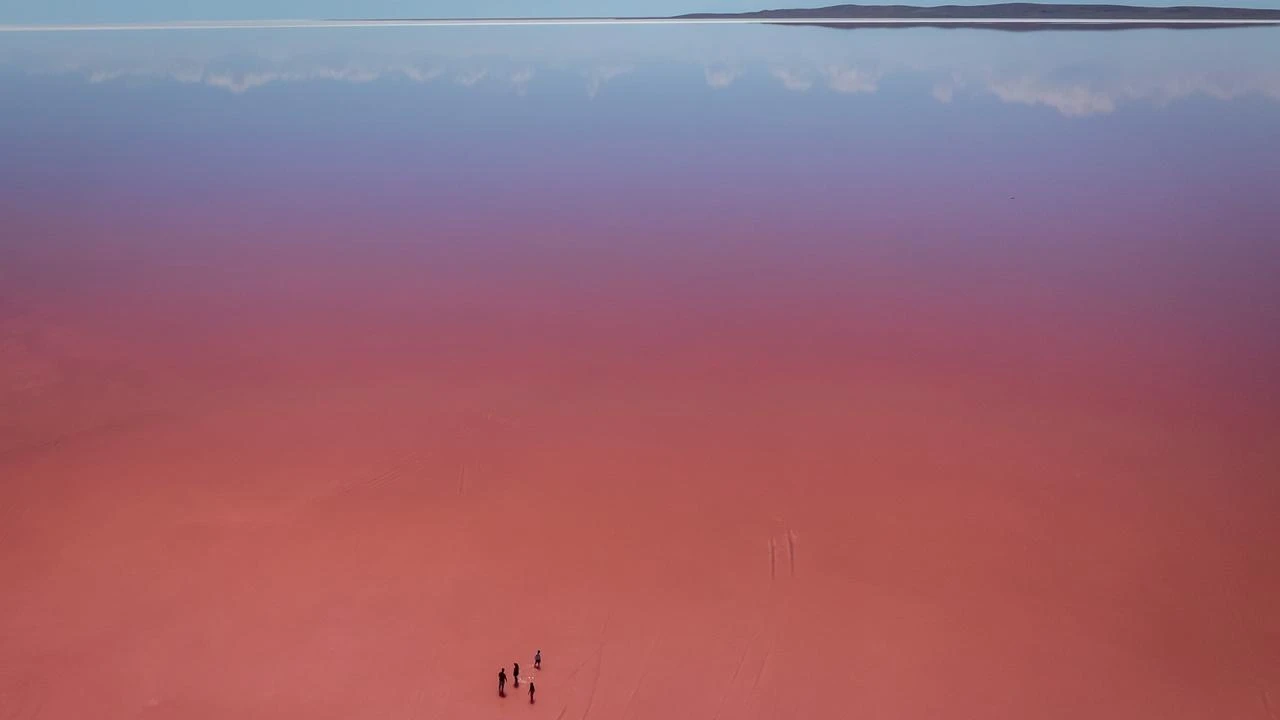
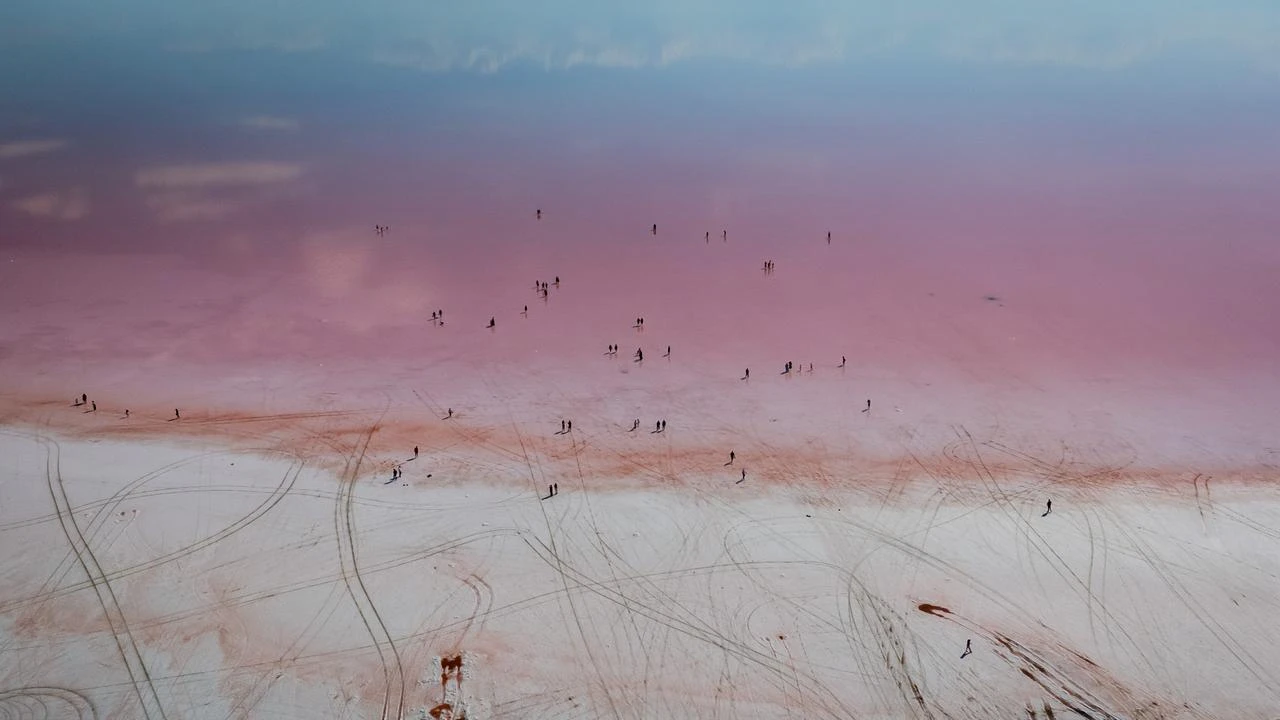
Lake Tuz, located in Ankara, Türkiye, has once again transformed into a striking landscape of pink and red hues as the summer season reaches its peak, drawing the attention of photographers and nature enthusiasts alike.
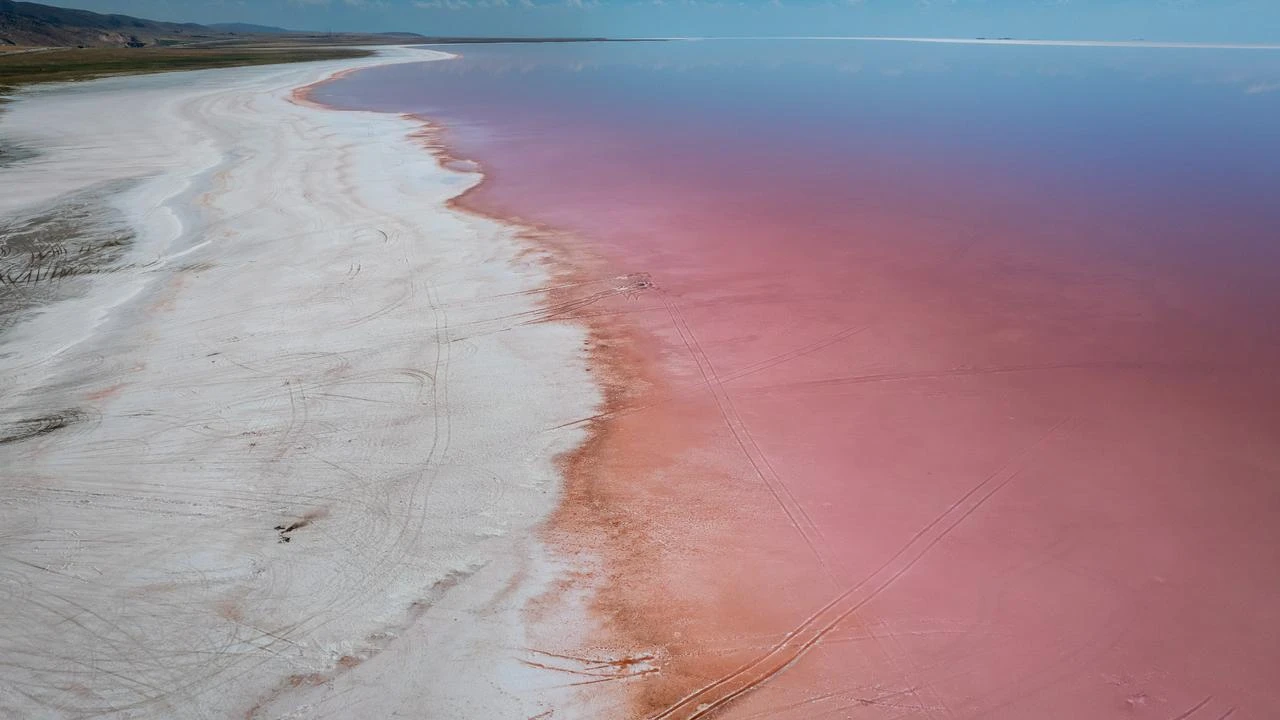
The dramatic color change, visible in aerial photographs taken on Aug. 18, 2026, is caused by a combination of increased salinity, high temperatures and the presence of microalgae that produce a pigment called beta-carotene.

Beta-carotene, the same natural compound that gives carrots their orange color, thrives in the lake's hyper-saline waters during the hottest months, spreading vivid tones across the surface of the lake.
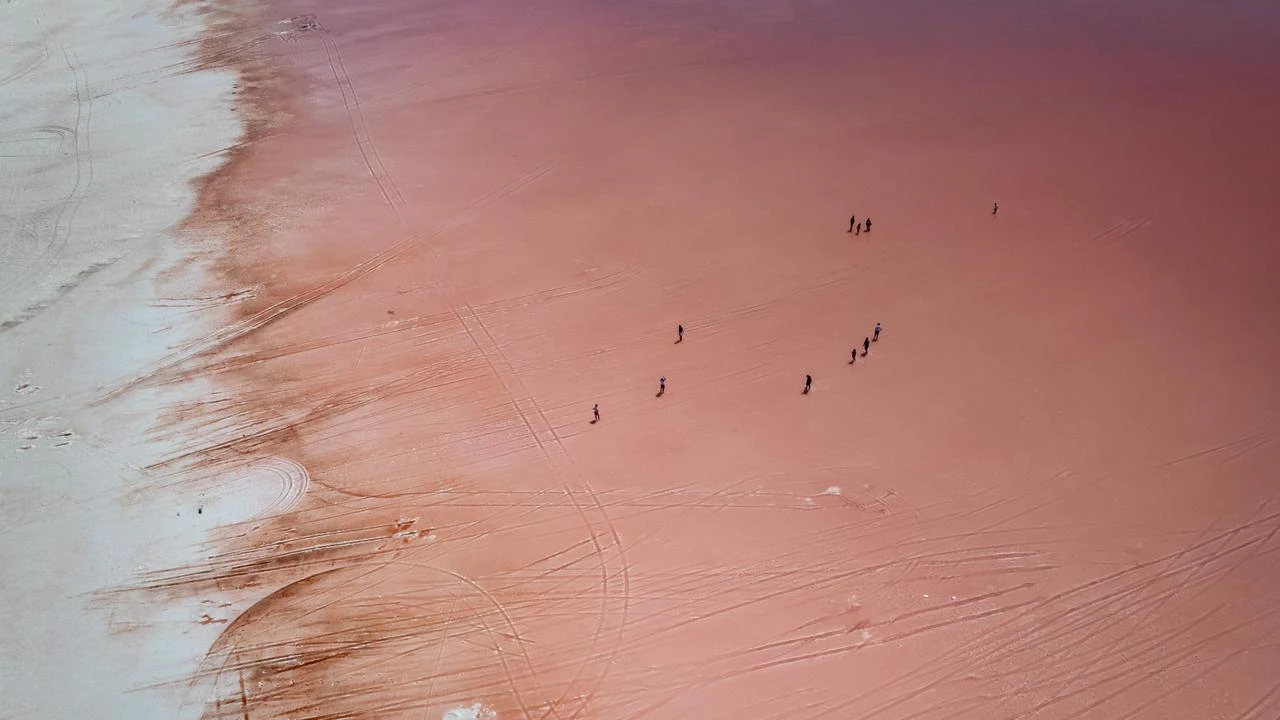
As temperatures rise through the summer, evaporation increases the concentration of salt in the lake, creating the ideal conditions for the microalgae to flourish and intensify the pink coloration.
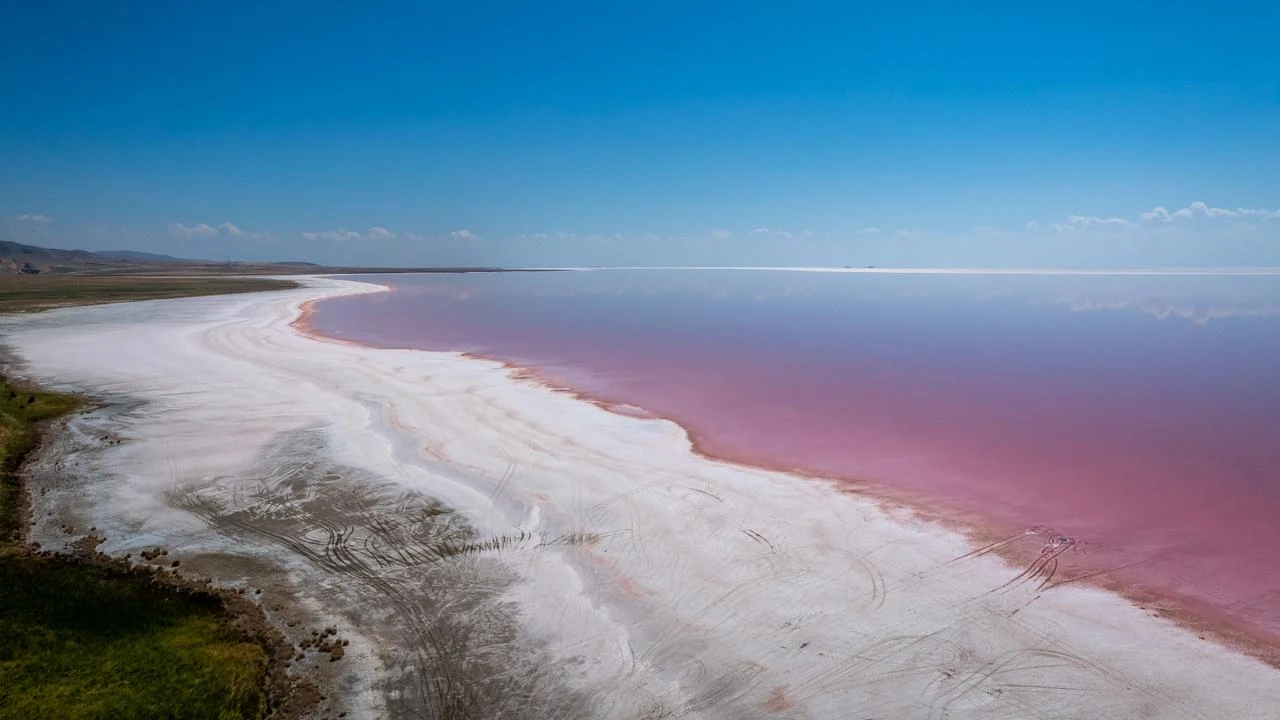
Lake Tuz is one of the largest hyper-saline lakes in the world, and its salt content allows it to support unique ecosystems that are rarely found in other bodies of water.
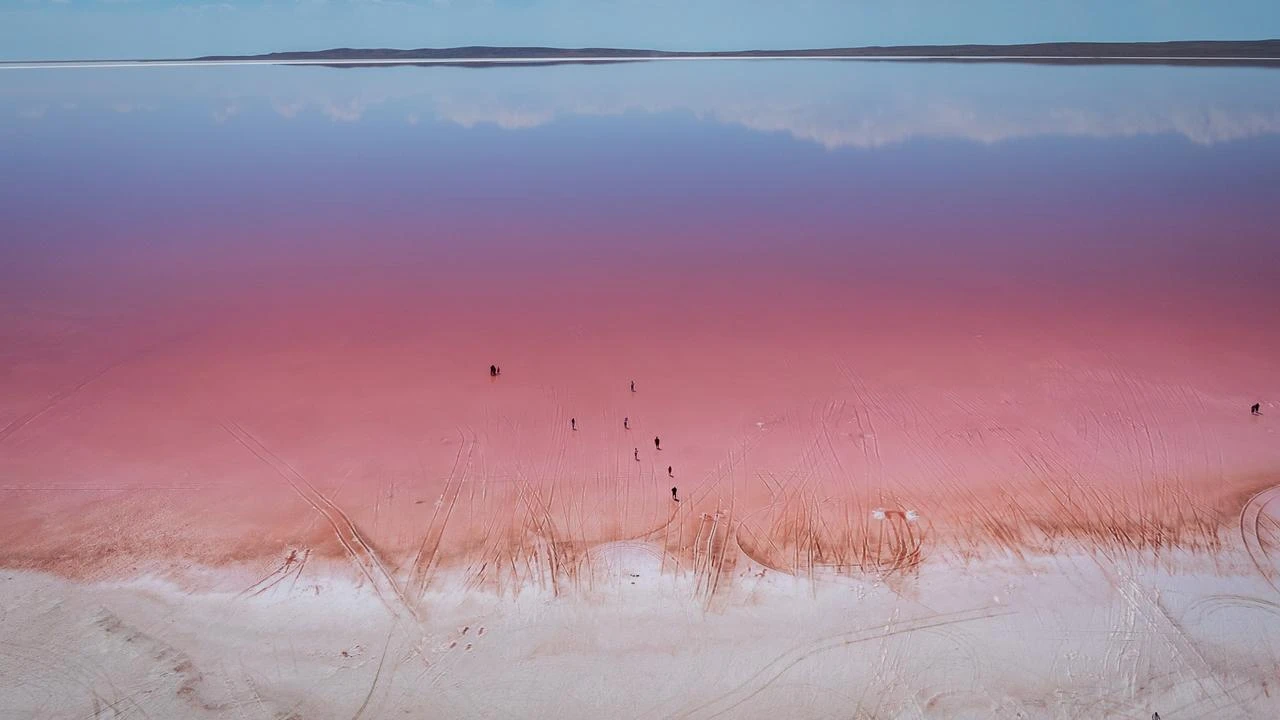
The lake has been included on the UNESCO World Heritage Tentative List in recognition of its unique ecological features, rich biodiversity and importance as a habitat for various bird species.
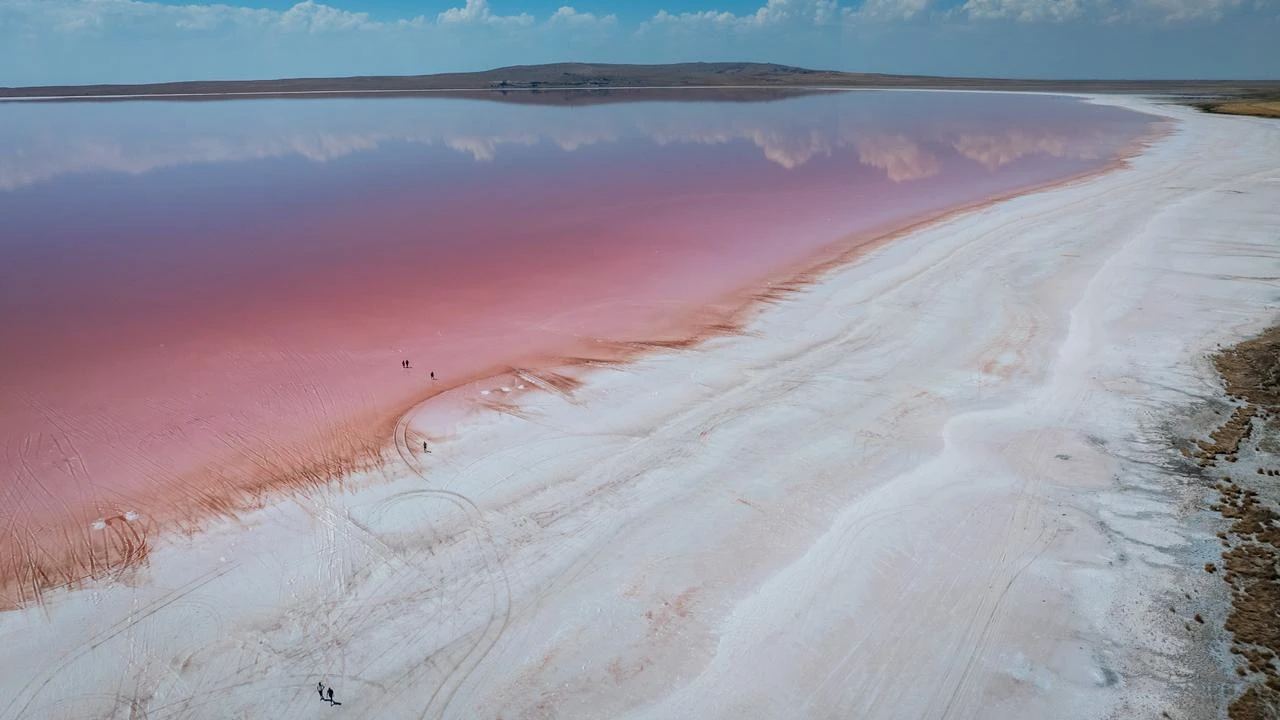
Each summer, the lake becomes a nesting and feeding ground for large numbers of migratory birds, including flamingos, which are drawn to the shallow, mineral-rich waters.
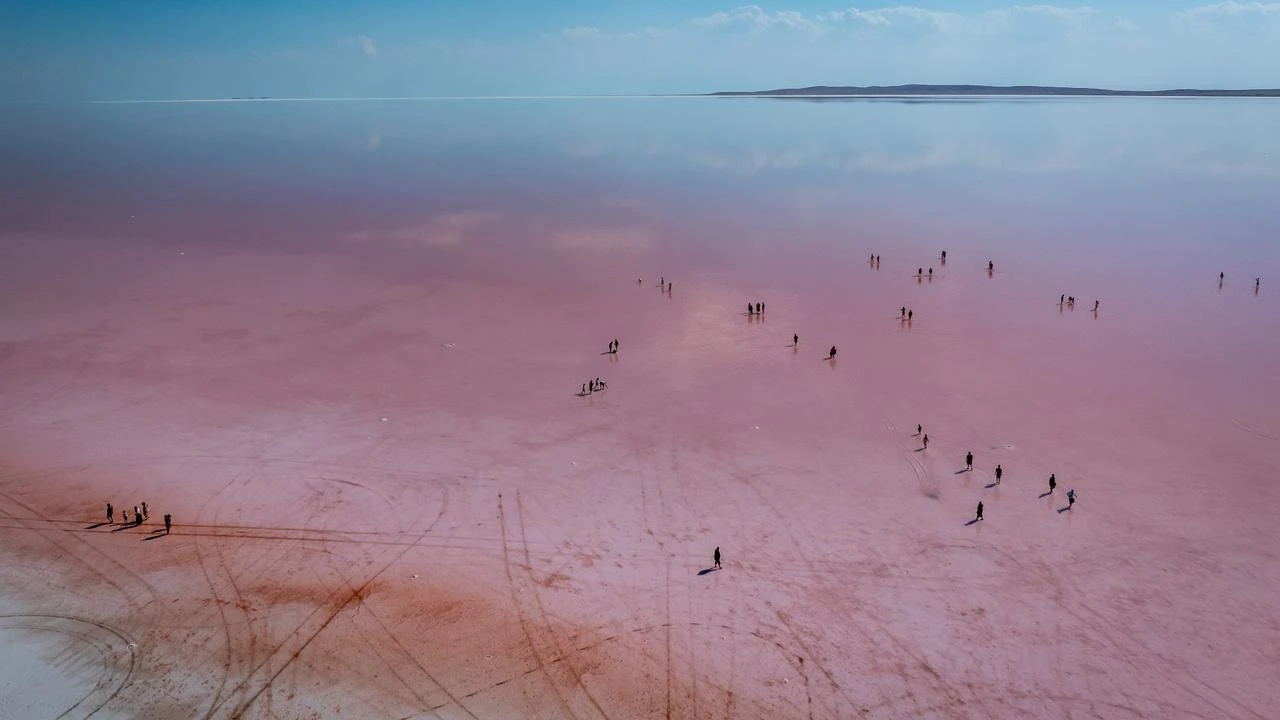
The seasonal color shift has turned Lake Tuz into a popular destination for both domestic and foreign tourists, many of whom travel specifically to witness the natural transformation firsthand.
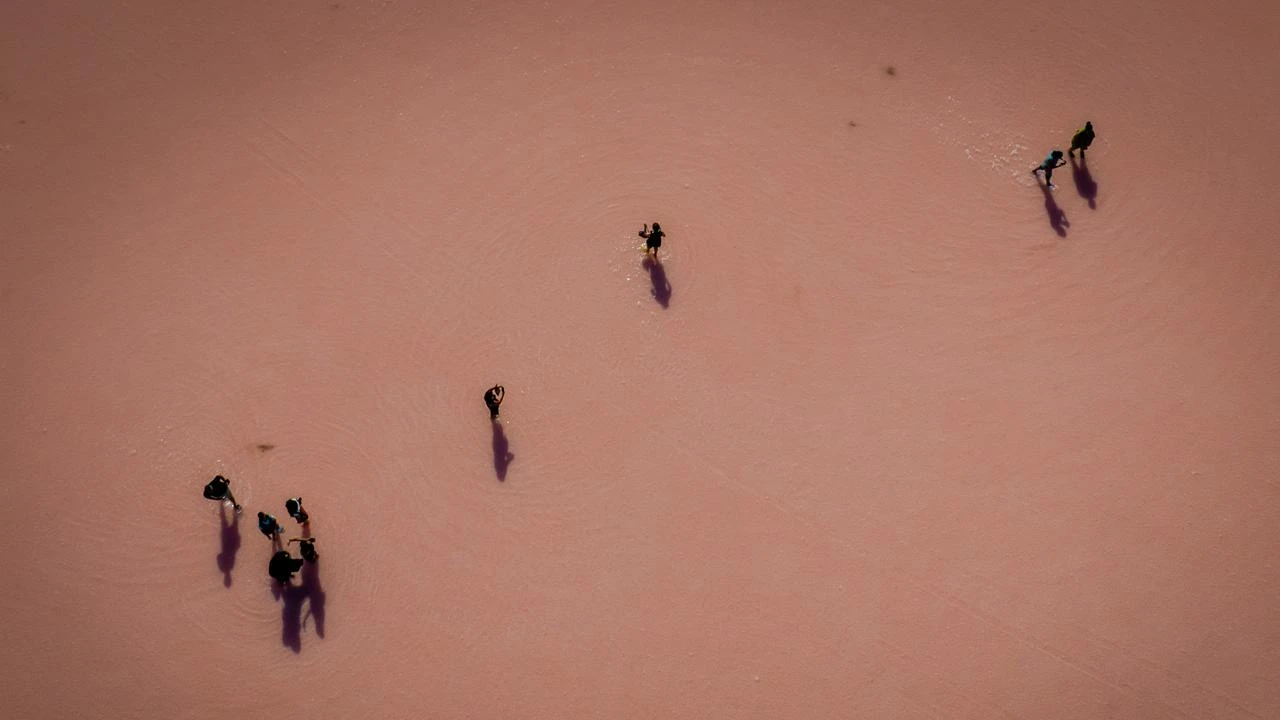
Visitors often walk along the lake's cracked, salt-crusted surface, which forms a striking contrast against the vivid pink water during the summer months.
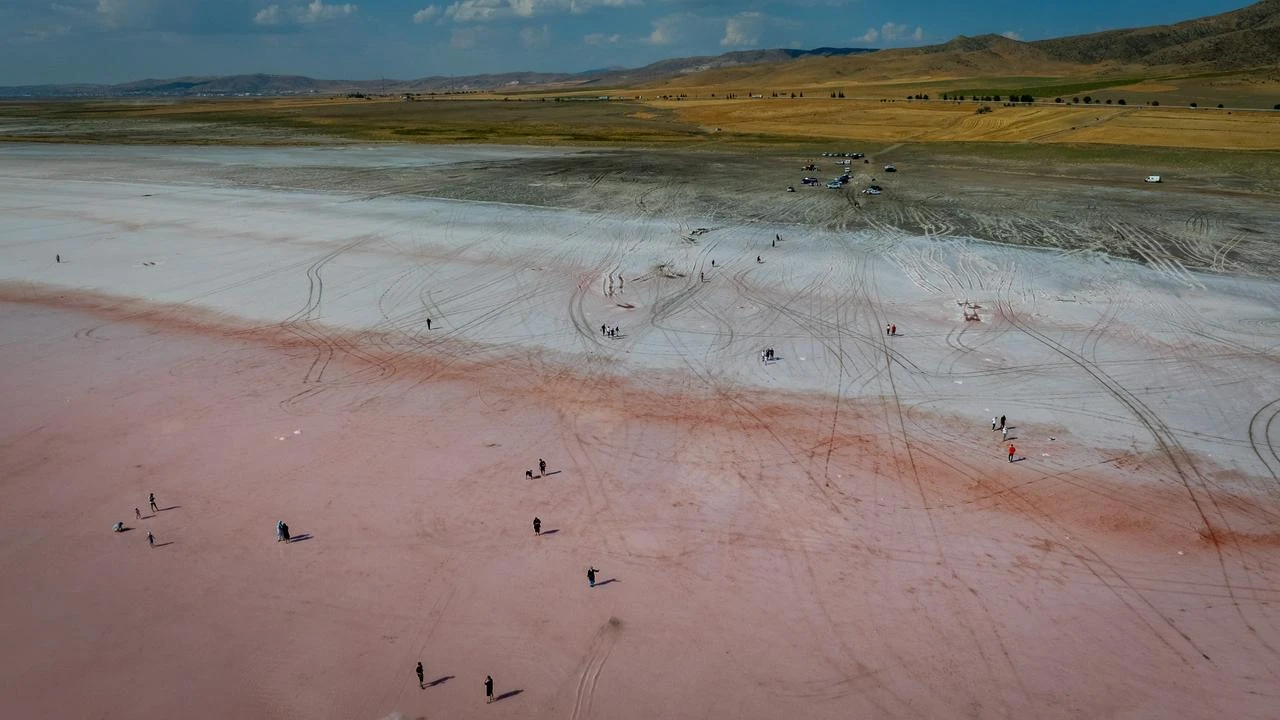
Photographers frequently capture the lake from above, as aerial views best showcase the full extent of the color change across its vast surface.
Beyond its visual appeal, Lake Tuz plays an important role in Türkiye's salt production industry, supplying a significant portion of the country's table salt.
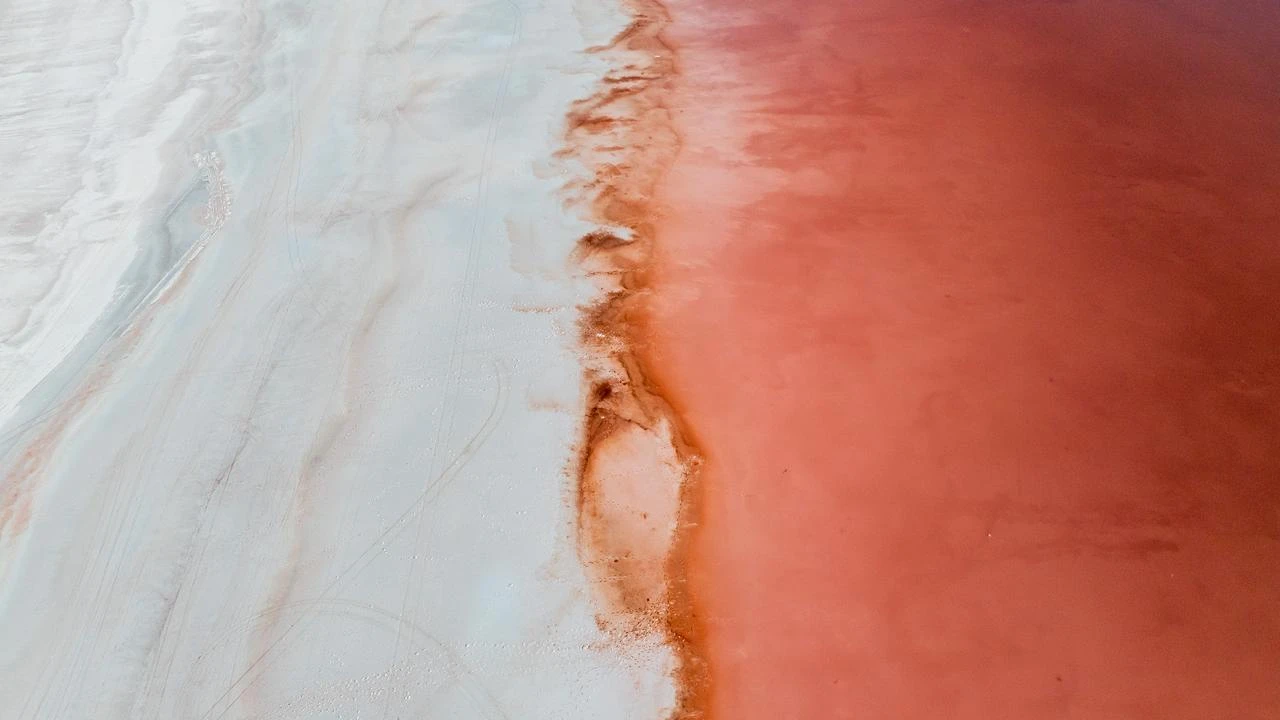
As autumn approaches and temperatures begin to drop, the lake's pink hues will gradually fade, returning to its more familiar pale tones until the transformation begins again the following summer.

 2 min read
 1 min read


 Set as preferred source