Newsletters


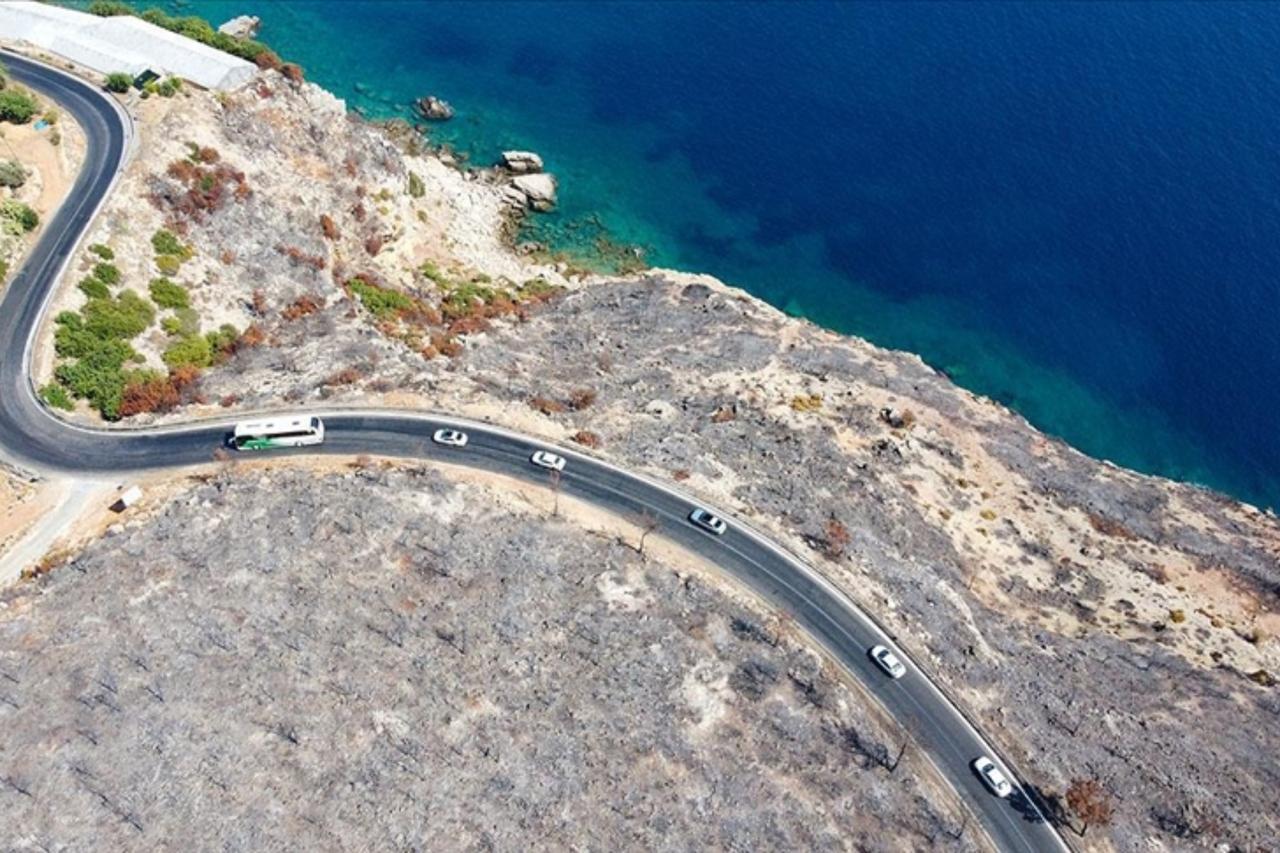


A long running infrastructure project along southern Türkiye’s Mediterranean coast is nearing completion and promises to transform one of the country’s most challenging road routes, reshaping how two of the region’s most visited and historically layered provinces are connected.
The coastal road linking Antalya and Mersin, long associated with narrow lanes, sharp bends, and steep cliffs, will see travel time drop from around 11 hours to about 5 once the Mediterranean Coastal Road Project is completed.
Both cities sit at the heart of the eastern Mediterranean, with ancient ports, archaeological sites, and coastal towns spread between them.
Until now, moving along this stretch has required navigating one of the most demanding road corridors in the country.
For decades, the Antalya–Mersin route has been described in local media as one of Türkiye’s "most dangerous" roads due to its geography.
Drivers have faced narrow passages, tight curves, and long sections running directly along cliff edges.
The most problematic part of the route lies between Gazipasa and Aydincik, where the road clings to steep coastal cliffs. Under the new project, this section will be completely taken out of service for intercity travel.
By removing the cliffside road entirely rather than attempting partial upgrades, the project shifts long distance traffic onto safer inland alignments.
This change is expected to make travel between coastal towns, historical sites, and regional centers more predictable throughout the year, including during peak summer months.
The Mediterranean Coastal Road Project relies on large scale engineering adapted to the region’s rugged terrain.
According to details reported by regional outlets, construction to date includes:
These structures allow vehicles to pass beneath mountains and across deep valleys without exposure to hazardous coastal drops.
Local reporting frames the project as a full redesign of the route rather than a surface level improvement, replacing winding cliff roads with continuous, modern infrastructure.
Antalya and Mersin both function as gateways to major archaeological zones, port cities, and long settled coastal communities. Easier travel between them is expected to strengthen links between cultural destinations, coastal towns, and agricultural hubs spread across the Mediterranean belt.
Local reporting points to reduced transport costs, smoother logistics, and stronger regional integration once the road opens. The improved connection is also expected to support year round mobility rather than limiting travel to short seasonal windows dictated by road safety concerns.
While no official opening date has been confirmed in the cited reports, local media describe the project as entering its final stage, with core structures already in place.


 Set as preferred source
 Set as preferred source



 3 min read