Newsletters


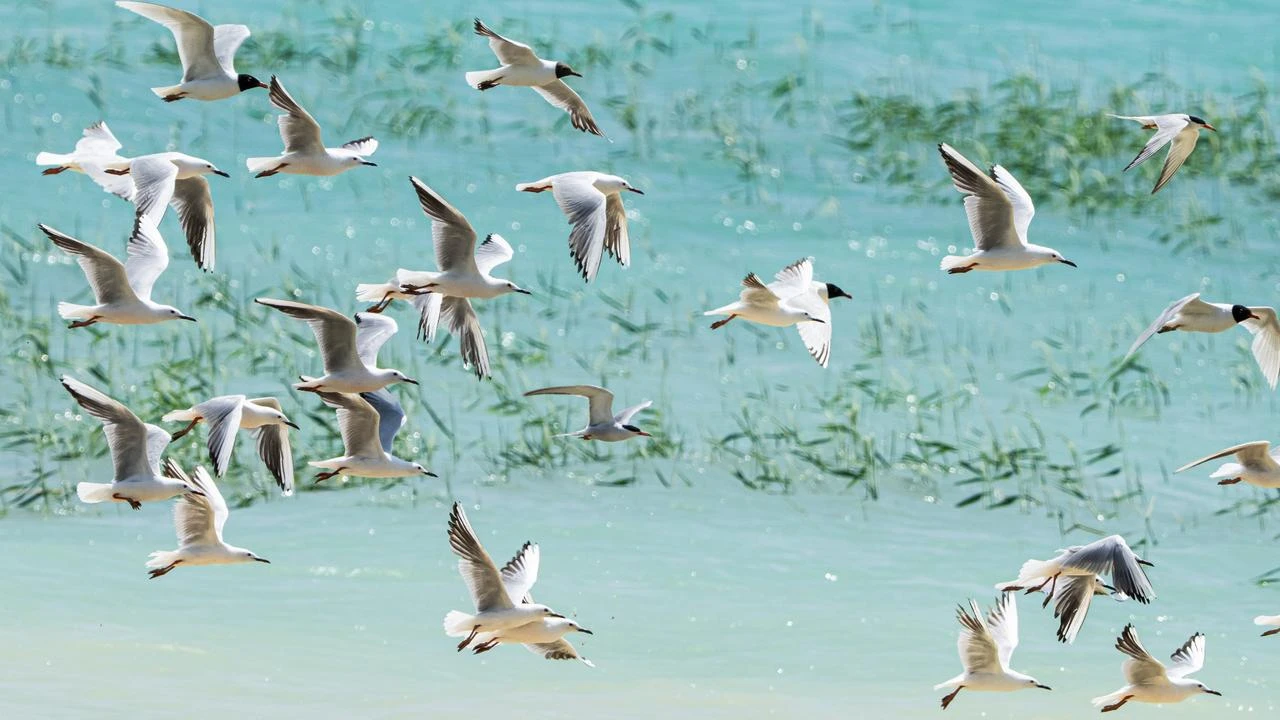
The steppes surrounding Sanliurfa, a province in southeastern Türkiye near the Syrian border, stretch along the upper Euphrates River basin and rank among the country's most important habitats for rare and migratory birds.
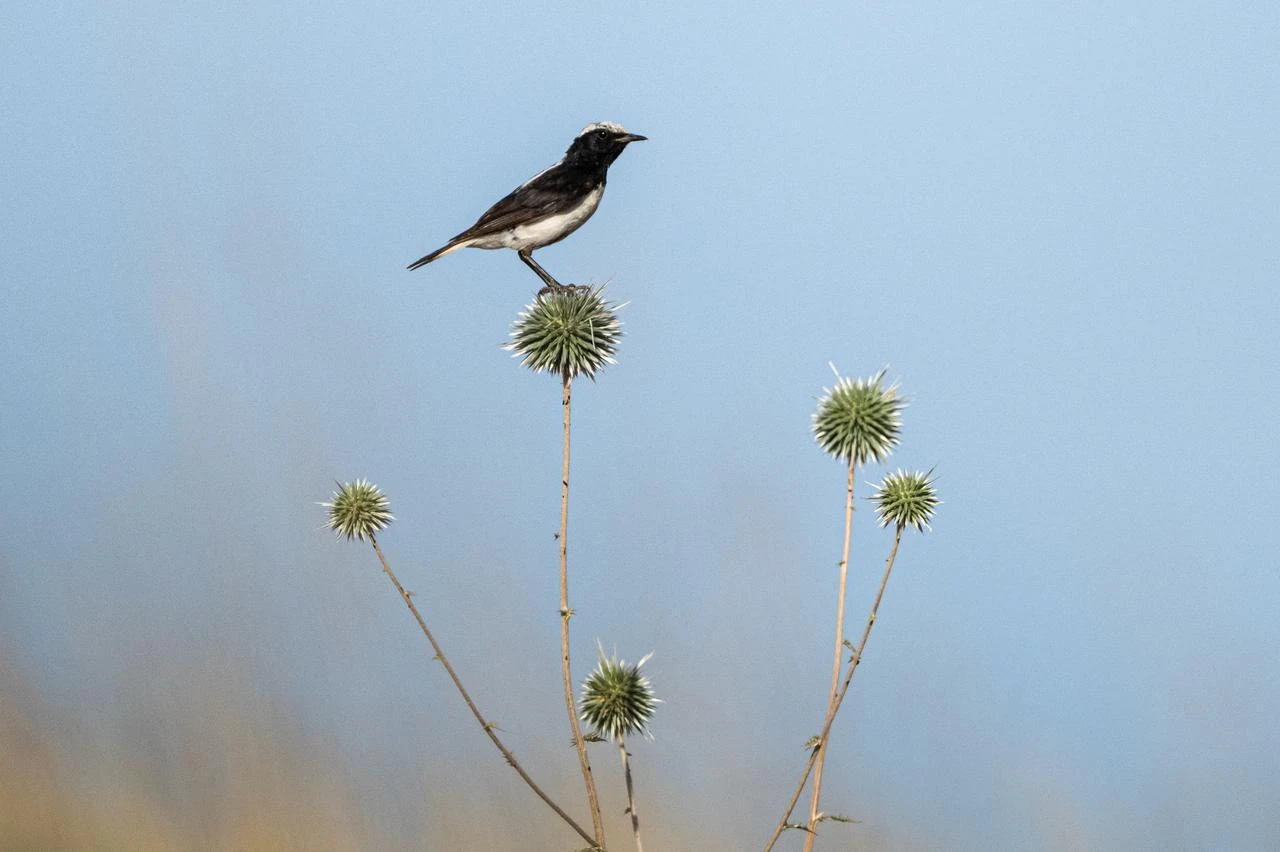
Flat and largely treeless, the Sanliurfa steppe extends across the Akcakale and Birecik districts, forming one of the largest remaining semi-arid grassland habitats in the region.
Birdwatching organizations have designated both areas as Key Biodiversity Areas, citing their importance for species found in few other parts of Türkiye.
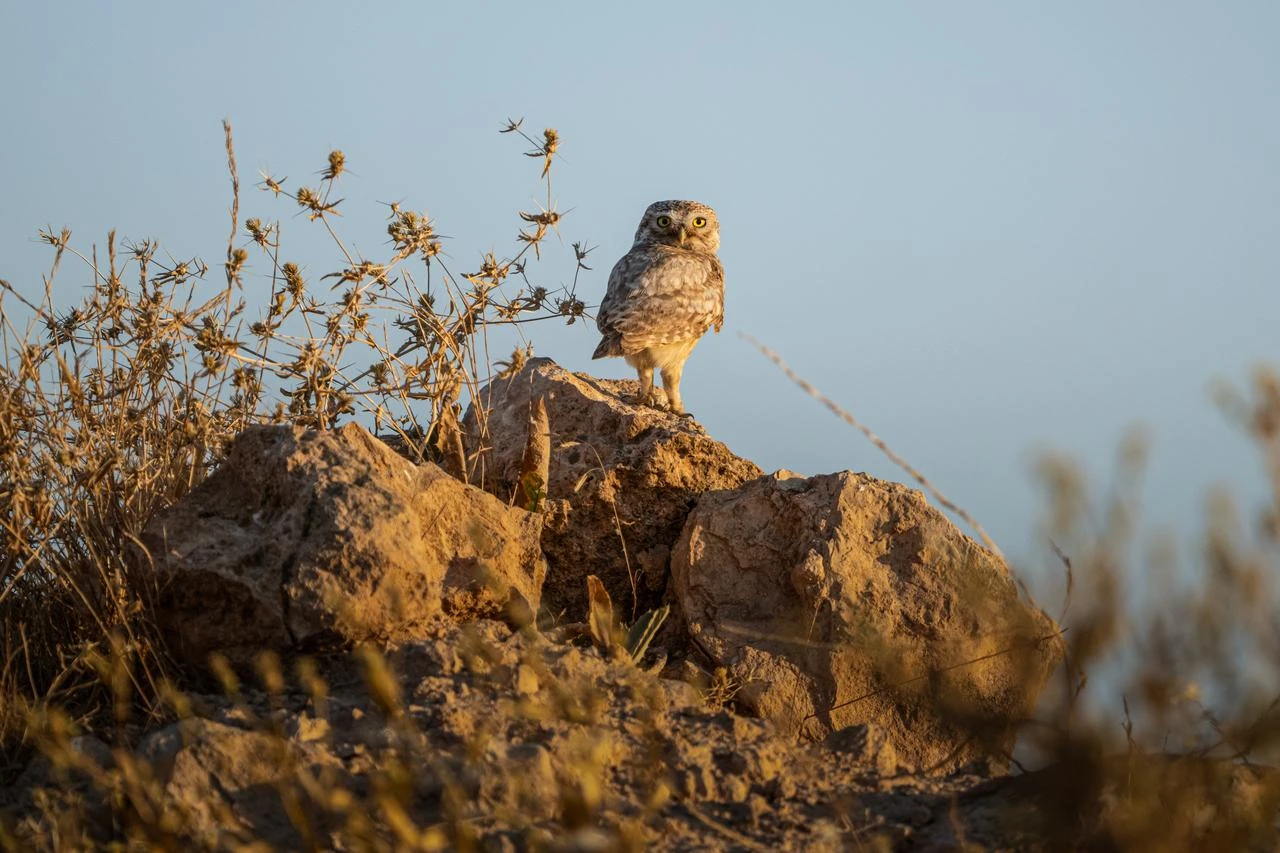
The Euphrates River threads through the basin, its banks and surrounding valley forming a corridor used by migratory birds moving between Europe, Asia and Africa.
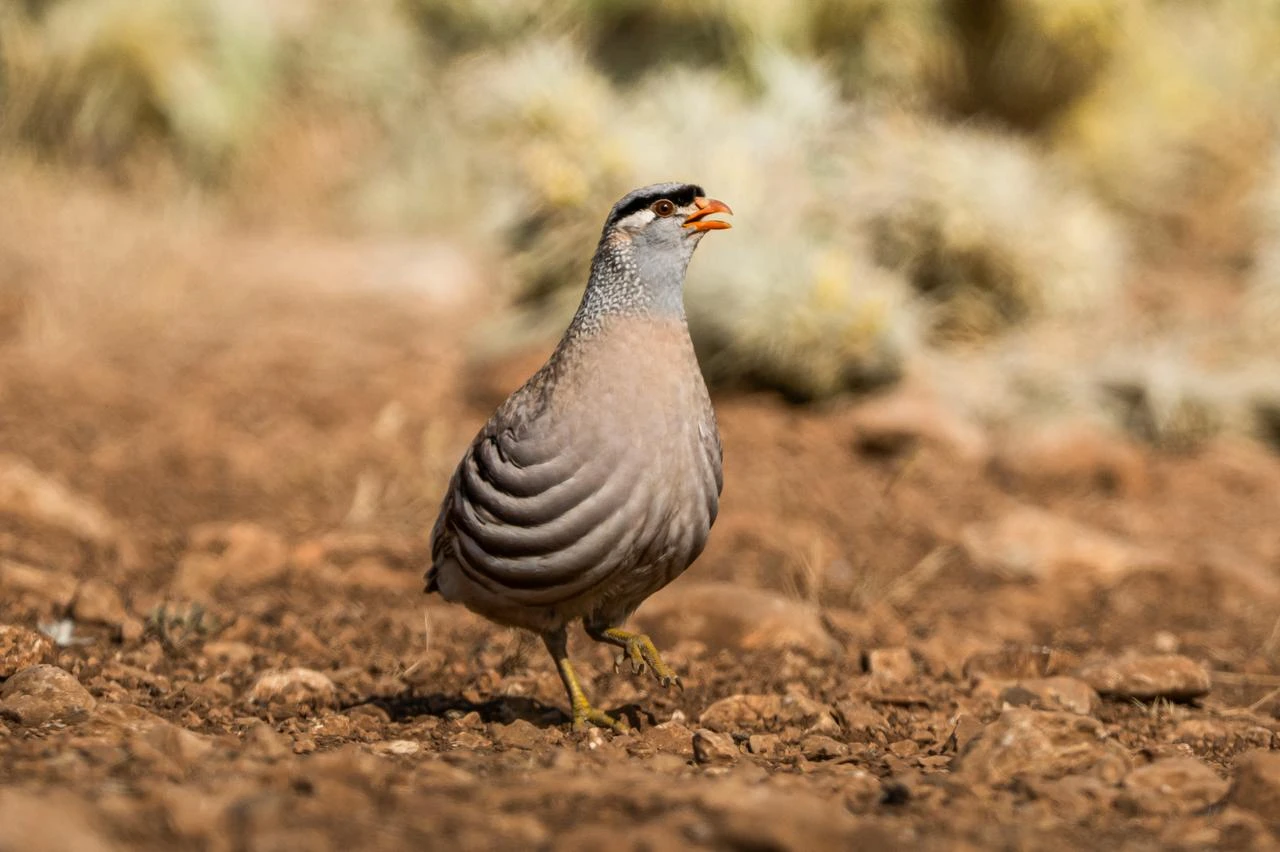
Within the Akcakale steppe, low grasses and scattered shrubs cover terrain shaped by seasonal rainfall and grazing livestock.
The open habitat suits ground-nesting birds in particular, though researchers note that expanding cultivation continues to reduce the area available to breeding populations each year.
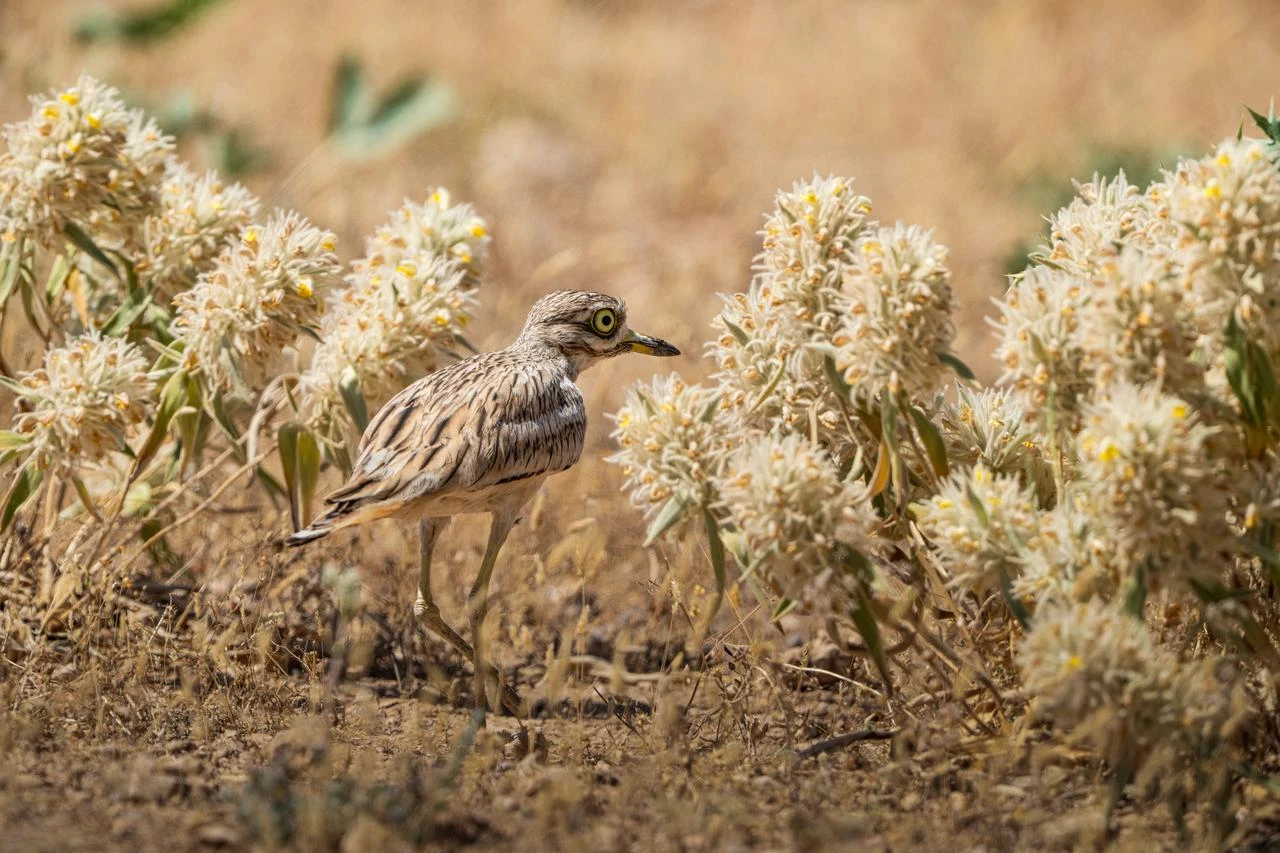
Further west, the Birecik steppe and river valley hold a mix of dry grassland and riverside vegetation.
Birding surveys have recorded species with restricted ranges here, including recent colonists that first appeared in Türkiye after expanding north from Syria and Iraq along the Euphrates.
The Karacadag steppes, part of the wider Sanliurfa region, form another key stretch of habitat included in a national conservation strategy developed with the U.N. Food and Agriculture Organization.
The plan identifies the area as a priority site for protecting Türkiye's steppe-dependent bird populations.
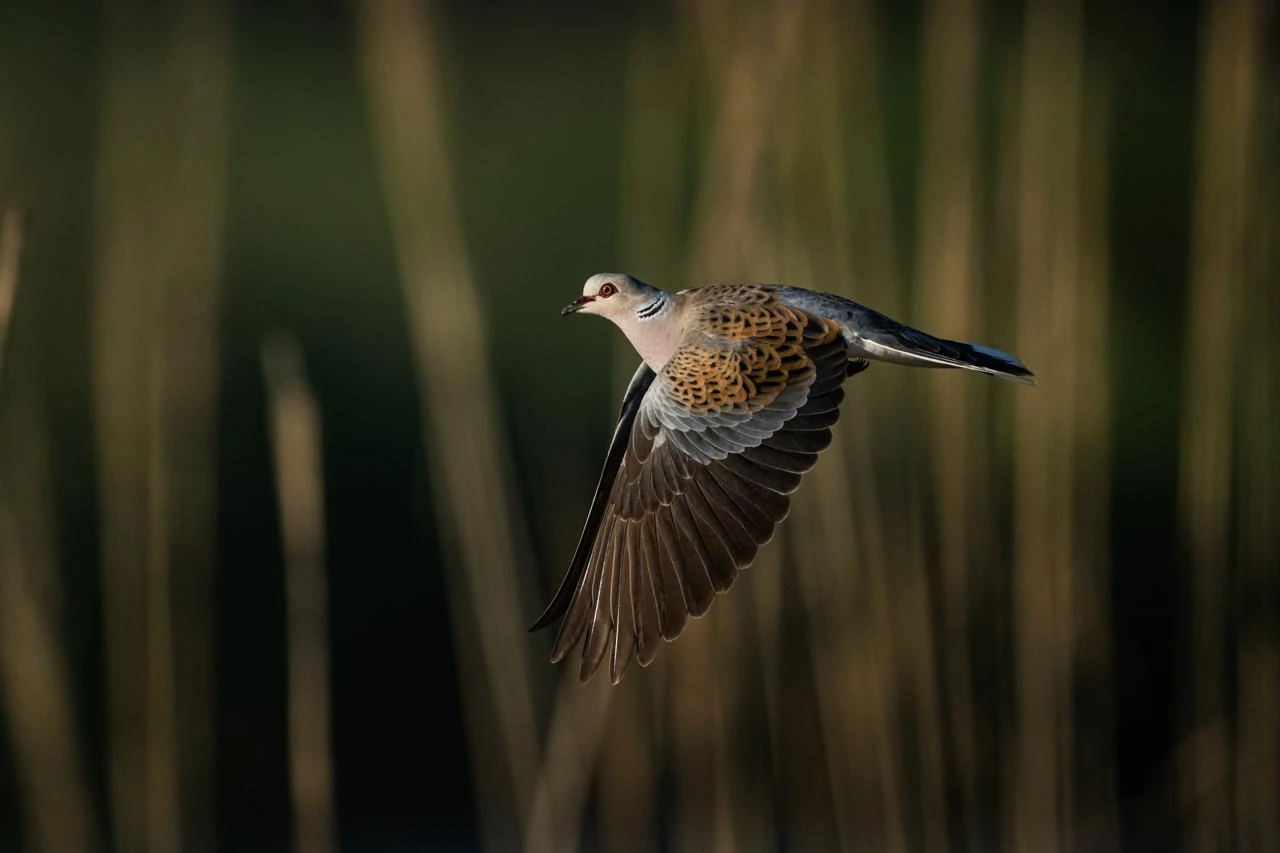
The great bustard, one of the heaviest flying birds in the world, nests within the Sanliurfa steppes as part of one of only two breeding populations recorded in Türkiye.
Its large size and preference for open ground make it dependent on undisturbed grassland habitat.
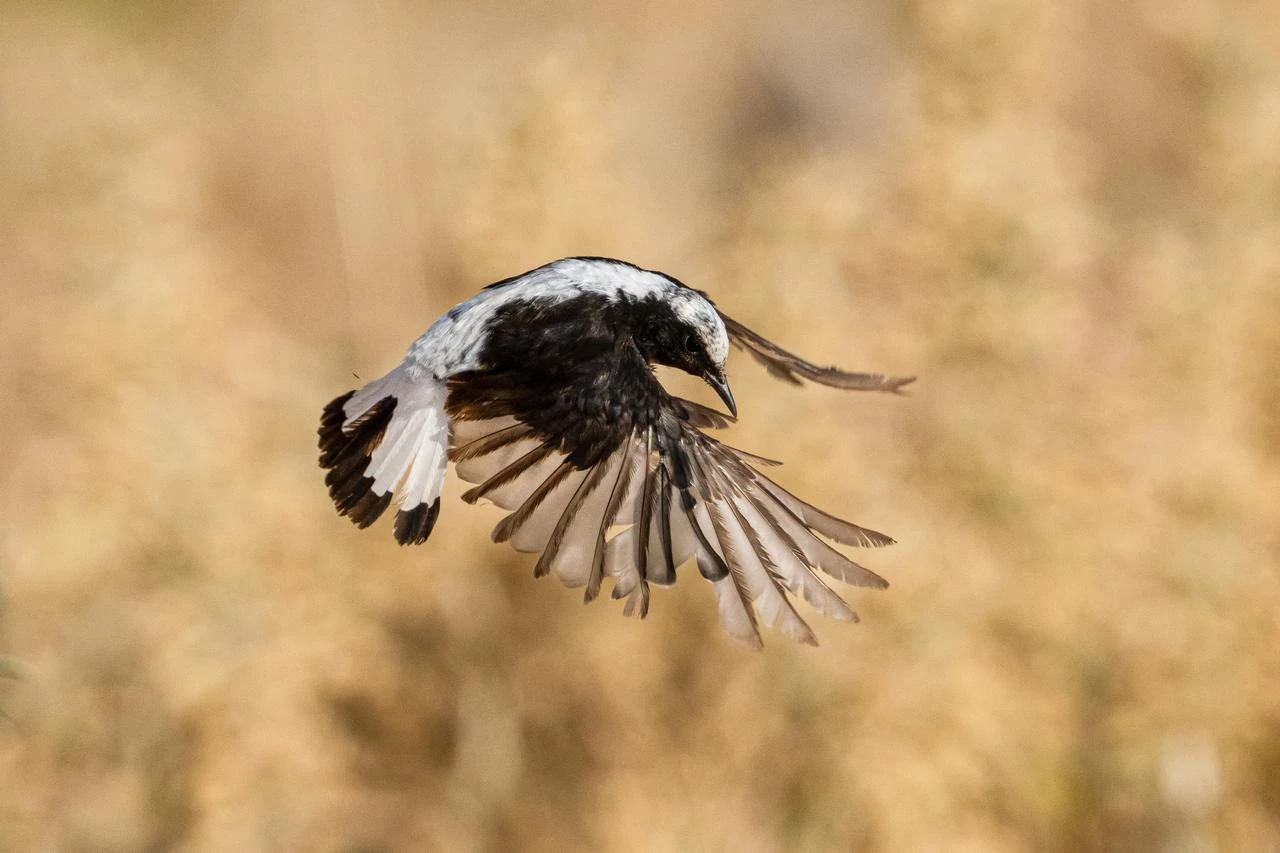
Researchers tracking the great bustard in Türkiye have recorded a decline in breeding numbers in recent years, attributing the trend to habitat loss and agricultural disturbance.
The species is classified as vulnerable to extinction globally.
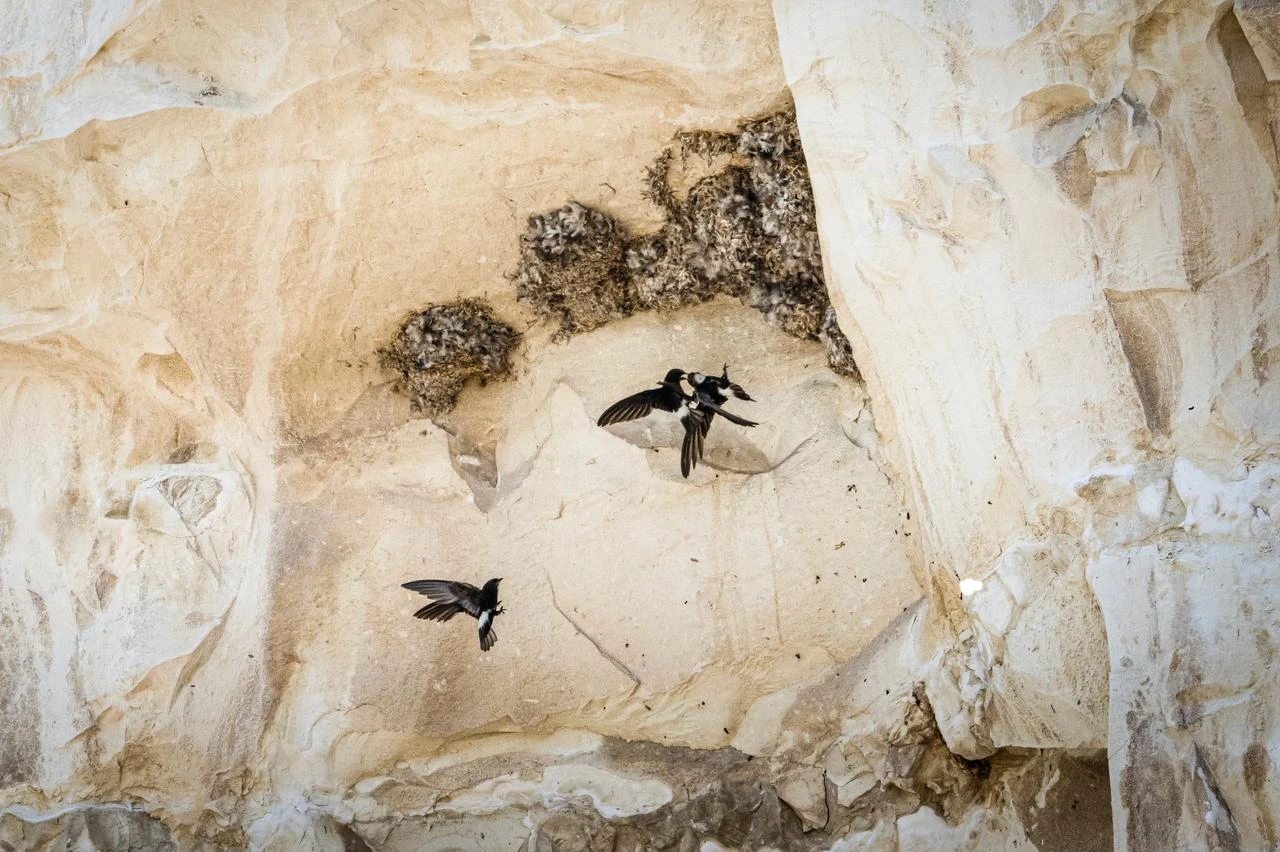
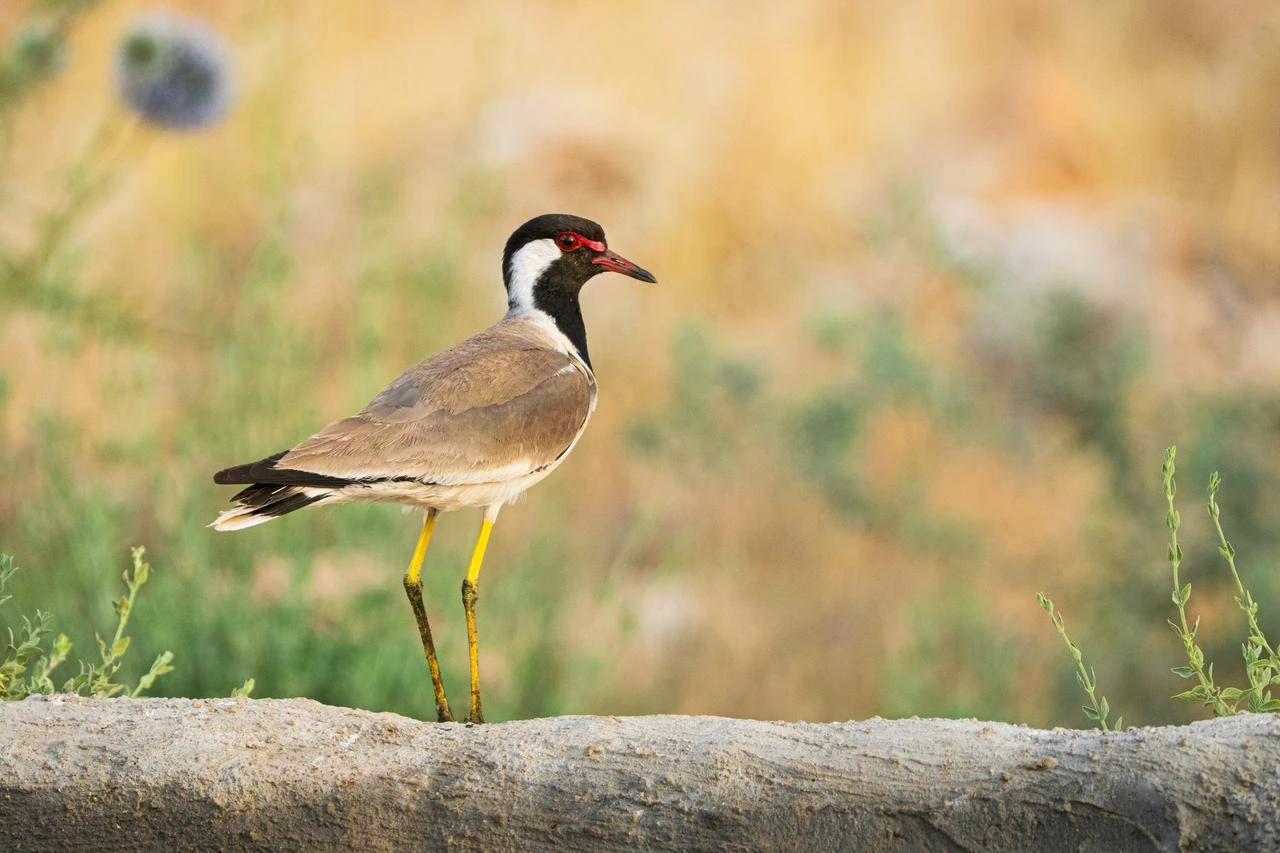
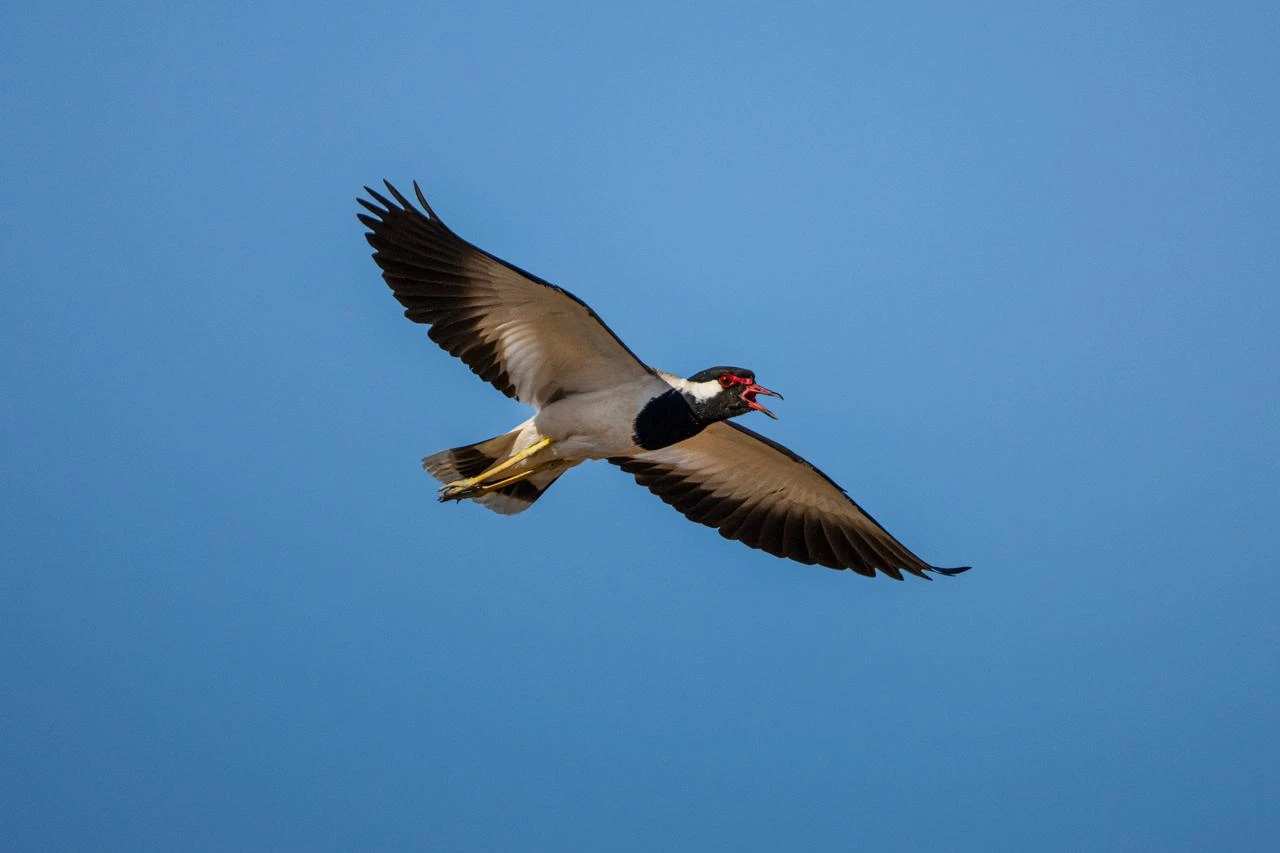
Among the steppe's rarer visitors is the red-wattled lapwing, a wading bird native to South Asia that has been recorded in Türkiye almost exclusively around Sanliurfa.
Its sporadic appearances mark the westernmost edge of a range that otherwise spans the Indian subcontinent.
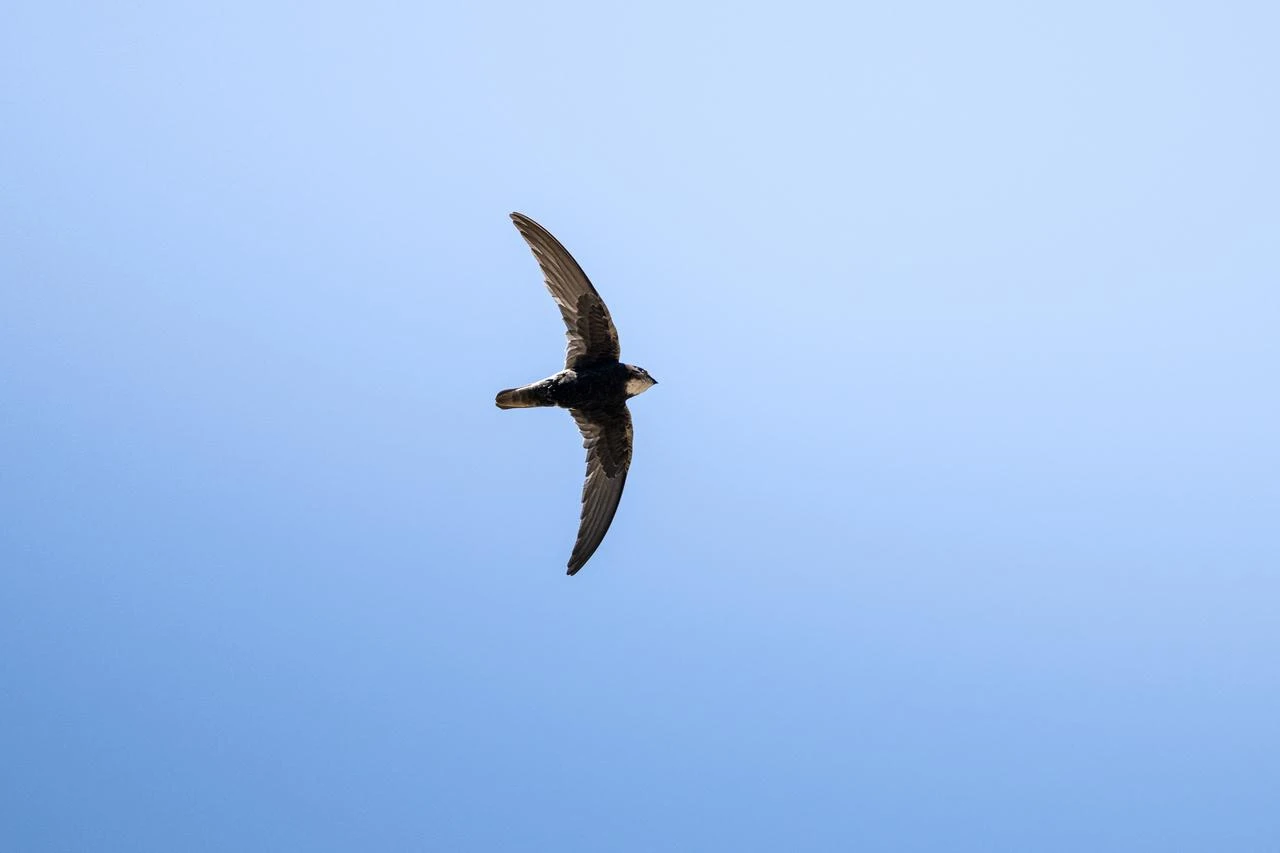
The cream-coloured courser, adapted to arid and semi-desert terrain, blends into the pale ground of the steppe for much of the year.
Its presence in Sanliurfa reflects the province's position at the meeting point of Anatolian and Middle Eastern desert habitats.
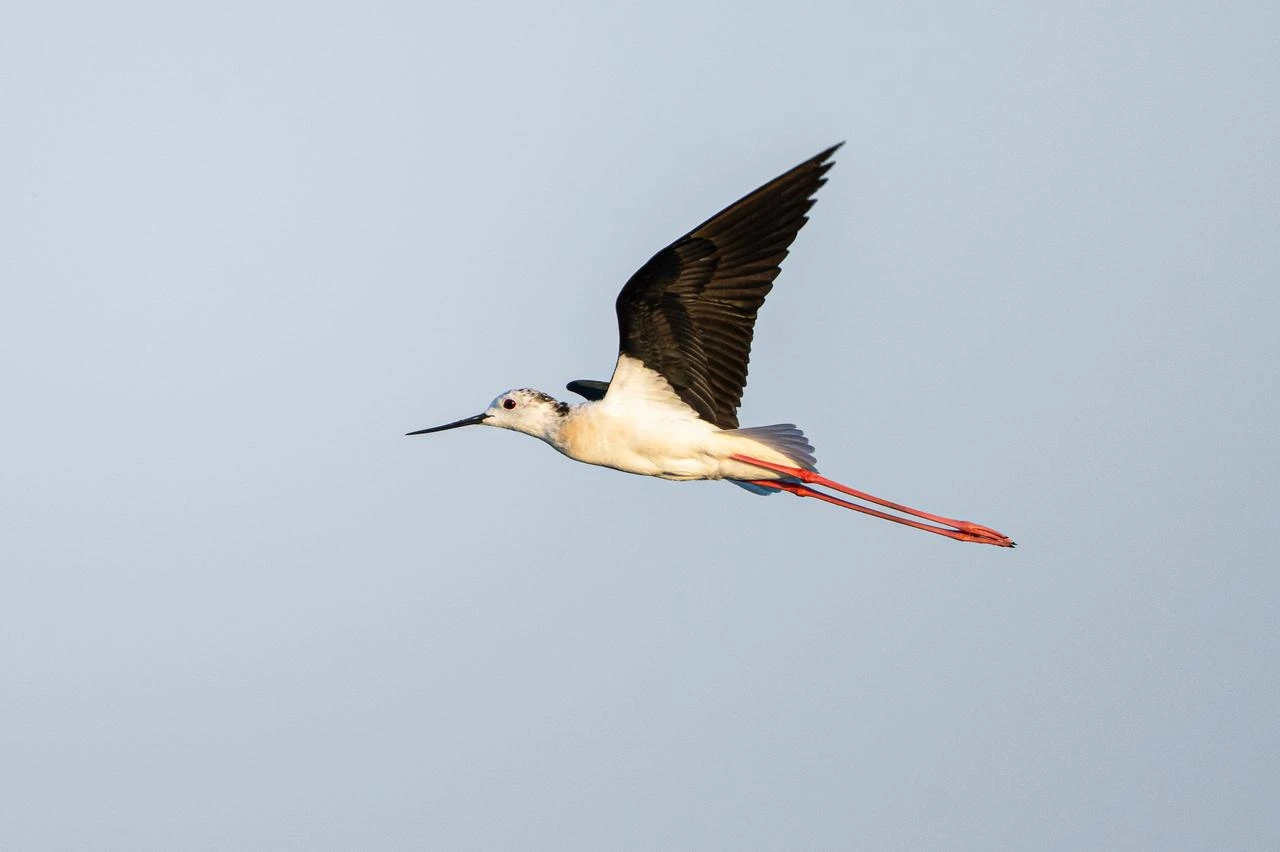
The northern bald ibis, critically endangered and once found across the Middle East and North Africa, survives today in only a handful of colonies.
Sightings within the Sanliurfa steppes place the region among the species' last remaining footholds in the wild.
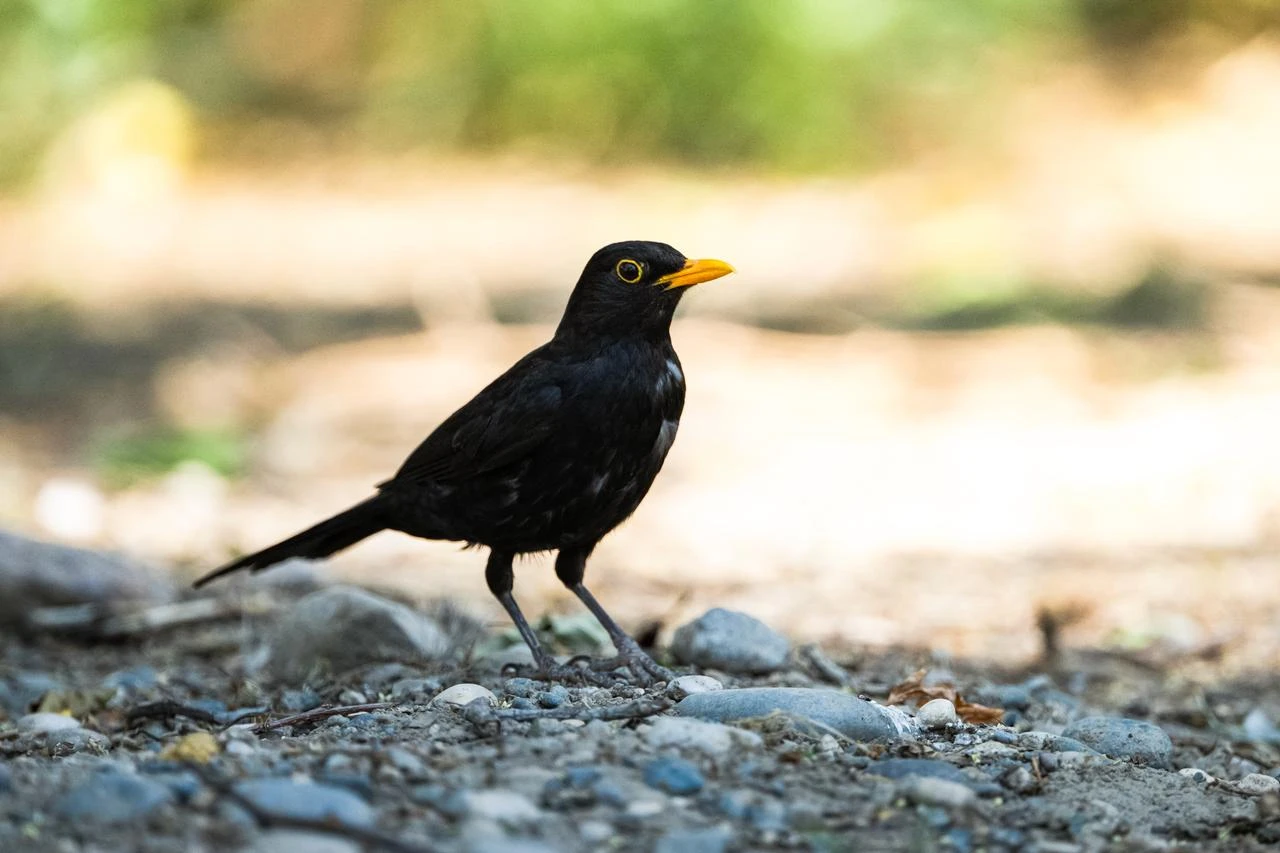
The sociable lapwing, listed as critically endangered worldwide, passes through the wider Sanliurfa region during its spring and autumn migration between breeding grounds in Kazakhstan and wintering sites further south.
Surveys have recorded flocks representing a significant share of the species' global population at nearby stopover sites.
The pallid scops owl, a small and little-studied species, roosts by day in the vegetation lining the Euphrates valley near Birecik. Its call, a low, hollow note repeated after dark, is one of the more distinctive sounds of the steppe at night.
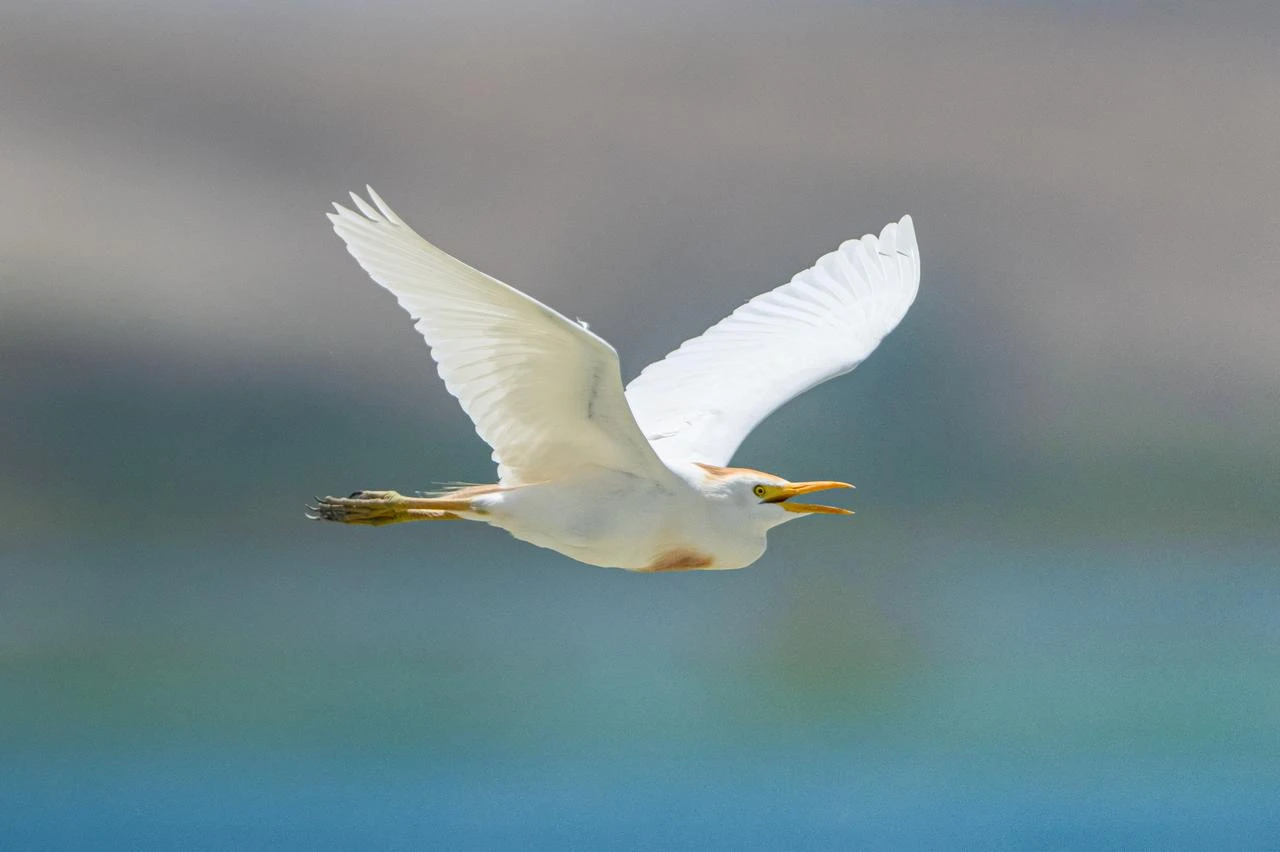
The Iraq babbler, a recent colonist first recorded in Türkiye after expanding from Syria and Iraq, has established itself along the Euphrates valley in the Sanliurfa area.
Its arrival marks one of the more notable range expansions recorded among the region's bird species.
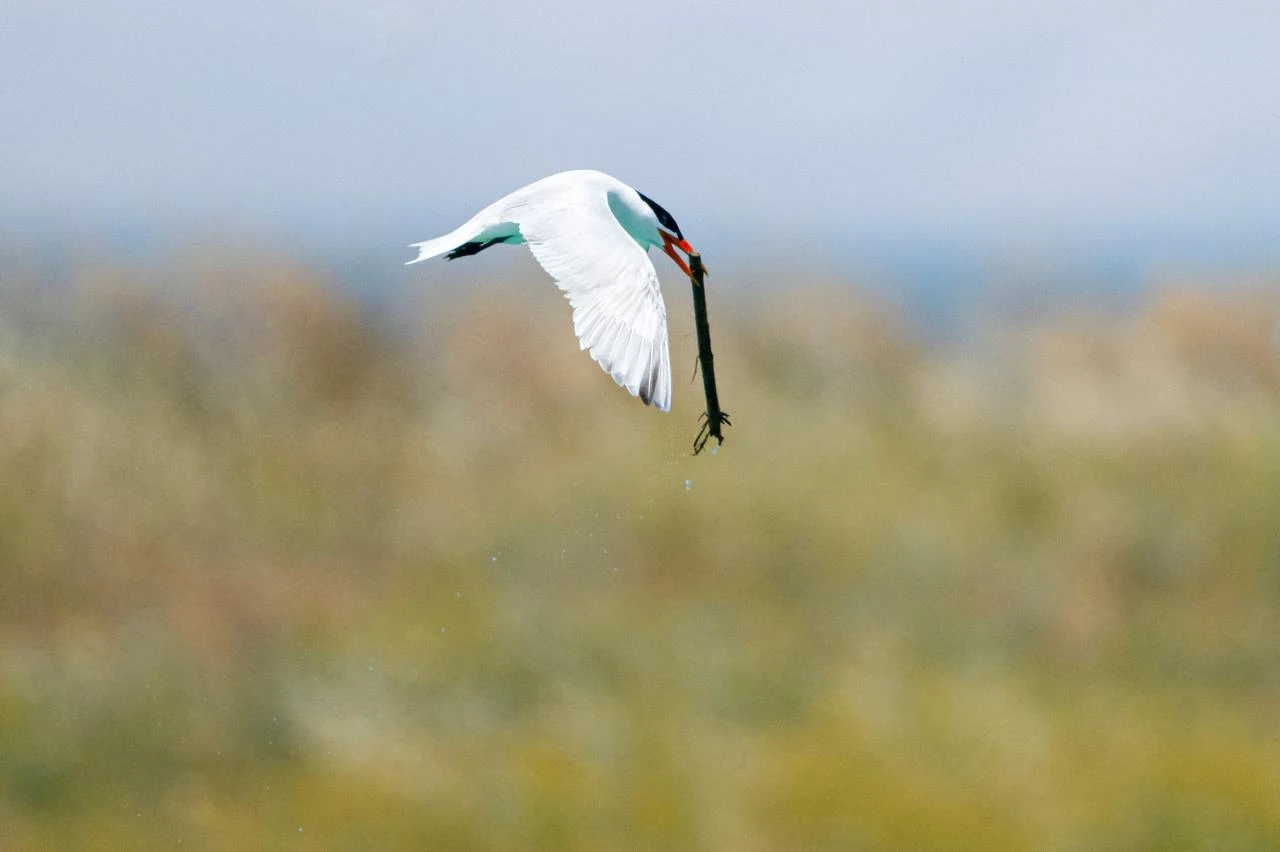
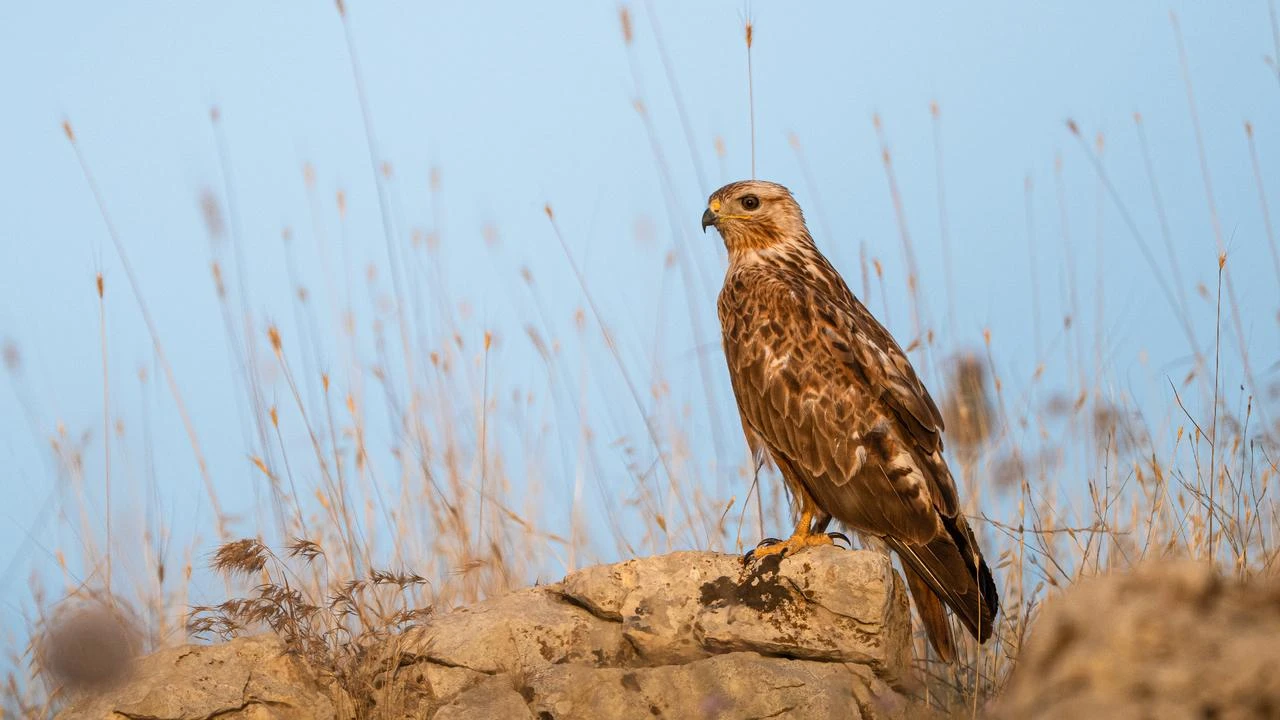
Seasonal migration brings additional species through the Sanliurfa steppes, including birds of prey such as the steppe eagle, which passes overhead on its route between breeding grounds in Central Asia and wintering areas in Africa. The province's position along major flyways adds to its ornithological significance.
Conservation groups and government agencies have begun coordinating protection strategies for the Sanliurfa steppes, including proposals for new protected areas in the Karacadag region.
Researchers say continued monitoring will help determine whether the basin's bird populations stabilize in the years ahead.


 Set as preferred source


 6 min read