Sign in
 Newsletters


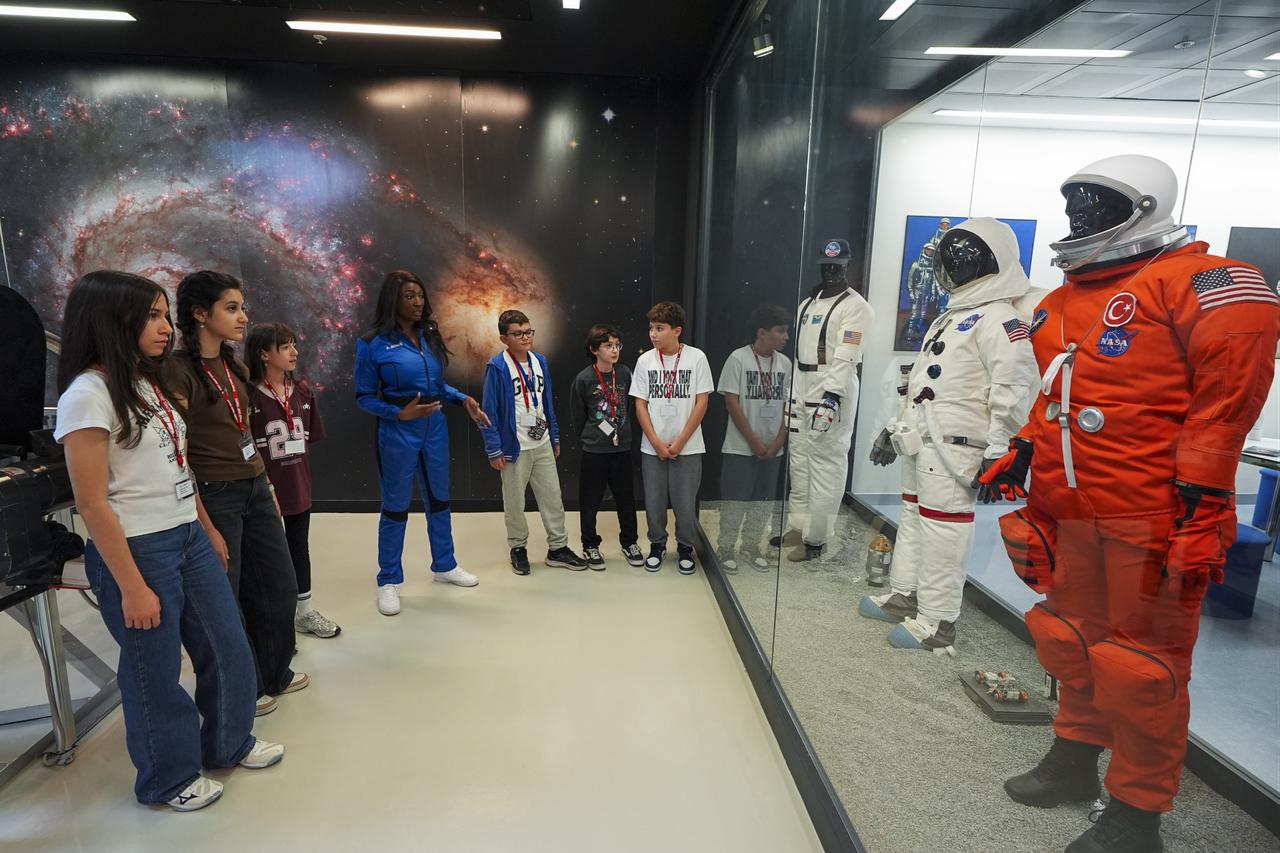


Blue Origin astronaut Aisha Bowe said Türkiye has strong human potential to contribute to the future of aviation and space, pointing to the interest and talent she encountered during visits to several cities across the country.
Bowe, a former NASA rocket engineer and entrepreneur, made the remarks during a visit to Space Camp Türkiye in Izmir, where she met students, shared her experiences in space research and scientific experiments, and examined the center's simulators and training programs.
"I've had the opportunity to travel to many cities in Türkiye, and in each one there are very talented and capable people who I believe will be part of Türkiye's aviation and space future," she told Turkish state-run Anadolu Agency.
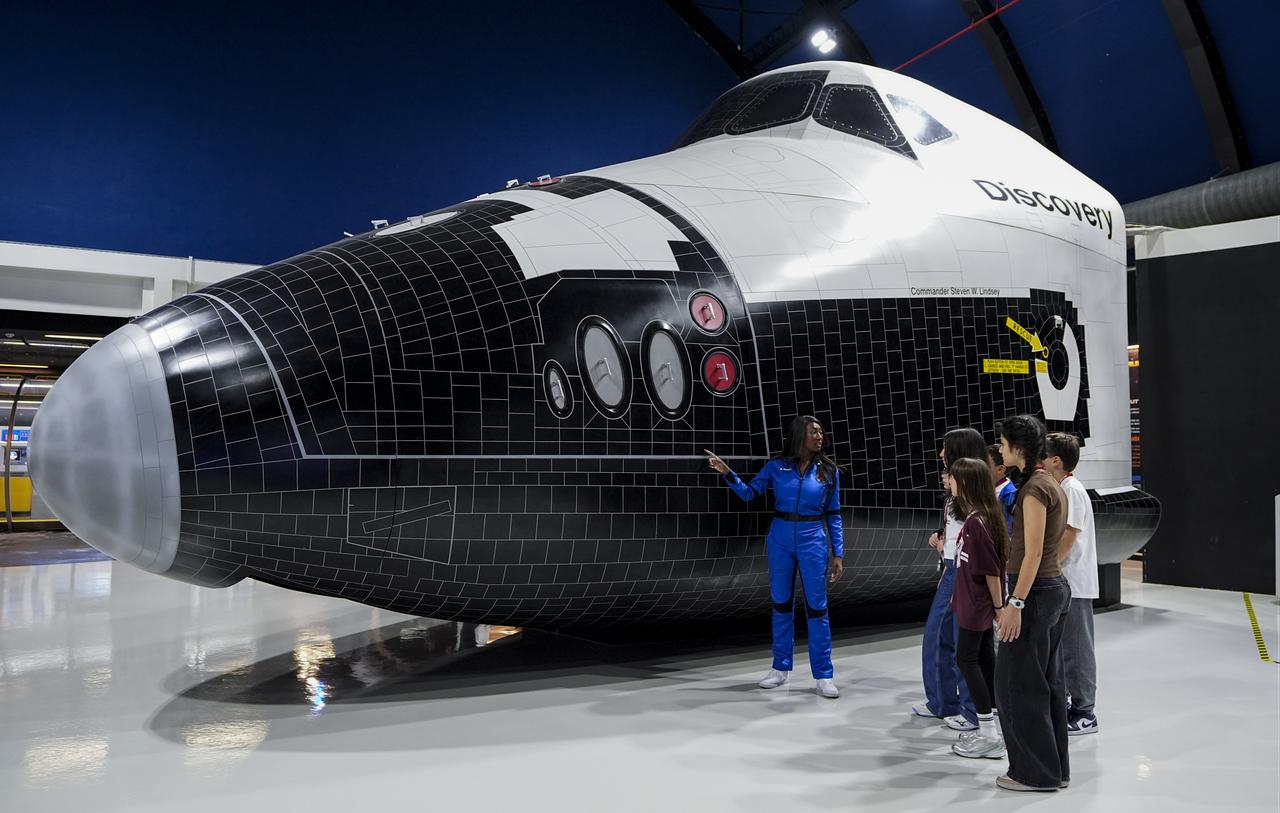

Bowe took part in Blue Origin's NS-31 suborbital flight in April 2025 and served as a scientific payload operator for plant biology experiments conducted in cooperation with NASA-affiliated research institutions.
As part of her Türkiye program, she also visited Bursa, Istanbul and Adana, discussing the country's advances in aviation and space as well as the potential contribution of microgravity experiments to agriculture.
Bowe said the space sector has become increasingly multidisciplinary and that she saw strong interest in the field across Türkiye.
"I want to remind everyone that the word 'impossible' is only an idea," she said. "You don't necessarily have to go to space. We need doctors, lawyers, psychologists and everyone else to join us in our space missions."
Bowe said Turkish astronaut Alper Gezeravci's scientific mission had provided an important source of inspiration.
She also pointed to Türkiye's participation in the Artemis Accords, which outline principles and norms for space activities, and the involvement of people of Turkish origin in space missions as opportunities for the future.
Bowe, who became the first person of Bahamian descent to travel to space, said countries without established human spaceflight programs can still contribute to the sector.
"When we talk about people from developing countries, the first things required are courage, vision and determination," she said.
She added that the qualified people she met across Türkiye could play a role in the country's future aviation and space efforts.
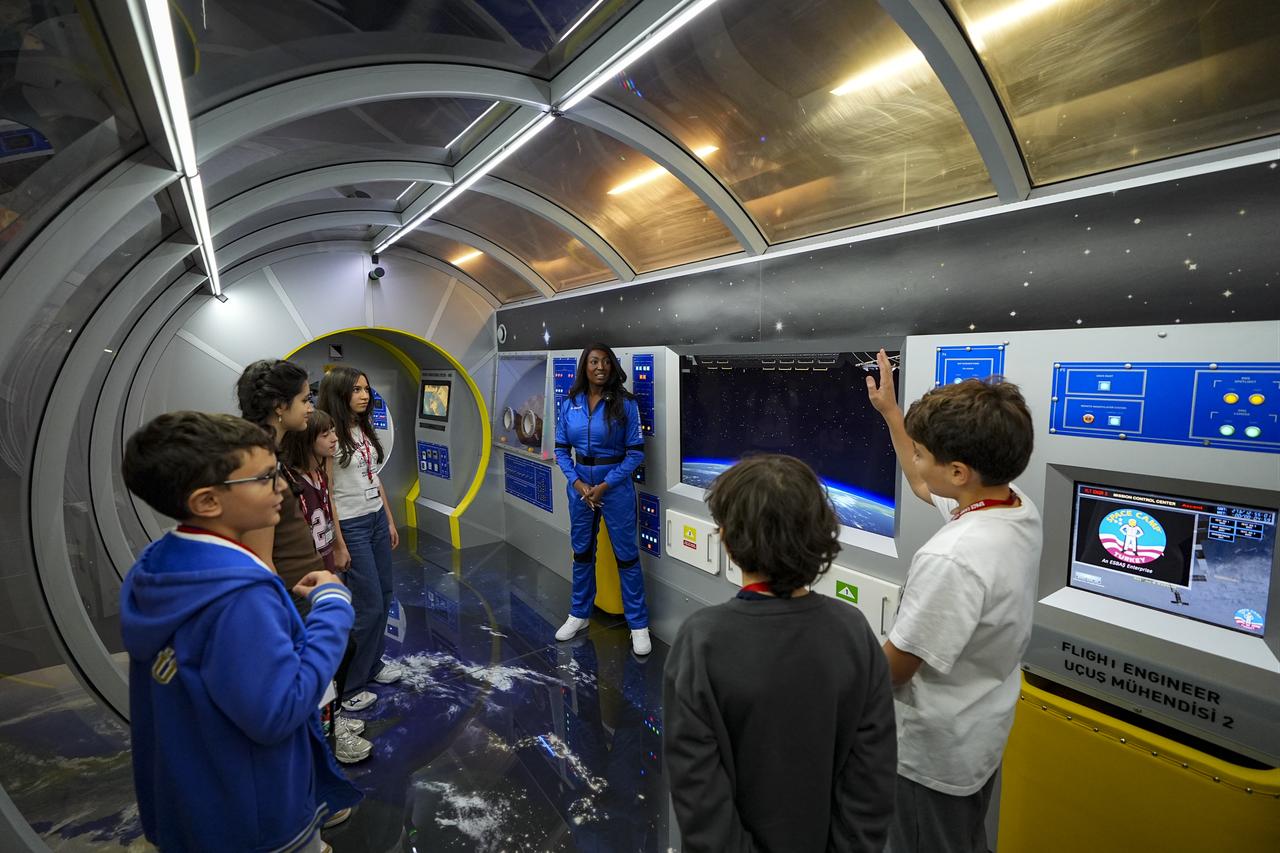
Bowe also discussed her plant biology research in microgravity, saying such studies could contribute to solving problems on Earth.
"We cannot grow plants everywhere and at all times on Earth, but we would very much like to be able to," she said.
Bowe said researchers know that plants and other objects change in microgravity even when the exact reasons are not always fully understood.
"By understanding these changes, we not only make sense of them, but also find ways to apply what we learn to solving problems on Earth," she said.


 Set as preferred source
 Set as preferred source


 1 min read
 1 min read