Newsletters


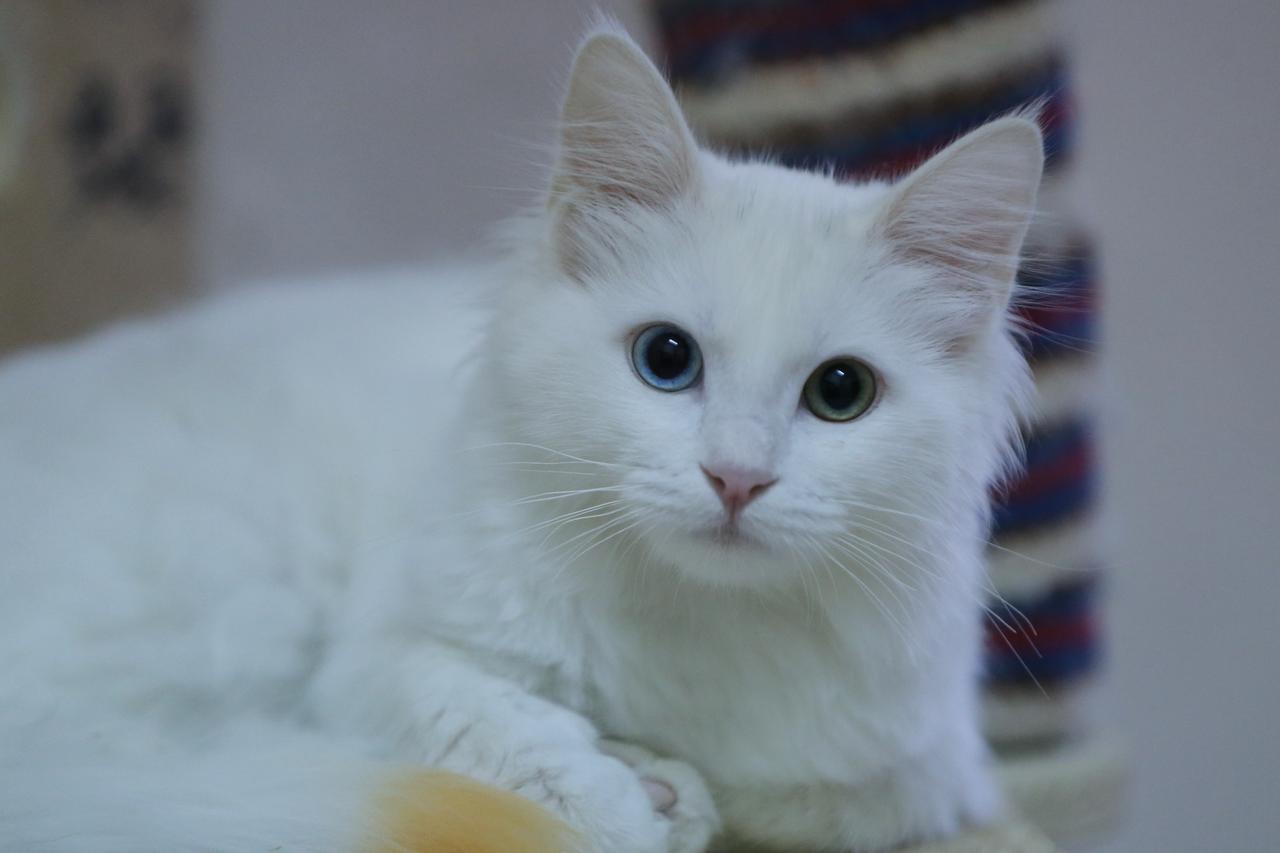


Efforts to protect the Van cat, one of Türkiye’s most distinctive and rare native cat breeds, gathered pace in 2025 as a university-run conservation program reported a notable rise in births. A total of 120 kittens were born this year at a dedicated research center in eastern Türkiye, under a controlled breeding scheme designed to preserve the breed’s original genetic traits.
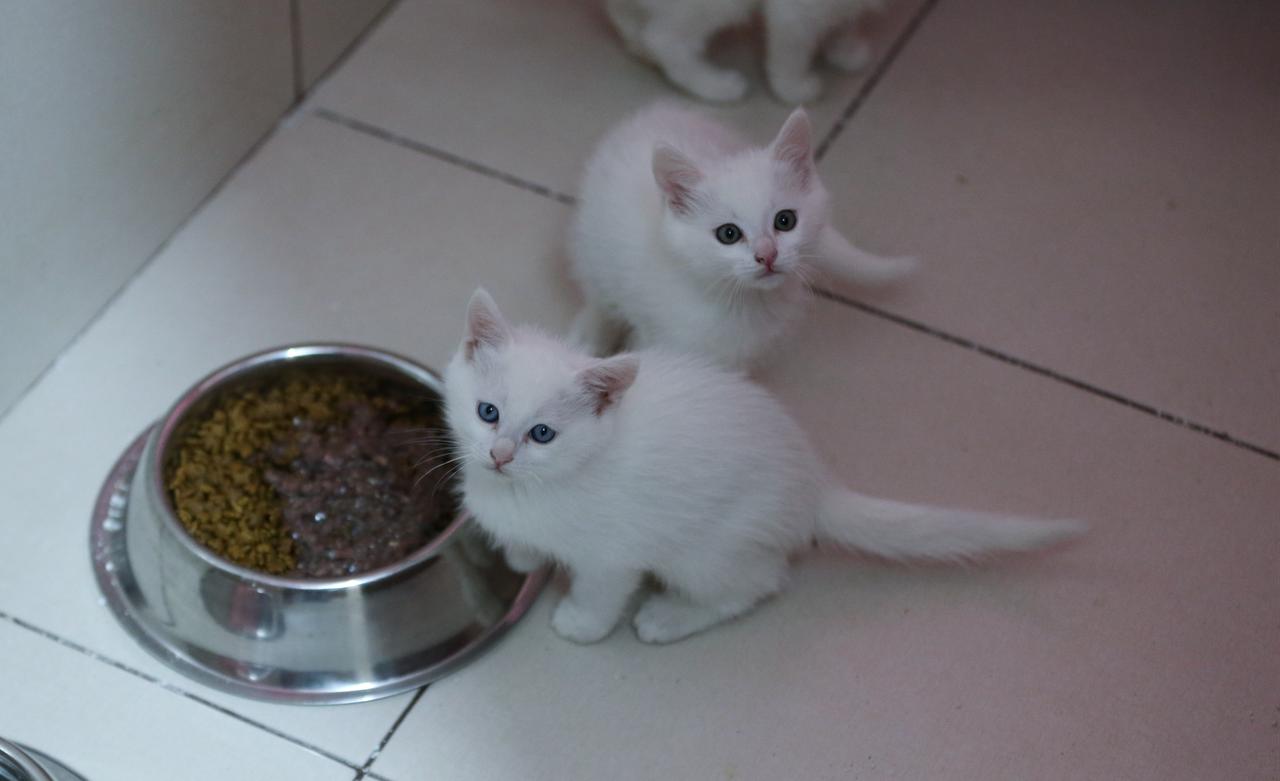

The births took place at the Cat Villa, part of the Van Cat Research and Application Center at Van Yuzuncu Yil University in the city of Van. The Van cat is internationally recognized for its silky white fur, gentle temperament, and striking eye colors, which can include blue, amber, or a rare combination of both. Because the breed is considered vulnerable, cats at the center are kept under protection and paired carefully as part of long-term conservation planning.
Center Director Abdullah Kaya said the latest figures reflect the completion of the third breeding season of the year, noting that Van cats usually give birth across three separate periods annually. As part of the 2025 program, 40 mother cats believed to be close to the original genetic line were paired, leading to nearly 120 births.
Of the kittens born this year, around 100 were assessed as genetically original, meaning they closely match the historical characteristics of the Van cat. Kaya underlined that genetic purity remains the core objective of the program, rather than simply increasing numbers.
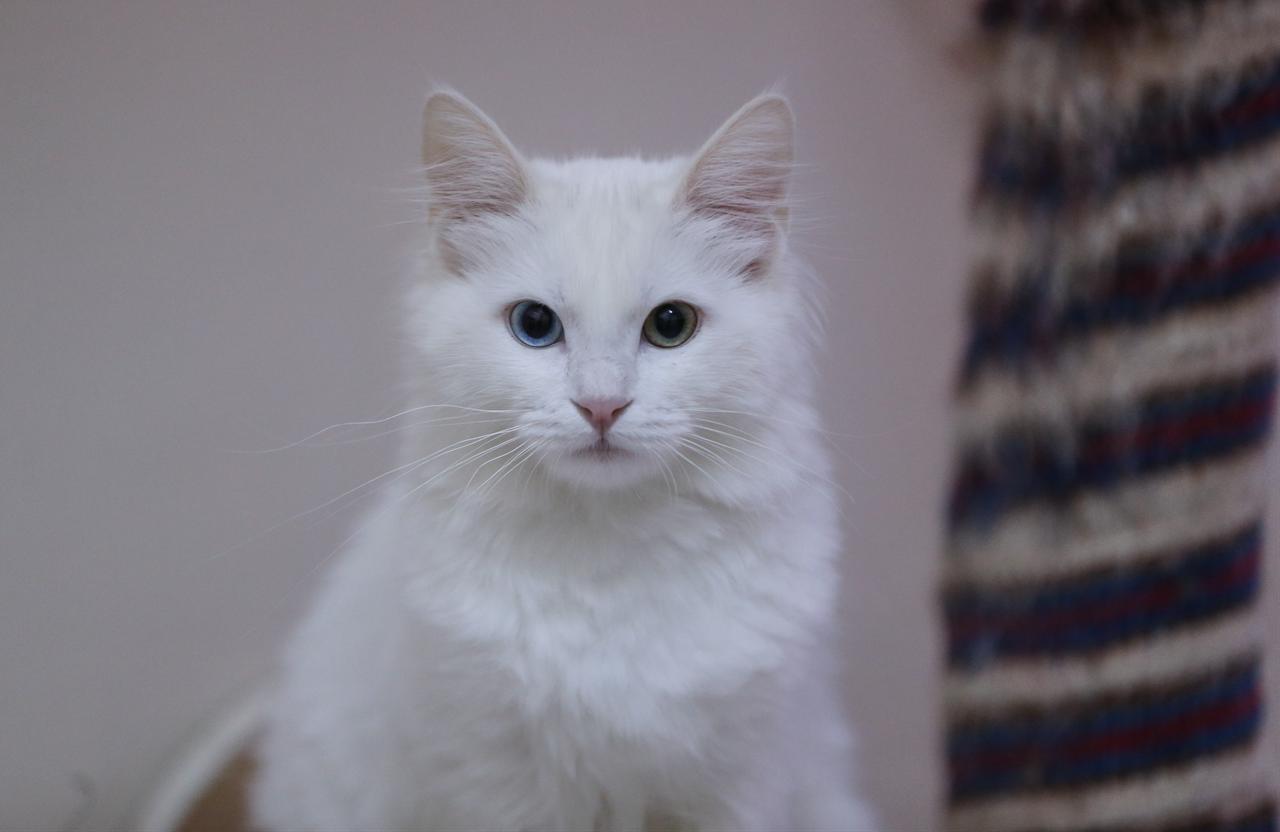
Within this group, 15 kittens showed heterochromia, a condition where each eye is a different color, typically one turquoise blue and one amber. This trait, often associated with the Van cat in popular culture, has become increasingly rare, making its preservation a particular focus of the center’s work.
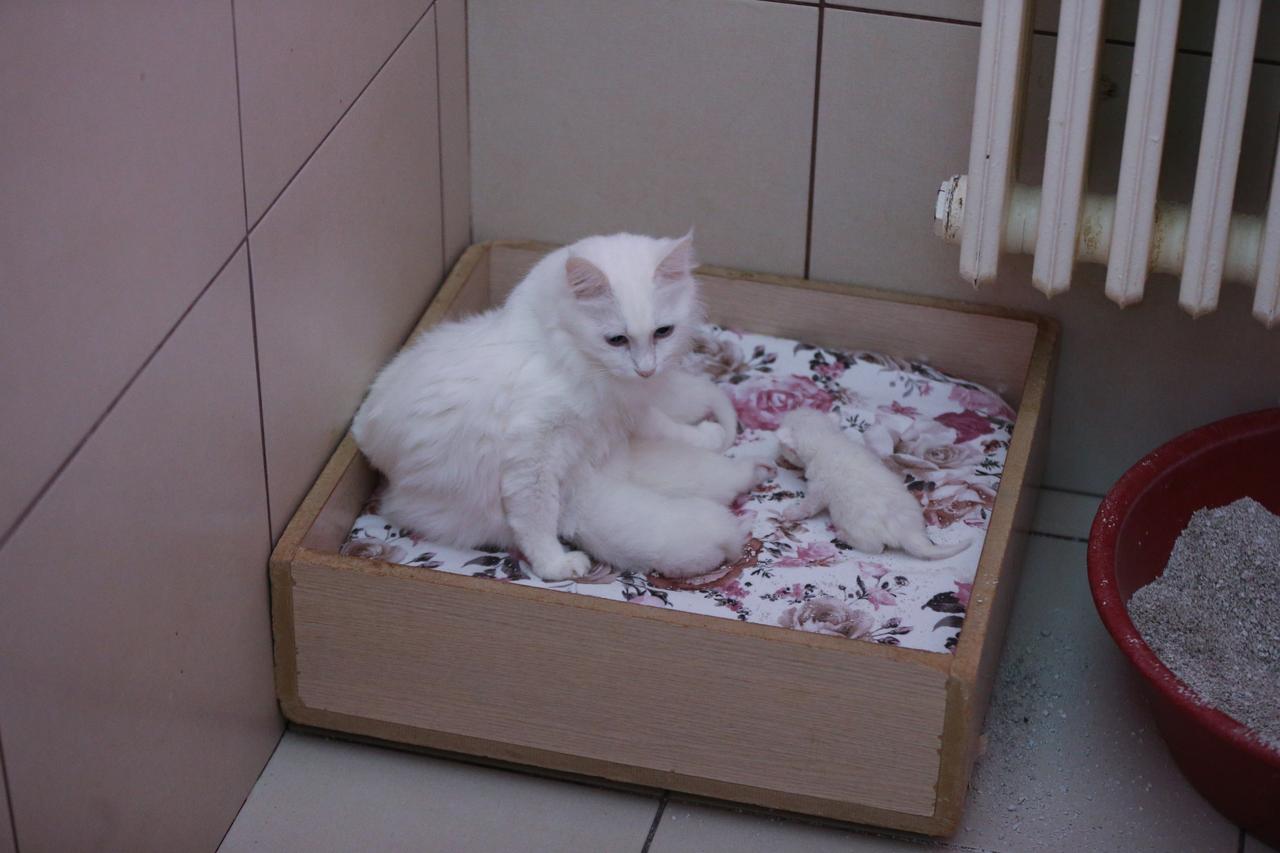
Compared with the previous year, the number of births marked an increase of about 16%, a rise Kaya linked to more selective breeding and tighter controls. He said the center deliberately reduced adoptions in 2025 to retain more kittens on site, allowing specialists to strengthen the genetic pool under their care.
Around 60 kittens were adopted this year, while roughly 40 remained at the center. Kaya explained that as the genetic originality of the cats improves, the center also raises the number it keeps for future breeding. Looking ahead, conservation efforts are set to continue in 2026, with the aim of producing even higher-quality offspring.
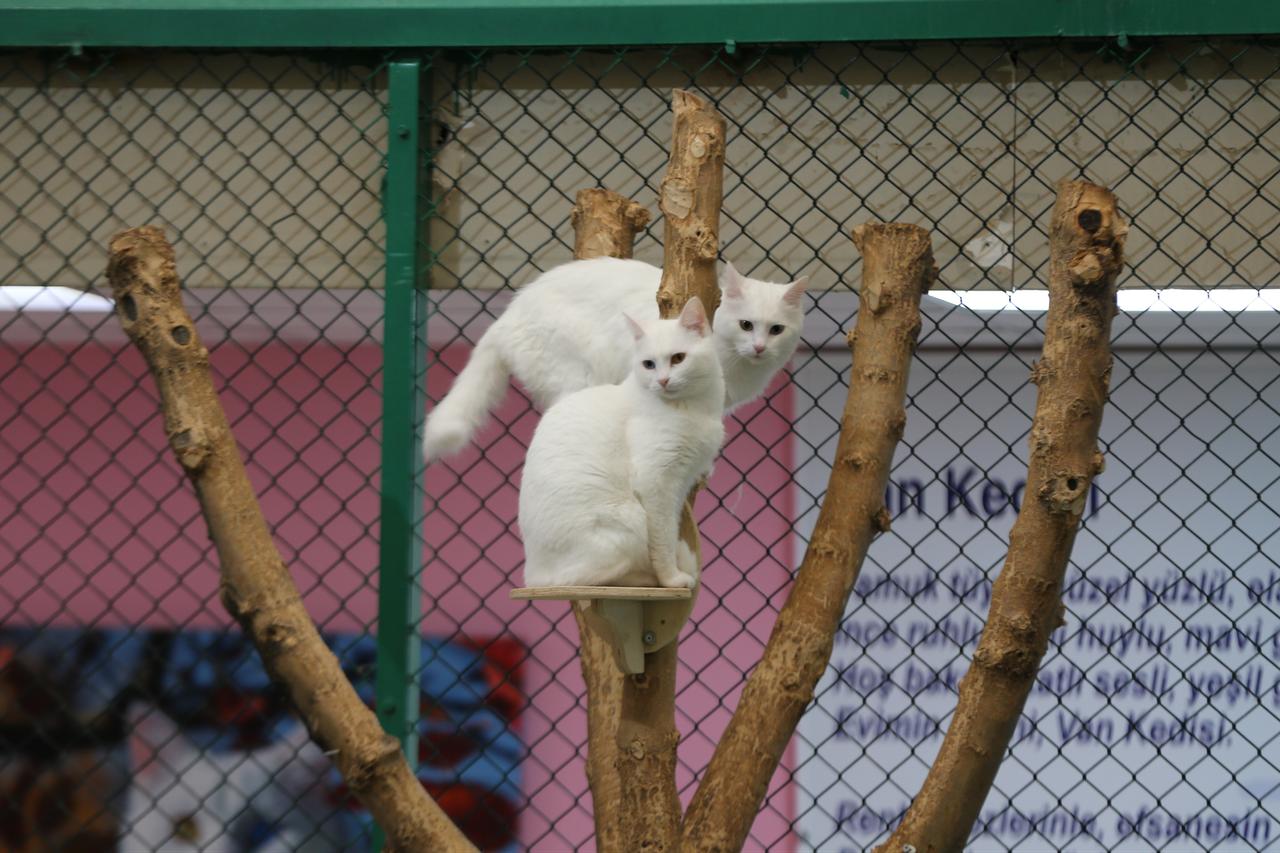
Public interest in Van cats is also on the rise across Türkiye, according to the center. Each year, the facility aims to place about 100 Van cats with new families, balancing controlled adoption with the broader goal of protecting the breed for future generations.
By maintaining this balance, the program seeks to ensure that the Van cat, a symbol closely associated with the region, continues to thrive while remaining as close as possible to its original genetic form.


 Set as preferred source
 Set as preferred source



 2 min read