Newsletters


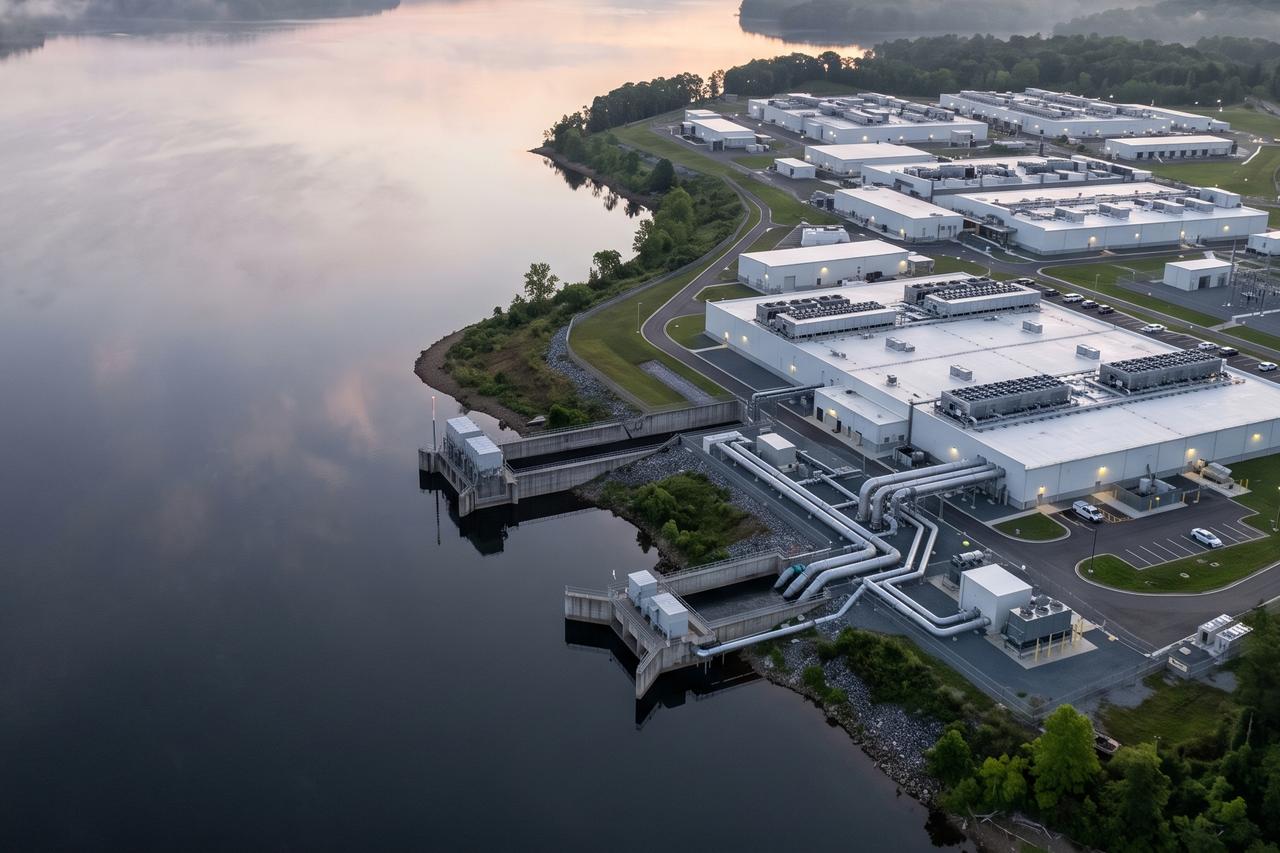


A viral trend using artificial intelligence to recreate 1980s-style hair, clothing and photo aesthetics has renewed scrutiny of the electricity, water and other resources needed to generate the images, according to a study compiled by Anadolu Agency.
The "How would I have looked in the 80s?" trend, in which users transform their own photos with AI tools, produces images in seconds.
But the energy behind those seconds has drawn new attention, based on a compilation from the United Nations University Institute for Water, Environment and Health study "Environment and Health: Carbon, Water and Land Footprints."
According to the compilation, the energy used to generate a typical AI image is enough to run a 10-watt LED bulb for about 17 minutes.
The electricity consumed in producing a single AI image carries a water footprint of about 29 milliliters, roughly two tablespoons. Scaled to about 1 billion images, that water footprint reaches 29 million liters.
Searches for "80s trend" rose about 5,000% week over week, according to Google Trends data, while millions of users shared related AI-generated images on Instagram.
The environmental cost of AI extends beyond the electricity used to generate a single image. Producing the electricity that powers data centers, cooling servers, building infrastructure and manufacturing hardware all add to the total environmental footprint.


Global data centers consumed about 448 terawatt-hours of electricity in 2025, according to the study's calculations.
The International Energy Agency (IEA) expects that consumption to rise to about 950 terawatt-hours by 2030, citing the spread of AI as one of the main drivers of the increase.
The study projects that the water footprint linked to the electricity consumption of AI-supporting data centers could reach 9.3 trillion liters by 2030, with a land footprint exceeding 14,500 square kilometers.
Those figures apply to the global growth of AI infrastructure broadly and are not specific to the '80s trend.
Most of AI's energy consumption occurs after training. Processing users' daily requests to AI models accounts for about 80 to 90% of total AI energy use, according to the research.
A typical AI image requires about 1,450 times more energy than a basic text classification task, while a typical image generation consumes about 2.9 watt-hours.
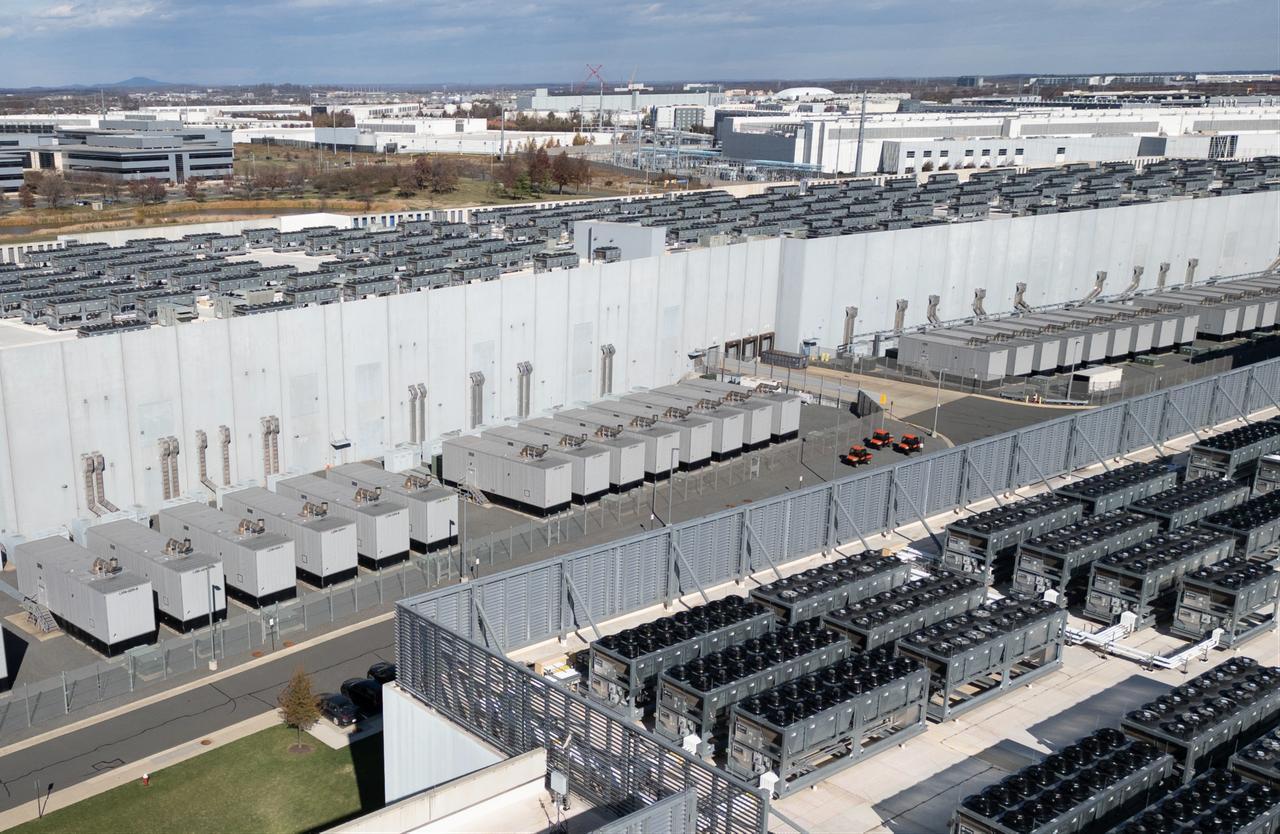
A study by Hugging Face, an open-source platform for sharing AI models and datasets, and researchers at Carnegie Mellon University found that image generation consumes an average of about 2.9 kilowatt-hours per 1,000 prompts.
The study found that the energy needs of AI tasks vary significantly depending on the model and task used, so a fixed electricity value cannot be assigned to a single AI image without accounting for the model and computing conditions involved.
Resource demands also extend to hardware. Electronic waste linked to AI is projected to reach 2.5 million tons annually by 2030.
A retro photo generated in seconds on social media does not represent significant resource use on its own, but as part of billions of AI operations, it adds to a broader resource chain spanning electricity, water, land and hardware.


 Set as preferred source
 Set as preferred source



 3 min read