Newsletters


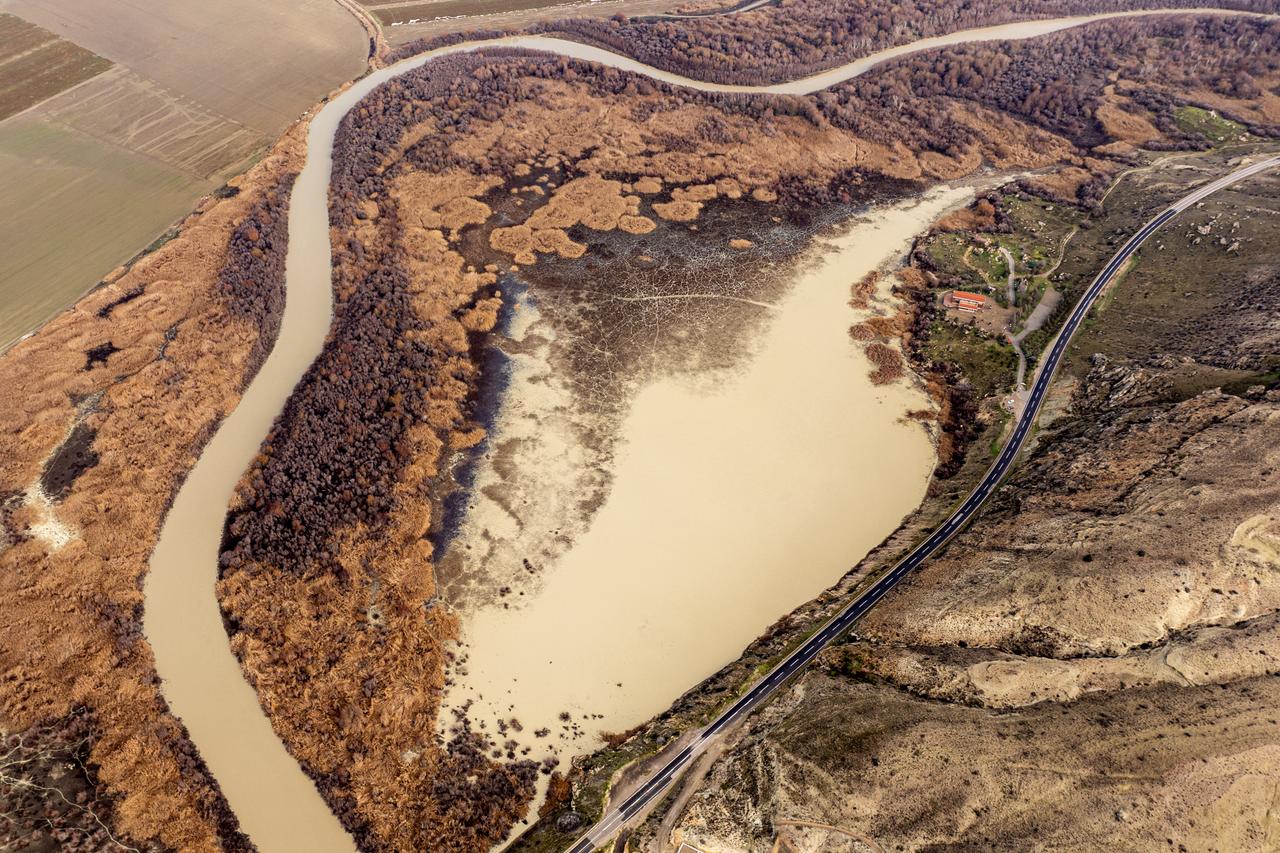


Türkiye has lost wetlands covering around 2 million hectares over the past 60 years, an area estimated to be about one and a half times the size of the Marmara Sea, according to the Nature Association (Doga Dernegi).
The loss has been closely linked to rising drought risk, weakening biodiversity, and growing challenges in the fight against climate change.
World Wetlands Day, marked every year on Feb. 2, was established to raise awareness about the value of wetlands and the risks they face.
The date also commemorates the signing of the Ramsar Convention, an international treaty adopted in the Iranian city of Ramsar in 1971 to promote the protection and wise use of wetlands worldwide.
Safak Arslan, Conservation Programs Coordinator at the Nature Association, underlined that wetlands have historically been among humanity’s earliest settlement areas.
Human communities, he explained, settled where water was available, creating a long-standing interaction between people and wetland ecosystems.
Over centuries, these areas supported not only livelihoods but also cultural traditions and knowledge systems that evolved in balance with nature.
According to Arslan, wetlands are closely tied to cultural heritage and traditional production methods. Knowledge passed down through generations allowed communities to manage water, soil, and agriculture in harmony with natural cycles.
As this knowledge has faded, wetlands have increasingly been drained or degraded, speeding up ecological loss.
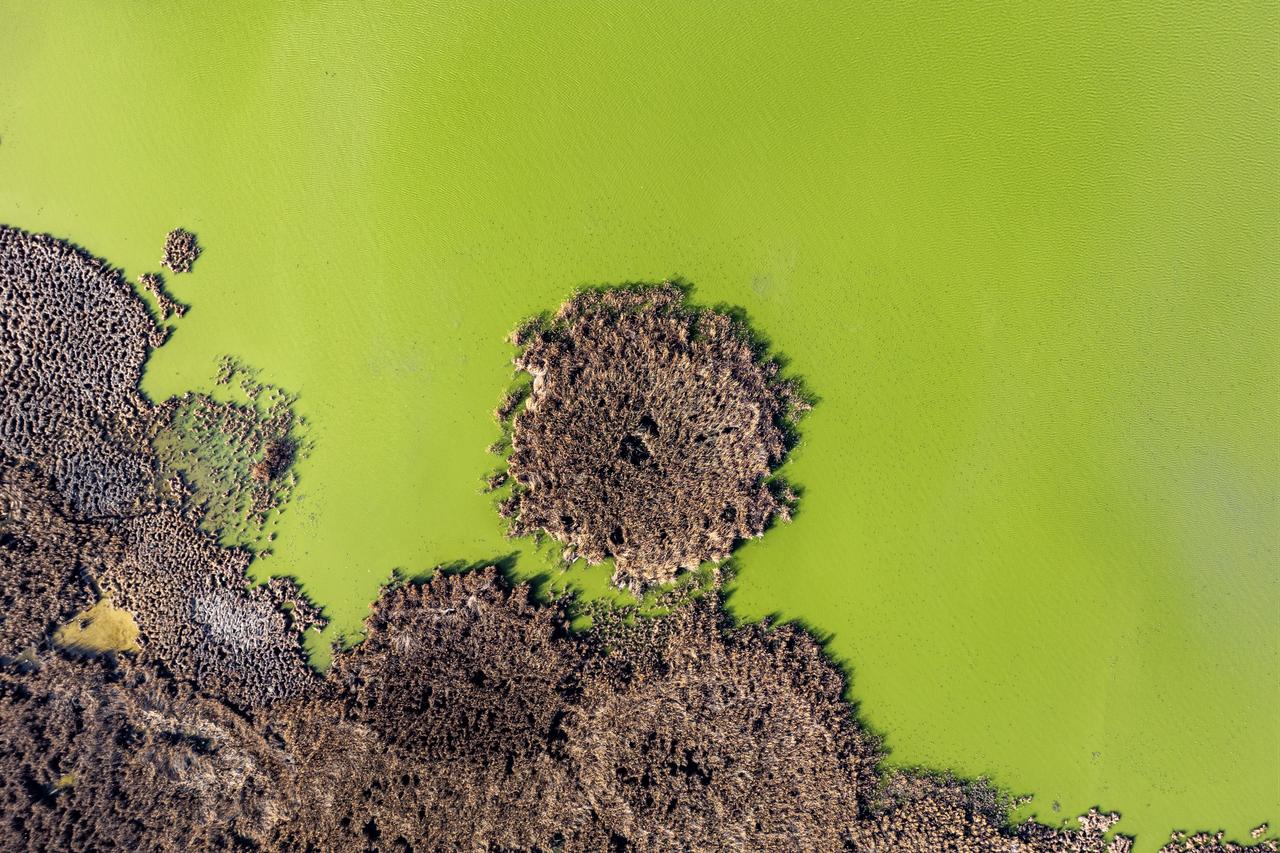

Wetlands were described as core ecosystems due to their rich biodiversity, diverse habitats, and crucial role as carbon sinks. Similar to forests and oceans, wetlands absorb and store carbon dioxide, helping to limit the impacts of climate change.
Arslan highlighted peatlands in particular, noting that they have an exceptionally high capacity to lock away excess carbon released by human activities.
The disappearance of wetlands disrupts the natural water cycle, which in turn makes droughts more frequent and severe.
Arslan emphasized that in regions where wetlands are protected or expanded, a natural balance with drought conditions can still be maintained. He stressed that drought risk and wetland loss are directly connected.
Beyond climate pressures, wetlands in Türkiye have faced mounting stress from unsustainable water use.
Arslan pointed to unplanned and illegal extraction of groundwater as a major factor, explaining that excessive pumping prevents surface waters from being replenished and can trigger sinkholes and long-term environmental damage.
He also clarified that wetlands are not limited to lakes. They include coastal deltas, inland freshwater and saltwater lakes, wet meadows, river systems, and floodplains.
These ecosystems host sensitive indicator species such as water birds, dragonflies, and damselflies, as well as endemic and rare plants.
When a wetland dries up or its structure is altered, species that depend on it for feeding, shelter, and water are forced to leave or disappear, affecting the entire ecological chain.
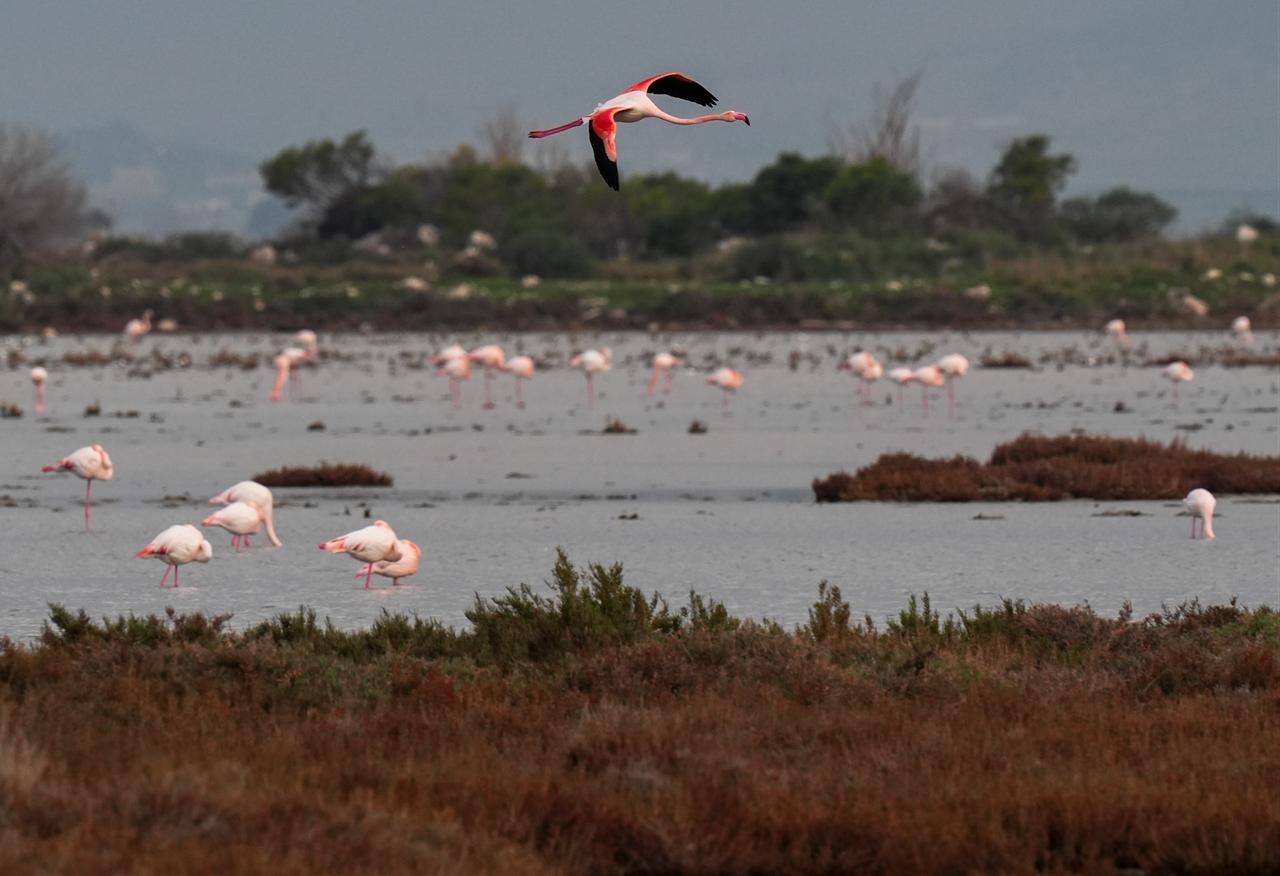
Wetlands play a vital role for migratory birds traveling across continents. Türkiye lies on major migration routes used by ducks, geese, swans, and many other water birds, especially during winter.
Arslan warned that the loss of wetlands along these routes can cause birds to lose their way. When alternative feeding sites are too far apart, birds may not find enough food, leading to population losses.
While comprehensive national data on wetlands is limited, global estimates suggest that around half of the world’s wetlands have disappeared since the early 1900s.
In the Mediterranean basin, the loss is even higher. In Türkiye, Arslan said that many wetlands in the Konya Closed Basin, Salt Lake (Tuz Golu), and the Lakes Region in central Anatolia have either dried out completely or shrunk dramatically.
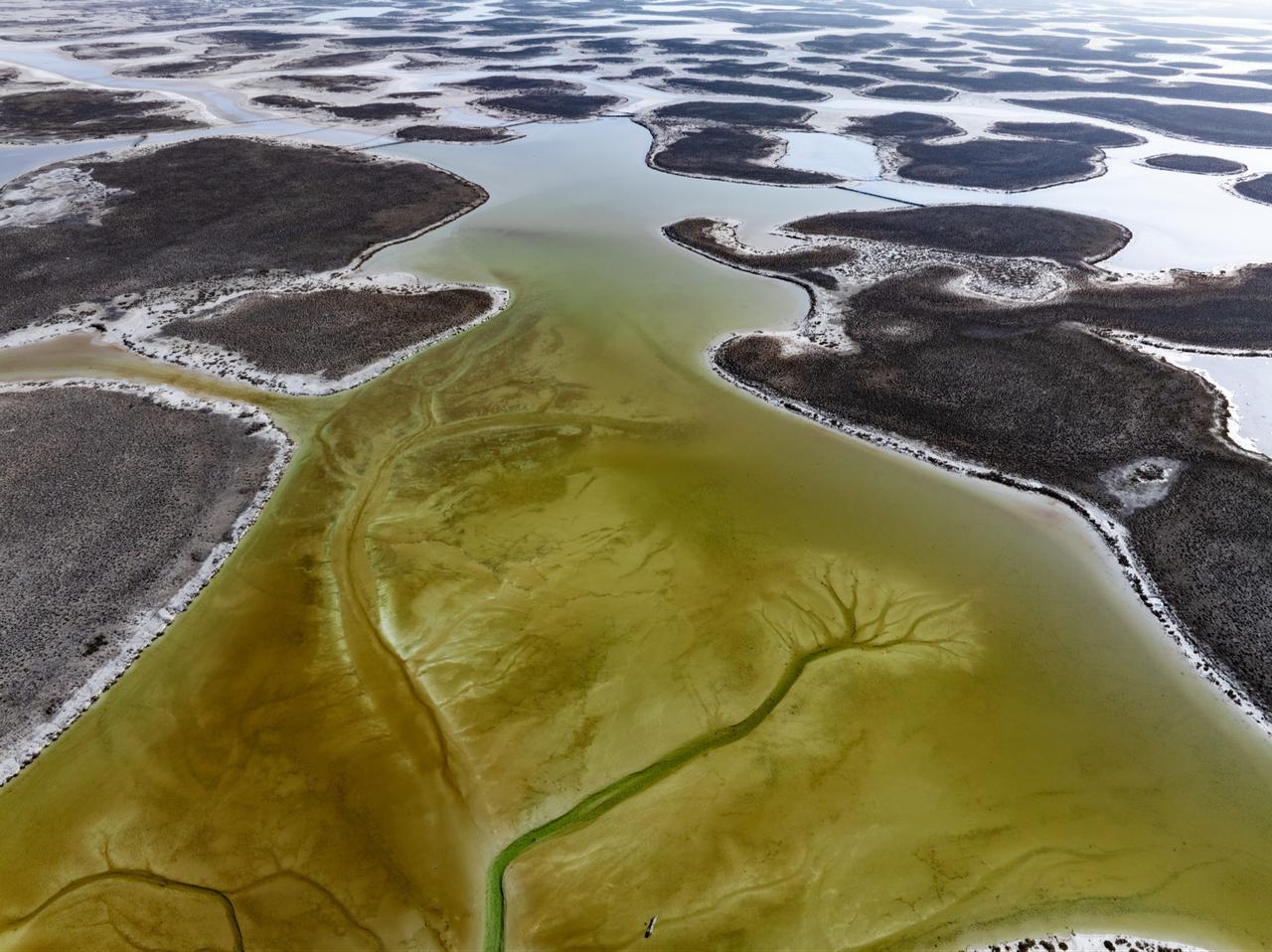
Agricultural irrigation was identified as the main driver of this decline, as the majority of available freshwater is used for farming.
Inefficient irrigation methods and crop patterns unsuited to local conditions have accelerated wetland loss, with climate change further intensifying the process.
Arslan concluded that simply protecting remaining wetlands is no longer enough. Restoration efforts are now essential, alongside the revival of traditional and local knowledge.
He added that cooperation among public institutions, local authorities, civil society groups, and academics will be critical to safeguarding and restoring Türkiye’s wetlands.


 Set as preferred source
 Set as preferred source



 3 min read