Newsletters


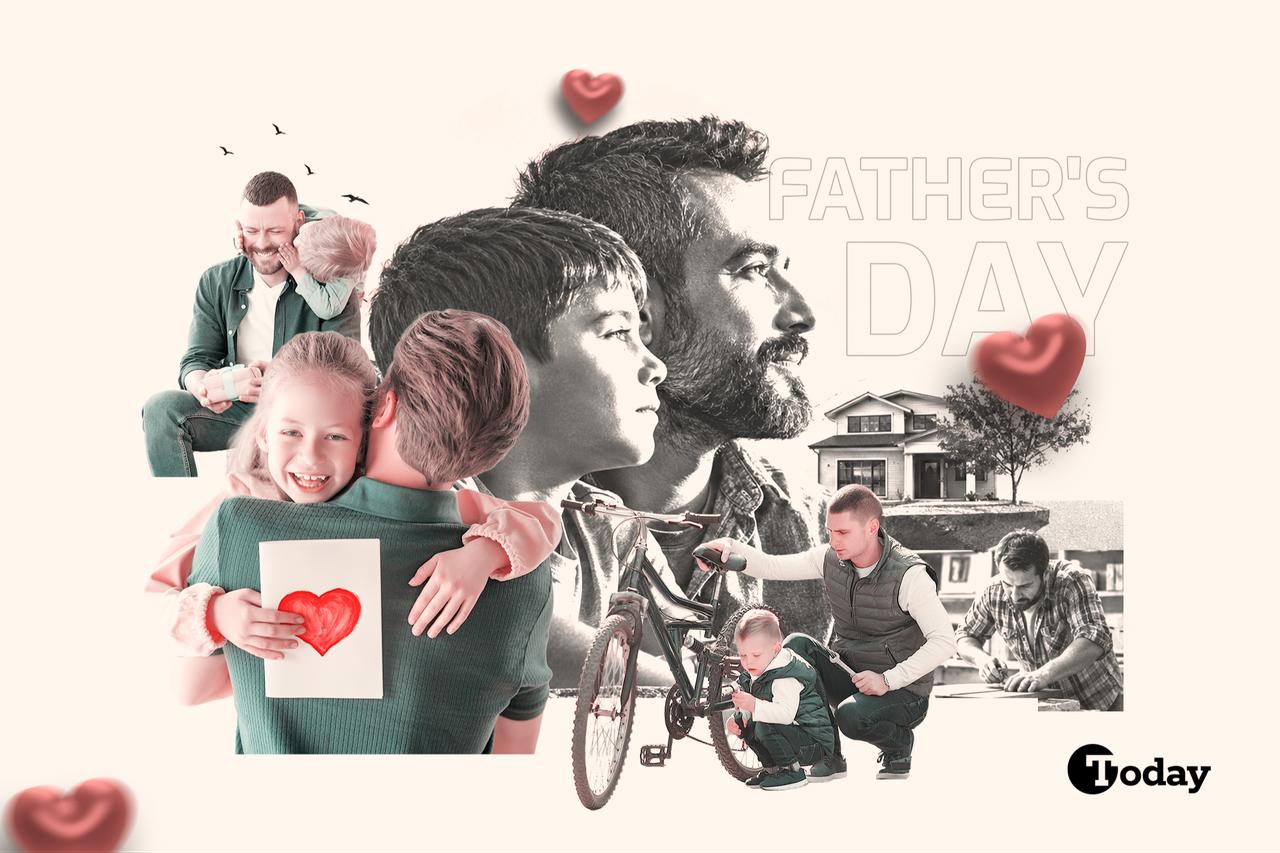


Each year, on the third Sunday of June, we pause. We buy cards. We call. Some visit.
Some stand before a grave. Some sit with a silence that defies naming, feeling the weight of all a father gave us and all he could not.
Father's Day itself is simple. What it demands is not.
It asks us to face the person who first revealed how the world turns: how to shoulder hardship, handle money, and treat others when no one is watching. It asks us to reckon with how much of him we still carry, whether we choose to or not.
We have all lived some version of this. A father who worked hours we could not fathom until we learned to count them.
A man whose quiet taught us more than any speech. Or a father whose absence became its own lesson, one we have spent years following or resisting.
Lessons do not ask permission. They simply remain.
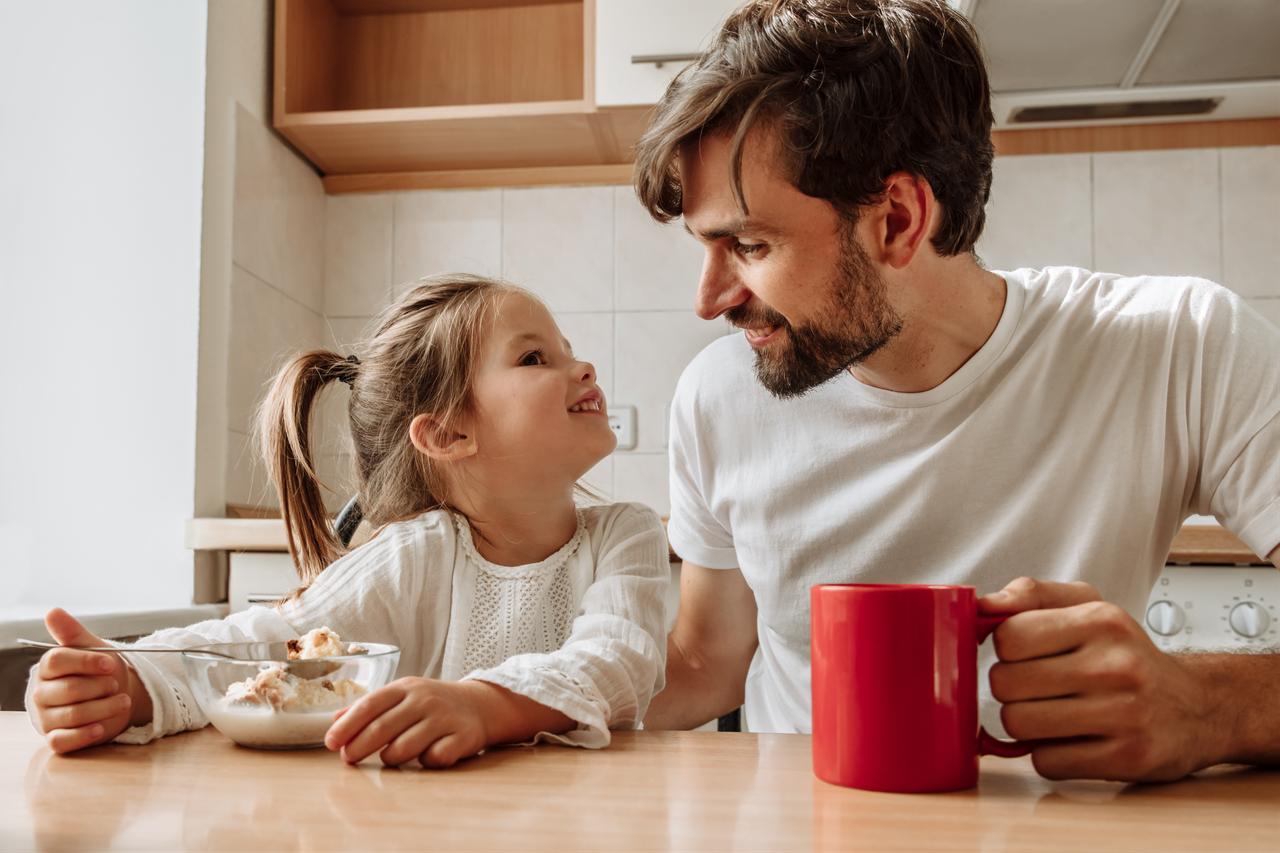

There is a psychological reason why a father's voice does not fade. In moments of high stress or uncertainty, the rational part of the brain slows. The mind reaches for its fastest survival codes — the authority voices recorded earliest in childhood.
A phrase spoken thirty years ago at a kitchen table resurfaces at the edge of a difficult decision with the force of a compass bearing.
Psychologists call this the "internalized parental voice": a child's most trusted figures become, over time, the voice the adult uses to speak to themselves.
The father is, developmentally, the child's first model of the outside world—its rules, authority, and possibilities.
The emotional intensity of those early years, combined with the sheer scale of a father in a child's eyes, makes his words and habits seem closer to law than advice.
The child does not choose to carry them. They are simply there.
The data reflects this weight. A Pew Research survey found that 93% of American fathers say it is extremely or very important that their children grow up to be honest and ethical.
Eighty-seven percent prioritize financial independence. Eighty-seven percent want their children to be hardworking.
Whether those values truly transfer is another question. Research shows the answer depends more on what fathers do than what they say.

When it comes to work ethic, fathers overwhelmingly teach through observation rather than instruction.
Children absorb what a father does—the hour he leaves in the morning, how he handles setbacks, and the standard he holds himself to when no one is grading him—before they process a single sentence of advice.
Behavioral psychology calls this modeling, and it runs deeper than any lesson plan.
A father can spend years urging a child to work honestly. If the child sees him cut corners, the words dissolve. Action outweighs instruction. The example is education.
Research bears this out in economic terms. U.S. Census Bureau data published in 2024 found that children who worked at the same employer as a parent saw persistent increases in earnings throughout their careers—a marker not just of networks but of values passed down through proximity.
Studies indicate that fathers exert more influence than mothers on a child's professional identity and work values—a finding largely explained by cultural memory.
Historically, the father has been the figure who navigates the outside world and brings back its rules and risks.
The child does not consciously assign this role. It is assigned by something older than any individual family.

Financial habits form earlier than most parents realize. Research suggests the process begins around ages three to four, before a child can do arithmetic or understand money as an abstraction.
What they sense, with uncanny precision, is the atmosphere money creates at home. The tension or calm in a father's voice at the supermarket. The way a bill is handled. Whether scarcity feels like a looming crisis or simply a fact to manage.
That emotional imprint—scarcity or abundance, panic or steadiness—becomes the foundation for every financial choice that follows.
It runs beneath budgets, spreadsheets, and every advice column. Someone who watched their father spend impulsively to soothe stress will, under pressure, reach for the same comfort.
Not because they were told to, but because they saw it work.
Teaching financial skills helps, but it only adds a thin layer of logic to an already-set foundation. Tell a child to save; show a child how to face anxiety without using money as armor. The second lesson lasts.
This is not about blame. It is about the depth of what is passed on.
Fathers who face financial hardship with calm, set limits gently instead of with anger, and speak about money without fear are doing more than managing a household.
They are sketching a blueprint their children will follow, revise, or resist for years to come.
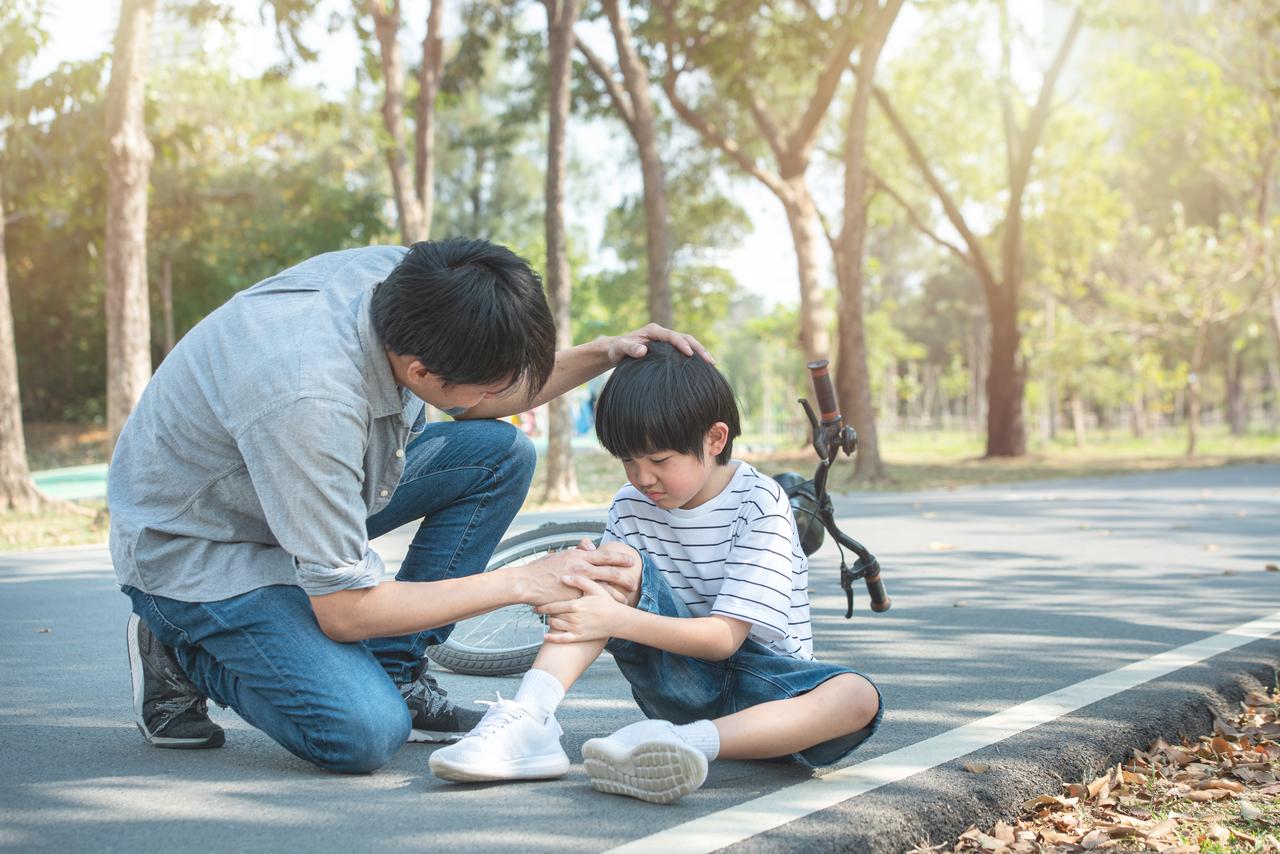
Research suggests fathers often nudge children toward risk in ways mothers rarely do. Not into recklessness, but into the useful discomfort of learning that falling is not the end.
A child who falls and hears "shake it off, try again" receives more than comfort. They inherit a framework: setbacks are not fatal. They can take the hit and keep going.
But resilience is also taught by accident and sometimes by the hardest lessons life can offer.
Clinicians call this paradoxical resilience: when a father faces illness, financial loss, or professional collapse and meets it with composure, the child watching him receives a masterclass in crisis management that no conversation could replicate.
A father's steadiness under pressure becomes the child's inner compass years later, when their own storms arrive.
The inverse is also true. A father who was absent or present in harmful ways also leaves a lesson. Research on father absence consistently documents lower academic performance, higher rates of anxiety, and greater difficulty in labor market outcomes among affected children.
The wound is real. Yet clinicians see something just as vital: the person who faces that wound head-on, chooses to break the cycle, and works to become their own authority is also forging resilience. It is a harder road. But it is a road.

In Türkiye, the father occupies a unique position within the family, shaped by a culture that balances collective loyalty and individual ambition.
Research into Turkish family dynamics describes a model of "emotional interdependence": the father is the bridge between home and the outside world, the figure who carries both its rules and risks inward.
His authority has long been as moral as it is material. Now, that balance is shifting.
A 2025 study on intergenerational fathering in Türkiye found that contemporary Turkish fathers are moving toward more communicative, engaged, and emotionally expressive parenting than their own fathers practiced—a change particularly visible among urban, educated families.
The role of moral guide, however, has remained consistent across generations and socioeconomic groups.
That expectation is not unique to Türkiye. Yet in a society where loyalty and family duty remain pillars, the weight of fatherhood and its legacy is felt with particular gravity.

There is no ceremony for the moment a father's lesson takes root. No handover, no acknowledgment, no date to remember. It happens quietly, over years, in the space between a father's actions and a child's understanding.
By the time we can name what we inherited, we have already been living by it. The way we face a hard morning. The way we speak about money when fear creeps in. The way we stand up when something breaks, and fixing it is the only option.
These are not choices. They are patterns set long before we had words to question them or the distance to see them clearly.
A father does not need to be perfect to shape a life. He does not need the right words, or any words at all. He only needs to be present when it matters, and for a child, present means visible. It means real.
What is passed down is never exactly what was meant. It is something more honest: the unfiltered version of a man, seen up close, year after year. And it stays. Long after the man is gone, long after the holidays, the calls, and the visits, what remains is the shape he left in those who watched him.
That shape does not disappear. It quietly becomes part of who we are.


 Set as preferred source
 Set as preferred source



 3 min read