Newsletters




As summer temperatures rise and dry spells become more frequent, gardeners can improve their chances of maintaining colorful flower beds by choosing plants that thrive in heat and drought.
According to an article by the Associated Press (AP News), while extreme weather can leave many plants wilted, scorched, or reluctant to bloom, a variety of flowers are capable of flourishing under intense sun and limited rainfall once they are established.

Unlike people, garden plants cannot escape soaring temperatures by moving indoors.
While container plants often require frequent watering because they rely entirely on gardeners for moisture and nutrients, established plants growing in the ground are generally more resilient.
Wide drought-tolerant varieties develop deep root systems that allow them to access water stored farther below the soil surface, reducing their dependence on regular irrigation.
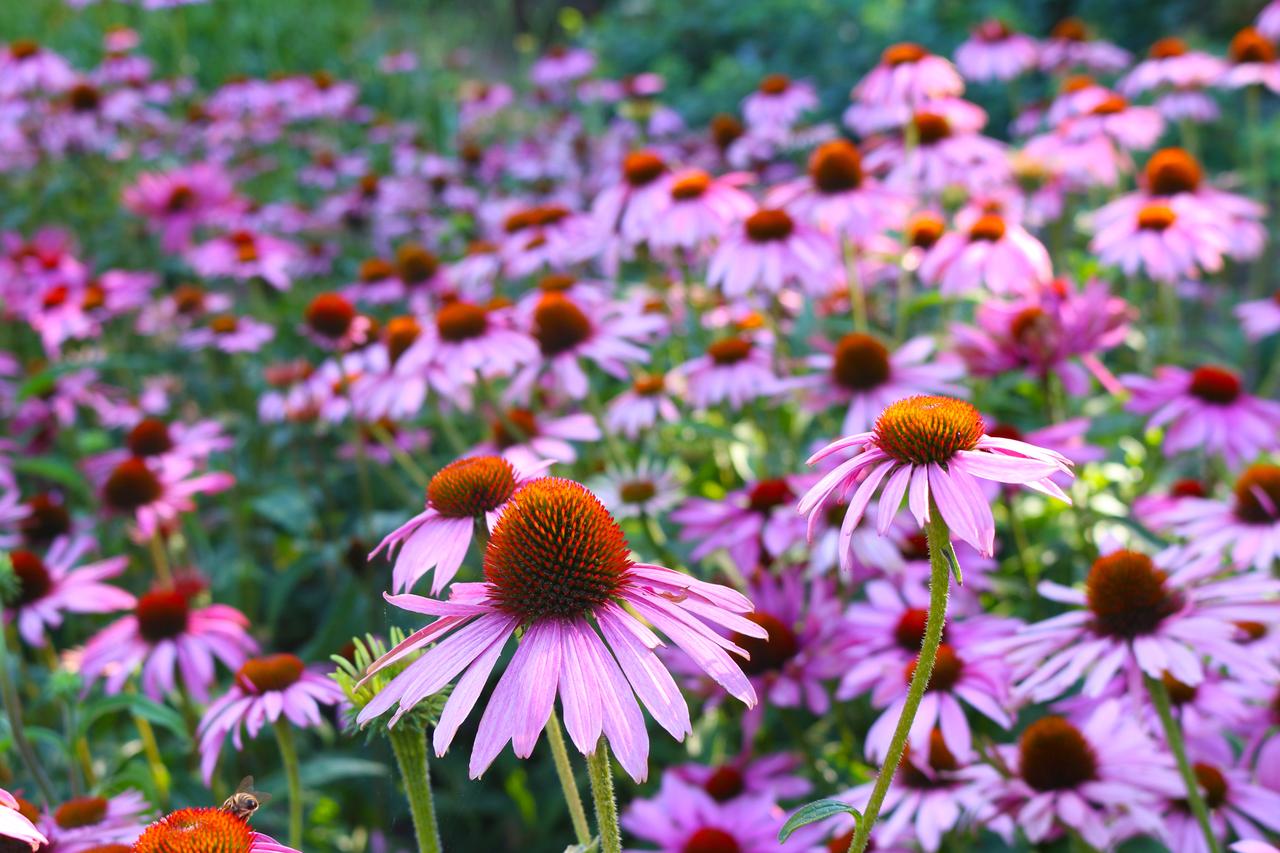
Among the most dependable summer performers are coneflowers (Echinacea), which continue producing abundant blooms even during extended hot spells.
Black-eyed Susans (Rudbeckia) are another hardy option, while blanket flowers (Gaillardia) stand out for their vibrant red, orange, and yellow blossoms and their ability to tolerate intense heat.
Zinnias also thrive in sunny conditions and are valued for their colorful displays, although gardeners in humid climates should watch for powdery mildew.
Lantanas provide long-lasting displays of colorful blooms from late spring until frost and attract bees, butterflies, and hummingbirds, making them a favorite among both gardeners and pollinators.

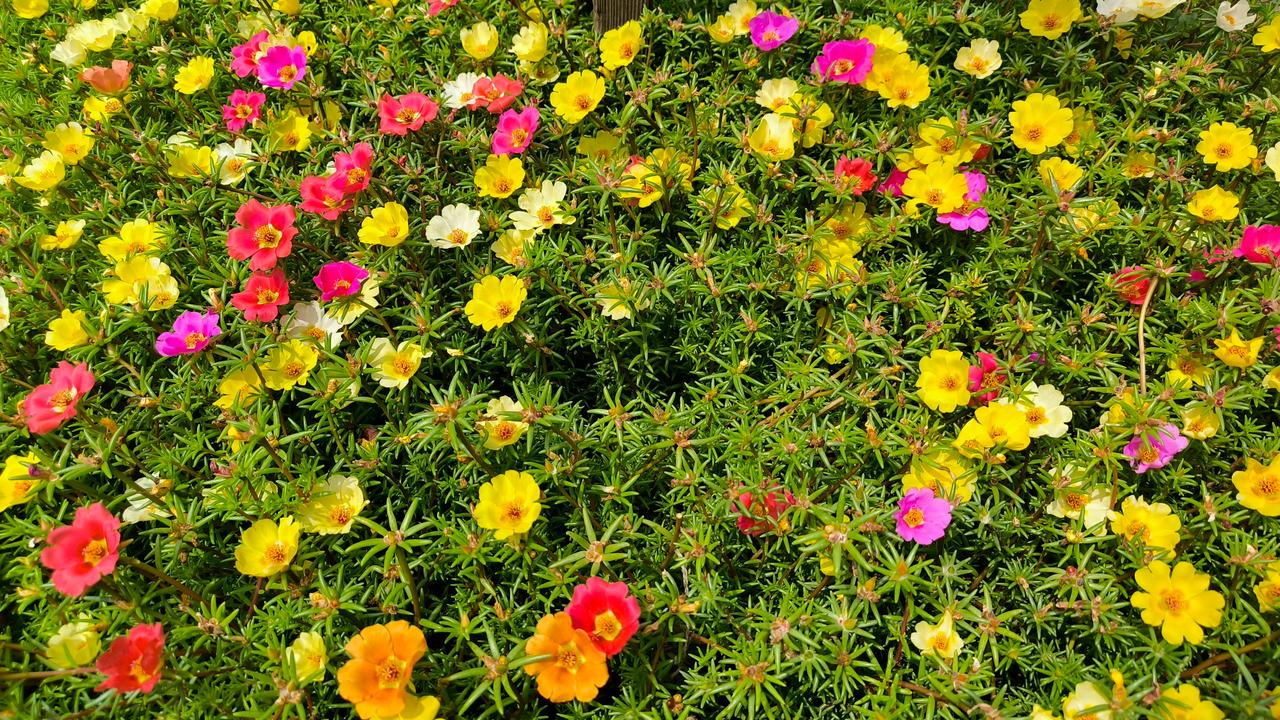
For gardeners seeking low-maintenance options, succulents offer excellent drought resistance. Moss rose (Portulaca) stores water in its leaves and produces small flowers in a variety of colors, while prickly pear cactus (Opuntia), stonecrop (Sedum), and ice plant (Delosperma) can also withstand hot, dry conditions.
Several other flowering plants continue to perform well during summer heat.
Certain petunia varieties, including Supertunia, Tidal Wave, and Laura Bush types, are especially resilient, while petchoas, a hybrid of petunias and calibrachoas, can resist scorching temperatures.
Cosmos remains a reliable choice, producing delicate, daisy-like blooms in shades of pink, white, orange, yellow, and magenta. Sunflowers, as their name suggests, flourish in full sun and are among the easiest flowers to grow in warm weather.
Marigolds round out the list with their dependable performance and wide range of sizes.
While most bloom in shades of orange, yellow, and copper-red, gardeners can also find ivory-colored varieties such as Kilimanjaro, Sugar & Spice, and Moonlight.


 Set as preferred source
 Set as preferred source



 1 min read