Newsletters


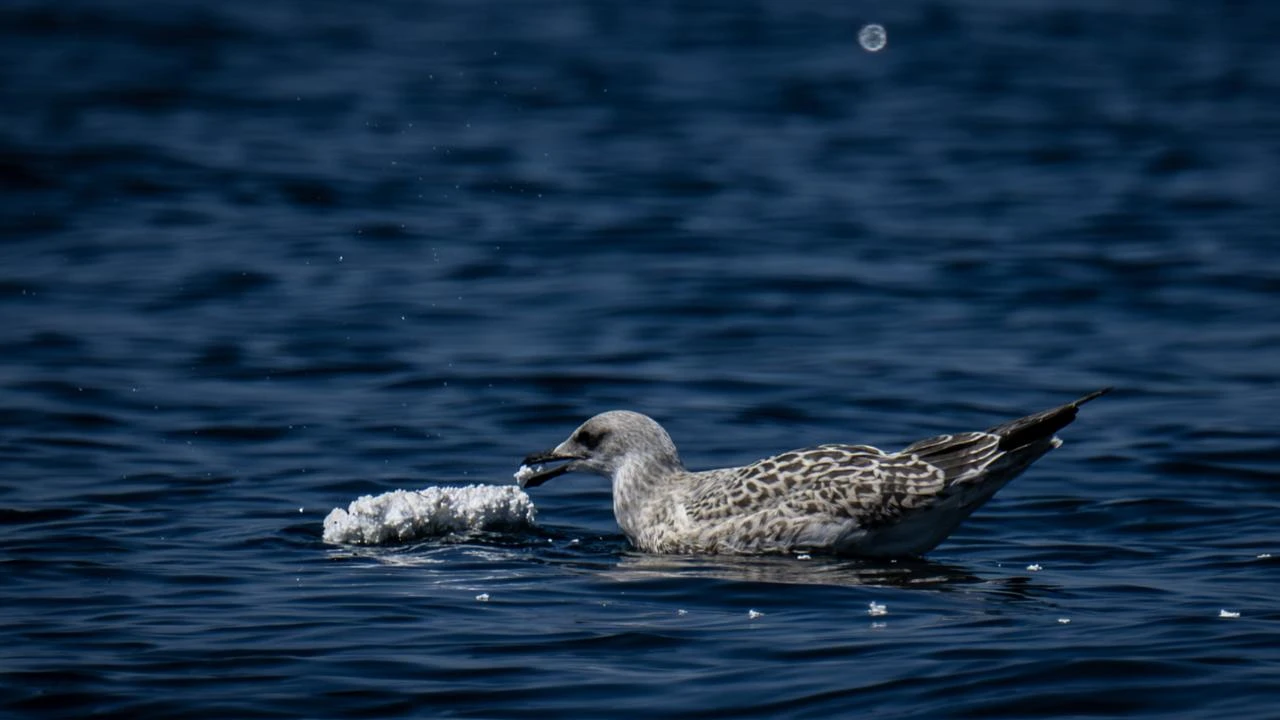
A patrol team from the Marine Life Conservation Association surveys Rabbit Island, a strictly protected marine zone off Istanbul's Princes' Islands, when footage captures something unsettling: gulls swallowing fragments of styrofoam mistaken for food.
The encounter exposes a hidden threat facing seabirds across the Sea of Marmara, one researchers say plastic pollution makes increasingly common.
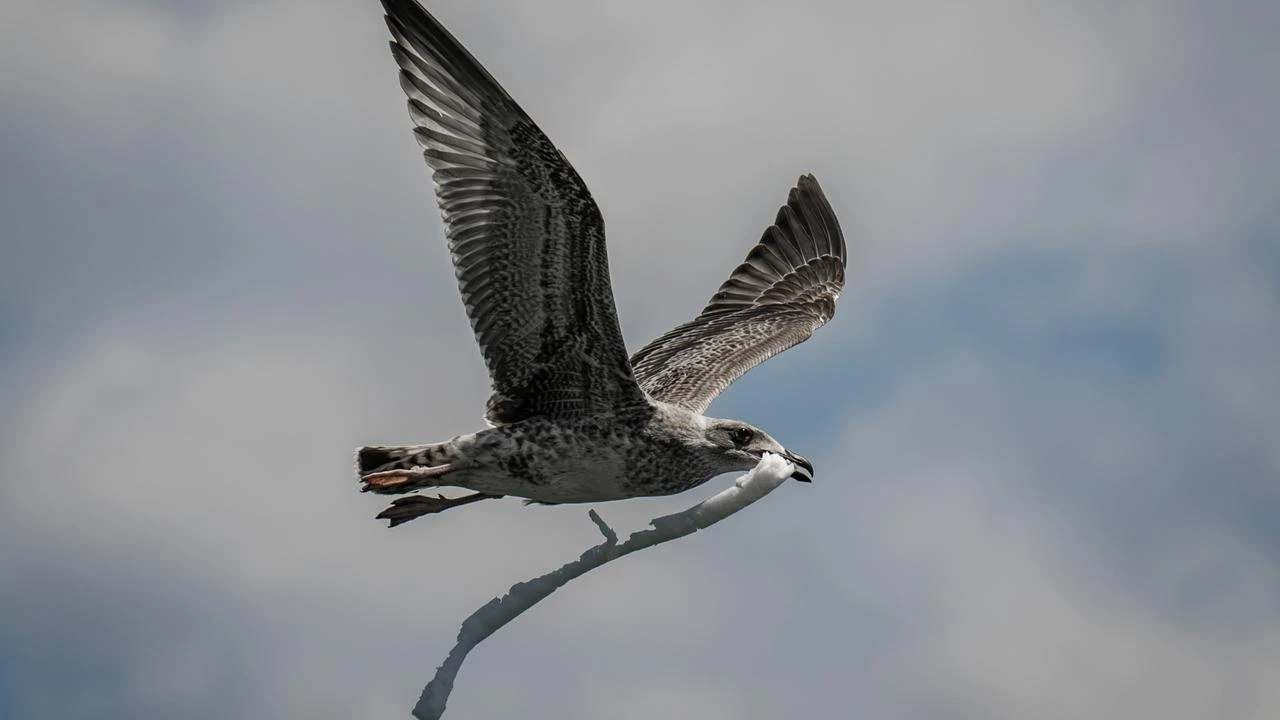
The object resembles food, but it is a piece of styrofoam, one of many synthetic materials the conservation team encounters during patrols in the Sea of Marmara and its surrounding islands.
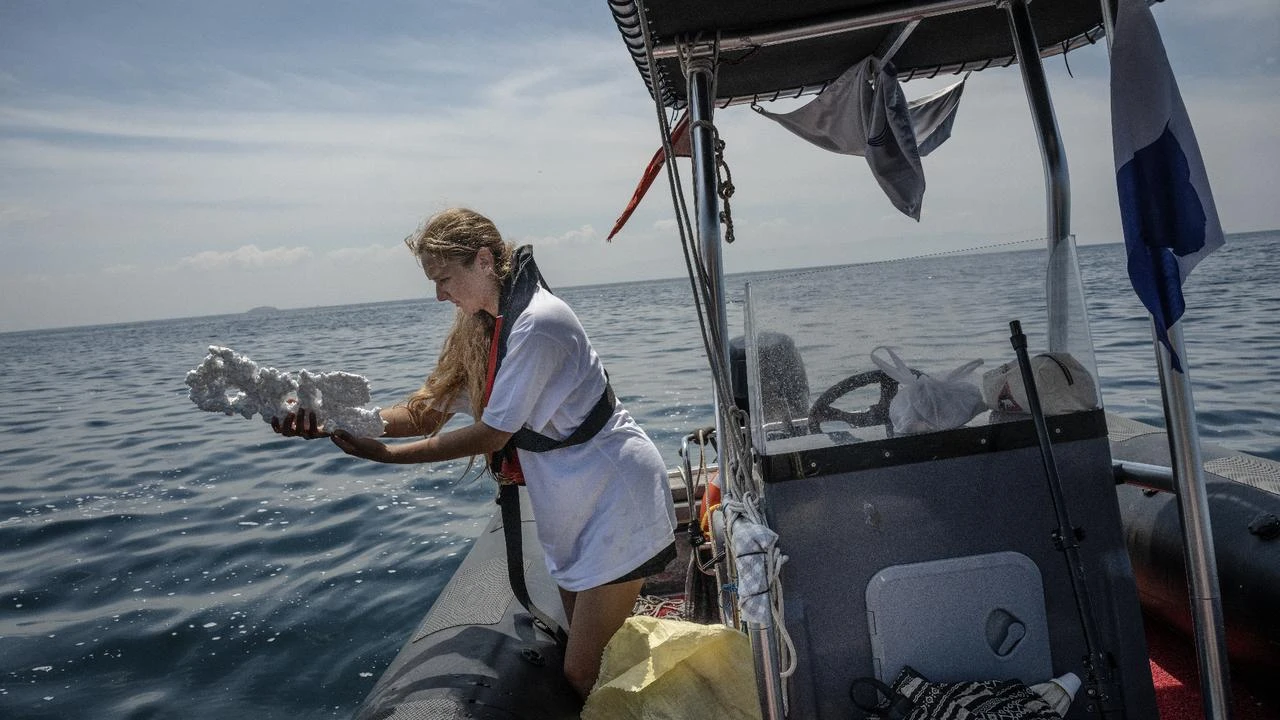
Researchers on the patrol boat observe the behavior closely, recognizing a pattern they say has become disturbingly familiar during years of fieldwork in the region.
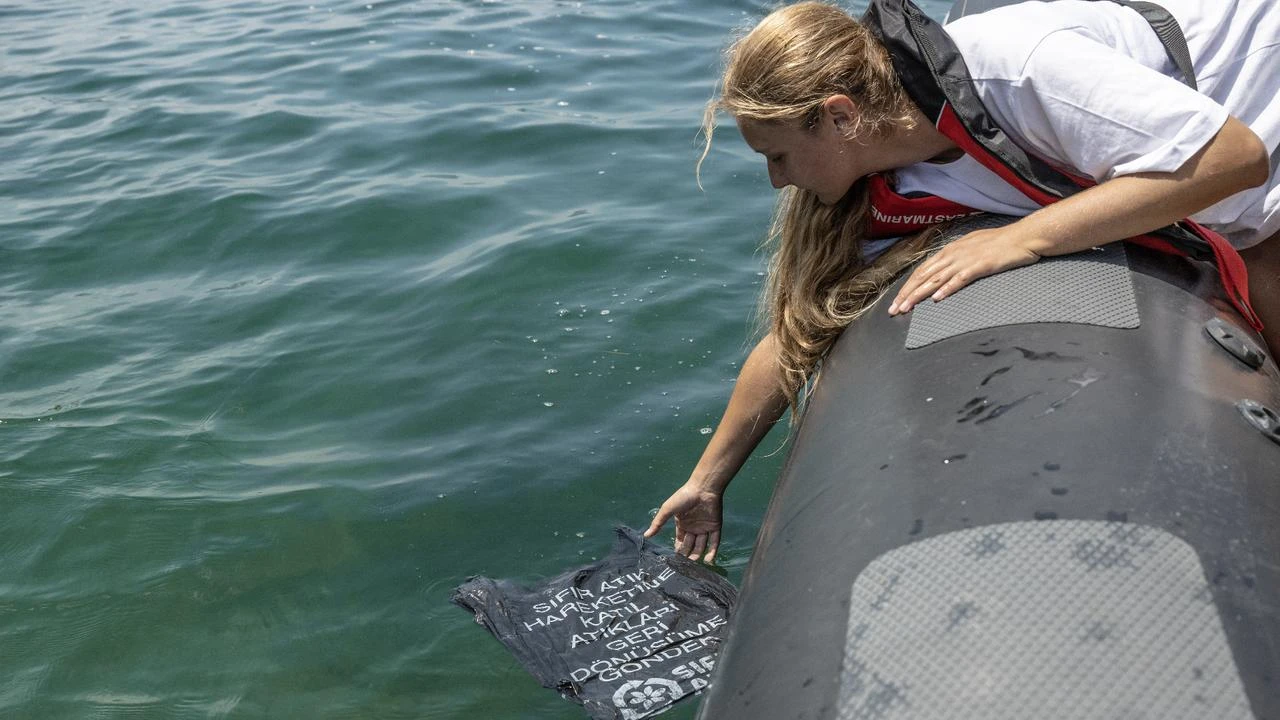
The bird begins moving toward the Princes' Islands, still holding the fragment before eventually releasing it back into the sea.
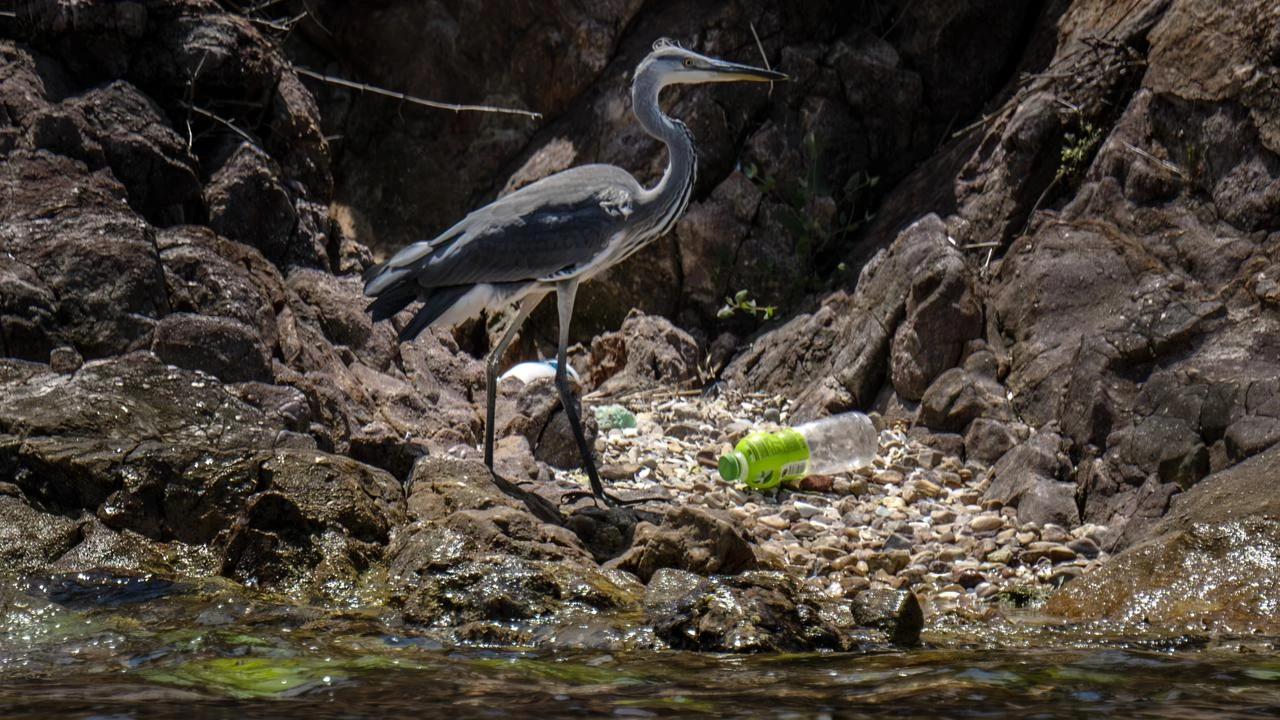
He notes that foam objects are frequently mistaken for food by seabirds, placing the material directly into their digestive systems.
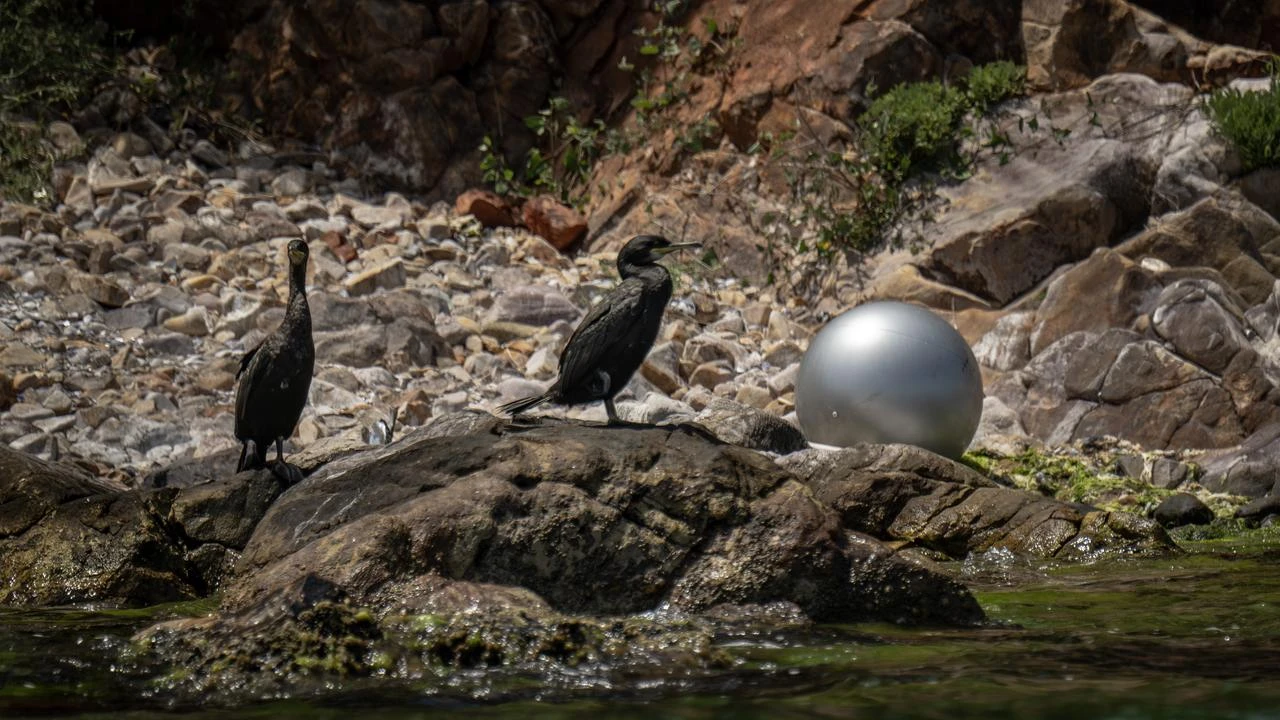
Kayatas describes similar single-use waste, including bottles, napkins, wet wipes and balloons, as common finds during the group's patrols, which run at least five days a week.
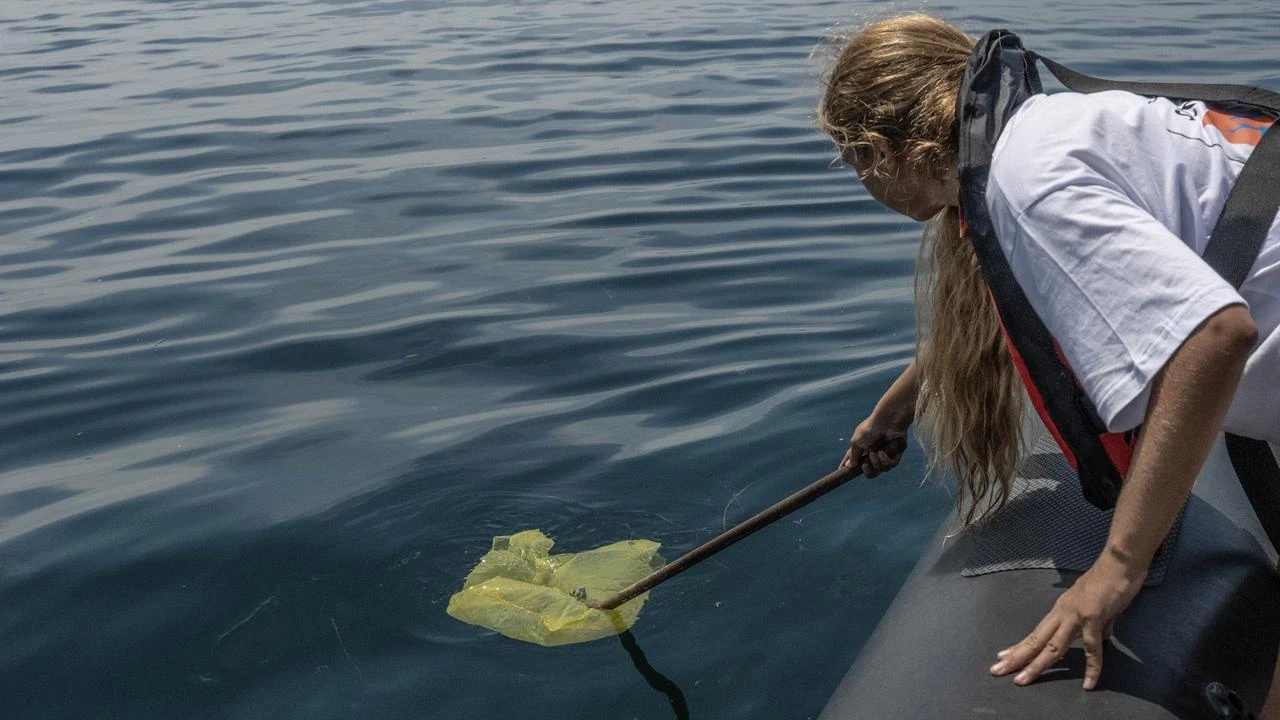
Kayatas warns that plastic waste breaks down into microplastics that can enter the marine food chain and eventually affect human health, while also posing risks of entanglement and suffocation for marine life.
He says the observed incident reflects a broader problem and calls for greater public awareness to help reduce pollution at its source.


 Set as preferred source

 6 min read