Newsletters


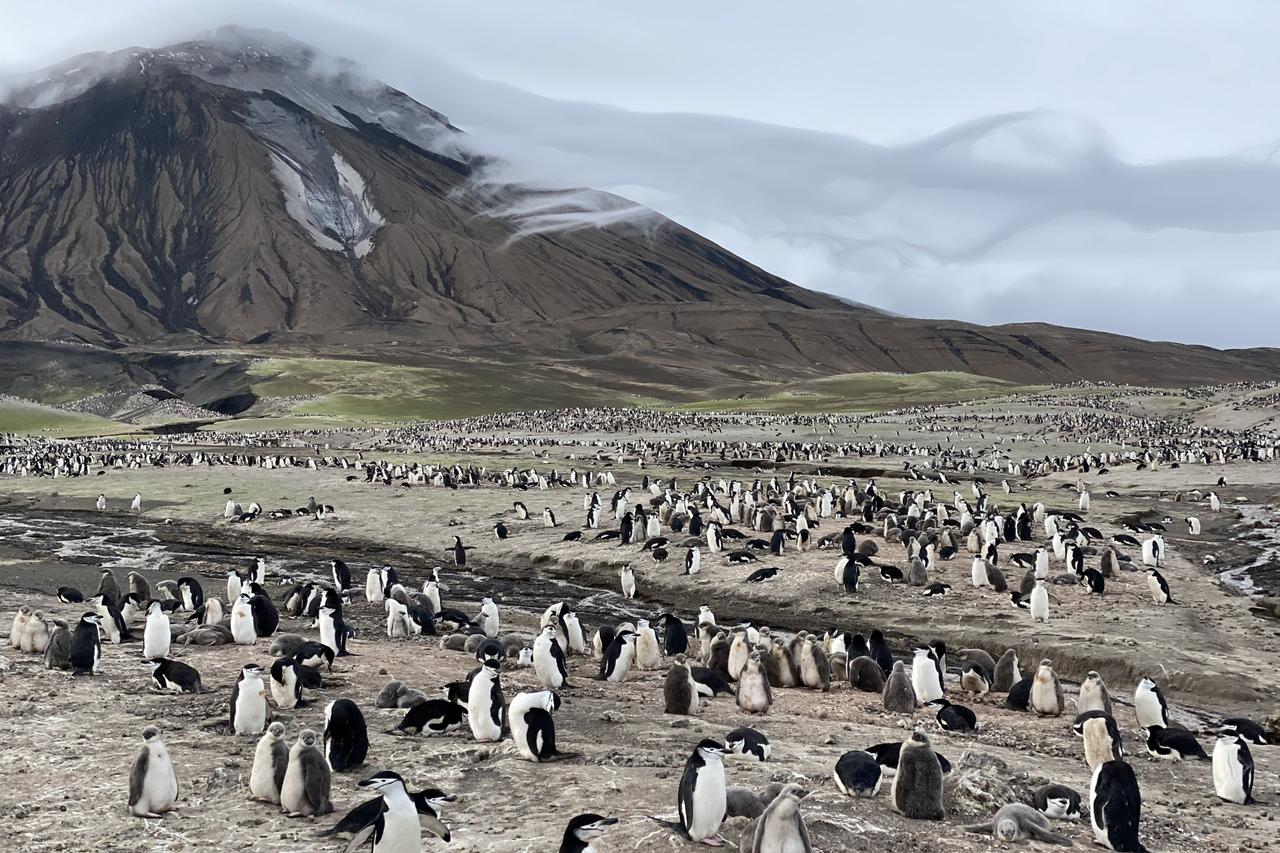


The world's largest penguin colony has lost nearly two-thirds of its population over 14 years, with researchers linking the decline to climate-driven changes in the Southern Ocean that have affected the availability of its main food source.
A study led by the British Antarctic Survey (BAS) found that the chinstrap penguin population on Zavodovski Island, part of the remote South Sandwich Islands near Antarctica, fell by 63% between 2011 and 2025.
The colony's population dropped from approximately 1.09 million breeding penguins to 402,000, representing a loss of more than 680,000 individuals.
To assess the decline, researchers combined drone surveys, aerial photography, satellite observations and tracking devices attached to penguins, allowing them to examine changes in the colony and identify where the birds search for food.
Their findings linked the population losses to climate-driven changes in the Southern Ocean that have affected Antarctic krill, small marine crustaceans that make up most of the chinstrap penguins' diet.
Norman Ratcliffe, a penguin ecologist at BAS who led the research, explained that tracking data showed the birds preferred feeding in cooler waters northwest of Zavodovski Island, where they would normally expect to find krill.
The findings have also raised concerns about chinstrap penguin populations across the wider South Sandwich Islands, which support a significant proportion of the species' global population.
Researchers suggested that the speed and scale of the decline could provide grounds for reassessing the chinstrap penguin's conservation status.
The species is currently classified as "Least Concern" by the International Union for Conservation of Nature (IUCN), a designation indicating that it is not currently considered threatened with extinction under the organization's assessment system.


 Set as preferred source
 Set as preferred source



 4 min read