Newsletters


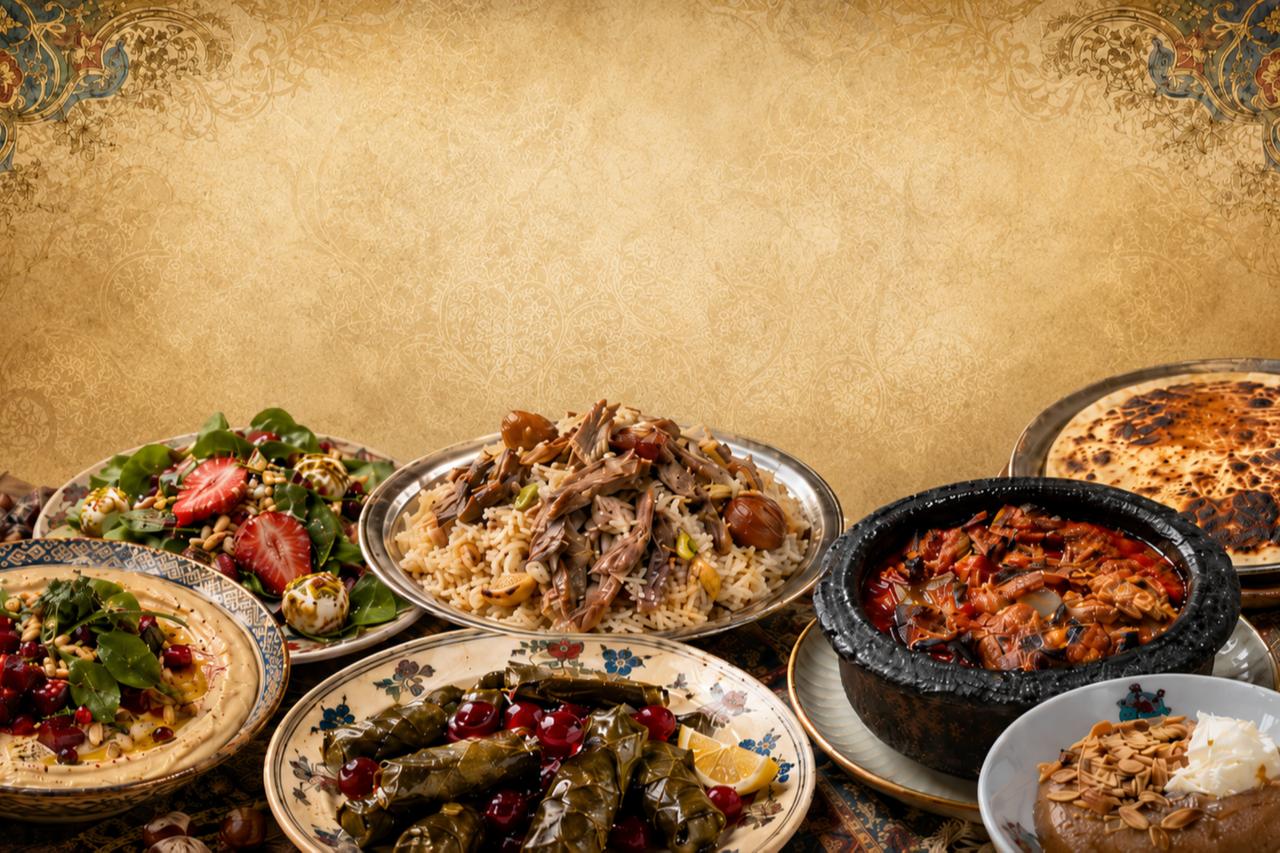


Chef Gurkan Kaya brought together a special Bursa-focused tasting menu at his restaurant for the Türkiye Culture Route Festival, presenting the city’s local food culture through shared starters, regional baked dishes, slow-cooked stews, palace-style pilaf, traditional desserts and reyhan sherbet.
The menu was introduced under the title “Bir Sofrada Bursa,” meaning “Bursa at One Table,” and was prepared as a special flavor selection for the festival. Hosted by the chef's restaurant, the ensemble offered a compact answer to a question many visitors ask when they arrive in the city: What should we eat in Bursa?
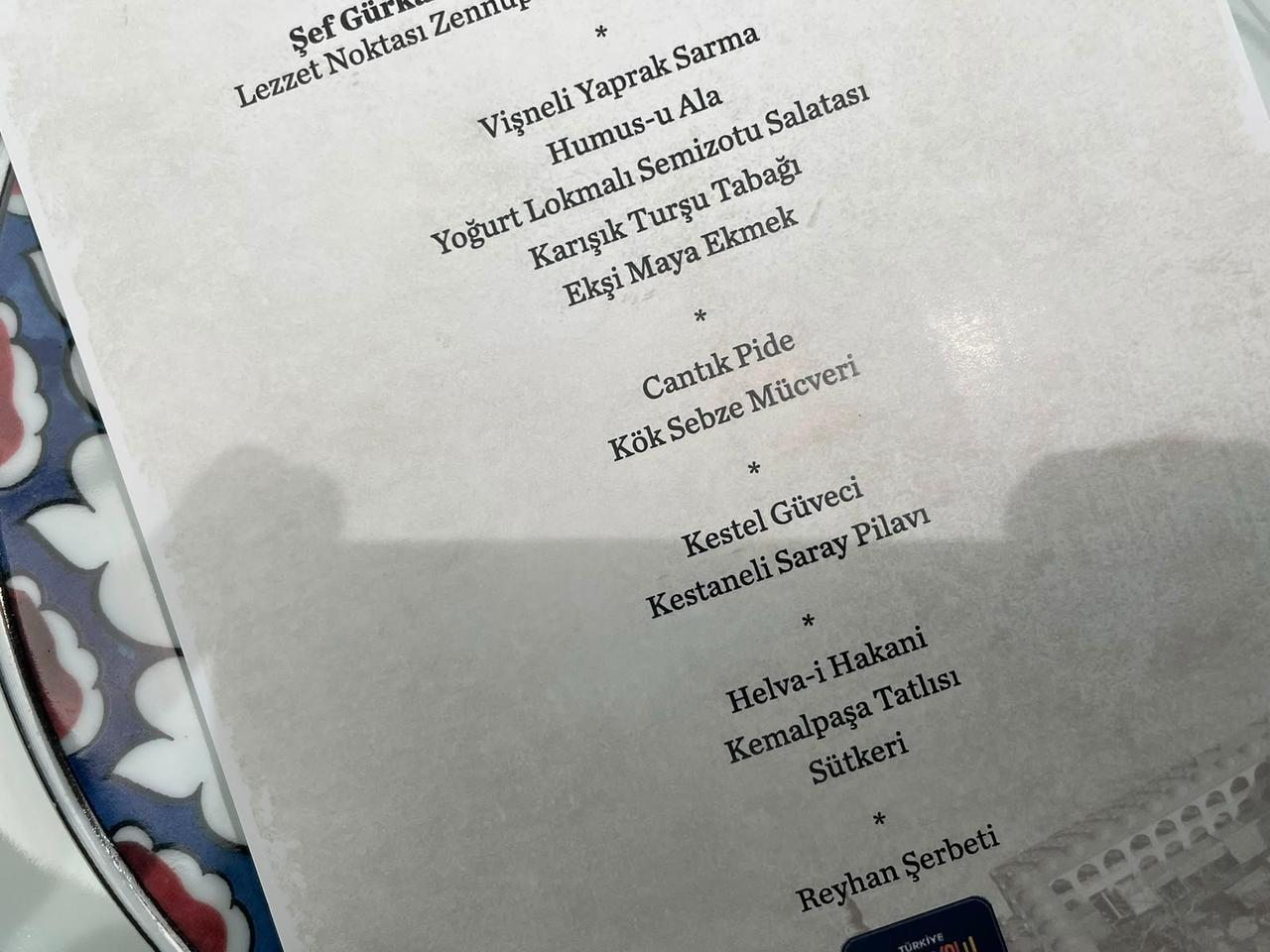

The special selection was presented as a "Taste Point," a term used to describe a dining stop that highlights local and traditional food as part of the wider festival experience.
Rather than focusing on a single famous dish, the menu laid out Bursa’s food culture through several courses. It moved from cold starters and pickles to pide, fritters, stew, pilaf, desserts and a traditional drink, allowing guests to follow the city’s flavors in one sitting.
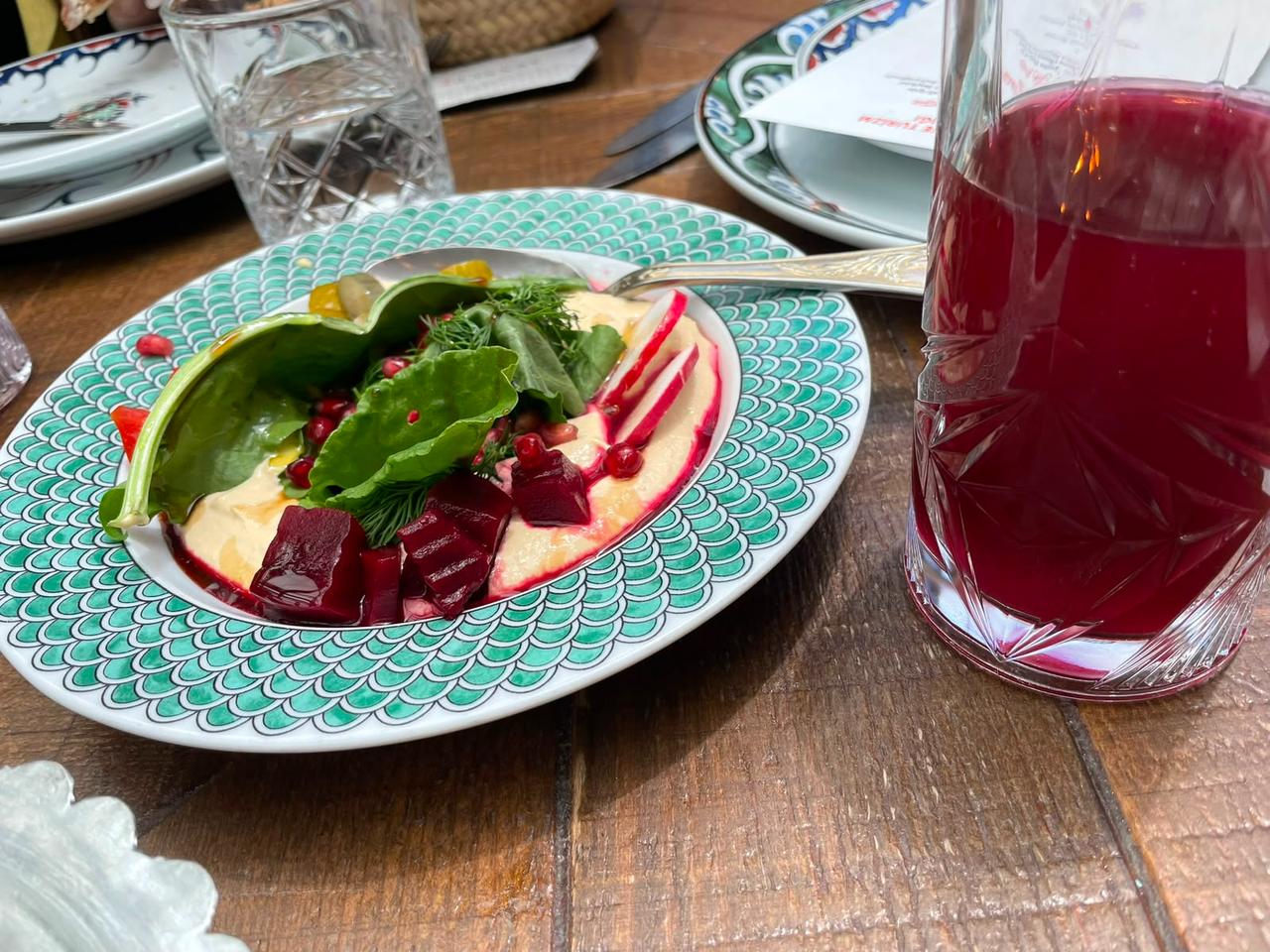
The first part of the menu brought together lighter dishes that introduced the meal with tanginess, herbs and texture.
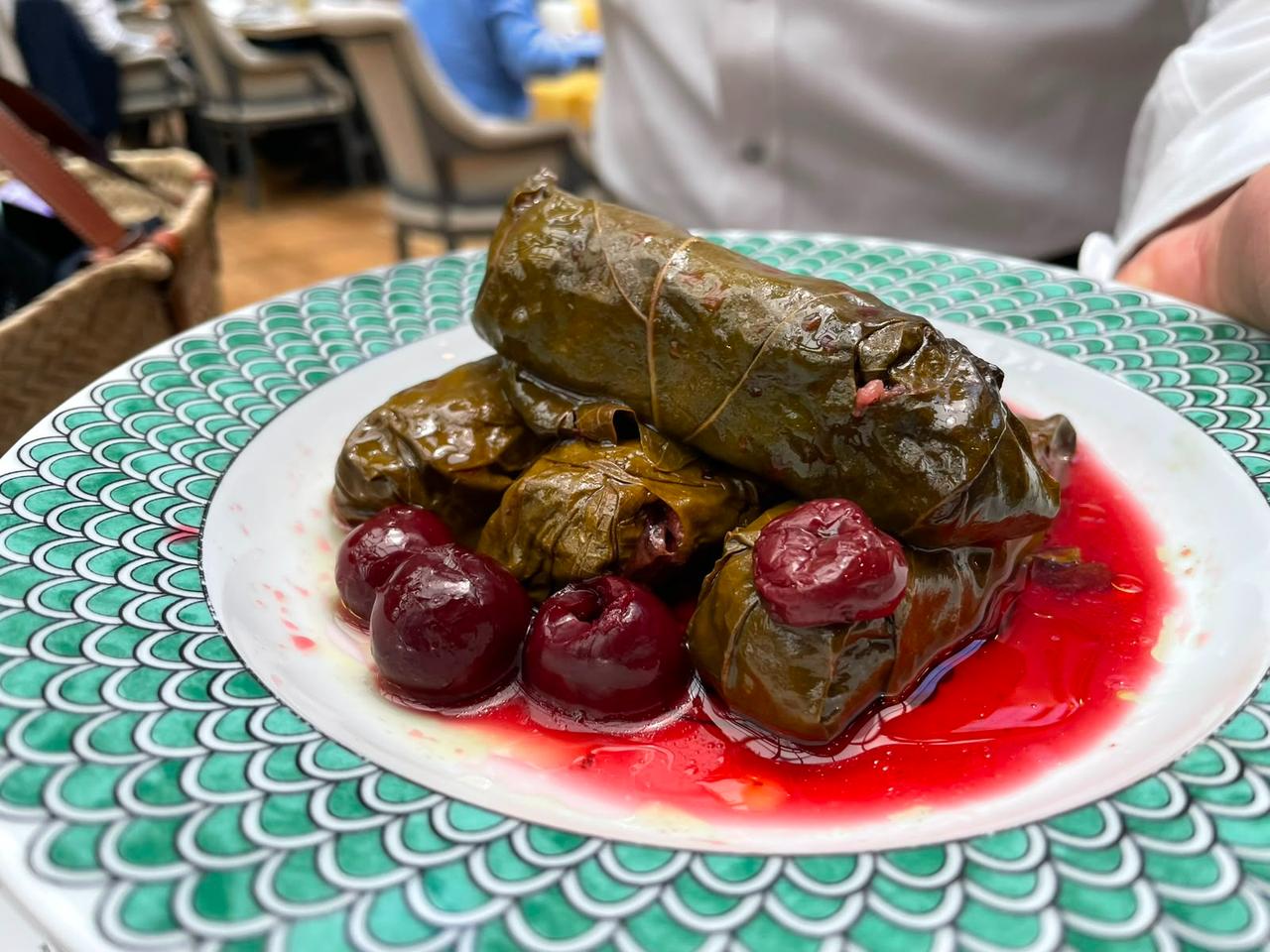
Visneli yaprak sarma, or stuffed vine leaves served with sour cherry, appeared alongside Humus-u Ala, a refined hummus-style dish.
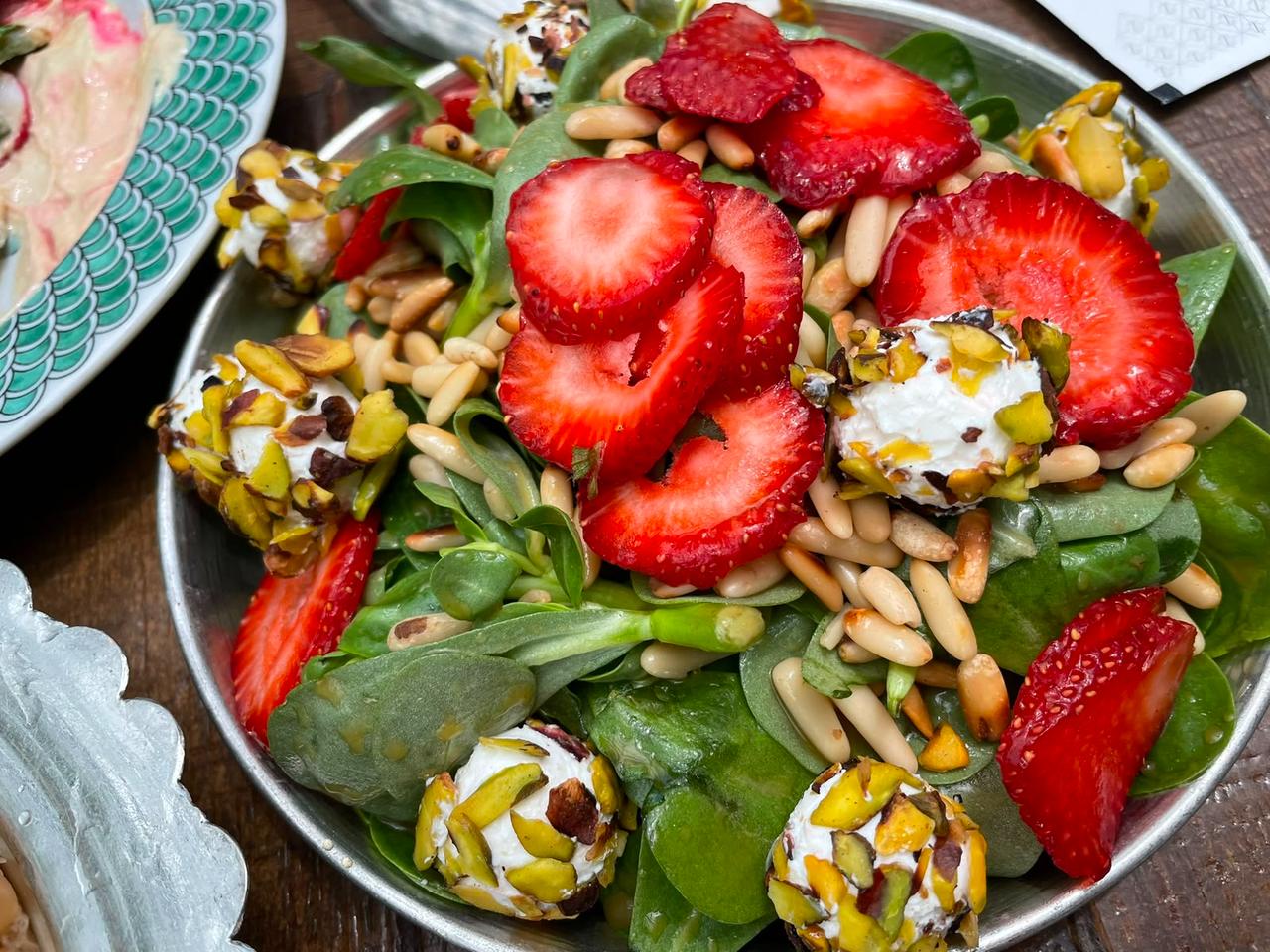
The menu also included a purslane salad served with yogurt bites. The purslane, which brought the crunch of leafy greens to the dish, is used widely in regional salads, while yogurt gave the dish a cool and creamy base.
Mixed pickles and sourdough bread completed the opening section. The pickles added a sharp note to the table, while the bread served as a simple companion to the spreads, salads and yogurt-based dishes.
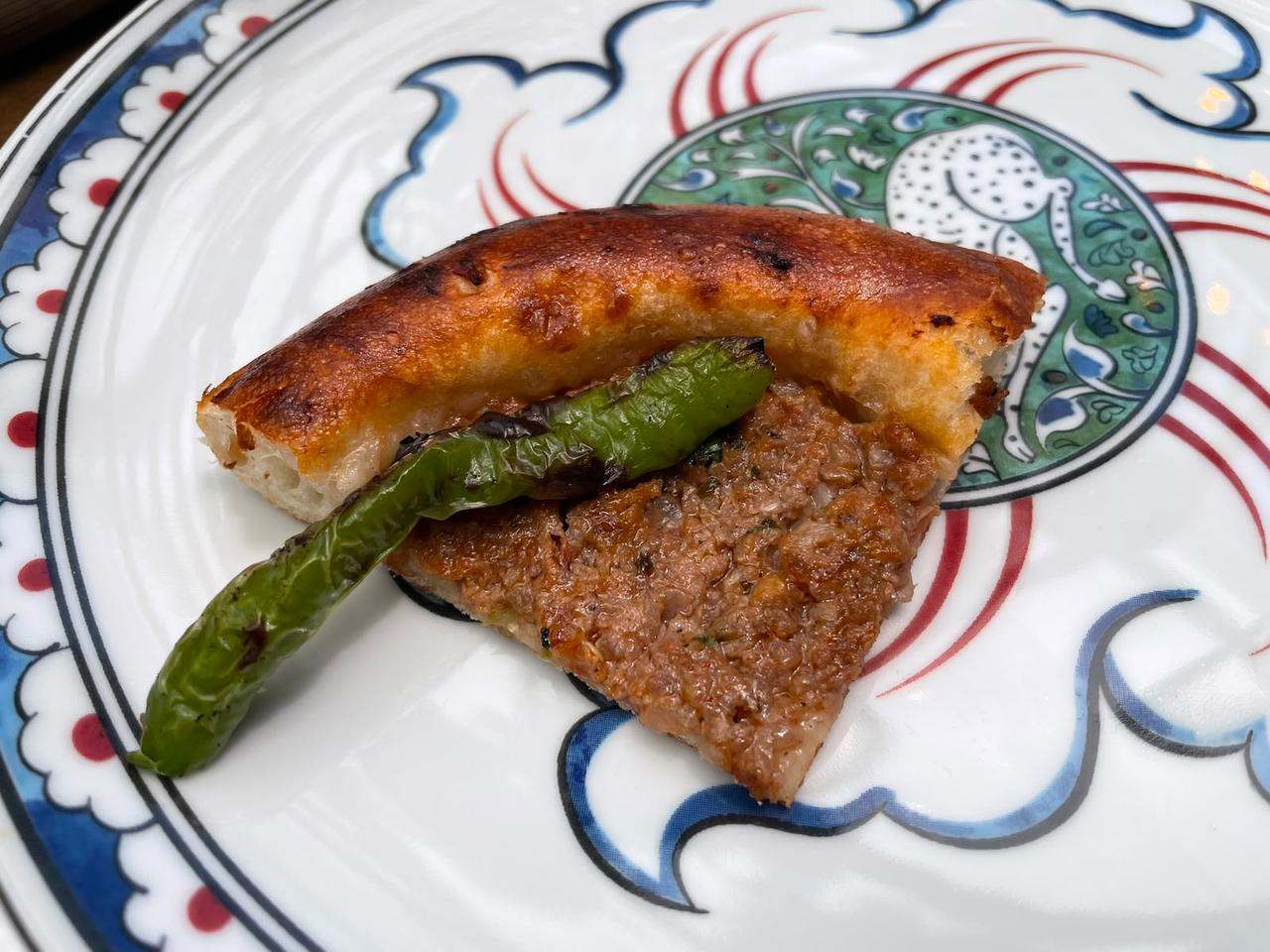
After the starters, the menu shifted to warm regional plates with Cantik pide and kok sebze mucveri.
Cantik pide is a Bursa-style baked pide, a flatbread dish that is filled and cooked until crisp and golden. Pide is often described to international readers as a Turkish variant of pizza, though its regional versions vary in shape, filling and preparation.
Kok sebze mucveri, or root vegetable fritters, added another layer to the menu. Mucver is a fritter-style dish generally made with vegetables, and in this selection it was served with root vegetables.
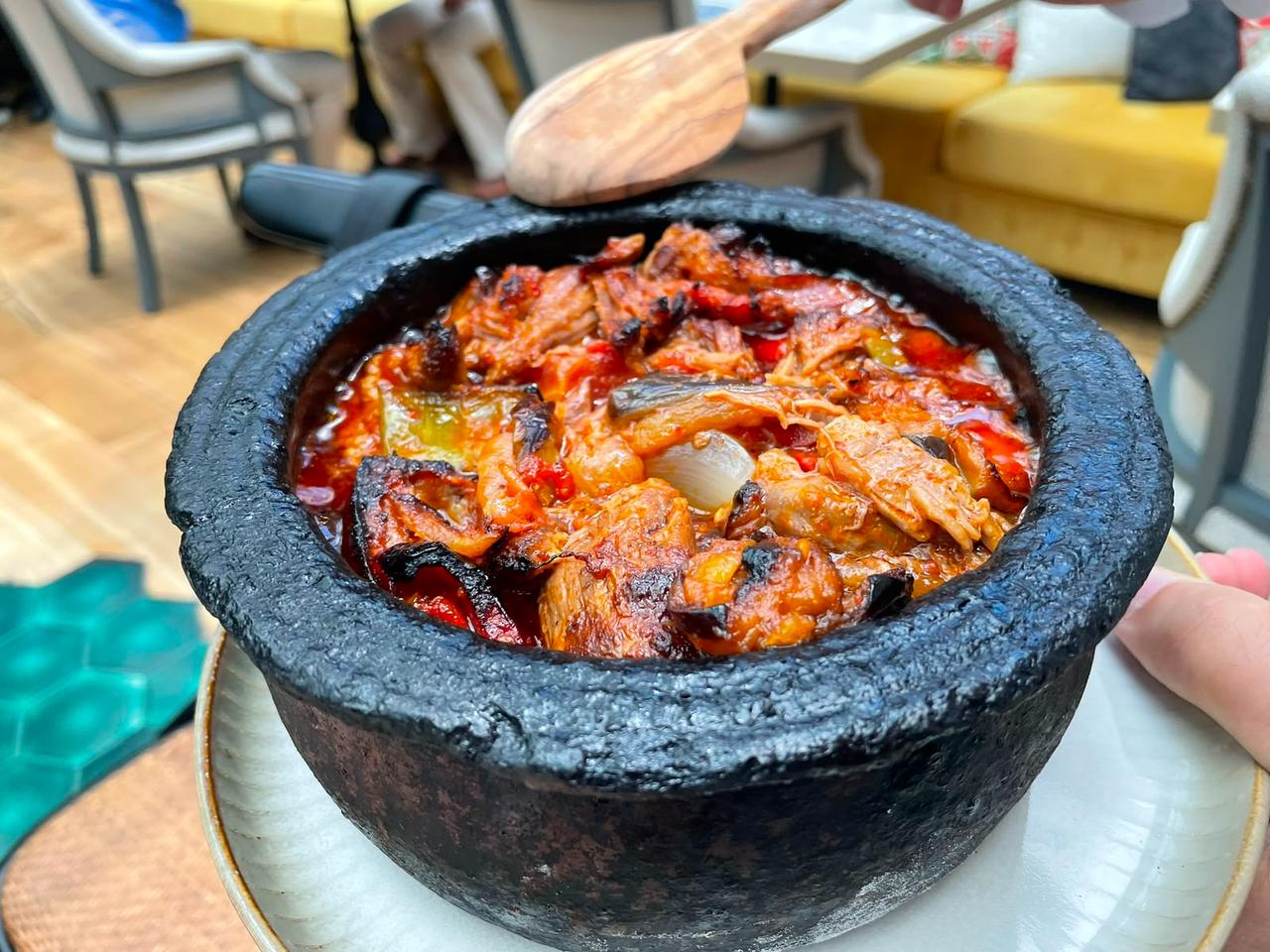
The main part of the menu centered on Kestel guveci and kestaneli saray pilav. Guvec refers to a stew-style dish, often associated with slow cooking and a clay or casserole-style serving tradition, while Kestel is the regional reference for the dish.
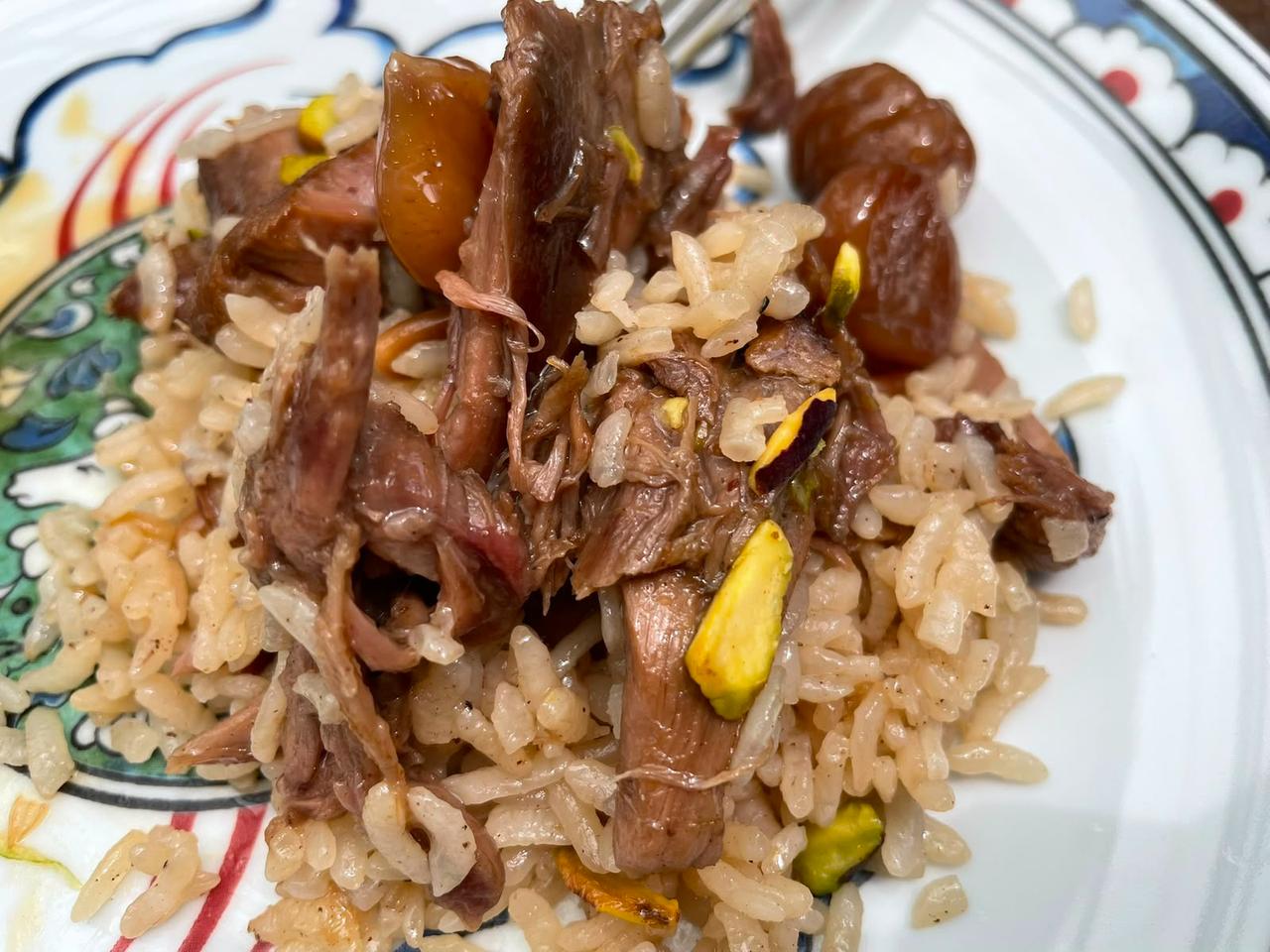
The chestnut palace pilaf, listed on the menu as kestaneli saray pilav, brought rice and chestnuts together in a richer course. In the Bursa-focused selection, the dish stood out as one of the clearest links between local ingredients and Ottoman-style dining traditions.
Together, the stew and the pilaf formed the heart of the meal, moving the table from small shared plates into a more substantial regional service.
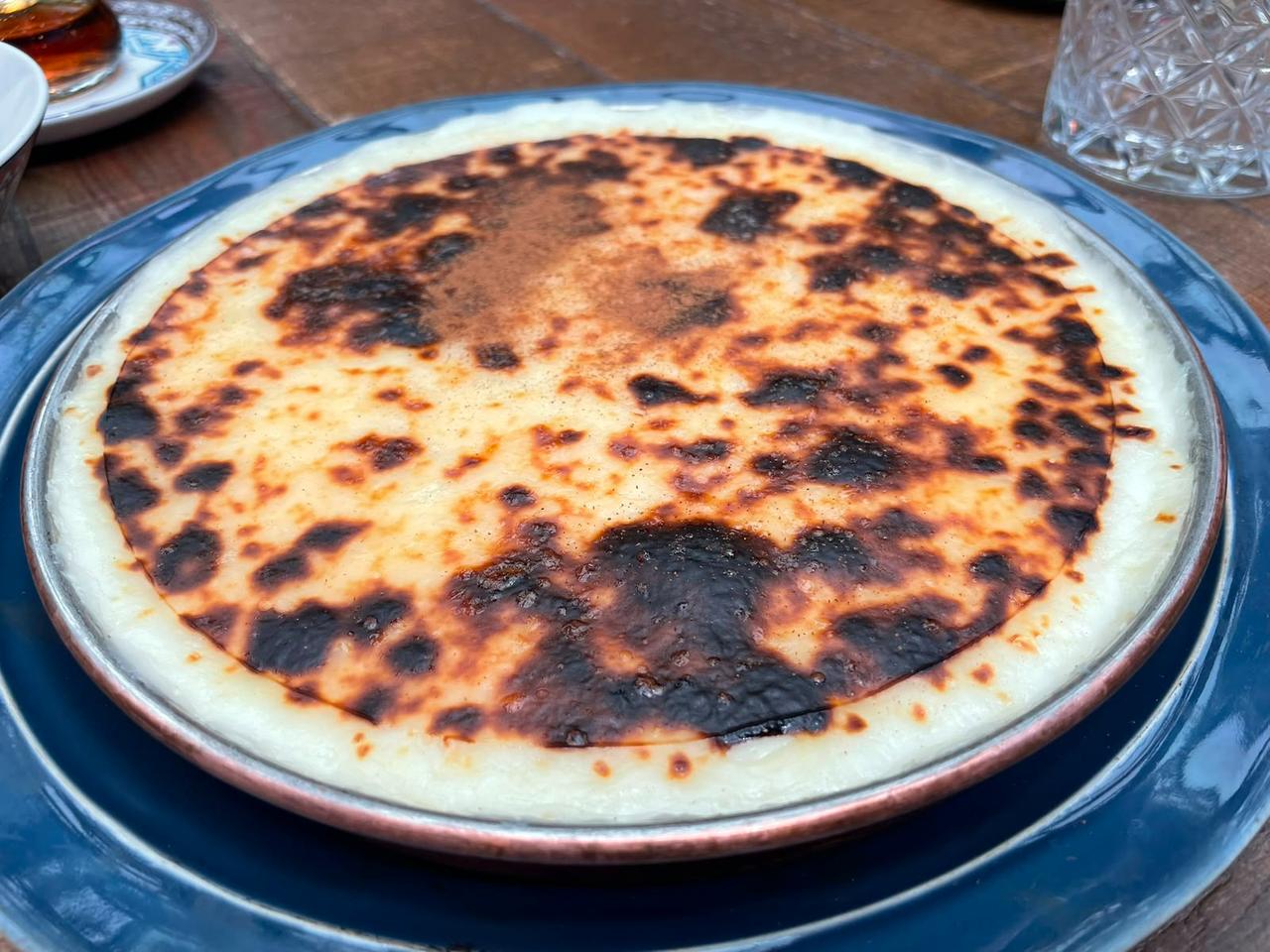
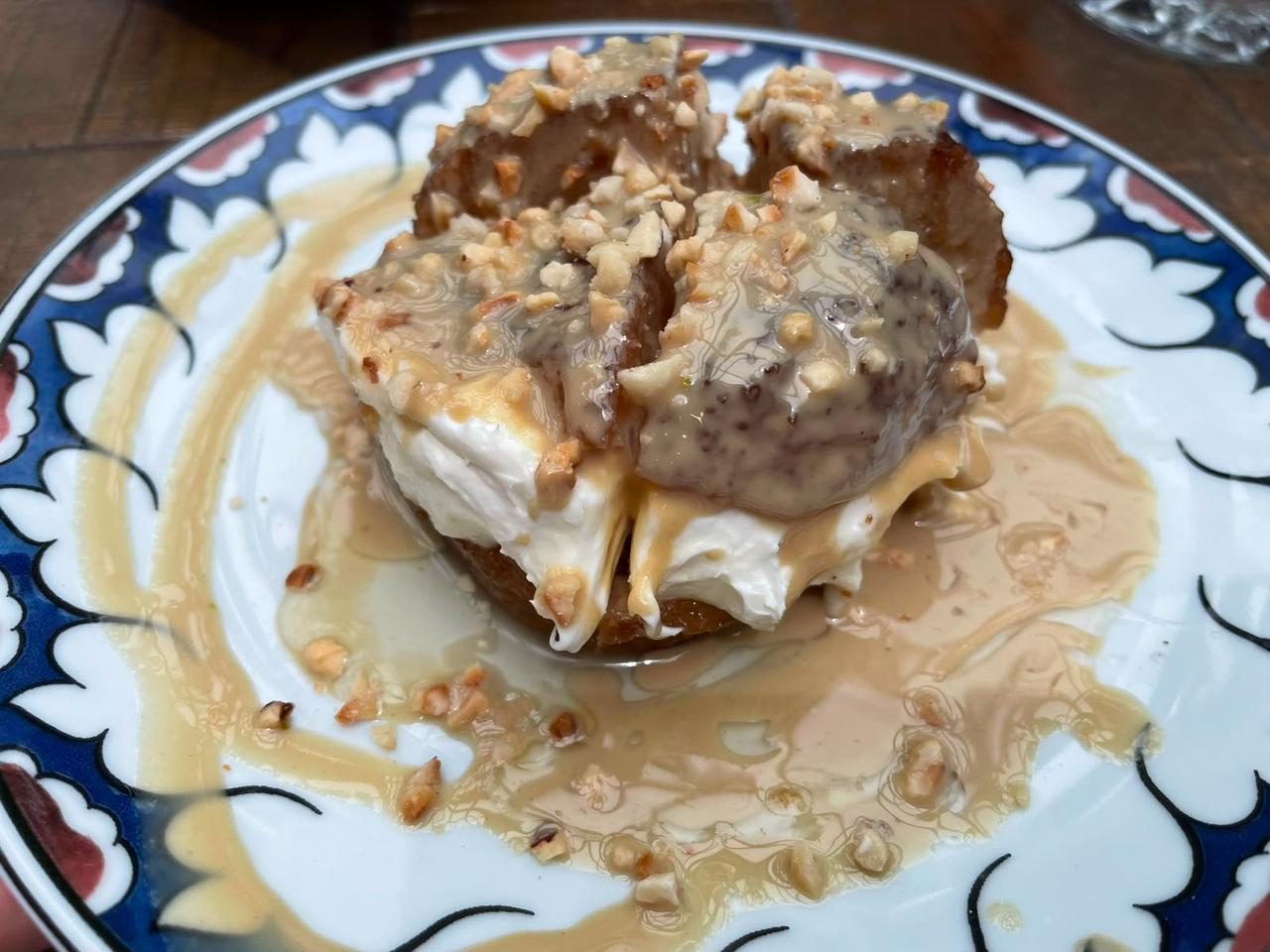
The dessert section included Helva-i Hakani, Kemalpasa tatlisi and sutkeri.
Kemalpasa tatlisi is a syrup-based dessert strongly associated with Bursa and its surroundings.
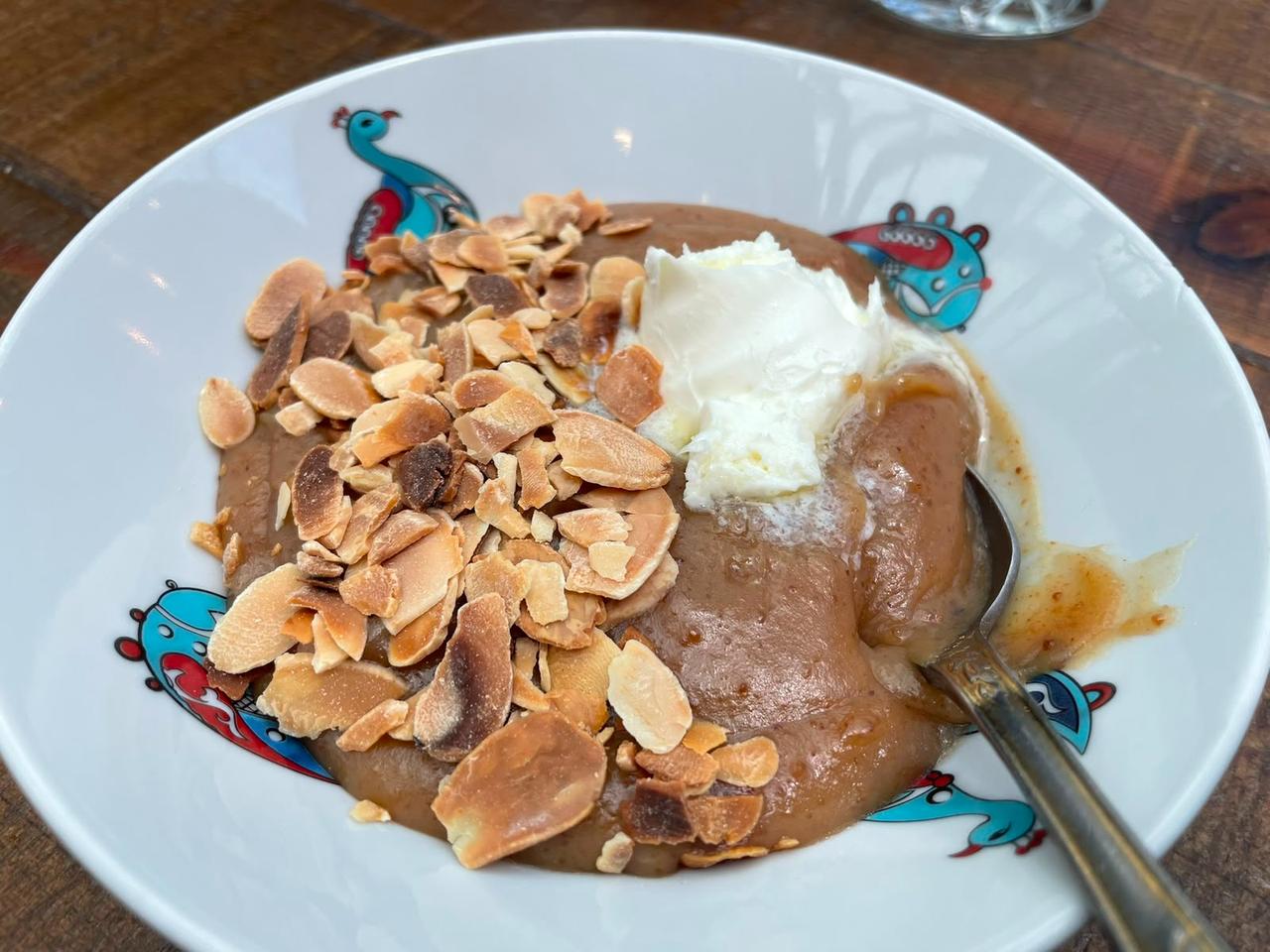
Helva-i Hakani, meanwhile, reflects an older Ottoman dessert tradition, while sutkeri appeared on the menu as a milk-based sweet.
The meal ended with reyhan serbeti, or a traditional sweet drink made of basil and served cold. With its deep red color, the drink visually matched the sour cherry and beetroot tones seen earlier on the table, bringing the menu to a clear finish without moving away from the Bursa theme.
Chef Gurkan Kaya’s selection offered a structured introduction to Bursa cuisine for festival visitors and international guests.
The table brought out well-known regional references such as Cantik pide, Kestel guveci, chestnut pilaf, Kemalpasa dessert and reyhan sherbet, while also including lighter starters, pickles and salad plates that helped frame the meal as a broader local tasting.
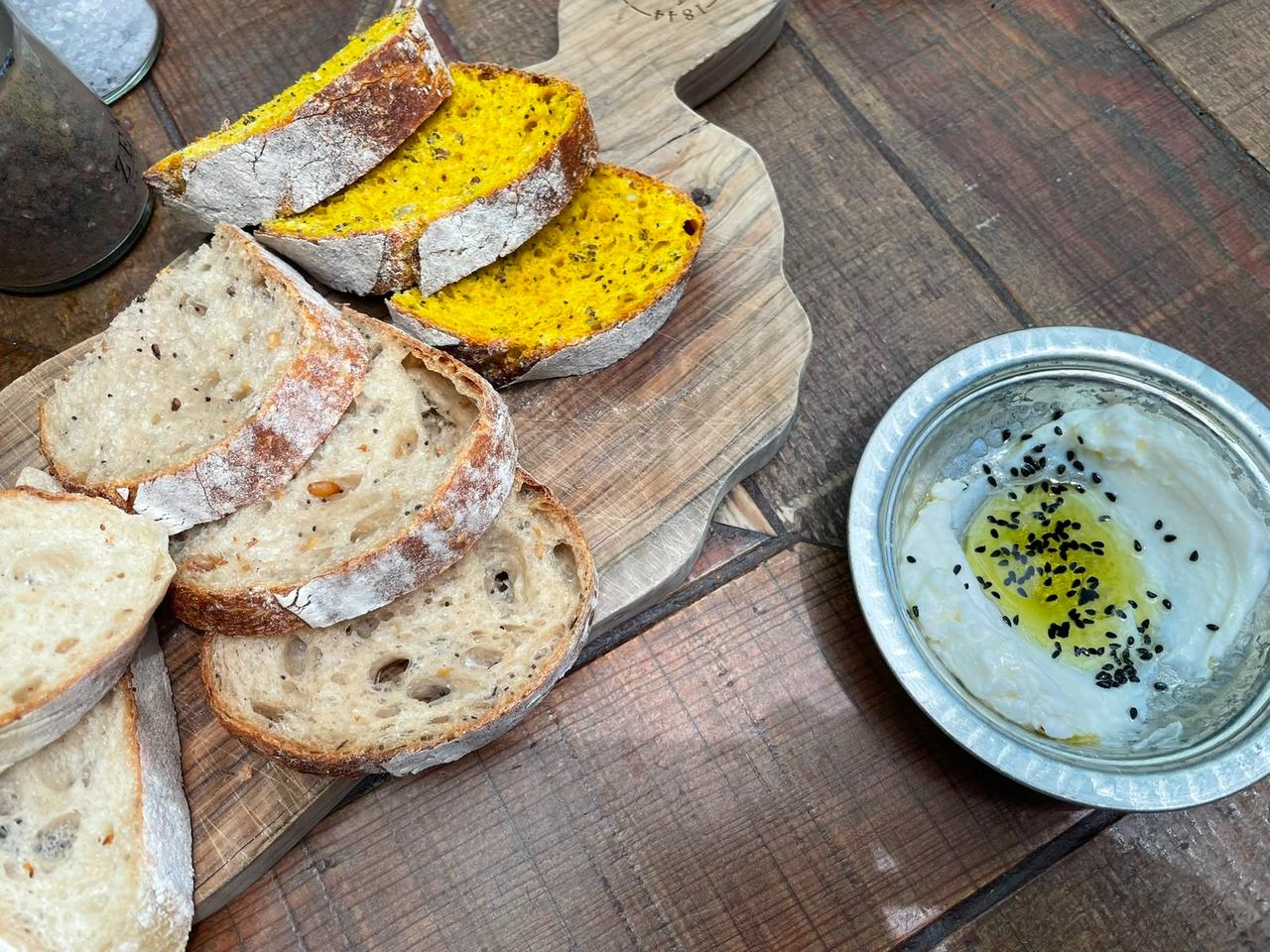
For visitors looking for a concise answer to what to eat in Bursa, the menu presented the city not through one dish, but through a full table built around local ingredients, regional names and traditional serving styles.


 Set as preferred source
 Set as preferred source


 2 min read