Newsletters


As Dec. 31 approaches, expats and visitors planning to spend New Year’s Eve in Türkiye are weighing familiar questions on where public celebrations tend to form, where fireworks are most visible, and whether staying in Istanbul or travelling elsewhere makes more sense.
In Türkiye, New Year’s Eve is shaped less by centrally organised spectacles and more by collective urban habits.
People gather in predictable parts of major cities, public transport runs late into the night, and celebrations unfold organically across streets, squares, waterfronts, and winter resorts.
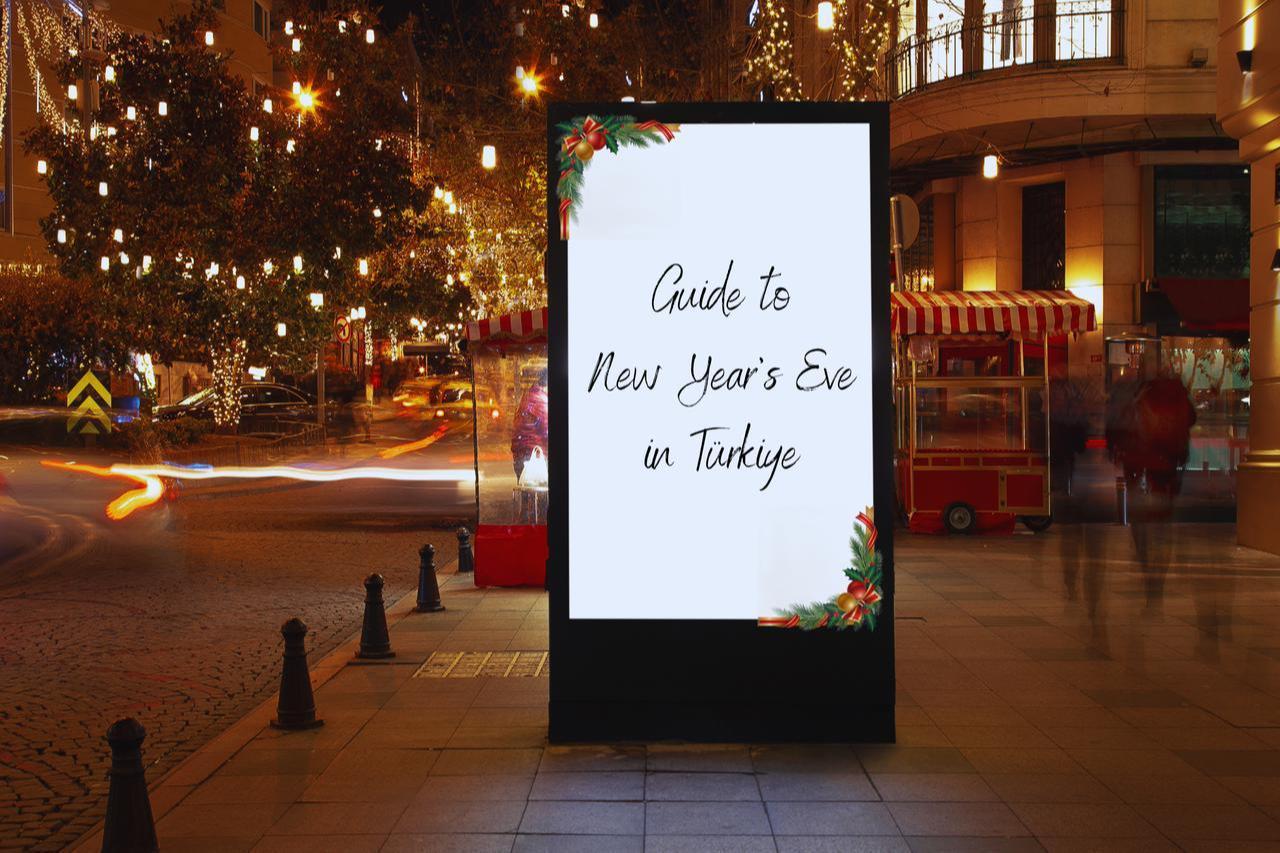

In Istanbul, New Year’s Eve follows a well established spatial rhythm.
Taksim
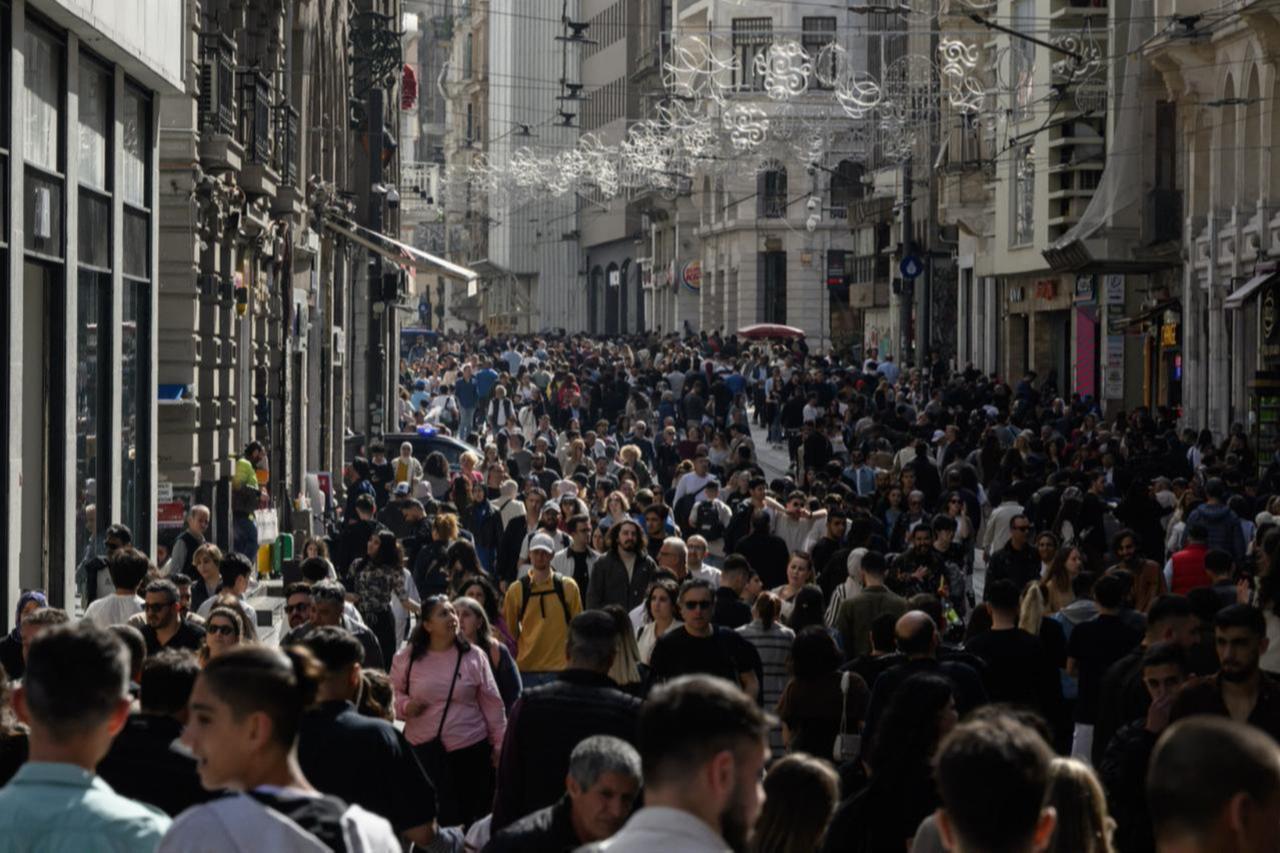
From the early evening onwards, crowds begin moving toward Taksim Square and Istiklal Street, which remain among the city’s most visible focal points. The area fills steadily as midnight approaches, with large pedestrian flows, street celebrations, and fireworks marking the countdown to midnight.
Besiktas and Ortakoy
Along the Bosphorus, Besiktas and Ortakoy attract a different crowd profile. These neighbourhoods combine nightlife, waterfront access, and dense foot traffic, making them natural meeting points for those moving between bars, cafes, and open public areas. Fireworks are common along the shoreline, particularly around midnight.
Kadikoy
On the Asian side, Kadikoy stands out as one of the most active New Year zones in the city. Streets and squares fill with people gathering informally, counting down together, and remaining outdoors well after midnight. The area’s pedestrian friendly layout and nightlife culture contribute to its popularity.
Bagdat Avenue
Further east, Bagdat Avenue has become another symbolic New Year destination. The long avenue regularly draws large crowds, with people gathering along the street for fireworks, confetti, and informal celebrations stretching across several neighbourhoods.
Nisantasi
Nisantasi also emerges each year as a central gathering point, particularly around its main streets and intersections, where people congregate outdoors to mark the arrival of the new year.
Across these districts, New Year’s Eve typically brings road restrictions, heavy pedestrian congestion, and a visible security presence.
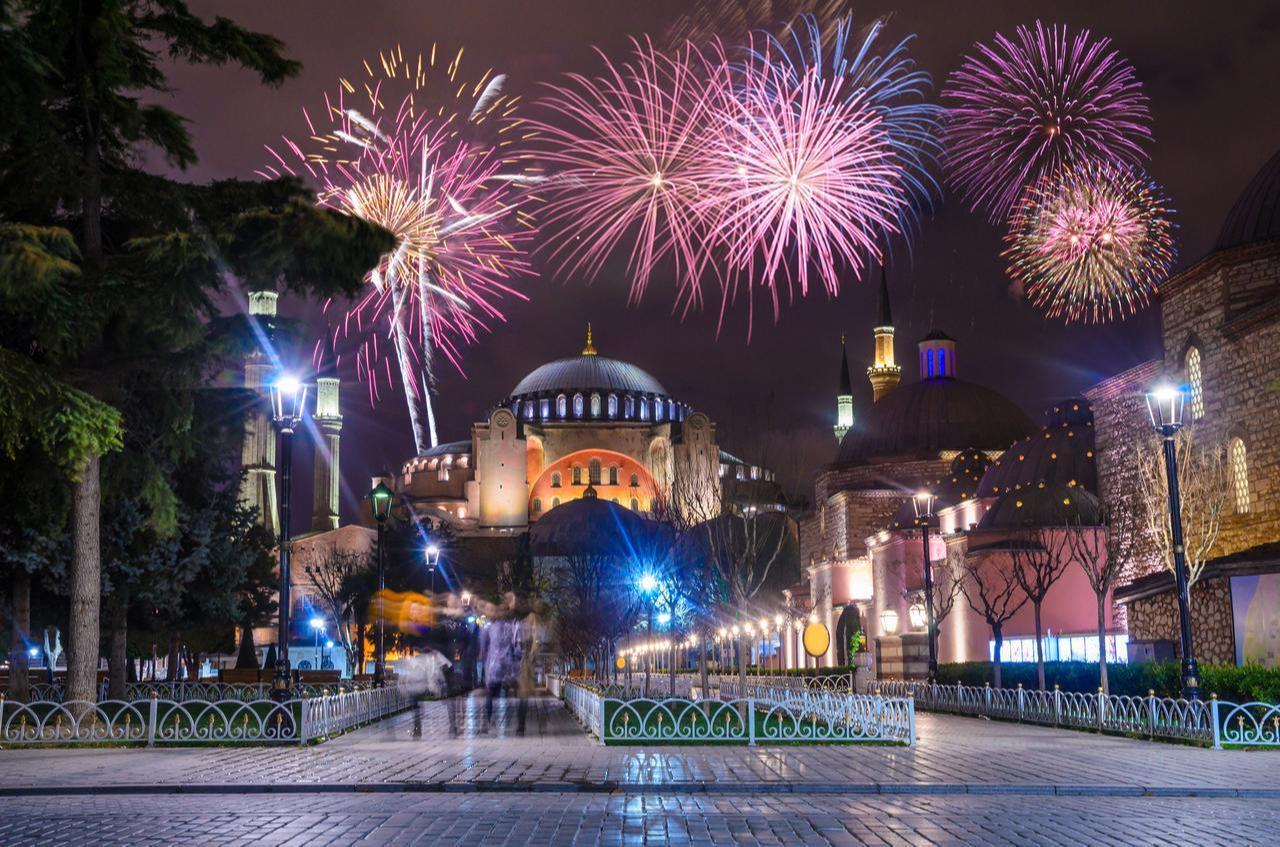
While there is no single official fireworks show across the city, fireworks are most commonly seen around the following areas as midnight approaches:
Fireworks in Istanbul are typically informal and dispersed rather than part of a coordinated citywide display.
Visibility can vary by location and crowd movement, and celebrations often continue beyond midnight.
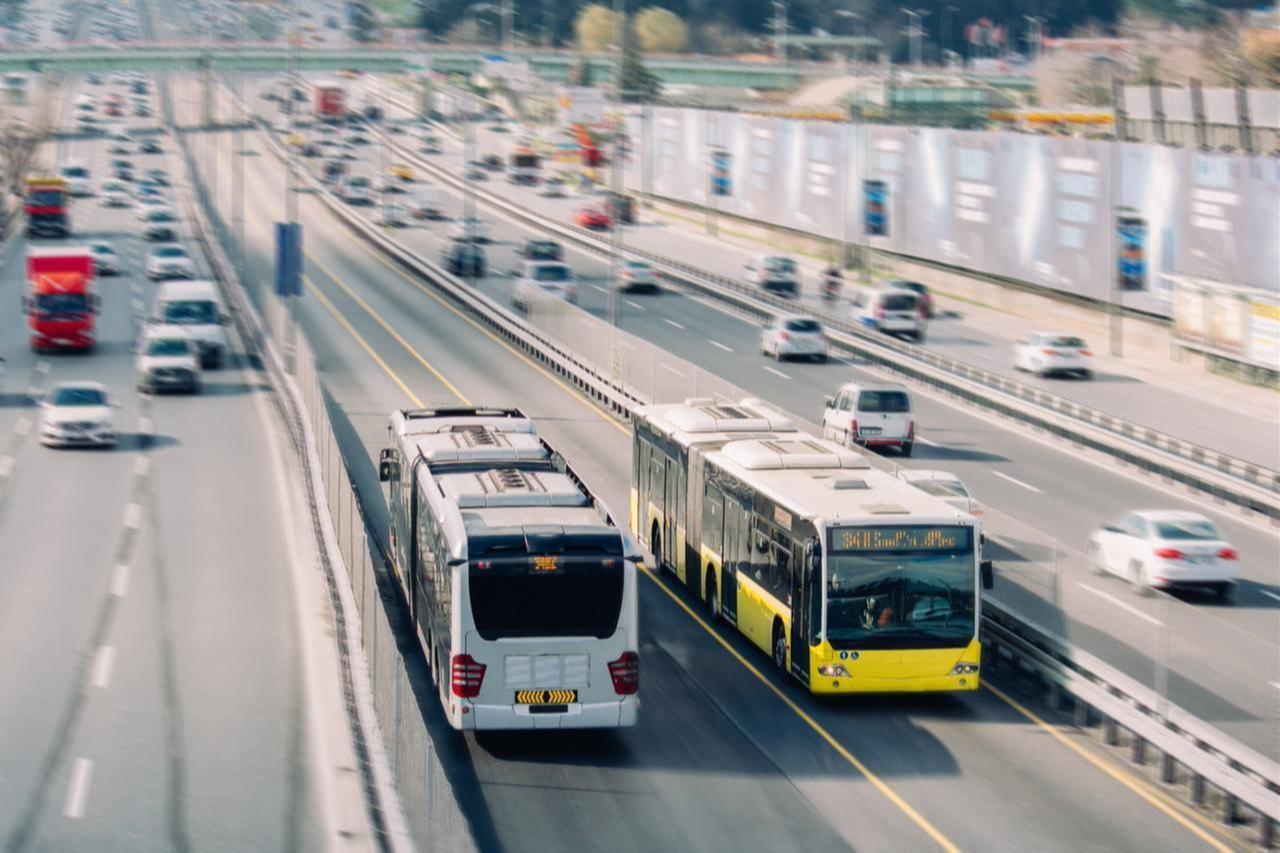
New Year’s Eve in Istanbul usually involves extended public transport services running into the early hours of Jan. 1.
Metro, funicular, bus, metrobus, and ferry services are adjusted to support overnight movement, particularly between central districts and residential areas.
Security measures are also intensified. Central neighbourhoods see checkpoints, controlled access points, and temporary traffic restrictions, especially in Beyoglu, Besiktas, Kadikoy, Sisli, Fatih, and surrounding areas.
Visitors should expect bag checks and delays when moving through crowded zones late in the evening.
Not everyone wants to be in the middle of a packed square at midnight.
Many residents and visitors prefer restaurant dinners, live music venues, or hotel based New Year's programs, particularly along the Bosphorus, where indoor celebrations offer structure and shelter from the cold.
Bosphorus dinner cruises remain a common alternative, combining a fixed programme with views of the city skyline and fireworks visible from the water, without the density of street level crowds.
For those who prefer to stay outdoors earlier in the evening but indoors by midnight, neighbourhoods such as Sultanahmet, Karakoy, and Galata tend to be calmer than Taksim or Kadikoy before peak hours, making them suitable for evening walks or early dinners.
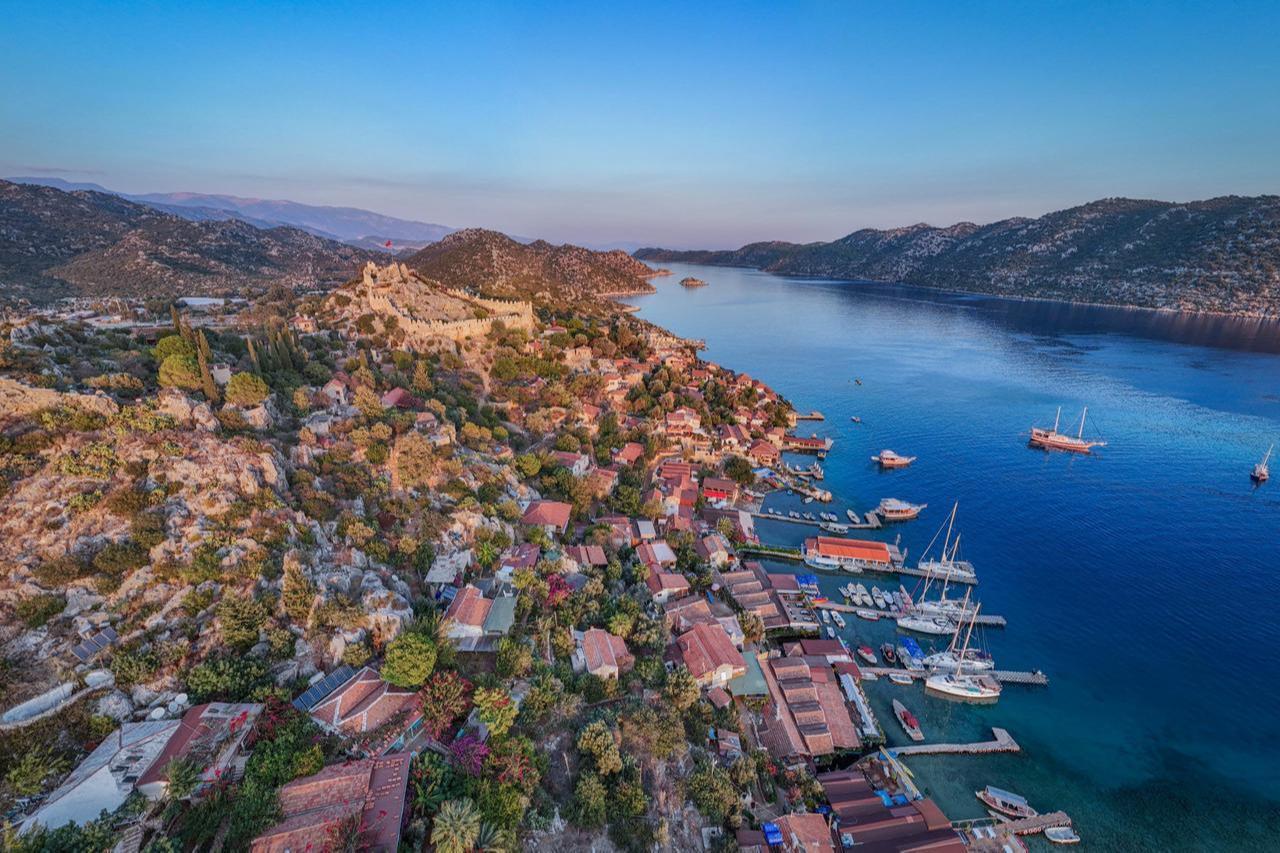
For many, leaving Istanbul altogether is the preferred option.
Across Türkiye, New Year’s Eve takes on very different forms depending on climate, geography, and local culture.
Winter tourism centres dominate one end of the spectrum:
New Year’s Eve in these regions is typically organised around hotel events, night skiing, and fireworks set against mountain landscapes rather than city streets.
For those who want to avoid winter entirely, Antalya provides a contrasting atmosphere. Public gatherings form in the city centre, while the wider region is known for hotel based New Year programmes, gala dinners, and live performances.
The combination of milder temperatures and structured indoor events makes Antalya a frequent choice for both families and international visitors.
Cappadocia offers a different pace altogether. Celebrations there tend to focus on hotel dinners and intimate gatherings rather than large public events.
The region’s appeal lies in beginning the new year in a quieter setting, with early morning balloon flights on Jan. 1 forming a symbolic start to the year for many visitors.
Major cities beyond Istanbul also maintain strong New Year's traditions.
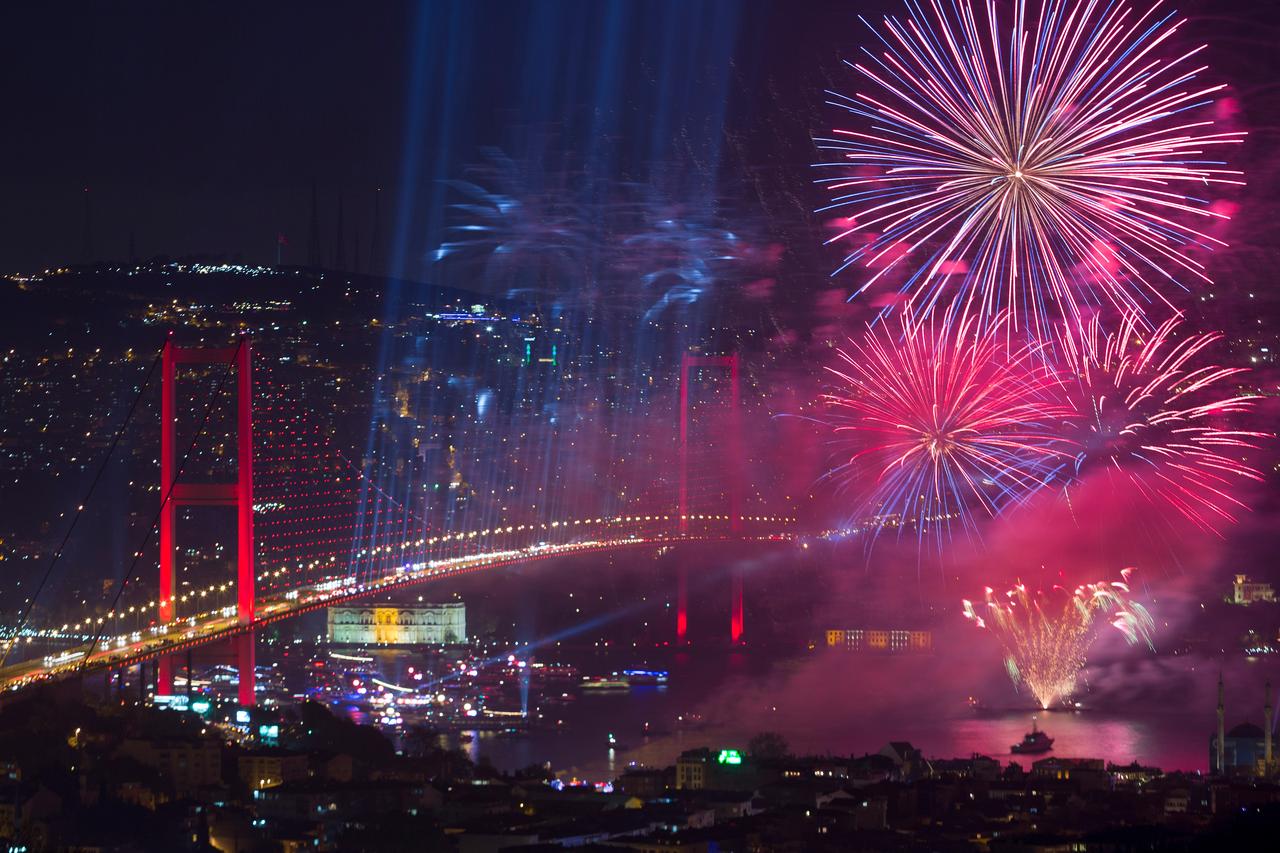
New Year’s Eve in Türkiye is defined by shared public habits rather than a single official program.
Fireworks are often informal and dispersed, particularly in Istanbul, and celebrations can shift quickly depending on crowd movement and local conditions.
Crowds, transport changes, and security checks are part of the experience. Choosing the right location, planning routes in advance, and setting expectations accordingly can shape the night significantly.
For expats and visitors, the appeal of spending New Year’s Eve in Türkiye often lies not in spectacle, but in the collective experience of the night itself.


 Set as preferred source
 Set as preferred source


 2 min read