Newsletters





WHO chief Tedros Adhanom Ghebreyesus said the Ebola outbreak in the Democratic Republic of Congo (DRC), which has killed more than 200 people, can still be brought under control as international health operations are being scaled up in the affected region.
WHO Director-General Tedros Adhanom Ghebreyesus arrived in Kinshasa on Thursday to oversee the emergency response and is expected to travel to Ituri province in the northeast, the epicentre of the outbreak.
Speaking upon arrival, Tedros said the situation remained manageable despite its severity, adding that travel restrictions were not an effective measure for controlling the spread of the virus.
According to the WHO, the outbreak declared on May 15 has recorded more than 1,000 suspected and confirmed cases, including 10 confirmed deaths and 223 suspected fatalities. Health officials have warned that the actual scale of the outbreak may be higher due to underreporting and limited surveillance in remote areas.
This is the 17th recorded Ebola outbreak in the DRC, a country that has repeatedly faced outbreaks of the virus over the past decades. The current outbreak is concentrated in the eastern province of Ituri, a region affected by prolonged insecurity and armed conflict that continues to hinder humanitarian and medical access.
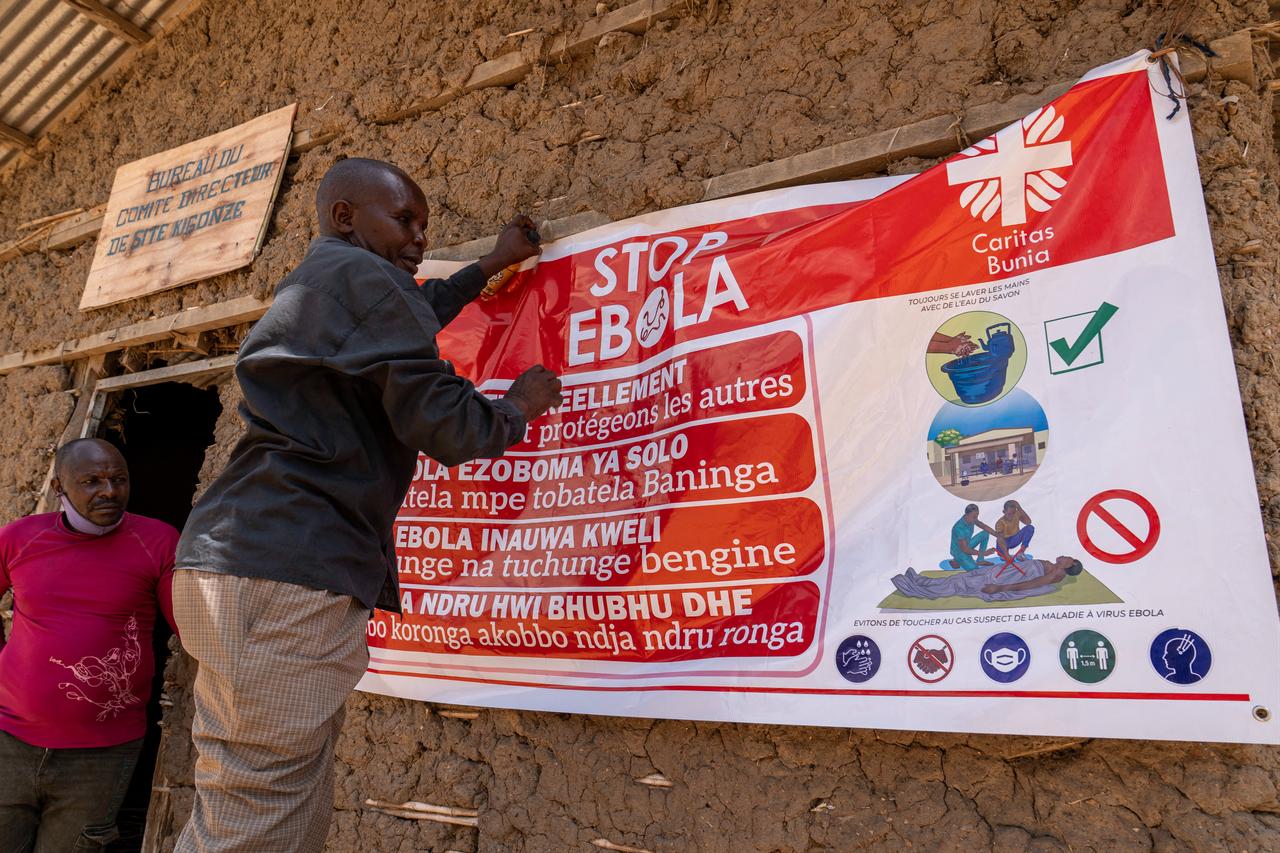

Tedros called for a ceasefire in the region, stating that ongoing violence and population displacement are significantly complicating containment efforts and increasing the risk of further transmission.
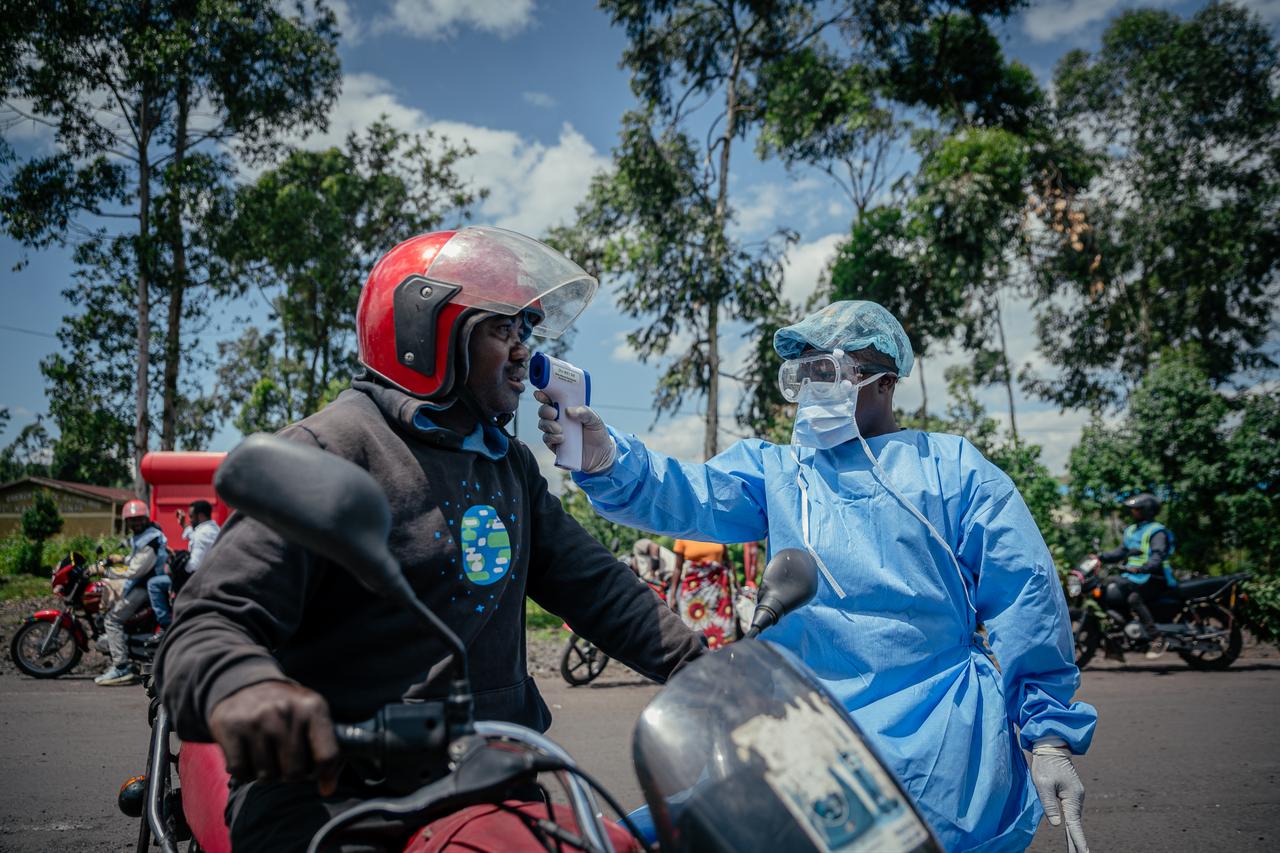
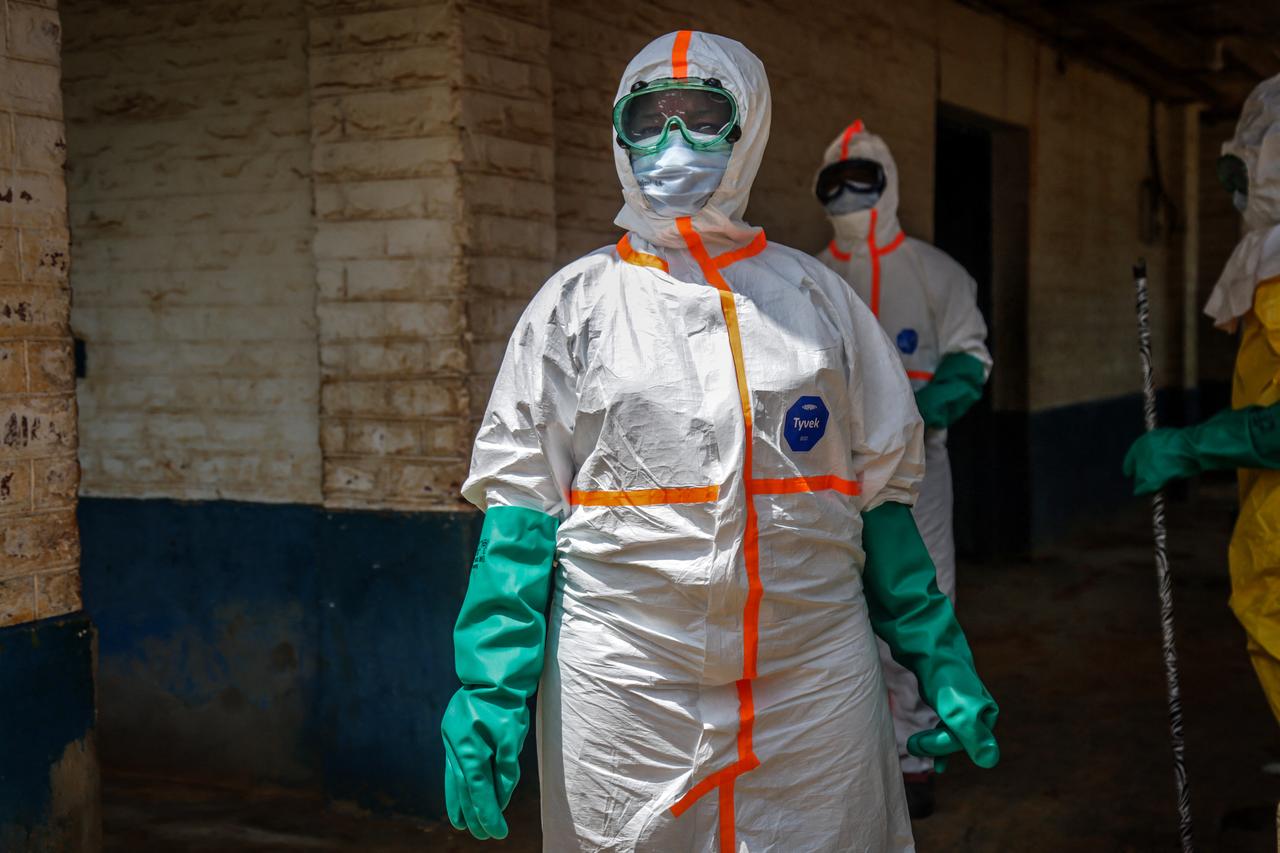
International agencies, including the WHO and UNICEF, have begun delivering emergency supplies, including medical equipment and protective materials, to support response teams on the ground.
The outbreak is caused by the Bundibugyo strain of Ebola virus, for which there is currently no approved vaccine or specific treatment, although African health authorities have indicated that vaccine development efforts are underway.
Neighbouring Uganda has strengthened border controls following confirmed cases linked to the outbreak, as regional authorities step up surveillance measures.


 Set as preferred source
 Set as preferred source


 1 min read
 1 min read