Newsletters


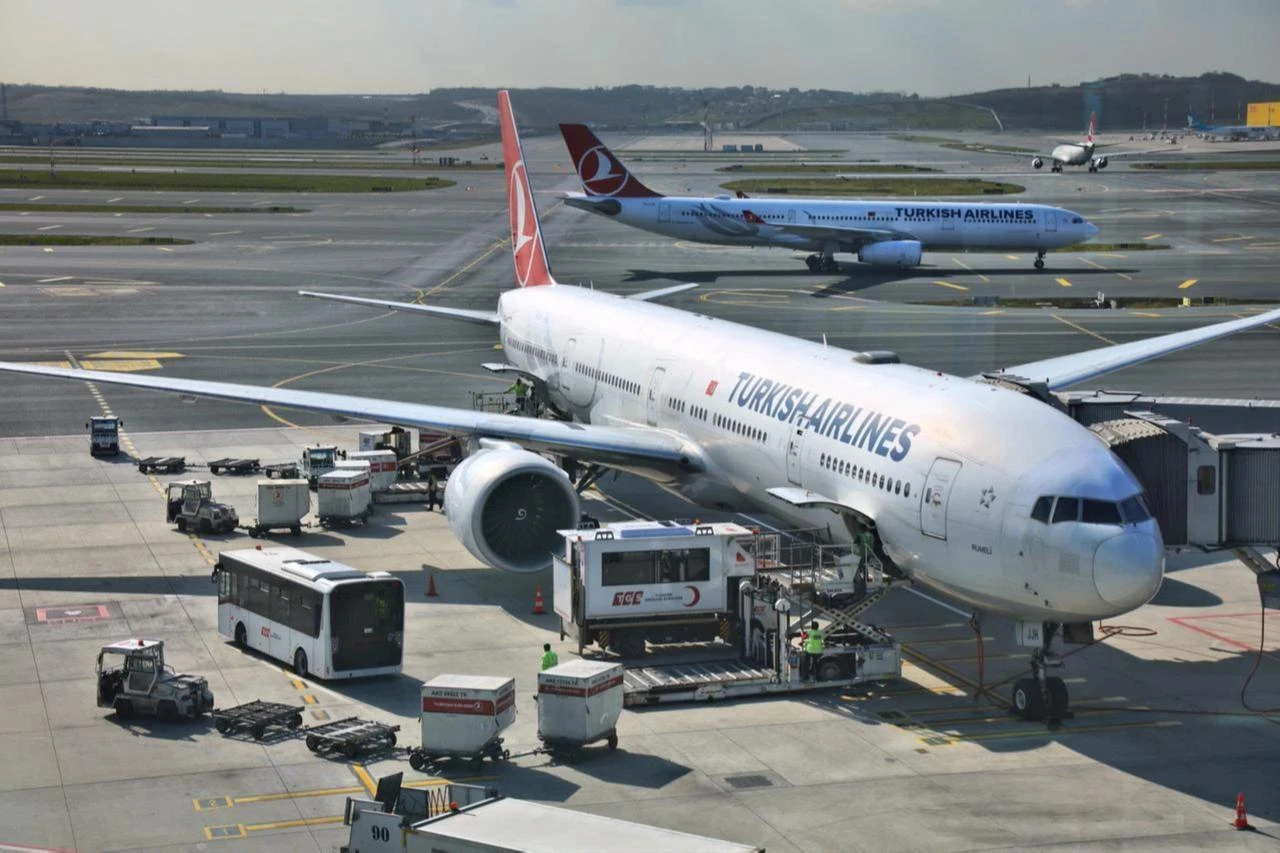


Türkiye has positioned itself as a major global aviation hub through its strategic location linking Europe, Asia, the Middle East and Africa, as well as investments in modern airport infrastructure and strong airline networks, a senior official at the International Air Transport Association (IATA) said.
Marie Owens Thomsen, IATA's senior vice president for sustainability and chief economist, told Anadolu that air transport supports trade, tourism and global connectivity, and that the aviation sector is expected to carry more than 5 billion passengers in 2026 despite current challenges.
"Türkiye, with its strategic location connecting Europe, Asia, the Middle East and Africa, and thanks to major investments in modern airport infrastructure and strong airline networks, has positioned itself as an important global aviation hub," Thomsen said.
Thomsen said policies should aim to support coordinated cooperation across the aviation value chain.
She said airlines are more profitable when airlines, airports and air traffic control work together within a stable regulatory framework. Where that does not happen and the market is highly fragmented, airlines struggle to avoid losses, she added.
Policies should also align with international best practices set out in recommendations by the International Civil Aviation Organization, Thomsen said.
Any local deviation from those practices would weaken international coordination, which she said is vital for global air transport, and would narrow the reach of the global network.
Thomsen said the importance of the global network is clear when looking at the world's poorest countries, which often lack many forms of connectivity infrastructure, including roads, railways, ports, air transport, internet and banking.
Connectivity creates opportunities, she said, while countries without it are left behind.
Countries that treat connectivity, including air transport, as a strategic tool for economic development and a national priority will attract the most investment and gain the greatest benefit, Thomsen added.
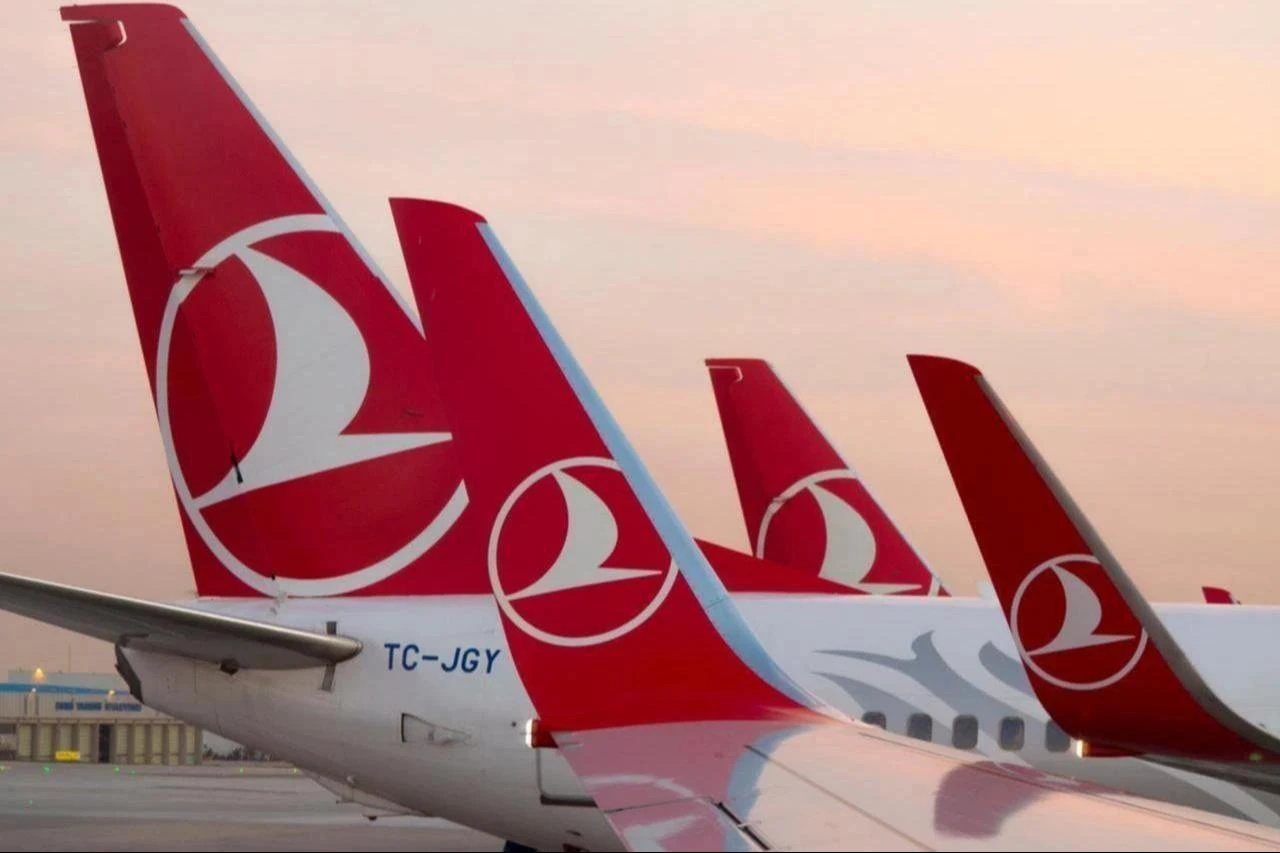

Thomsen said this includes several Asian countries such as India and Singapore, as well as Türkiye.
She said Türkiye's position provides strong transit connections and has made the country an important center for global air transport and trade flows.
To further strengthen this role, Türkiye should prioritize maintaining cost competitiveness and preserving a stable and predictable regulatory environment, Thomsen said.
Efficient airport and air navigation charges, along with continued focus on operational performance and connectivity, will be critical for sustaining growth, she added.
Thomsen also said resilience against external shocks driven by geopolitics or energy developments is highly important, as recent developments have shown.
Maintaining a competitive and efficient operating environment will be essential for Türkiye to sustain its success as a global aviation and logistics hub, she said.


 Set as preferred source
 Set as preferred source


 1 min read
 1 min read