Newsletters





The beauty aisle has its recurring characters, and argan oil is one of them. It is marketed as a fix for frizz, a shortcut to softer skin, a small luxury that feels vaguely medicinal.
The substance itself is straightforward. Argan oil comes from the kernels of the argan tree, native mainly to Morocco and parts of Algeria, and health sources point to its high levels of vitamin E, antioxidants and essential fatty acids as the reason it is so widely used in skin and hair care products.
The oil, sometimes called “liquid gold,” contains high levels of vitamin E, antioxidants and essential fatty acids that support skin, hair and overall health, according to medical and health sources.
Produced by processing the kernels of olive-like fruits, argan oil has long been used in cosmetics, nutrition and traditional remedies. Its growing global popularity stems from its moisturizing properties, anti-inflammatory effects and potential health benefits.
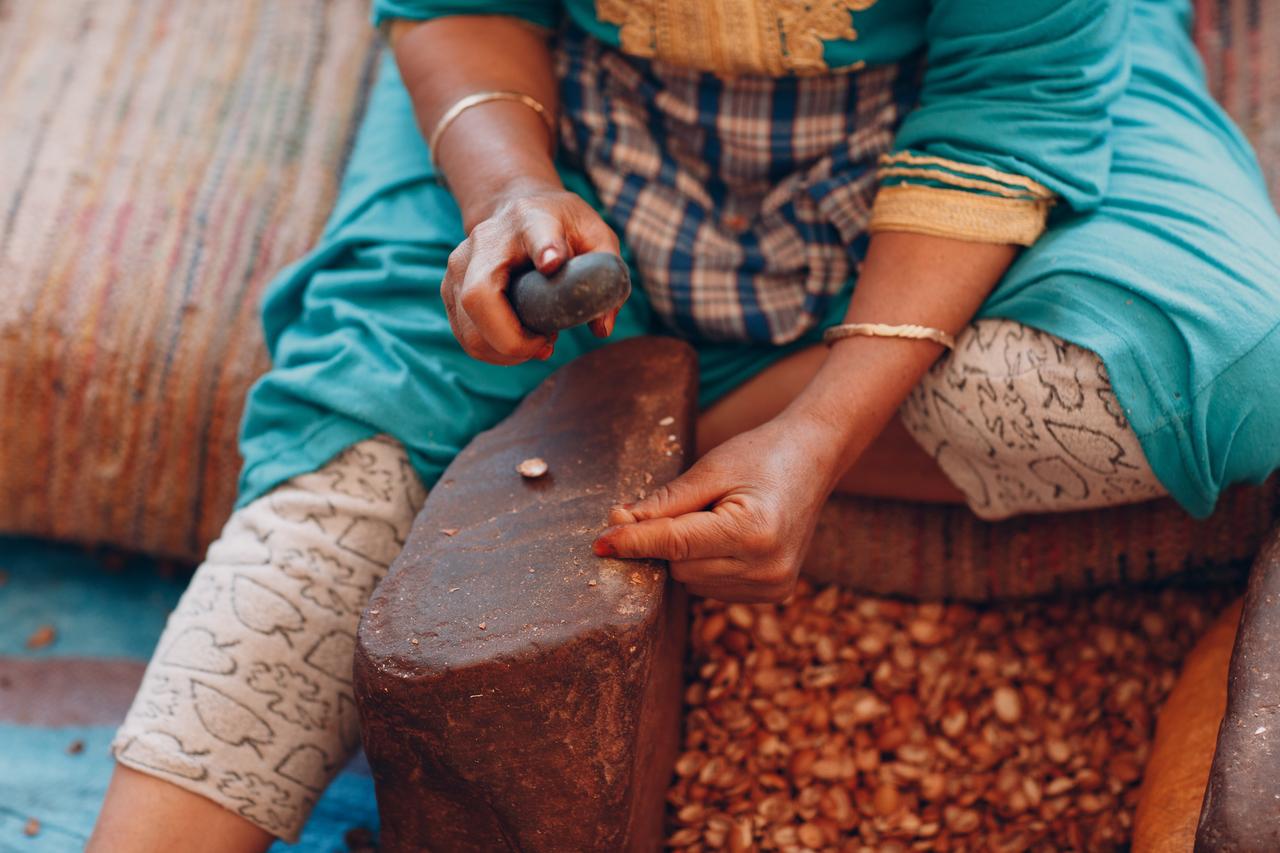

Medical sources describe argan oil as rich in vitamin E, oleic acid and linoleic acid, compounds known for supporting skin health and protecting cells from oxidative stress.
For skin care, argan oil helps maintain moisture balance and improve elasticity. Its antioxidant and anti-inflammatory properties may reduce redness, irritation and acne appearance while supporting tissue repair.
Some studies also suggest it can help reduce the appearance of fine lines and wrinkles and strengthen the skin barrier by preventing moisture loss.
Potential skin benefits:
Argan oil also plays a role in hair care. Its high vitamin and fatty acid content nourishes the scalp, strengthens hair strands and helps prevent breakage. Regular use may improve shine, softness and overall hair health, while also reducing dandruff and supporting healthy growth.
Beyond cosmetic use, argan oil may support general health when consumed in appropriate forms. Research cited by Acibadem indicates that its unsaturated fatty acids may help lower bad cholesterol levels, support heart health and increase antioxidant levels in the body. S
Some studies also suggest possible effects on insulin resistance and blood sugar balance, although research on certain health claims remains ongoing.
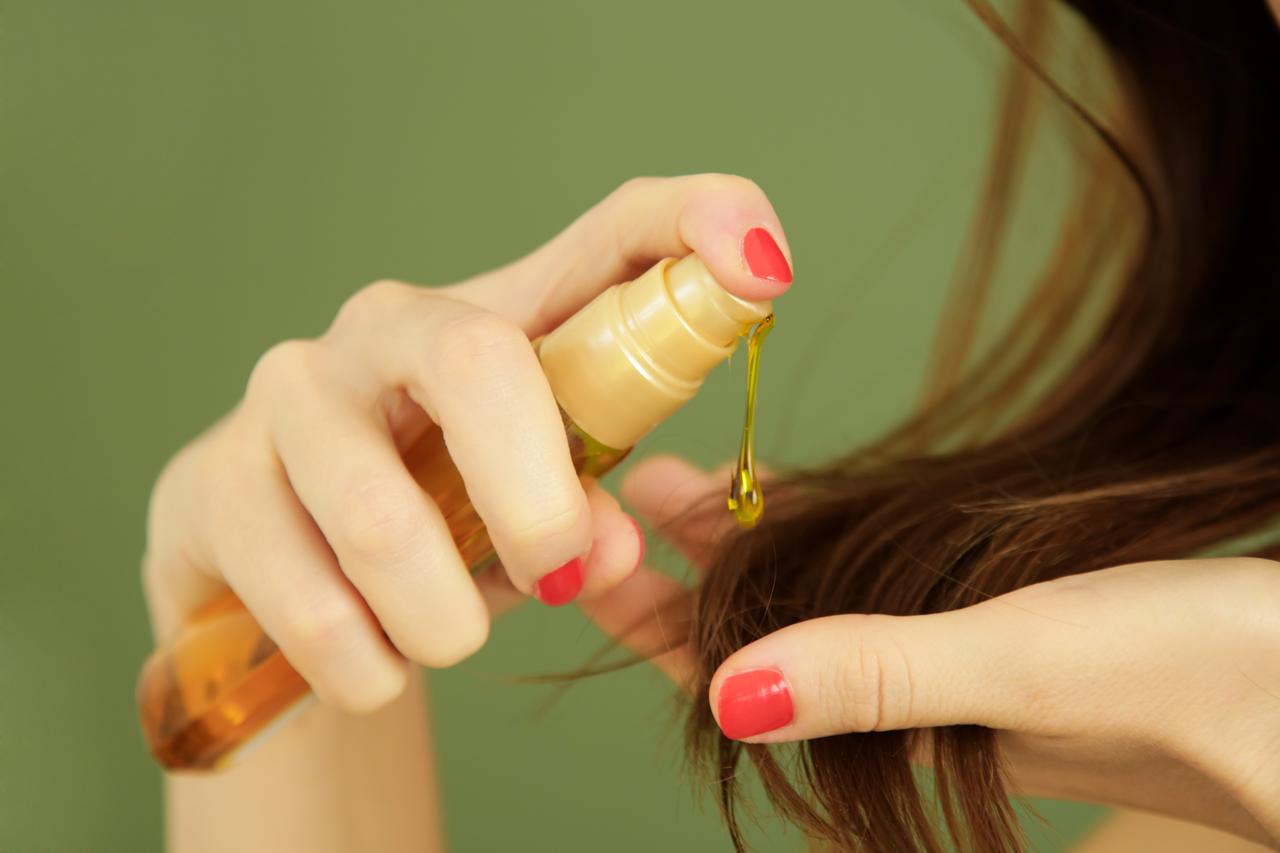
Argan oil is used in three main ways: topical skin care, topical hair care, and food use in some producing regions. Medical sources describe it as a moisturizing oil rich in vitamin E, antioxidants and essential fatty acids, which explains why it appears in many cosmetic formulas and is also used as a base oil in massage and aromatherapy contexts.
Skin care use
Hair care use
Food use in some regions
Cold pressed argan oil is consumed in the producing regions, sometimes used like olive oil and eaten with bread or used with foods such as salads. This is presented as a regional practice rather than a universal recommendation.
What to consider before using it
Health institutions stress that information about argan oil is for general guidance and medical advice should be sought for diagnosis or treatment of health conditions.


 Set as preferred source
 Set as preferred source


 3 min read